
Mar 17, 2026
Comprehensive Guide to Choosing the Right Chicken Wire Machine for Your Needs
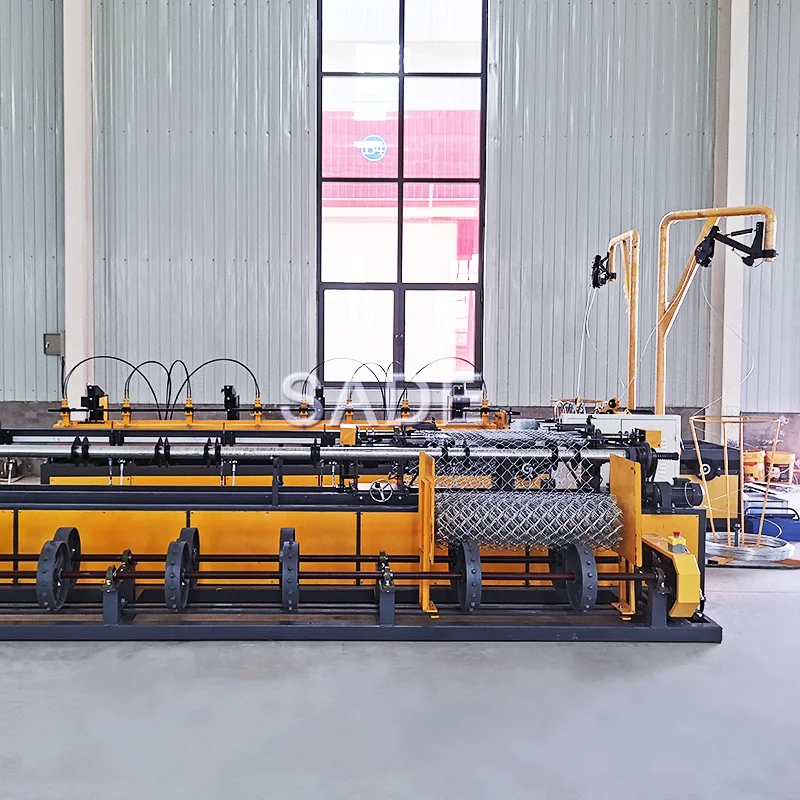
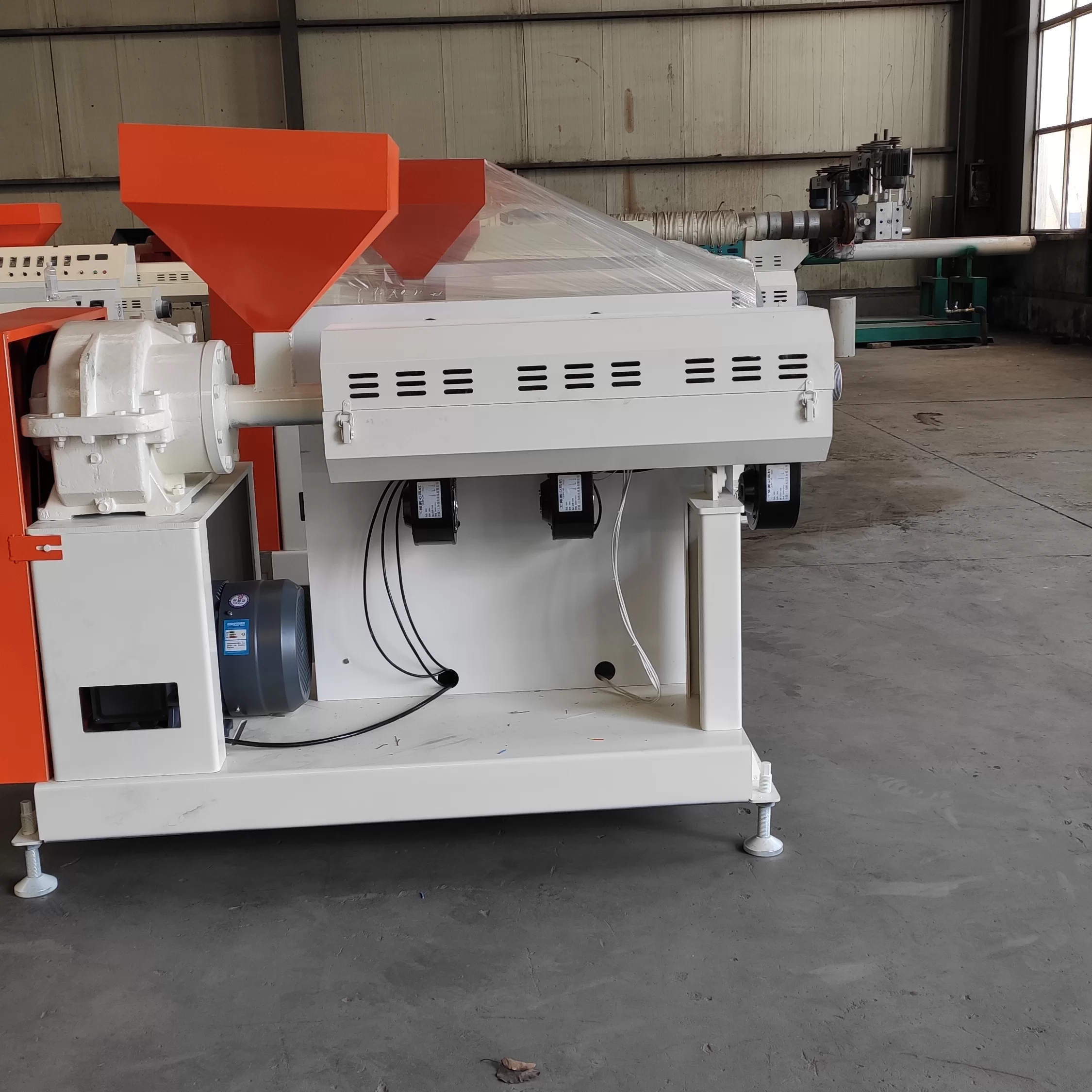
Are you looking to streamline your fencing, poultry enclosure, or crafting projects? A chicken wire machine is an invaluable investment. This article provides a comprehensive overview of these machines, exploring their types, applications, key features, and what to consider when making a purchase. Whether you’re a small-scale farmer, a large-scale manufacturer, or a DIY enthusiast, understanding the intricacies of these machines will empower you to select the perfect model for your needs. Investing in the right machine will significantly improve efficiency and quality of production. Chicken wire machines aren’t one-size-fits-all. Different models cater to varying production scales and mesh specifications. The most common types include manual machines, semi-automatic machines, and fully automatic machines. Manual machines are best suited for small-scale, infrequent use, offering a lower initial investment. Semi-automatic machines require some manual input but increase production speed. Fully automatic machines, ideal for large-scale production, feature computerized controls and can produce consistent, high-quality chicken wire with minimal operator intervention.
Mar 17, 2026
Comprehensive Guide to Chicken Mesh Making Machine Technology and Applications
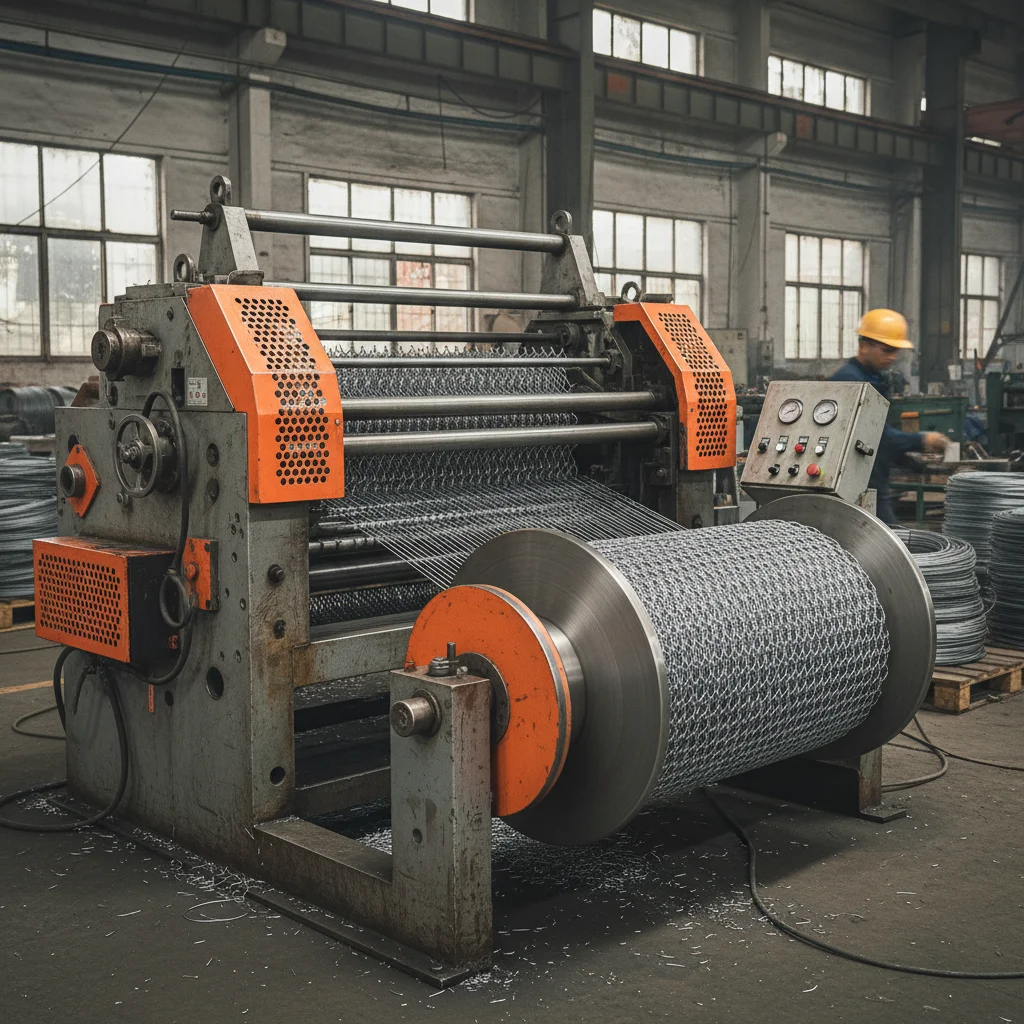
The demand for chicken mesh, also known as poultry netting, is consistently high due to its crucial role in agriculture and animal husbandry. A chicken mesh making machine is a specialized piece of equipment designed to efficiently produce this essential product. This article will delve into the workings, types, applications, and key considerations when choosing a machine. We’ll explore how these machines streamline the production process and contribute to the global poultry industry. Mesh Machinery offers a wide range of solutions for efficient production. At the core of a chicken mesh making machine is the principle of weaving or twisting wires to create an interlocking pattern. The process typically begins with wire coils fed into the machine. These coils are then straightened and fed into a weaving mechanism. This mechanism utilizes a series of cams, shuttles, or rotating elements to interlock the wires, forming the mesh. Different machines employ varying techniques, impacting production speed and mesh characteristics. The finished mesh is then wound onto a collection reel, ready for cutting and distribution.
Mar 17, 2026
Comprehensive Guide to Chicken Mesh Machines for Poultry Farming
Chicken mesh machines are indispensable tools for poultry farmers and businesses involved in animal husbandry. These machines automate the production of wire mesh used to create secure and durable enclosures for chickens, protecting them from predators and ensuring their wellbeing. Choosing the right chicken mesh machine is crucial for efficiency, cost-effectiveness, and the quality of the final product. This article will explore the different types of chicken mesh machines, their applications, key features, and factors to consider when making a purchase. We’ll delve into the technology, benefits, and considerations to help you select the perfect machine for your needs. Several types of chicken mesh machines cater to different production scales and requirements. The most common include: Chain Link Fence Machines which are versatile and can produce a range of mesh sizes; Hexagonal Wire Mesh Machines specifically designed for creating the characteristic hexagonal pattern; and Welded Wire Mesh Machines providing a stronger and more rigid mesh structure. Each machine type utilizes different mechanisms and offers varying levels of automation and output capacity.
Mar 17, 2026
Investing in an Automatic Wire Mesh Welding Machine for Enhanced Production Efficiency
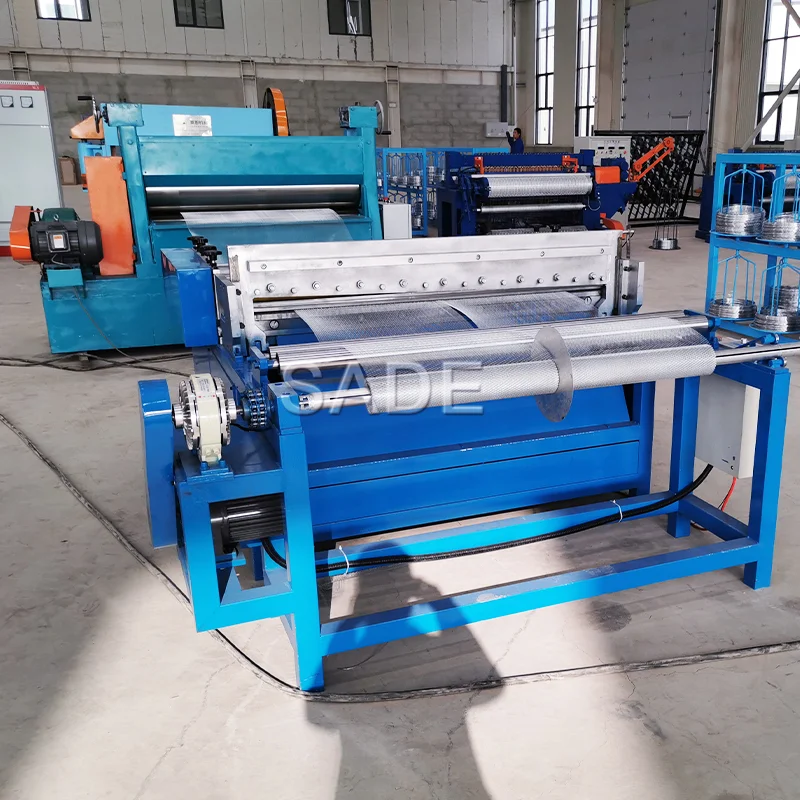
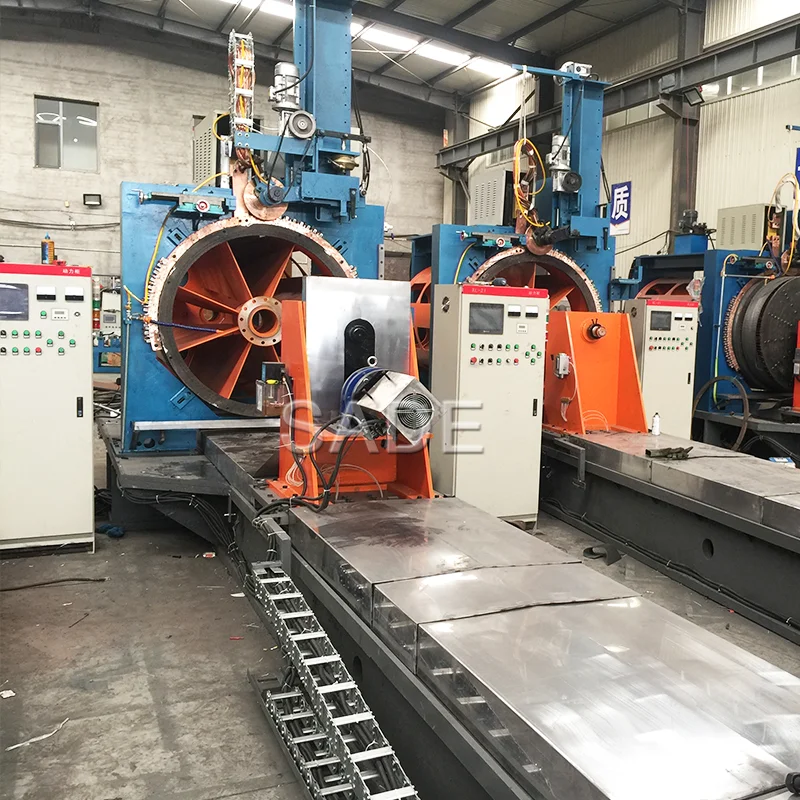
In the competitive landscape of modern manufacturing, efficiency and precision are paramount. For businesses involved in the production of wire mesh, an automatic wire mesh welding machine represents a significant investment with the potential for substantial returns. This article will explore the advantages of automating your wire mesh production, focusing on key benefits, applications, and considerations when choosing the right machine. Streamlining your processes with automation can lead to higher output, reduced labor costs, and consistently high-quality products. One of the most significant advantages of an automatic wire mesh welding machine is its ability to dramatically increase production capacity. Unlike manual welding, which is limited by human speed and endurance, an automated machine can operate continuously, 24/7, with minimal downtime. This is particularly crucial for businesses facing high demand or tight deadlines. The consistent speed and accuracy of the machine ensure a steady flow of finished product, allowing you to fulfill orders more efficiently and scale your operations as needed.
Mar 17, 2026
Comprehensive Guide to Wire Mesh Machines Types Applications and Advancements
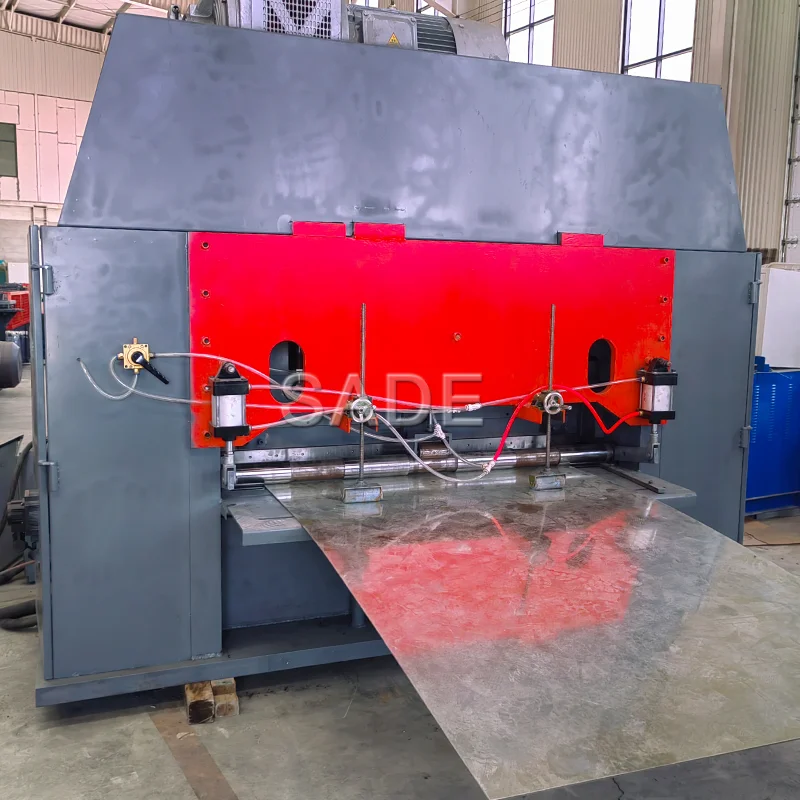
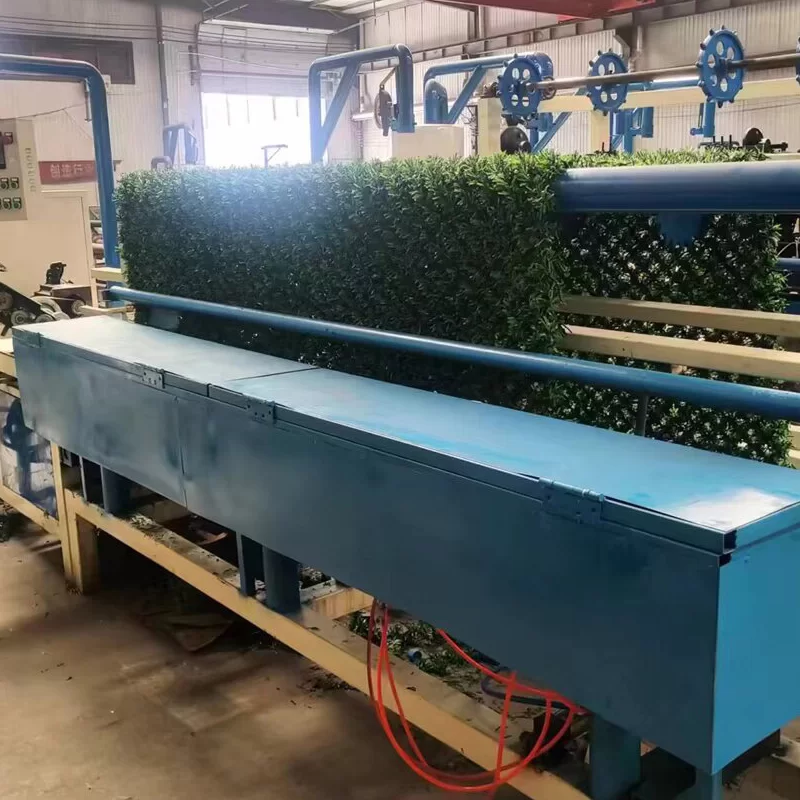
The demand for wire mesh products is steadily increasing across various industries, from construction and agriculture to security and manufacturing. This drives the need for efficient and reliable wire mesh machines. This article explores the different types of wire mesh machines, their applications, factors to consider when purchasing, and the latest advancements in the industry. Understanding these machines is crucial for businesses looking to optimize their production processes and meet the growing market demands. Selecting the right equipment is an investment in efficiency and product quality. Various wire mesh machines cater to diverse production needs. Some of the most common types include: Hexagonal Wire Mesh Machines, Chain Link Fence Machines, Welded Wire Mesh Machines, and Expanded Metal Mesh Machines. Hexagonal mesh machines produce netting often used in agriculture and animal enclosures. Chain link fence machines create the fencing commonly found in sports fields and security systems. Welded wire mesh machines offer precision and are used in reinforcement and filtration. Expanded metal machines create strong and lightweight panels. The choice of machine depends on the desired mesh type, production volume, and application.