
March 17, 2026
Are you looking to streamline your fencing, poultry enclosure, or crafting projects? A chicken wire machine is an invaluable investment. This article provides a comprehensive overview of these machines, exploring their types, applications, key features, and what to consider when making a purchase. Whether you're a small-scale farmer, a large-scale manufacturer, or a DIY enthusiast, understanding the intricacies of these machines will empower you to select the perfect model for your needs. Investing in the right machine will significantly improve efficiency and quality of production.
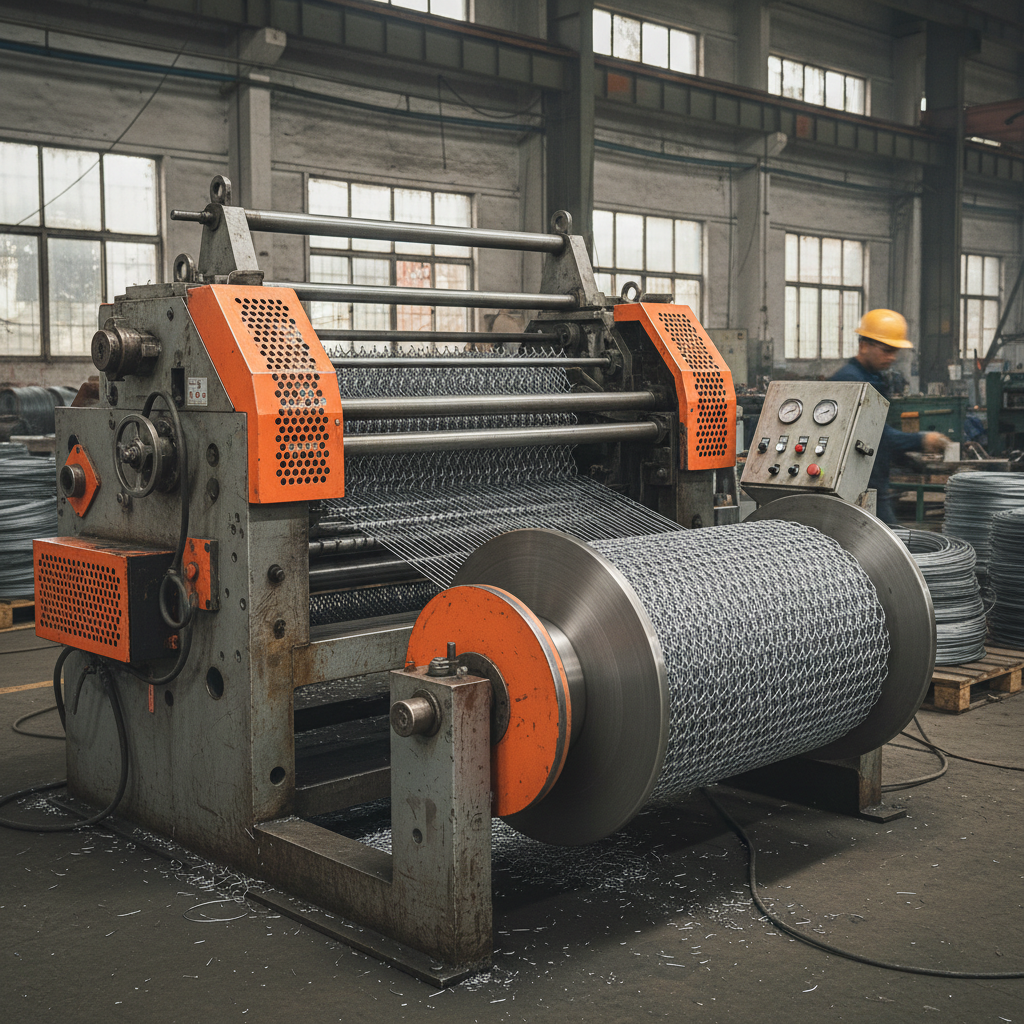
Chicken wire machines aren’t one-size-fits-all. Different models cater to varying production scales and mesh specifications. The most common types include manual machines, semi-automatic machines, and fully automatic machines. Manual machines are best suited for small-scale, infrequent use, offering a lower initial investment. Semi-automatic machines require some manual input but increase production speed. Fully automatic machines, ideal for large-scale production, feature computerized controls and can produce consistent, high-quality chicken wire with minimal operator intervention. Each type presents a unique balance between cost, output, and operational complexity. Explore the Meshmachinery website to find the perfect solution for your application.
Key Takeaway: Choosing the right machine type depends heavily on your production volume, budget, and desired level of automation.
When selecting a chicken wire machine, several key features deserve careful consideration. These include the machine's wire diameter capacity, mesh size adjustability, production speed, power requirements, and overall durability. A wider wire diameter capacity allows for greater versatility. Adjustable mesh size enables the production of different fencing styles. Higher production speeds are critical for maximizing efficiency in large-scale operations. Additionally, consider the machine's ease of maintenance and the availability of spare parts. Look for machines built with high-quality materials for long-term reliability. Meshmachinery offers machines designed with these crucial factors in mind.
Essential Features Checklist:
• Wire Diameter Capacity
• Adjustable Mesh Size
• Production Speed
• Durability and Materials
Understanding the differences between manual and automatic chicken wire machines is essential for making an informed decision. Here’s a detailed comparison:
Chicken wire has a surprisingly broad range of applications. Traditionally used for poultry enclosures, it’s also widely employed in gardening for plant support and pest control, in construction for plastering lath, and in crafting for various DIY projects. The demand for chicken wire is consistently high, making investment in a reliable machine a smart business decision. Meshmachinery provides machines capable of producing chicken wire for all these applications and more.
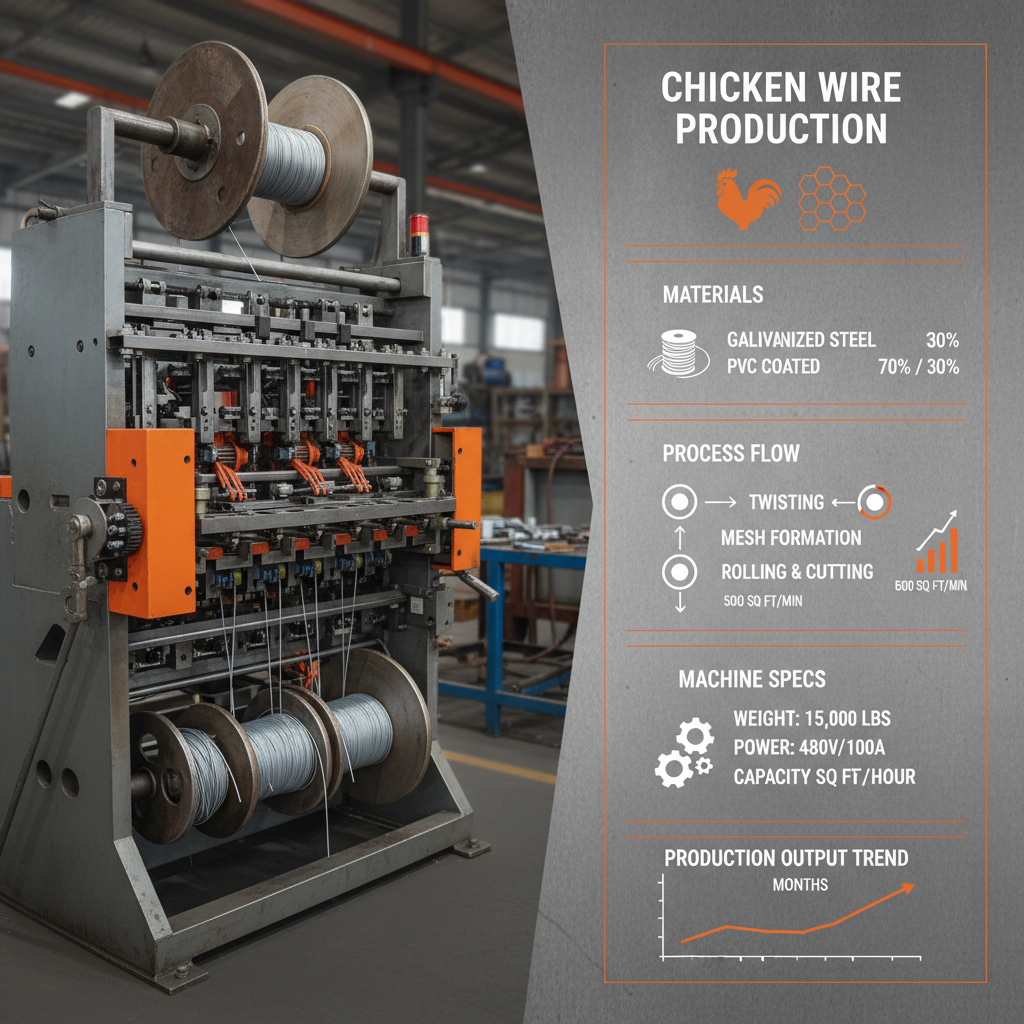
Here's a representative example of specifications you might find in a chicken wire machine:
Choosing the right chicken wire machine is a critical decision that impacts your production capabilities and bottom line. By carefully considering your needs, comparing different models, and investing in a quality machine from a reputable supplier like Meshmachinery, you can streamline your operations, improve product quality, and maximize your return on investment.
Regular maintenance is crucial for ensuring the longevity and performance of your machine. This includes daily cleaning to remove wire debris, lubrication of moving parts, and periodic inspection for wear and tear. Check belts, gears, and bearings for signs of damage. Refer to the machine's manual for specific maintenance recommendations. Proactive maintenance will prevent costly breakdowns and extend the machine's lifespan. Meshmachinery provides comprehensive support and spare parts to assist with maintenance.
Safety should always be a top priority. Wear appropriate personal protective equipment (PPE), including safety glasses, gloves, and ear protection. Ensure the machine is properly grounded and that all safety guards are in place. Never attempt to repair or adjust the machine while it is running. Always disconnect the power supply before performing any maintenance. Follow the manufacturer's safety guidelines meticulously.
Several factors contribute to the price of a chicken wire machine. These include the machine's type (manual, semi-automatic, or automatic), its production capacity, wire diameter capacity, mesh size adjustability, and overall build quality. Automatic machines with advanced features typically command a higher price. The manufacturer's reputation and the level of after-sales support also play a role. Contact Meshmachinery for a customized quote based on your specific requirements.
The lead time for delivery can vary depending on the machine's complexity, customization requirements, and current production schedules. Generally, for standard models in stock, delivery can be expected within 2-4 weeks. For customized machines, the lead time may be longer, typically 6-8 weeks. Contact Meshmachinery to inquire about current lead times and shipping options.
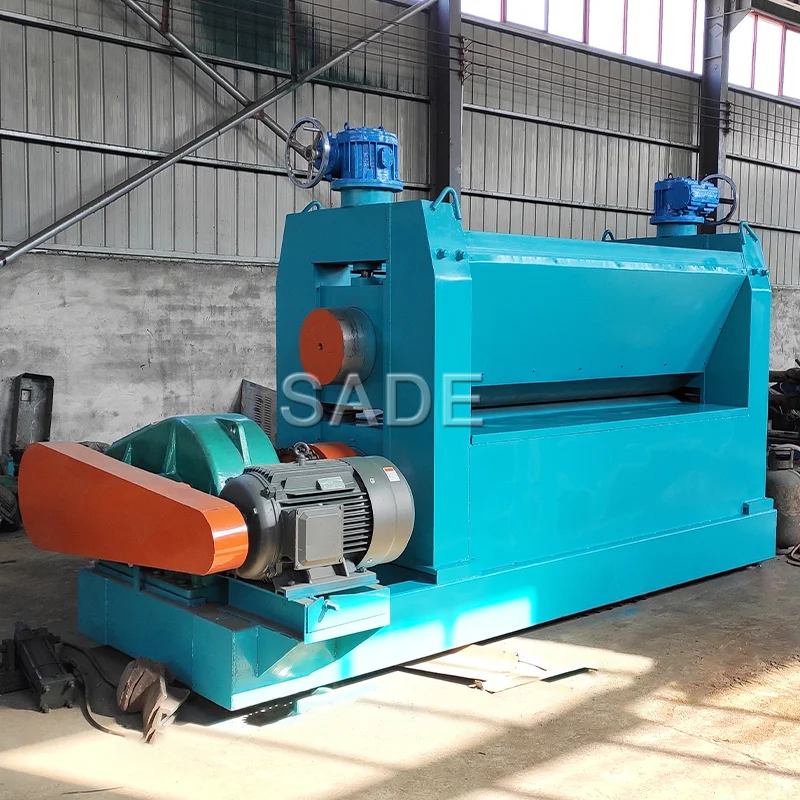
ZPJ Metal Mesh Flatting Machine
ZPJ metal mesh flatting machine is special designed for expanded metal flatting.It’s a corollary equipment of expanded metal machine. It can make expanded wire-mesh smoothly.And the flattened expanded metal have much more widely different applications.
Apr 24, 2026
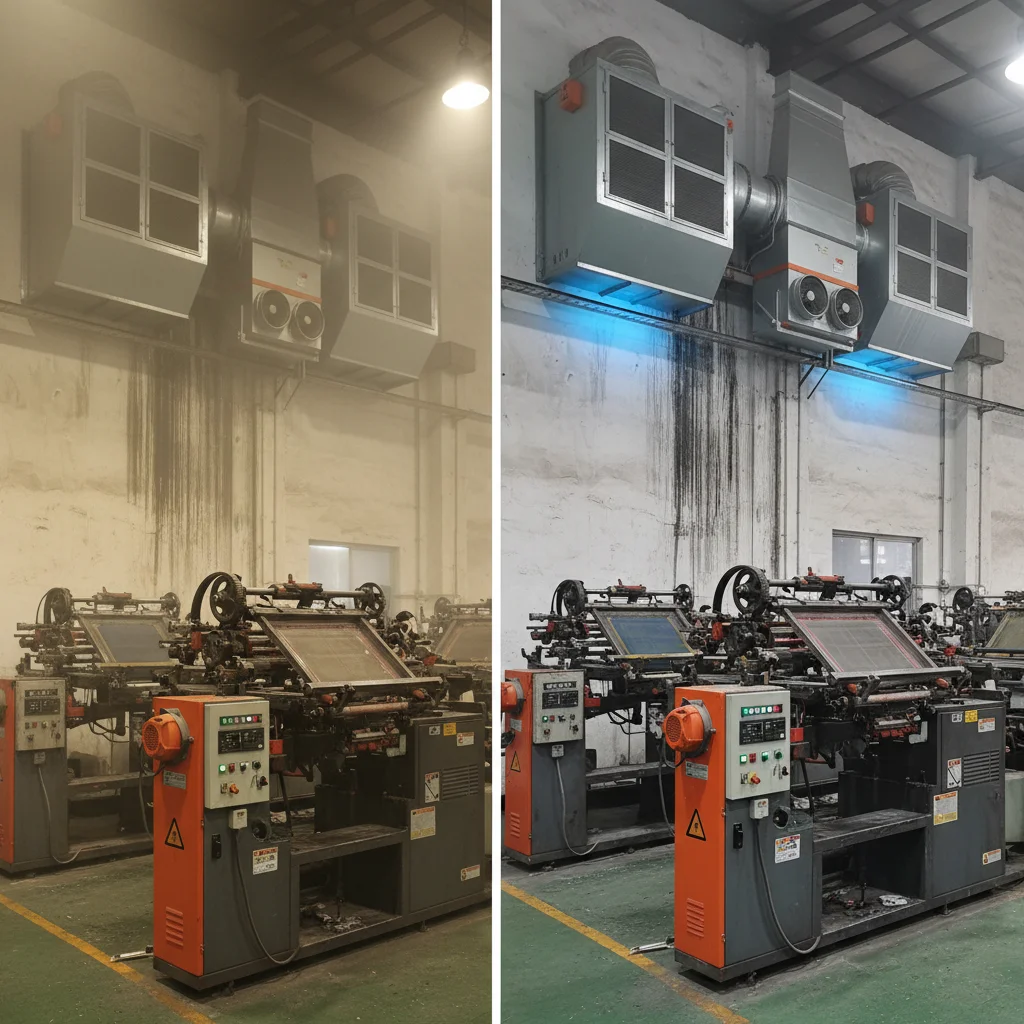
Industrial Wall Mounted Air Filtration for Clean Work Environments