
March 17, 2026
The demand for chicken mesh, also known as poultry netting, is consistently high due to its crucial role in agriculture and animal husbandry. A chicken mesh making machine is a specialized piece of equipment designed to efficiently produce this essential product. This article will delve into the workings, types, applications, and key considerations when choosing a machine. We’ll explore how these machines streamline the production process and contribute to the global poultry industry. Mesh Machinery offers a wide range of solutions for efficient production.
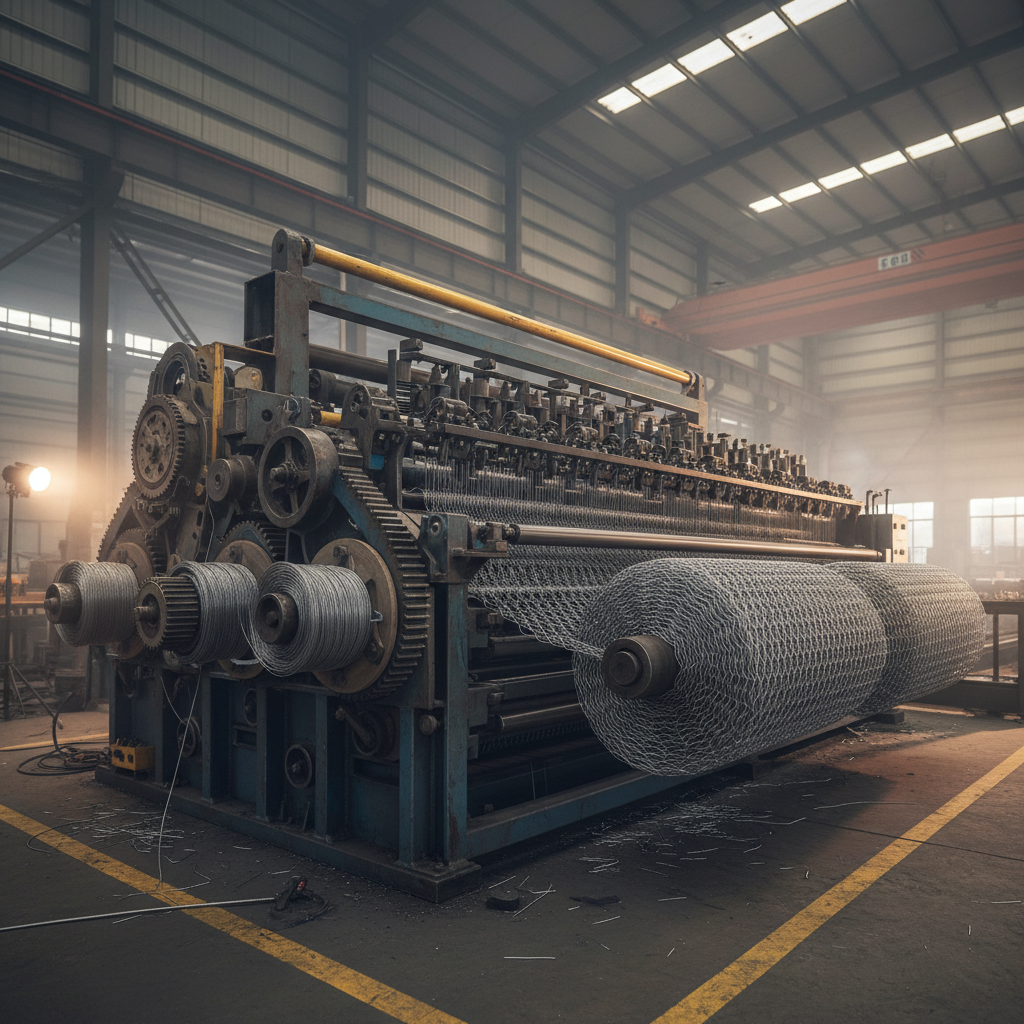
At the core of a chicken mesh making machine is the principle of weaving or twisting wires to create an interlocking pattern. The process typically begins with wire coils fed into the machine. These coils are then straightened and fed into a weaving mechanism. This mechanism utilizes a series of cams, shuttles, or rotating elements to interlock the wires, forming the mesh. Different machines employ varying techniques, impacting production speed and mesh characteristics. The finished mesh is then wound onto a collection reel, ready for cutting and distribution. Mesh Machinery machines are built for durability and consistent output.
Key Components: The core of the machine including the wire feeding system, straightening unit, weaving mechanism, and winding reel are essential to its proper operation.
Several types of chicken mesh making machines cater to different production needs and budgets. The most common are: Manual machines, semi-automatic machines, and fully automatic machines. Manual machines require significant operator input and are suitable for small-scale production. Semi-automatic machines automate some aspects of the process, reducing labor requirements. Fully automatic machines offer the highest level of automation, maximizing efficiency and minimizing human intervention. Choosing the right type depends on production volume, available space, and budgetary constraints. Mesh Machinery provides expert guidance to help you select the most appropriate machine.
Machine Type Comparison:
• Manual: Low initial cost, high labor requirement, low production volume.
• Semi-Automatic: Moderate cost, reduced labor, medium production volume.
• Fully Automatic: High cost, minimal labor, high production volume.
Selecting the right machine requires careful consideration of several factors. These include: production capacity, wire material compatibility, mesh size options, power requirements, and machine maintenance. The type of wire used (galvanized steel, PVC-coated, stainless steel) must be compatible with the machine’s feeding and weaving mechanisms. The machine should also be capable of producing a range of mesh sizes to meet diverse customer demands. Furthermore, ease of maintenance and availability of spare parts are crucial for minimizing downtime. Mesh Machinery prioritizes reliability and provides comprehensive after-sales support.
Chicken mesh produced by these machines has wide-ranging applications in poultry farming. It’s used to construct chicken coops, providing secure enclosures that protect birds from predators. It’s also used for creating runs, allowing chickens to graze safely. Beyond poultry, chicken mesh finds applications in garden fencing, pest control, and even as a reinforcement material in construction. The durability and versatility of this mesh make it a valuable product across multiple industries. Mesh Machinery helps businesses meet the growing demand for this essential material.
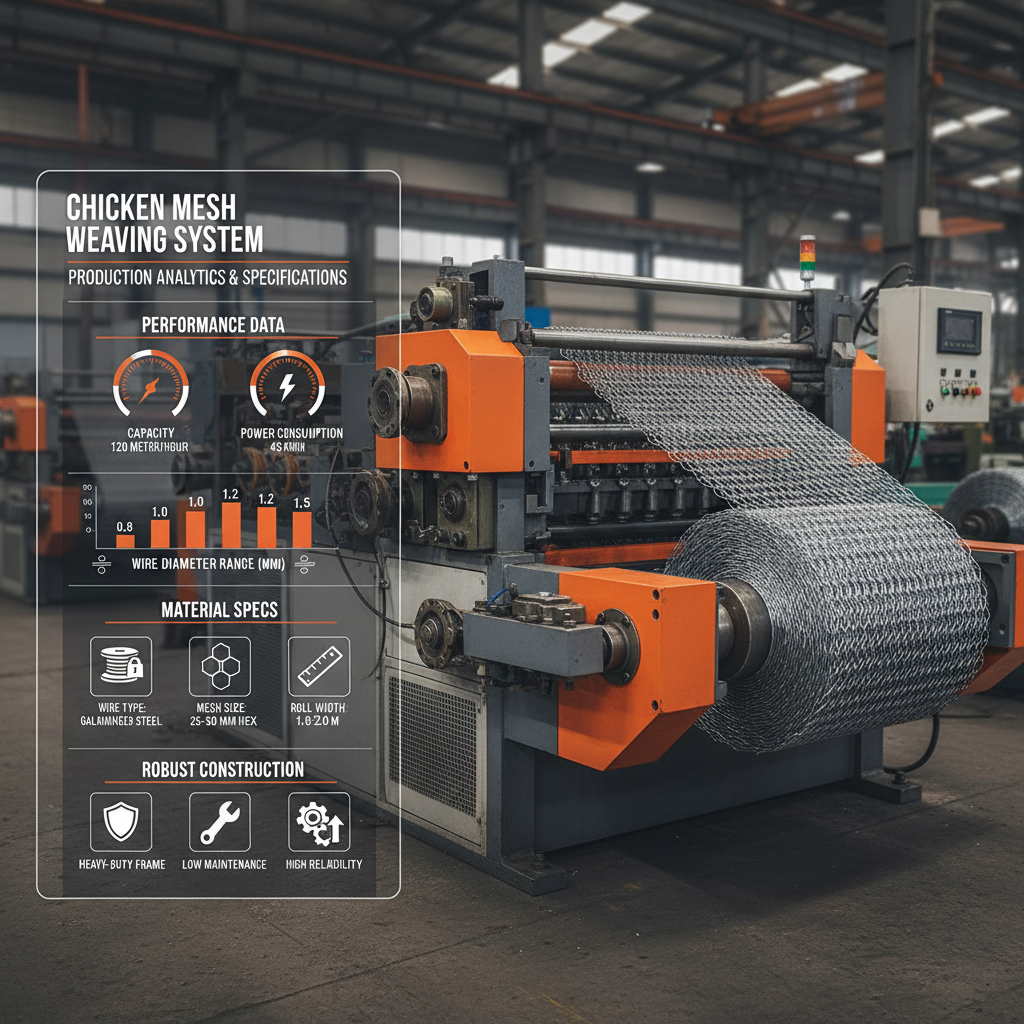
The chicken mesh making machine industry is continually evolving. Current trends include the development of more energy-efficient machines, the integration of smart sensors for real-time monitoring and control, and the use of advanced materials to enhance mesh durability. Manufacturers are also focusing on improving machine safety features and reducing maintenance requirements. The trend towards automation is expected to continue, leading to even greater efficiency and productivity in chicken mesh production. Mesh Machinery is committed to staying at the forefront of these innovations.
Investing in a high-quality chicken mesh making machine is crucial for businesses seeking to meet the demands of the poultry industry. By carefully considering factors such as production capacity, wire compatibility, and machine maintenance, you can select a machine that delivers optimal performance and long-term value. Mesh Machinery offers a wide range of solutions to suit your specific needs, coupled with expert support and reliable service.
Most chicken mesh making machines are designed to handle galvanized steel wire, which is the most common material used for poultry netting due to its corrosion resistance. However, many machines can also process PVC-coated wire for added durability and aesthetic appeal. Some advanced machines can even handle stainless steel wire for specialized applications. It's essential to check the machine's specifications to ensure compatibility with your desired wire type. Mesh Machinery machines are versatile and adaptable to various wire materials.
The production speed of a fully automatic chicken mesh making machine varies depending on factors such as mesh size, wire diameter, and machine configuration. However, a typical machine can produce anywhere from 30 to 60 meters of mesh per hour. Some high-speed models can even achieve production rates of up to 80 meters per hour. The consistent speed and minimal labor requirement make fully automatic machines ideal for large-scale production facilities. Mesh Machinery offers machines tailored to diverse production demands.
Regular maintenance is essential for ensuring the longevity and optimal performance of a chicken mesh making machine. This includes lubricating moving parts, cleaning the machine to remove dust and debris, inspecting wires and components for wear and tear, and tightening any loose bolts or screws. It's also important to follow the manufacturer's recommended maintenance schedule and use genuine spare parts. Mesh Machinery provides comprehensive maintenance support and readily available spare parts.
Safety is paramount when operating any machinery. Look for features such as emergency stop buttons, safety guards around moving parts, and overload protection systems. The machine should also have clear safety instructions and warning labels. Proper training for operators is also crucial to prevent accidents. Mesh Machinery prioritizes safety and incorporates these features into its machine designs.
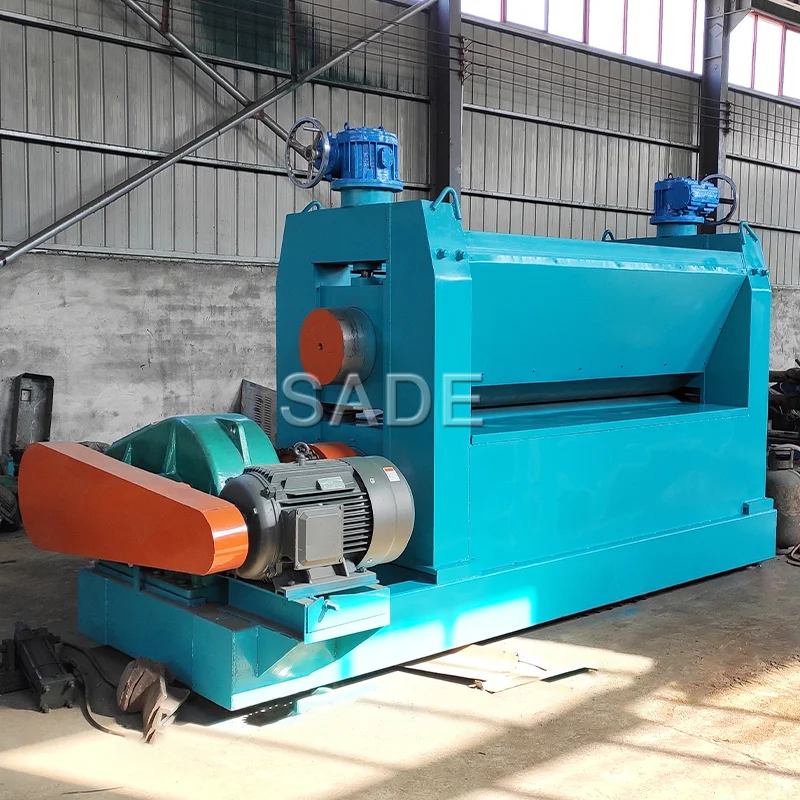
ZPJ Metal Mesh Flatting Machine
ZPJ metal mesh flatting machine is special designed for expanded metal flatting.It’s a corollary equipment of expanded metal machine. It can make expanded wire-mesh smoothly.And the flattened expanded metal have much more widely different applications.
Apr 24, 2026
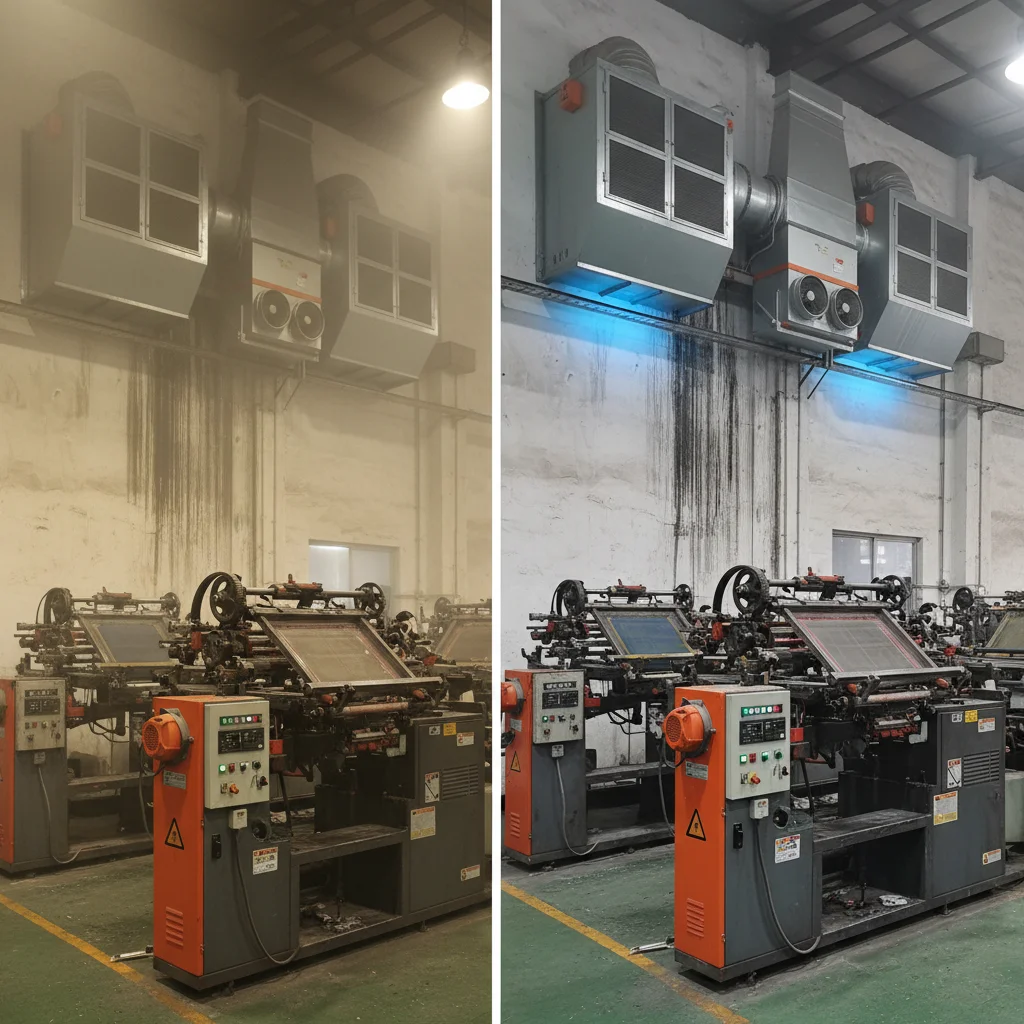
Industrial Wall Mounted Air Filtration for Clean Work Environments