
• Home
  • Top Blog
  • Industrial Mesh Production and medical oxygen generator machine
0%

Table of Contents

The global industrial landscape is witnessing a significant shift toward specialized machinery that enhances structural integrity and operational safety. In the realm of heavy-duty manufacturing, the demand for high-precision equipment that can process diverse metals into durable meshes has become paramount for infrastructure and energy sectors.

Achieving the right balance between material thickness and production speed is the primary challenge for manufacturers today. Whether dealing with low carbon steel or complex aluminum magnesium alloys, the ability to produce heavy expanded metal mesh with consistent specifications ensures the safety of walking roads, oil tanks, and maritime platforms.

While some may search for unrelated specialized equipment like a medical oxygen generator machine, the true necessity in industrial construction lies in the precision of mesh weaving and welding technology. Understanding the technical parameters of expanded metal machinery is essential for engineers aiming to optimize heavy model equipment and civil architecture.

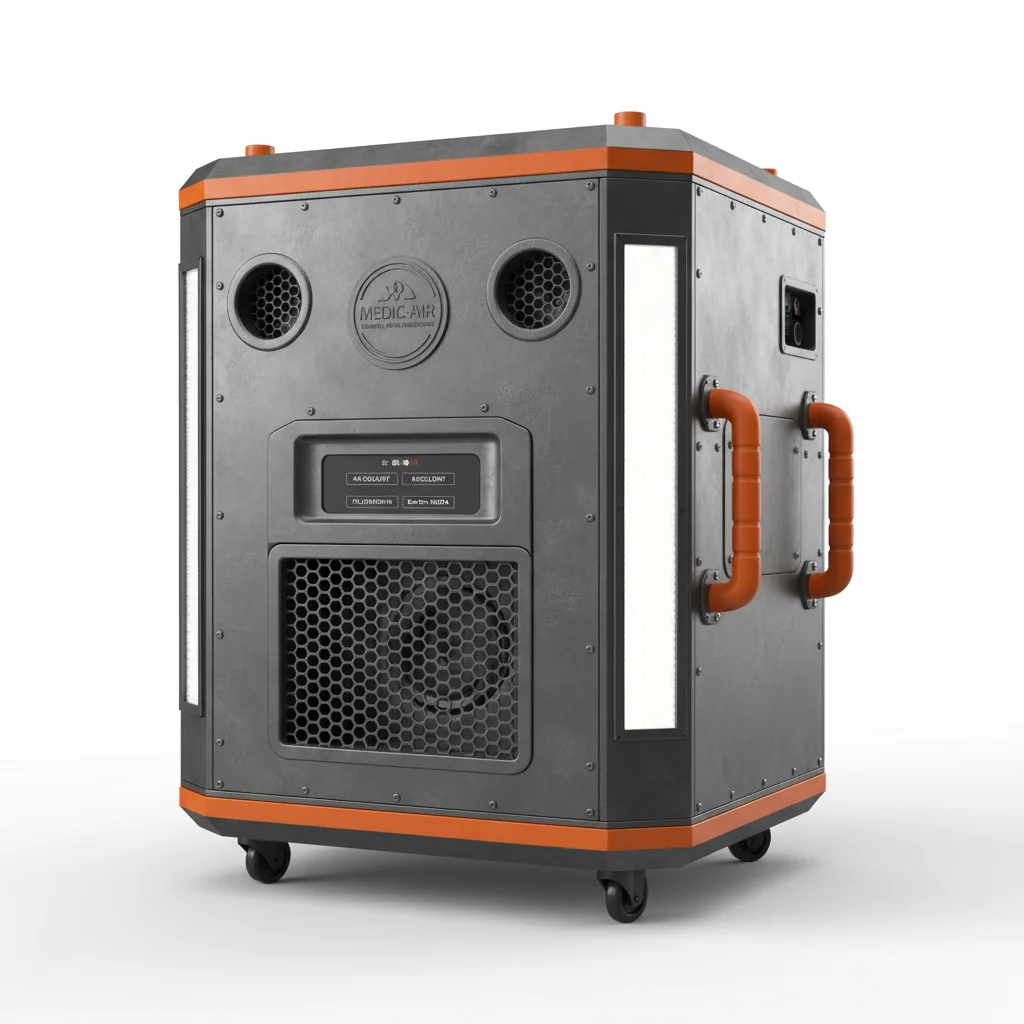
medical oxygen generator machine

Material Compatibility and Versatility

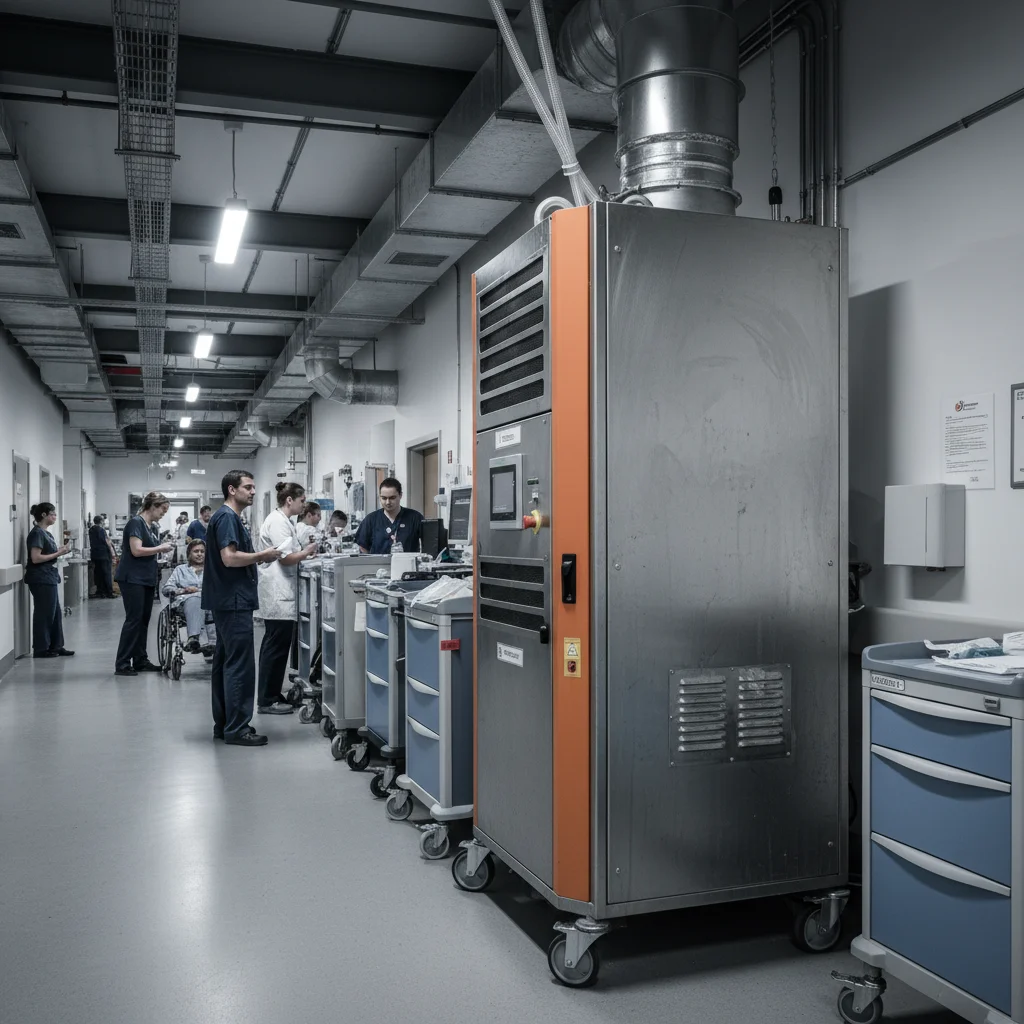
medical oxygen generator machine

The versatility of modern mesh machinery is defined by its ability to handle a wide spectrum of materials. From low carbon steel sheets for basic industrial use to stainless steel and copper sheets for corrosive environments, the equipment must maintain precision across varying hardness levels.

Furthermore, the inclusion of aluminum magnesium alloy and nickel sheets allows for the production of lightweight yet high-strength meshes. This adaptability ensures that the resulting expanded metal can meet the rigorous standards of diverse global engineering projects.

Industrial Applications of Expanded Metal

Heavy expanded metal mesh serves as a critical component in the construction of high-load environments. It is extensively used as step mesh for oil tanks and working platforms, where slip resistance and load-bearing capacity are non-negotiable for worker safety.

In the transportation sector, these materials are indispensable for corridor and walking roads in heavy model equipment, big ships, and automobile vehicles. The open-grid structure allows for drainage and ventilation while maintaining structural rigidity.

Beyond heavy industry, the application extends to civil architecture, roads, and railways. The strength-to-weight ratio of expanded metal makes it an ideal choice for reinforcement and protective screening in large-scale public infrastructure.

Technical Parameters and Operational Efficiency

Optimizing the production of expanded metal requires a deep dive into the technical specifications of the machinery. For instance, the LN25-260 model provides a material thickness range of 0.3mm to 10.0mm, allowing for a broad spectrum of mesh densities.

When comparing industrial tools, some may look for a medical oxygen generator machine for health facilities, but for the factory floor, the focus is on motor power and feeding distance. A 30kw motor power ensures the machine can pierce through thick stainless steel without losing speed.

The maximum net width options of 2000mm, 2500mm, or 3200mm provide manufacturers with the flexibility to produce wide-format sheets. This scalability is essential for reducing joints in large platform installations, thereby increasing the overall safety of the structure.

Performance Metrics for Heavy Duty Equipment

Efficiency in mesh production is measured by the working speed and the precision of the Long Way of Mesh (LWD). With a working speed of 45 times per minute, the LN25-260 achieves a high throughput without compromising the integrity of the expanded apertures.

The feeding distance, adjustable from 0 to 20mm, allows for precise control over the mesh pattern. This granularity is what separates industrial-grade mesh from generic gratings, ensuring that every square centimeter of the metal sheet is utilized optimally.

Equipment Performance Rating for Mesh Production

Structural Advantages in Civil Architecture

In the context of modern urban development, expanded metal offers a unique combination of aesthetic appeal and structural strength. It is frequently used in facade cladding and security fencing where ventilation and visibility are required alongside high impact resistance.

The ability to process materials like aluminum and stainless steel ensures that these architectural elements remain rust-free and durable over decades. This reduces maintenance costs for city councils and private developers in coastal or humid climates.

Integration in Petroleum and Mining Sectors

The petroleum and mining industries operate in some of the harshest environments on earth. Heavy expanded metal mesh is used to create secure walkways and equipment platforms that can withstand the weight of heavy machinery and the corrosive effects of chemical spills.

Safety is the primary driver in these sectors. By utilizing meshes produced with a max LWD of 400mm, engineers can create surfaces that prevent the accumulation of debris and oil, significantly reducing the risk of workplace accidents.

Moreover, the use of nickel and stainless steel sheets prevents the rapid degradation of platforms in mine wells. This long-term reliability ensures that operational downtime is minimized and infrastructure lifespan is maximized.

Strategic Value of Mesh Manufacturing

Investing in high-capacity mesh weaving and welding machinery provides a strategic advantage in the global supply chain. The ability to produce a wide variety of mesh widths and thicknesses in-house allows manufacturers to respond quickly to custom project requirements.

From a cost-efficiency perspective, the automated feeding and high-speed operation of the LN25-260 reduce labor costs and material waste. This makes the production of expanded metal more sustainable and economically viable for large-scale infrastructure projects.

Ultimately, the synergy between material science and mechanical engineering drives innovation in this field. As we move toward smarter cities and more robust industrial zones, the role of precision mesh manufacturing will only grow in importance.

Comparative Analysis of LN25-260 Technical Specifications

Parameter Specification Range Industrial Impact Performance Score
Material Thickness 0.3-10.0 mm High Versatility 9/10
Max Net Width Up to 3200 mm Reduced Seams 8/10
Working Speed 45 times/min High Throughput 8/10
Motor Power 30 kw Heavy Duty Capacity 10/10
Feeding Distance 0-20 mm Pattern Precision 9/10
Max LWD 400 mm Structural Strength 7/10

FAQS

Which materials are best for heavy expanded metal mesh?

For heavy-duty applications, low carbon steel and stainless steel are the most common choices due to their strength. However, for environments requiring high corrosion resistance, aluminum magnesium alloy or nickel sheets are recommended to ensure longevity and structural integrity.

How does motor power affect the quality of the mesh?

Motor power, such as the 30kw found in the LN25-260, is critical for maintaining consistent pressure and speed when processing thicker materials (up to 10mm). Insufficient power can lead to uneven apertures or machine stalling, which compromises the structural safety of the final product.

What is the significance of the feeding distance in production?

The feeding distance (0-20mm) determines the size and spacing of the expanded holes. By adjusting this parameter, manufacturers can customize the mesh for specific needs, such as high-grip walking surfaces for oil tanks or lightweight decorative panels for civil architecture.

Can this machinery produce mesh for big ships and maritime use?

Yes, the machinery is specifically designed to process materials like stainless steel and aluminum magnesium alloy, which are essential for maritime environments. The resulting heavy expanded metal is ideal for corridors and walking roads on large vessels due to its durability and drainage capabilities.

Is the LN25-260 suitable for small-scale workshops?

The LN25-260 is a high-capacity industrial machine with a 30kw motor and widths up to 3200mm. While it can be used in smaller shops, it is primarily designed for medium to large-scale production facilities that require high throughput and the ability to handle heavy-gauge metals.

How does expanded metal compare to welded mesh for oil tanks?

Expanded metal is often preferred for oil tank step mesh because it is created from a single sheet of metal, meaning there are no welds to fail under stress or corrode. This provides a more seamless, durable, and cost-effective solution for heavy-duty industrial platforms.

Conclusion

The production of heavy expanded metal mesh is a cornerstone of industrial safety and architectural innovation. By utilizing advanced machinery like the LN25-260, which offers exceptional material versatility from low carbon steel to nickel sheets and impressive technical parameters, industries can ensure the longevity of their infrastructure. From the depths of mine wells to the decks of big ships, the precision and strength of this mesh are indispensable.

As we look toward the future, the integration of more sustainable materials and automated control systems will continue to refine the mesh manufacturing process. For companies seeking to enhance their structural capabilities and operational efficiency, investing in high-precision mesh equipment is a strategic necessity. Visit our website: www.meshmachinery.com
Robert Johnson

Robert Johnson

Robert Johnson serves as the International Sales Manager for North America at Hebei Sade Machine Manufacturing Co., Ltd. With a strong background in industrial machinery sales, Robert has been instrumental in expanding Sade Machine’s presence in the US and Canadian markets. He joined the company five years ago and has consistently exceeded sales targets, building strong relationships with key distributors and end-users. Robert's expertise lies in understanding the unique needs of North American clients and tailoring our solutions – from plain weave to dutch weave machines – to their specific requirements. He is often featured in our news releases discussing market trends and customer success stories. He has a Bachelor's degree in Business Administration from Arizona State University.
Previous Advanced Medical Oxygen Generator for Reliable Healthcare Supply
Next High Efficiency Oxygen Concentrator Generator Industrial Precision