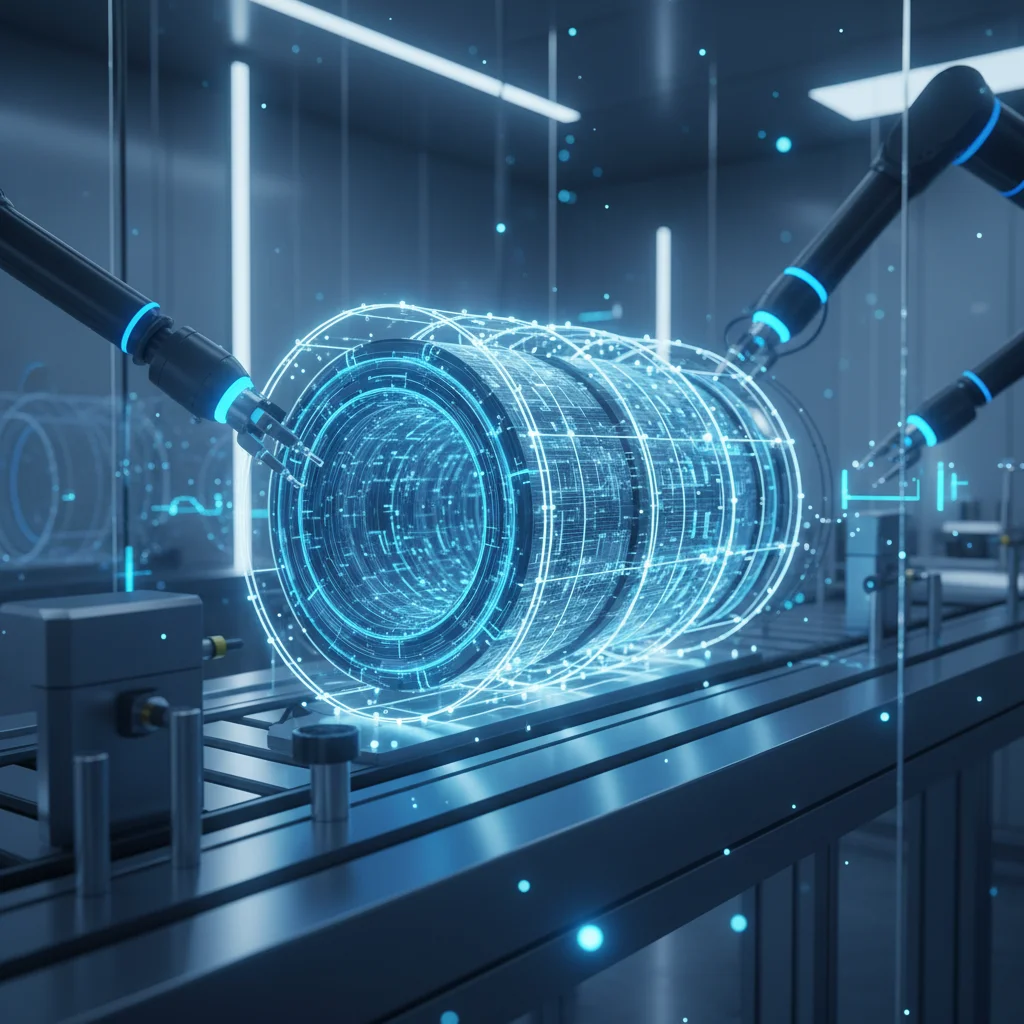
The global demand for reliable respiratory support has catalyzed a significant shift toward on-site oxygen production. A medical oxygen generator represents a pinnacle of modern engineering, allowing healthcare facilities to move away from the logistical burdens of cylinder deliveries and toward a sustainable, autonomous supply chain. This transition is not merely about convenience but about ensuring a constant, life-saving flow of oxygen regardless of external supply chain disruptions.
From a technical perspective, these systems utilize Pressure Swing Adsorption (PSA) technology to extract pure oxygen from the surrounding atmosphere. By integrating advanced molecular sieves and precision control systems, a medical oxygen generator can provide high-purity oxygen tailored to the specific needs of hospitals, clinics, and emergency response units. This autonomy reduces the risk of shortage during health crises and lowers the long-term operational costs associated with gas procurement.
Understanding the intricacies of this technology is essential for healthcare administrators and engineers seeking to optimize patient care. By implementing a high-quality medical oxygen generator, facilities can achieve a higher standard of reliability and safety, ensuring that critical care units are always equipped with the necessary resources to save lives.

Global Relevance of Oxygen Generation Systems
On a global scale, access to medical-grade oxygen is recognized by the World Health Organization (WHO) as an essential medicine. In many developing regions, the reliance on imported liquid oxygen or heavy cylinders creates a precarious dependency on transportation infrastructure. When roads are blocked or supply chains collapse, the lack of a localized medical oxygen generator can lead to catastrophic outcomes in critical care wards.
The shift toward on-site generation is driven by the need for health security and resilience. By decentralizing the production of oxygen, countries can better manage pandemic-level surges in patient numbers and ensure that rural clinics have the same capabilities as urban hospitals. This democratization of medical resources is key to reducing global mortality rates associated with respiratory failure.
Defining the Medical Oxygen Generator
A medical oxygen generator is a sophisticated piece of industrial equipment designed to produce high-purity oxygen directly from ambient air. Unlike traditional oxygen cylinders, which store gas under immense pressure, these generators use a process called Pressure Swing Adsorption (PSA). This involves passing compressed air through a zeolite molecular sieve that selectively traps nitrogen molecules, allowing a concentrated stream of oxygen to pass through for medical use.
In the context of modern industry, these devices represent the intersection of chemical engineering and healthcare. They are not merely "machines" but integrated systems that include air compressors, filtration units, drying systems, and storage tanks. The goal is to provide a continuous, sterile, and regulated flow of oxygen that meets strict international pharmacopeia standards.
For humanitarian needs, the medical oxygen generator serves as a lifeline in remote areas where the logistics of transporting liquid oxygen are impossible. By turning the air we breathe into a medical resource, these systems provide a sustainable solution for long-term healthcare infrastructure, ensuring that oxygen therapy is always available to the patient.
Core Components and Engineering Factors
The efficiency of a medical oxygen generator depends heavily on the quality of its internal components. Durability is a primary factor, as these systems are often required to run 24/7 without interruption. The use of high-grade stainless steel for piping and corrosion-resistant alloys for the pressure vessels ensures that the system can withstand the rigors of constant pressure cycling over many years.
Scalability is another critical engineering aspect. A medical oxygen generator must be designed to accommodate the growth of a facility, whether it is a small private clinic or a multi-wing regional hospital. This is achieved through modular designs that allow for the addition of more PSA towers or increased compressor capacity without requiring a complete overhaul of the existing infrastructure.
Finally, cost efficiency and purity control are the metrics by which these systems are judged. Modern control systems, often utilizing PLC (Programmable Logic Controllers), monitor the oxygen concentration in real-time. If the purity drops below the required medical threshold, the system can automatically vent the gas, ensuring that patients only receive oxygen that meets safety standards.
Global Applications and Use Cases
The real-world application of a medical oxygen generator varies significantly across different environments. In urban tertiary hospitals, these systems are integrated into the central piping network, feeding oxygen directly to bedside outlets in ICUs and operating theaters. This eliminates the need for manual cylinder changes, reducing the risk of human error and increasing the speed of care delivery.
In more challenging contexts, such as post-disaster relief operations or remote industrial zones, mobile medical oxygen generators are deployed. These compact, containerized units can be airlifted or trucked into a region and begin producing medical-grade oxygen within hours of installation, providing an immediate surge capacity for field hospitals.
Performance Metrics of Different Medical Oxygen Generator Types
Long-Term Value and Sustainability
The long-term value of investing in a medical oxygen generator extends beyond simple financial savings. While the initial capital expenditure may be higher than buying cylinders, the cost per cubic meter of oxygen produced on-site is a fraction of the cost of purchased gas. This allows healthcare providers to reallocate funds toward other critical patient care services and medical staffing.
From a sustainability perspective, on-site generation drastically reduces the carbon footprint associated with the transport and logistics of heavy gas cylinders. By eliminating the constant movement of trucks between the production plant and the hospital, facilities contribute to a greener healthcare ecosystem while enhancing their own operational reliability and safety.
Future Trends in Oxygen Technology
The future of oxygen production is leaning heavily toward digital transformation and automation. We are seeing the rise of "Smart" medical oxygen generators equipped with IoT sensors that can predict component failure before it happens. These predictive maintenance systems allow technicians to replace filters or valves during scheduled downtimes, ensuring that the oxygen supply is never interrupted.
Integration with green energy is another burgeoning trend. Solar-powered oxygen generators are being developed for off-grid clinics in Africa and Southeast Asia, removing the dependence on unstable power grids. By coupling PSA technology with photovoltaic arrays and battery storage, oxygen production becomes truly autonomous and environmentally neutral.
Furthermore, advancements in material science are leading to the development of more efficient zeolite molecular sieves. These new materials can adsorb nitrogen more effectively at lower pressures, which reduces the energy consumption of the compressor and increases the overall purity of the output, making the medical oxygen generator even more efficient.
Overcoming Operational Challenges
Despite the benefits, operating a medical oxygen generator comes with specific challenges, most notably the requirement for consistent power and clean intake air. In dusty or humid environments, air filters can clog rapidly, leading to a drop in purity. The solution lies in the implementation of multi-stage filtration and high-capacity refrigerated dryers that ensure only pure, dry air enters the PSA towers.
Another common limitation is the need for skilled personnel to manage the system. Many facilities struggle with the technical overhead of maintaining a PSA plant. To overcome this, manufacturers are shifting toward "plug-and-play" designs and remote monitoring services, where the manufacturer can diagnose issues from thousands of miles away via a cloud connection.
Finally, ensuring strict adherence to medical purity standards requires rigorous testing. By integrating automated purity analyzers that provide a digital log of oxygen concentration every second, hospitals can guarantee that their medical oxygen generator is performing within the legal and clinical parameters required for patient safety.
Comparison of Operational Efficiency and Maintenance Requirements
| System Scale |
Energy Consumption |
Maintenance Frequency |
Reliability Score (1-10) |
| Compact Portable |
Low |
Monthly |
7 |
| Clinic-Level PSA |
Medium |
Quarterly |
8 |
| Hospital Central |
High |
Semi-Annual |
9 |
| Regional Plant |
Very High |
Annual |
10 |
| Field Emergency |
Medium |
Bi-Weekly |
6 |
| Hybrid Solar PSA |
Ultra-Low |
Quarterly |
8 |
FAQS
While both use PSA technology, an oxygen concentrator is typically a small, portable device for a single patient. A medical oxygen generator is an industrial-scale system designed to supply an entire facility or a group of patients through a centralized piping network, offering much higher flow rates and stability.
With proper maintenance, a high-quality generator can operate for 10 to 20 years. The primary wear-and-tear components, such as air filters and compressor oil, require regular changes, while the zeolite molecular sieves may need replacement every 5 to 10 years depending on the air quality.
Yes, provided the system is equipped with an industrial-grade air dryer and moisture separators. Humidity can damage the zeolite sieves, so ensuring the intake air is properly dried is critical for maintaining oxygen purity and extending the machine's lifespan.
The maintenance cost is significantly lower than the recurring cost of purchasing oxygen cylinders. Most expenses involve electricity and periodic replacement of filters and seals. The long-term ROI is generally very high due to the elimination of gas procurement and delivery fees.
Professional installations always include backup power sources, such as diesel generators or UPS systems. Additionally, they maintain a reserve oxygen storage tank that can provide several hours of oxygen to patients while the primary power is being restored.
Systems are equipped with integrated oxygen analyzers that monitor the concentration in real-time. These sensors ensure the purity remains between 93% and 95% (standard for medical grade). Any deviation triggers an alarm and automatically diverts the impure gas away from the patient line.
Conclusion
The transition to on-site oxygen production via a medical oxygen generator marks a critical evolution in healthcare infrastructure. By integrating advanced PSA technology with robust industrial engineering, medical facilities can eliminate their dependence on volatile supply chains, reduce operational costs, and most importantly, ensure an unwavering supply of life-saving oxygen. The combination of scalability, sustainability, and reliability makes these systems indispensable for modern clinical settings.
Looking forward, the integration of AI-driven maintenance and renewable energy will further refine the efficiency of oxygen generation. We encourage healthcare administrators and engineers to prioritize the adoption of these autonomous systems to build more resilient health networks. For more information on high-performance industrial solutions, visit our website: www.meshmachinery.com.