
• Home
  • Top Blog
  • Advanced Hospital Air Purification Systems for Enhanced Patient Safety and Infection Control
0%

Table of Contents

Hospital air purification systems are becoming increasingly vital in modern healthcare facilities. The proliferation of airborne pathogens, coupled with a growing understanding of the impact of indoor air quality on patient recovery, has driven demand for advanced filtration and sterilization technologies. These systems are no longer simply about removing dust; they're about preventing healthcare-associated infections (HAIs), protecting immunocompromised patients, and ensuring a safe environment for both staff and visitors. The global healthcare landscape demands robust, reliable, and effective hospital air purification system solutions.

The significance of hospital air purification extends beyond infection control. Indoor air quality directly impacts respiratory health, surgical outcomes, and overall patient well-being. According to the World Health Organization, millions of deaths annually are linked to air pollution, and a significant portion of this exposure occurs indoors. Investing in advanced air purification isn't just a matter of compliance with regulations (like those from ISO standards); it's an investment in patient safety, improved clinical outcomes, and reduced healthcare costs.

The need for effective hospital air purification systems is especially acute in densely populated urban areas and regions with high levels of outdoor air pollution. Emerging infectious diseases, like those experienced in recent years, have further underscored the critical role these systems play in maintaining public health and safeguarding healthcare infrastructure.
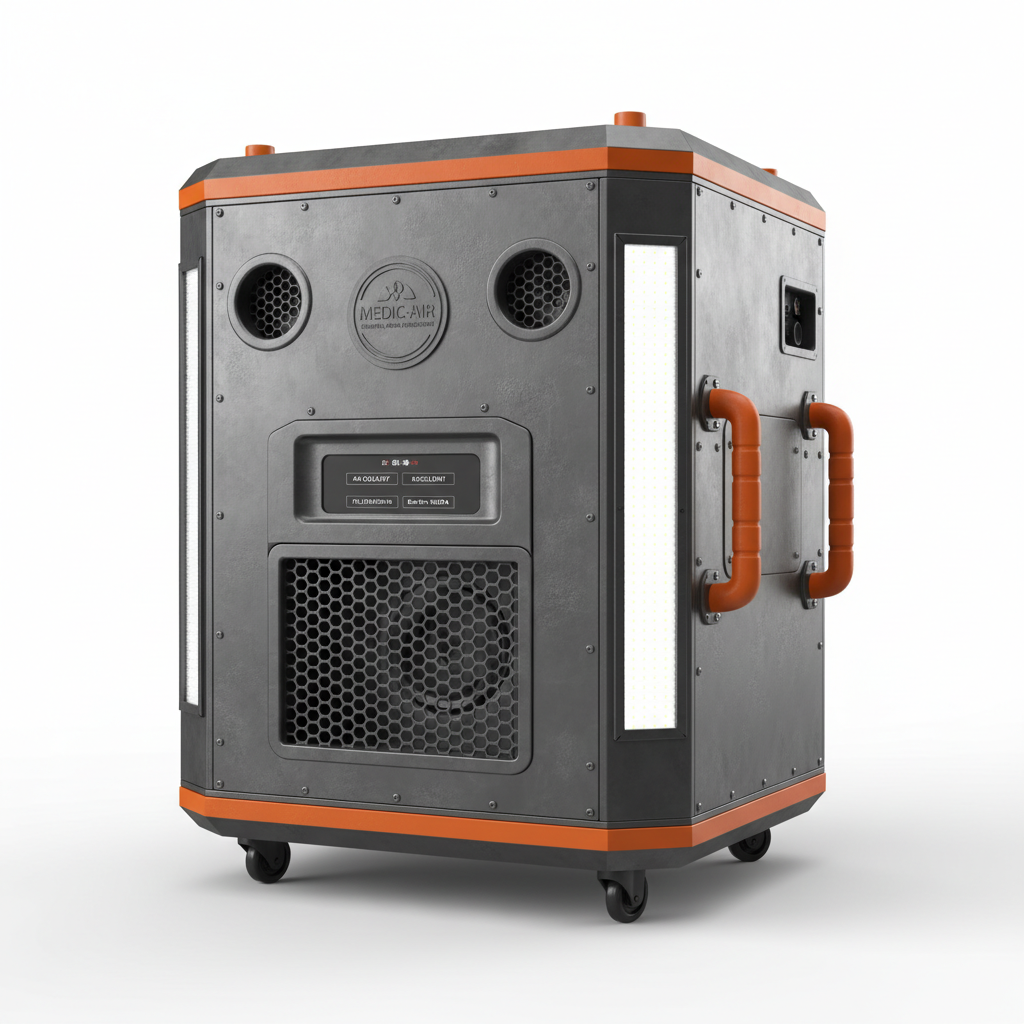
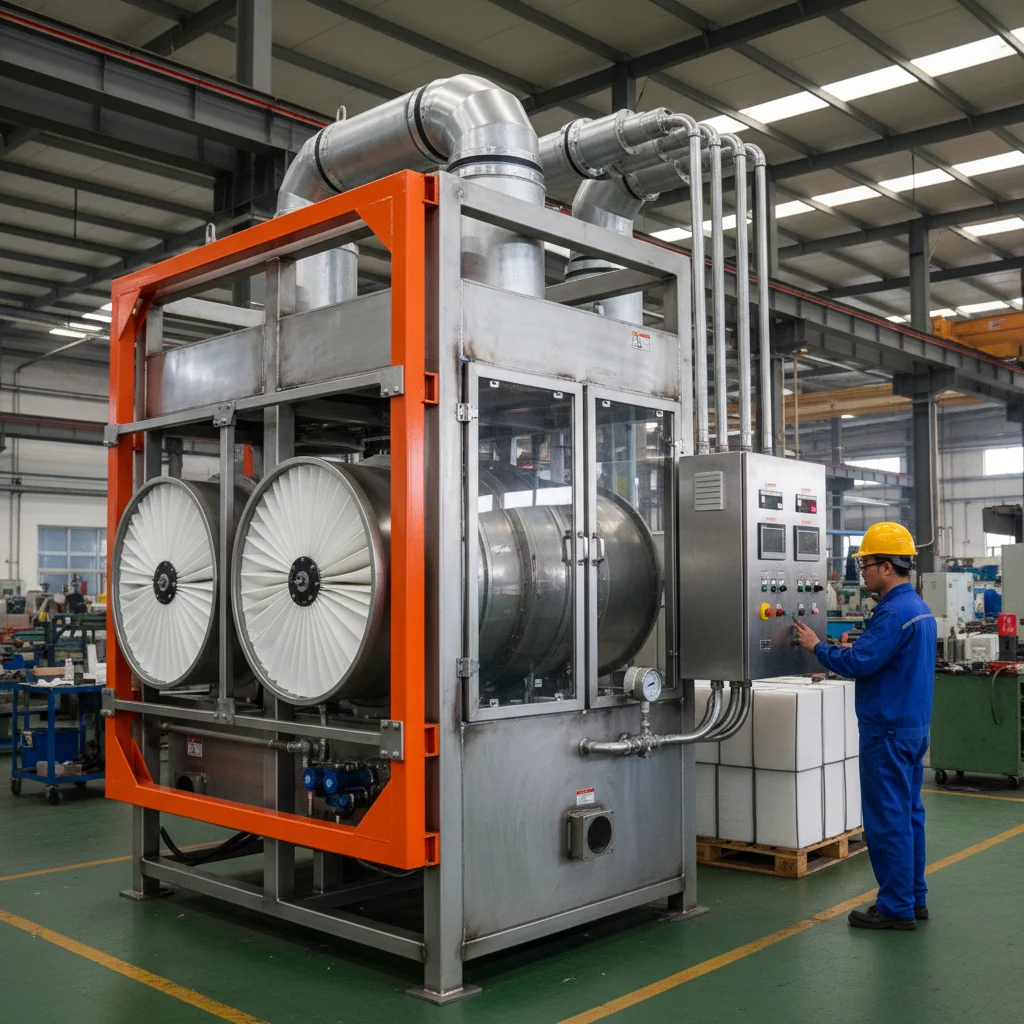
hospital air purification system

The Importance of Hospital Air Purification Systems

hospital air purification system

Hospitals are uniquely vulnerable to airborne contaminants. A high concentration of patients, many of whom are immunocompromised, coupled with frequent movement of staff and visitors, creates an environment conducive to the spread of infectious agents. Hospital air purification systems are therefore a cornerstone of infection prevention and control strategies.

Effective air purification not only reduces the risk of HAIs, but also contributes to a more comfortable and healing environment for patients. Minimizing dust, allergens, and volatile organic compounds (VOCs) can improve respiratory function and reduce symptoms for patients with pre-existing conditions.

Defining Hospital Air Purification Systems

A hospital air purification system encompasses a range of technologies designed to remove contaminants from the air within a healthcare facility. These contaminants can include bacteria, viruses, fungi, dust, pollen, smoke, and VOCs. The system typically involves a combination of filtration, sterilization, and air circulation.

These systems aren’t merely about cleaning air; they’re about creating a controlled environment that minimizes the risk of airborne transmission of disease. They’re intrinsically linked to the modern demands of healthcare, responding to needs that extend from standard infection control to specialized requirements for operating rooms and isolation wards.

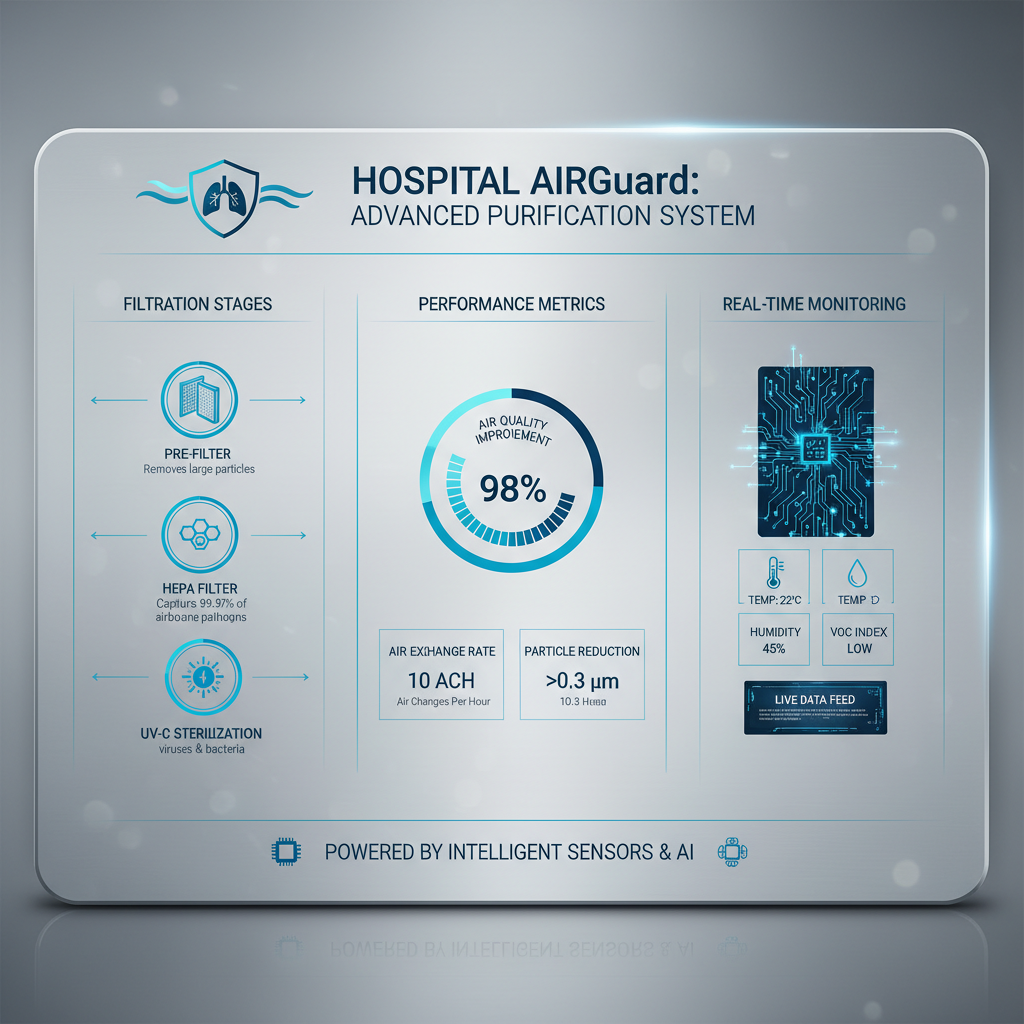
The efficacy of a hospital air purification system is determined by its ability to capture and remove particles of varying sizes, as well as to neutralize airborne pathogens. This is commonly achieved through technologies like HEPA filters, UV-C sterilization, and activated carbon filtration.

Key Factors in Hospital Air Purification

Filtration Efficiency: The ability of the system to remove particles of different sizes is paramount. HEPA filters are the industry standard for removing at least 99.97% of particles 0.3 microns in diameter.

Air Exchange Rate (AER): This refers to the number of times the air in a room is completely replaced per hour. A higher AER generally indicates better air quality, but must be balanced with energy efficiency considerations. Hospital guidelines often specify minimum AER requirements for different areas.

Sterilization Technology: UV-C sterilization is commonly used to neutralize airborne pathogens. However, the effectiveness of UV-C depends on factors like wavelength, intensity, and exposure time. Proper design and maintenance are crucial.

Global Applications and Use Cases

Hospital air purification systems are essential in a wide range of healthcare settings globally, including general hospitals, specialized clinics, operating rooms, isolation wards, and intensive care units. The specific requirements vary depending on the application.

In regions with high levels of air pollution, such as many parts of Asia and Latin America, hospitals often implement advanced air purification systems to protect patients from outdoor contaminants. Similarly, in areas with a high prevalence of infectious diseases, such as certain parts of Africa, these systems are crucial for controlling the spread of airborne pathogens.

Beyond traditional hospitals, these systems are finding increasing use in dental offices, pharmaceutical manufacturing facilities, and even long-term care facilities. In post-disaster relief operations, portable air purification units are often deployed to create safe environments in temporary healthcare facilities.

Hospital Air Purification System Performance Metrics

Advantages and Long-Term Value

Investing in a robust hospital air purification system offers tangible benefits, including reduced HAIs, improved patient outcomes, and lower healthcare costs associated with treating infections. The cost savings from preventing even a small number of infections can quickly offset the initial investment.

Beyond the financial aspects, there’s a significant social impact. Protecting patients and healthcare workers from airborne contaminants fosters a sense of safety and trust. Furthermore, adopting innovative air purification technologies demonstrates a commitment to quality care and patient well-being.

Future Trends and Innovations

The field of hospital air purification is constantly evolving. Emerging trends include the development of more energy-efficient filtration systems, the integration of smart sensors and data analytics to optimize performance, and the use of advanced materials with enhanced antimicrobial properties.

There is growing interest in combining multiple technologies, such as HEPA filtration with photocatalytic oxidation (PCO) and bipolar ionization, to achieve synergistic effects. The integration of air purification systems with building management systems (BMS) will allow for real-time monitoring and control of air quality throughout the facility.

Challenges and Solutions

One common challenge is the cost of maintaining and replacing filters in air purification systems. Regular filter changes are crucial for optimal performance, but can be expensive and time-consuming. Solutions include exploring longer-lasting filter materials and implementing automated filter replacement schedules.

Another challenge is ensuring adequate airflow and distribution of purified air throughout the facility. Poorly designed HVAC systems can negate the benefits of even the most advanced air purification technology. Proper system design and commissioning are essential.

Finally, the selection of the appropriate hospital air purification system for a specific application requires careful consideration of factors like room size, occupancy levels, and the types of contaminants present. Consulting with air quality experts is highly recommended.

Key Analysis Dimensions for Hospital Air Purification System Challenges

Challenge Area Severity (1-10) Potential Solutions Implementation Cost (USD)
Filter Replacement Costs 7 Longer-lasting filters, automated scheduling 500-2000
Inadequate Airflow Distribution 8 HVAC system redesign, diffuser adjustments 2000-10000
Initial System Acquisition Cost 6 Phased implementation, leasing options 10000-50000
Maintenance & Servicing Complexity 5 Preventative maintenance contracts, staff training 500-1500/year
Limited Space for System Installation 4 Compact system designs, remote filtration units 1000-5000
Lack of Real-time Monitoring 7 Smart sensor integration, data analytics platforms 3000-15000

FAQS

What is the difference between HEPA and ULPA filters for hospital air purification?

While both HEPA (High-Efficiency Particulate Air) and ULPA (Ultra-Low Penetration Air) filters are highly effective, ULPA filters capture even smaller particles than HEPA filters – at least 99.999% of particles 0.12 microns in diameter versus 0.3 microns for HEPA. ULPA filters are typically used in more critical environments like operating rooms or cleanrooms where the highest level of air purity is required. The choice depends on the specific needs and risk assessment of the healthcare facility.

How often should filters in a hospital air purification system be replaced?

The frequency of filter replacement depends on several factors, including the type of filter, the level of air contamination, and the system’s usage. As a general guideline, HEPA filters should be replaced every 6-12 months, while pre-filters should be replaced more frequently (e.g., every 1-3 months). Regular monitoring of filter pressure drop is essential to determine when replacement is needed. Following manufacturer recommendations is crucial for maintaining optimal system performance.

What are the energy consumption considerations for hospital air purification systems?

Hospital air purification systems can consume significant energy, particularly those with high airflow rates and UV-C sterilization. Selecting energy-efficient filters, optimizing airflow settings, and using variable speed fans can help reduce energy consumption. Integrating the system with a building management system (BMS) allows for automated control and optimization based on occupancy and air quality data. Look for systems with Energy Star certification.

How does UV-C sterilization work in hospital air purification?

UV-C sterilization uses ultraviolet light with a wavelength of 254 nanometers to disrupt the DNA of airborne pathogens, rendering them unable to reproduce. Air is passed through a chamber containing UV-C lamps, which irradiate the microorganisms. Effective UV-C sterilization requires sufficient exposure time and intensity. It’s important to note that UV-C does not remove particles from the air; it only disinfects them.

What is the role of activated carbon filtration in hospital air purification?

Activated carbon filtration is used to remove odors, gases, and volatile organic compounds (VOCs) from the air. Activated carbon has a large surface area that adsorbs these contaminants. It’s particularly useful in hospitals to remove smells from cleaning agents, chemicals, and other sources. Activated carbon filters need to be replaced periodically as they become saturated.

What maintenance is required for hospital air purification systems?

Regular maintenance is crucial for optimal performance. This includes routine filter replacement, inspection of fans and motors, cleaning of UV-C lamps, and calibration of sensors. A preventative maintenance schedule should be established and followed. Record-keeping of maintenance activities is essential for tracking system performance and identifying potential issues.

Conclusion

Hospital air purification systems are no longer a luxury, but a necessity for modern healthcare facilities. By effectively removing airborne contaminants and protecting patients and staff, these systems contribute to improved clinical outcomes, reduced healthcare costs, and a safer, more comfortable environment. The key lies in selecting a system tailored to specific needs, implementing a robust maintenance program, and staying abreast of emerging technologies.

Looking ahead, we can expect to see further innovation in hospital air purification, driven by a growing awareness of the importance of indoor air quality and the increasing threat of airborne diseases. Investing in these technologies is an investment in the future of healthcare, ensuring that hospitals remain safe havens for those in need.

Robert Johnson

Robert Johnson

Robert Johnson serves as the International Sales Manager for North America at Hebei Sade Machine Manufacturing Co., Ltd. With a strong background in industrial machinery sales, Robert has been instrumental in expanding Sade Machine’s presence in the US and Canadian markets. He joined the company five years ago and has consistently exceeded sales targets, building strong relationships with key distributors and end-users. Robert's expertise lies in understanding the unique needs of North American clients and tailoring our solutions – from plain weave to dutch weave machines – to their specific requirements. He is often featured in our news releases discussing market trends and customer success stories. He has a Bachelor's degree in Business Administration from Arizona State University.
Previous Advancements in Air Purifier Medical Technologies for Enhanced Healthcare
Next Advancements in Healthcare Air Purifier Technology for Improved Air Quality