Industrial filtration has become an essential component of mining, petroleum, water treatment, food processing, and chemical production. As industries demand higher precision and efficiency, advanced filtration technologies have evolved to meet these rising expectations. Among these technologies, the wedge wire screen welding machine plays a crucial role, enabling manufacturers to produce high-precision filtration components used across global industrial applications. Meanwhile, the wedge wire screen machine and the concept of what is a wedge wire screen are becoming standard knowledge within engineering and manufacturing fields.
This comprehensive guide breaks down how wedge wire screens are made, explains how specialized welding equipment works, and explores the machine options available for different industrial needs.
Understanding What a Wedge Wire Screen Is and Why It Matters
Before exploring automated manufacturing machinery, it is important to understand what is a wedge wire screen and why it is used so widely across filtration industries.
What is a Wedge Wire Screen?
A wedge wire screen is a filtration element composed of V-shaped (or trapezoidal) wire profiles that are welded onto support rods. The narrow slot openings create a robust and efficient filtration surface. The unique “V” wire geometry allows liquid to pass through while preventing particles from clogging the media. This makes wedge wire screens ideal for continuous flow applications and backwash systems.
Knowing what is a wedge wire screen can help engineers specify filtration systems more effectively. These screens are used in industries such as:
1. Wastewater treatment
2. Oil and gas drilling
3. Sugar processing
4. Paper and pulp manufacturing
5. Food and beverage processing
6. Chemical processing
7. Architectural facade design
Their resistance to clogging, corrosion, and structural deformation allows them to outperform many traditional filtration solutions such as wire mesh or perforated plates.
Key Benefits of Wedge Wire Screens
Understanding what is a wedge wire screen also involves understanding its functional advantages:
1. High Strength and Durability: Stainless steel wedge wires withstand pressure and corrosion.
2. Non-Clogging Filtration: V-shape profile reduces debris buildup and promotes efficient flow.
3. Custom Slot Openings: Slot sizes can be tailored from microns to millimeters.
4. Versatile Shapes and Sizes: Screens can be made cylindrical, flat, conical, or curved.
5. Easy Cleaning and Maintenance: Smooth surfaces reduce downtime and operational cost.
Because of these advantages, wedge wire screens are considered a premium solution for demanding filtration and separation environments.
Types of Wedge Wire Screen Machines and Their Welding Technology
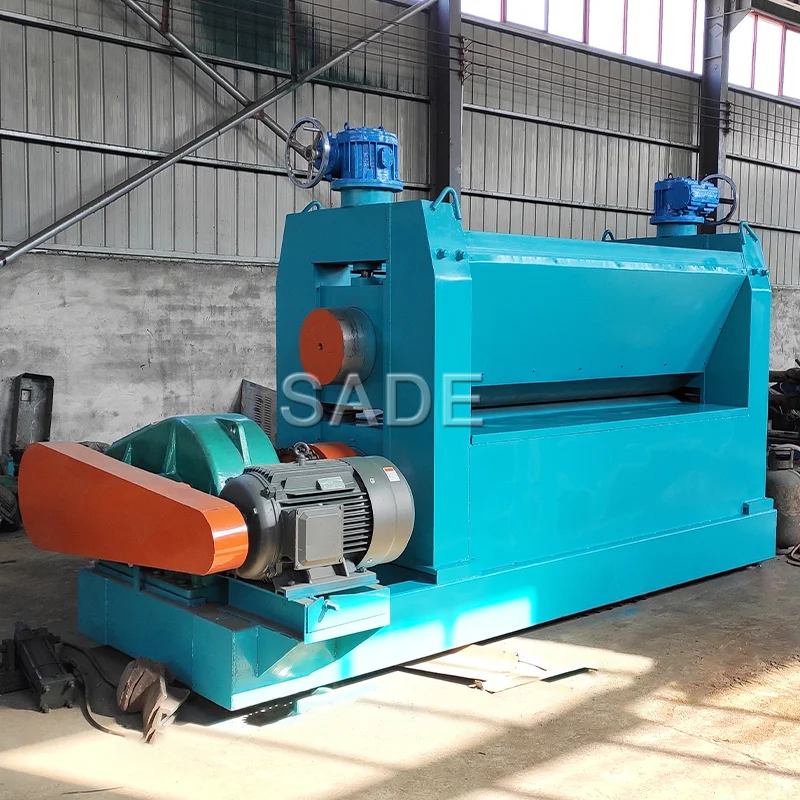
Producing wedge wire screens requires precision equipment capable of welding V-shaped wires to support rods with micrometer-level accuracy. This is where the wedge wire screen welding machine and the wedge wire screen machine come into play.
The Role of the Wedge Wire Screen Welding Machine
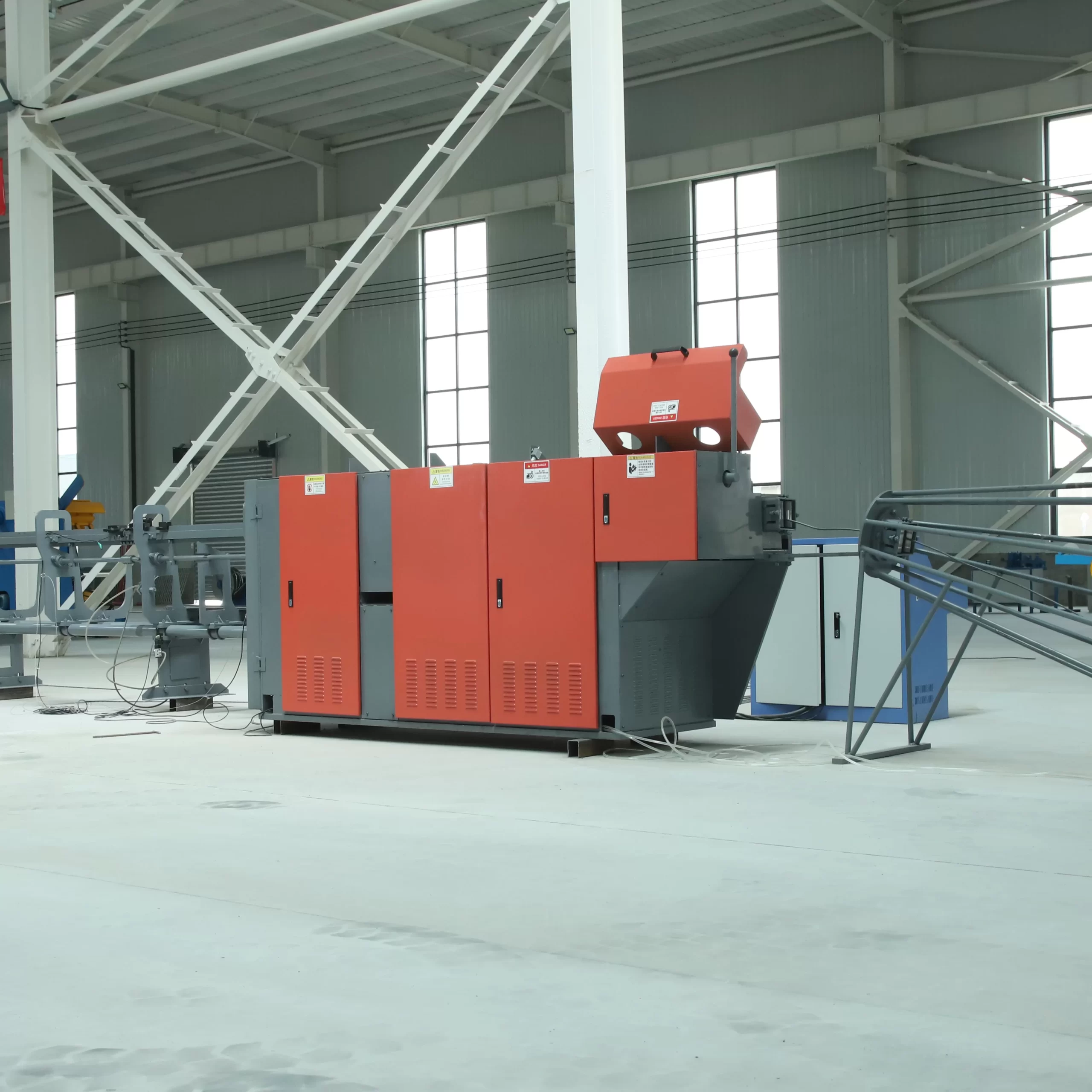
A wedge wire screen welding machine is engineered to bond wedge-shaped wire profiles onto longitudinal support rods using advanced resistance welding. During the welding process, the machine ensures continuous and uniform joints along the entire screen length, delivering a durable and leak-free filtration surface.
Key components of a high-quality wedge wire screen welding machine include:
1. Precision clamping mechanisms for wire alignment
2. Resistance welding control units
3. Motorized rotation (for cylindrical screens)
4. Slot spacing control systems
5. Programmable automation interfaces
These machines are typically used by metal processing factories, filtration equipment producers, and custom screen fabrication shops. Their functions ensure the screens meet strict dimensional tolerances required for industrial applications.
Features and Capabilities of a Wedge Wire Screen Machine
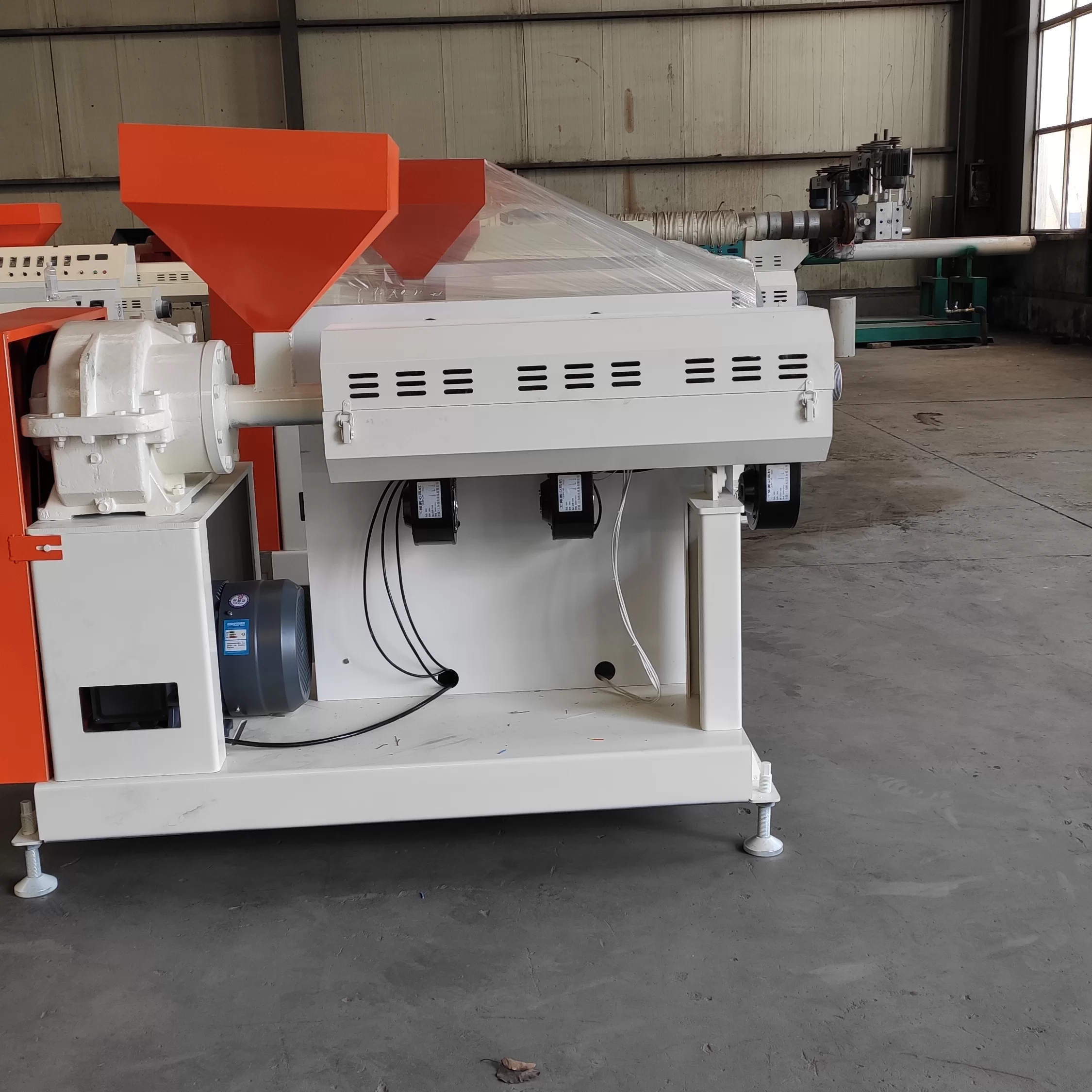
A wedge wire screen machine refers to the broader category of manufacturing systems that process wedge wire screens. Depending on the model, these machines can:
1. Weld cylindrical screens for filter cartridges
2. Create flat panel screens for sieving and screening
3. Produce conical or basket-shaped screening elements
4. Process stainless steel grades such as 304, 316L, and Duplex alloy
5. Adjust slot apertures with micrometer-level precision
Modern wedge wire screen machine models include fully automated robotic systems, CNC-controlled welding units, and customized fabrication modules for different industry needs.
Automation and Efficiency Improvements
Advancements in automation have transformed the wedge wire screen welding machine from a semi-manual device into a sophisticated production unit.
Some modern upgrades include:
1. Automatic wire feeding
2. Digital welding current control
3. Fault detection and sensor alarms
4. Servo motor accuracy adjustments
5. Touchscreen programming and recipe storage
Because of these improvements, a modern wedge wire screen machine can significantly reduce labor dependency while improving product consistency and yield rates.
Understanding what is a wedge wire screen provides valuable insight into modern industrial filtration systems. These screens offer exceptional durability, accuracy, and anti-clogging performance, making them indispensable in industries like water treatment, petrochemicals, and food processing. To meet global demand for high-quality filtration components, manufacturers rely on advanced machinery like the wedge wire screen welding machine and broader wedge wire screen machine systems. Together, these machines enable precise welding, automated production, and uniform quality, ultimately elevating the performance of critical industrial filtration processes.
FAQ
1. What is a wedge wire screen used for?
A wedge wire screen is used for filtration, separation, and sizing applications in industries such as water treatment, mining, food processing, and oil & gas.
2. What materials are wedge wire screens made from?
Most wedge wire screens are made from stainless steel such as 304 or 316L, offering corrosion resistance and structural durability.
3. What does a wedge wire screen welding machine do?
A wedge wire screen welding machine welds V-shaped wires onto support rods with precision, producing cylindrical or flat filtration screens.
4. How is a wedge wire screen machine different from other screen machines?
A wedge wire screen machine is specifically designed for wedge wire profiles and micrometer slot spacing, unlike standard mesh or perforated screen machines.
5. Are wedge wire screens easy to clean?
Yes, wedge wire screens have smooth V-shaped profiles that minimize clogging and allow backwashing, making them easy to clean and maintain.