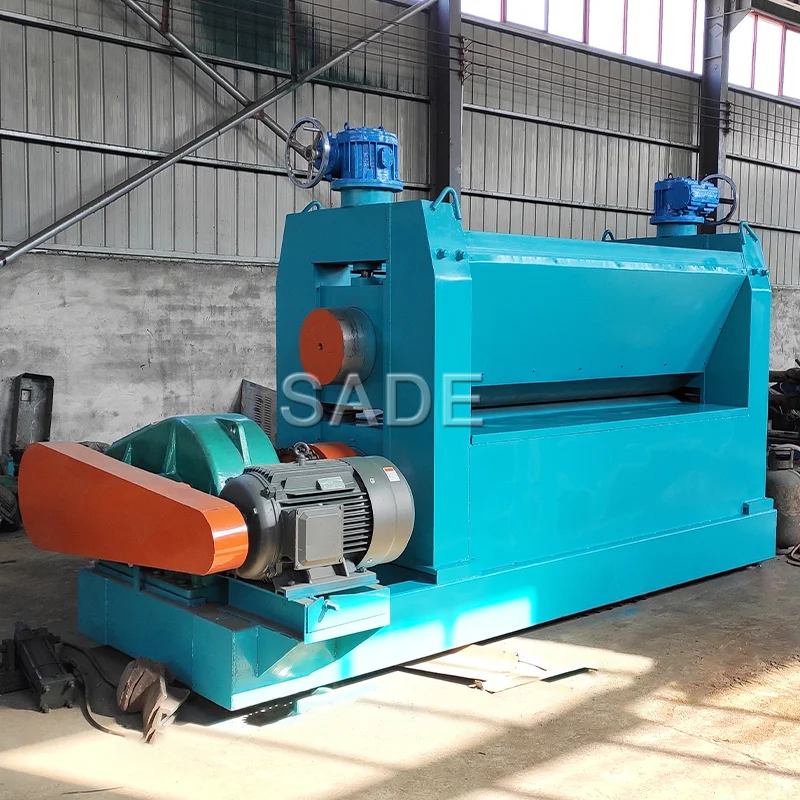
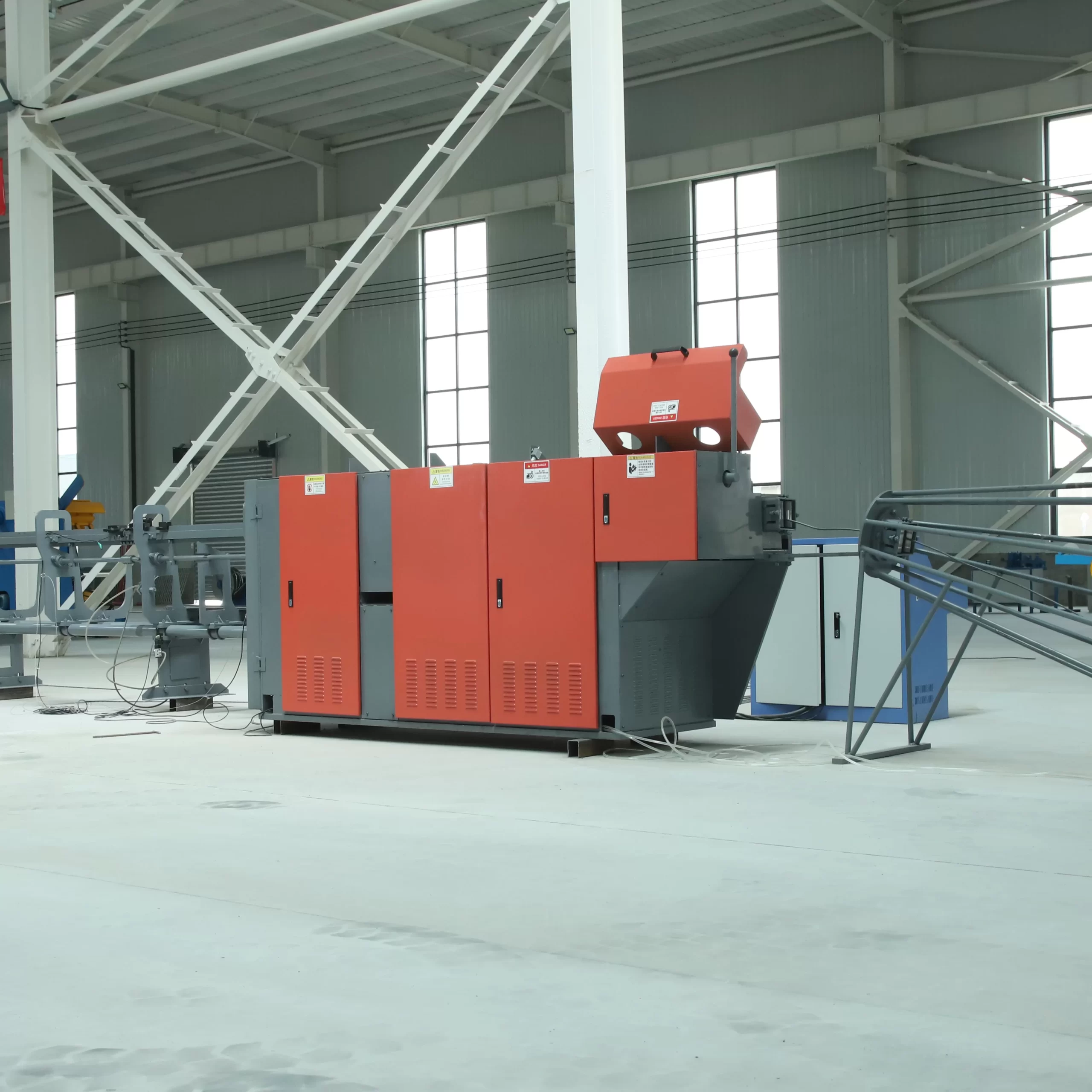
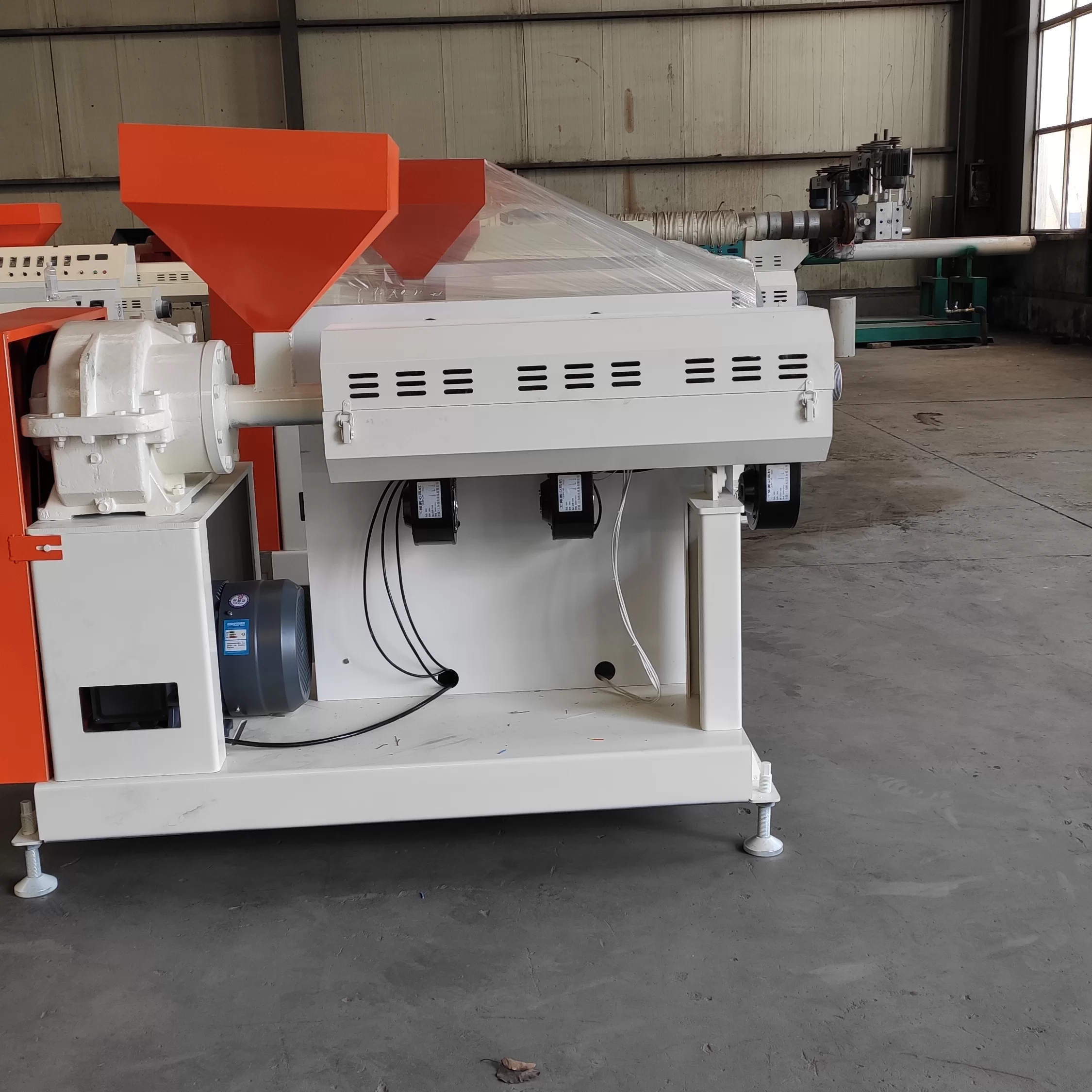
In the steel industry, producing high-quality reinforcement bars requires precise equipment capable of handling tough materials and complex processes. A ribbed bar cold drawing machine is an essential investment for manufacturers who aim to produce durable, high-strength steel bars for construction and infrastructure projects.
Whether you are expanding your production line or looking for more efficient machinery, understanding the features, benefits, and applications of a ribbed bar cold rolling machine and other related equipment like ribbed bar producing machine or ribbed wire machine is critical for making an informed decision.
Understanding the Ribbed Bar Cold Drawing Machine
A ribbed bar cold drawing machine is designed to reduce the diameter of steel bars while enhancing their strength and surface quality. This process, also known as cold drawing, stretches the steel at room temperature, increasing its tensile strength and improving uniformity.
The machine works by pulling steel bars through a series of dies. Each die reduces the bar’s diameter incrementally, forming precise ribs on the surface. This ensures superior bonding with concrete in construction applications. Modern machines are equipped with automated tension control and advanced lubrication systems, which reduce wear and tear and improve efficiency.
Key types of machines used in ribbed bar production include:
1. Ribbed bar cold rolling machine: Specifically designed to roll ribs on steel bars with high accuracy.
2. Ribbed bar producing machine: Integrates cold drawing and rib-forming processes for continuous production.
3. Ribbed wire machine: Primarily used for thinner steel wires, ensuring ribbed patterns for specialized applications.
4. Steel bar ribs forming machine: Focuses on shaping ribs precisely to meet construction standards.
Choosing the right machine depends on production capacity, material type, and the level of automation required. Investing in a high-quality ribbed bar cold drawing machine ensures consistent output, reduces material waste, and enhances overall efficiency.
Benefits of Using a Ribbed Bar Cold Rolling Machine
Integrating a ribbed bar cold rolling machine into your production line offers numerous advantages for both small-scale manufacturers and large steel plants.
1. Enhanced Strength and Durability
Cold drawing strengthens steel bars by aligning their grain structure, resulting in superior tensile strength. A ribbed bar producing machine ensures that each bar has uniform mechanical properties, which is crucial for structural applications.
2. Precise Rib Formation
Ribbed bars rely on accurately shaped ribs to bond effectively with concrete. A steel bar ribs forming machine produces consistent ribs, minimizing the risk of structural failures in construction projects.
3. High Efficiency and Output
Modern ribbed wire machines and cold drawing equipment feature automated tension control, die lubrication systems, and adjustable speeds, which significantly improve production efficiency.
4. Versatility
Many ribbed bar cold drawing machines can handle various bar diameters and types of steel, including high-carbon and low-carbon alloys. This versatility allows manufacturers to produce a wide range of ribbed bars without needing multiple machines.
5. Reduced Operational Costs
Advanced machines reduce energy consumption and material waste. Fewer breakdowns and lower maintenance requirements mean lower overall operational costs, making the investment highly cost-effective.
Applications of Ribbed Bar Producing Machines
The applications of ribbed bar cold drawing machine and related equipment extend across multiple industries, particularly in construction and infrastructure.
1. Construction: Ribbed bars provide superior adhesion to concrete, making them ideal for reinforced concrete structures, bridges, and high-rise buildings.
2. Industrial Manufacturing: Used in producing steel frameworks, machinery components, and reinforcing wire meshes.
3. Infrastructure Projects: Essential for tunnels, highways, and railway construction due to their strength and durability.
4. Specialty Applications: Thin ribbed wires produced by ribbed wire machines are used in fencing, cables, and specialized steel products.
Selecting the right ribbed bar cold rolling machine ensures that your products meet rigorous industry standards while maintaining consistent quality across production batches.
How to Choose the Best Ribbed Bar Cold Drawing Machine
Selecting the ideal ribbed bar cold drawing machine requires careful consideration of production needs, machine specifications, and future scalability.
1. Production Capacity
Determine the maximum diameter, output speed, and type of steel you plan to process. A high-capacity ribbed bar producing machine is essential for large-scale operations.
2. Automation Level
Modern machines offer automated die adjustment, tension control, and speed regulation. These features reduce manual labor and improve product consistency.
3. Machine Quality
Look for durable frames, high-precision dies, and reliable motor systems in a steel bar ribs forming machine. A well-built machine ensures long-term performance and fewer breakdowns.
4. Maintenance and Support
Opt for manufacturers offering spare parts, training, and technical support. Proper maintenance ensures the machine operates at peak efficiency for years.
5. Energy Efficiency
Machines designed with energy-saving features not only reduce operational costs but also lower environmental impact.
By carefully evaluating these factors, manufacturers can invest in a ribbed bar cold drawing machine or ribbed bar cold rolling machine that maximizes efficiency, quality, and profitability.
A ribbed bar cold drawing machine is a cornerstone of modern steel production, enabling manufacturers to produce high-strength, durable, and uniform ribbed bars. Combined with equipment like a ribbed bar producing machine, ribbed wire machine, or steel bar ribs forming machine, these machines ensure precision, efficiency, and versatility in production.
Investing in the right ribbed bar cold rolling machine allows manufacturers to meet construction standards, reduce operational costs, and enhance production capabilities. Whether for construction, infrastructure, or industrial manufacturing, choosing the proper ribbed bar machinery is essential for long-term success in the steel industry.
FAQs About Ribbed Bar Cold Drawing Machines
1. What materials can a ribbed bar cold drawing machine process?
It can process various types of steel, including high-carbon, low-carbon, and alloy steels, depending on die configuration and machine capacity.
2. What is the difference between a ribbed bar cold rolling machine and a ribbed wire machine?
A ribbed bar cold rolling machine produces larger steel bars with precise ribs, while a ribbed wire machine is designed for thinner steel wires and specialized applications.
3. How does a steel bar ribs forming machine improve bar performance?
By shaping uniform ribs on steel bars, it enhances the bar’s bond with concrete, improving structural strength and stability.
4. Can a ribbed bar producing machine handle multiple bar diameters?
Yes, most modern machines allow for adjustable dies and rollers to accommodate different diameters and meet various project requirements.
5. What maintenance is required for a ribbed bar cold drawing machine?
Regular lubrication, die replacement, tension calibration, and motor inspections are essential to ensure optimal performance and longevity.