
Mar 24, 2026
Optimizing Welded Wire Mesh Production with Advanced Weld Mesh Manufacturing Machine Solutions
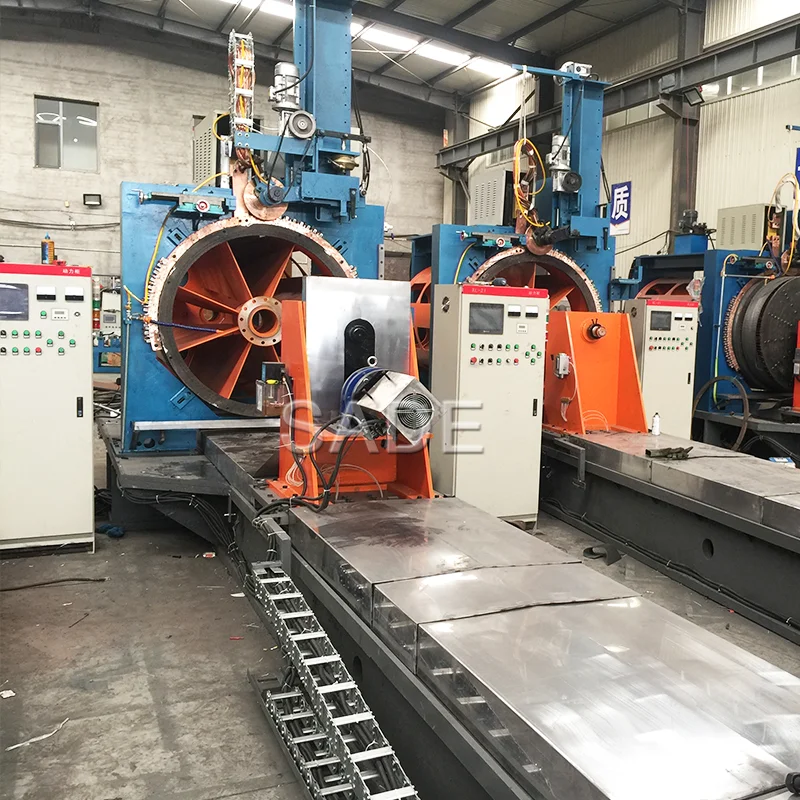
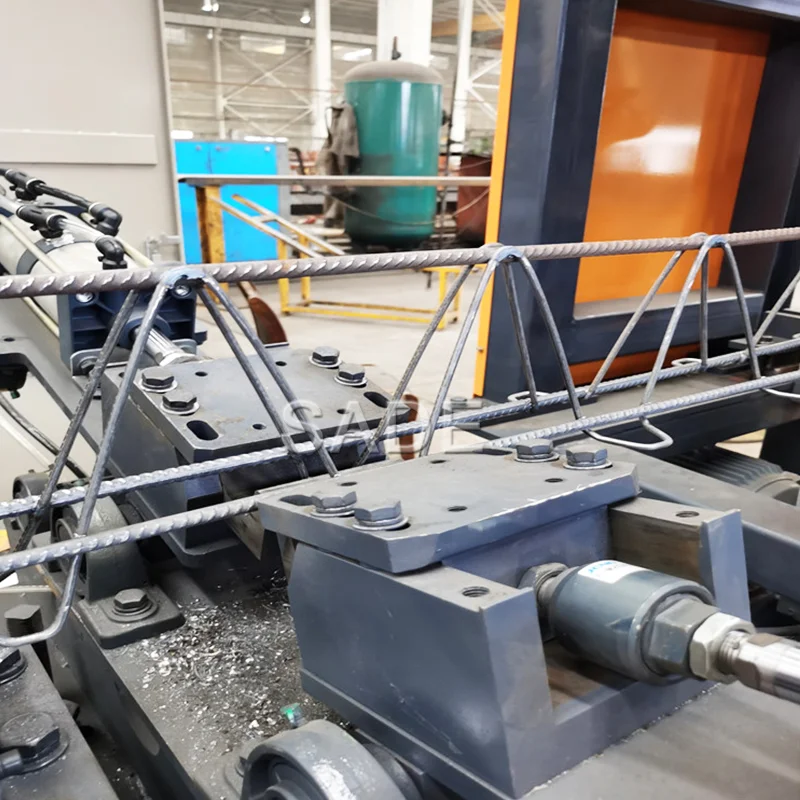
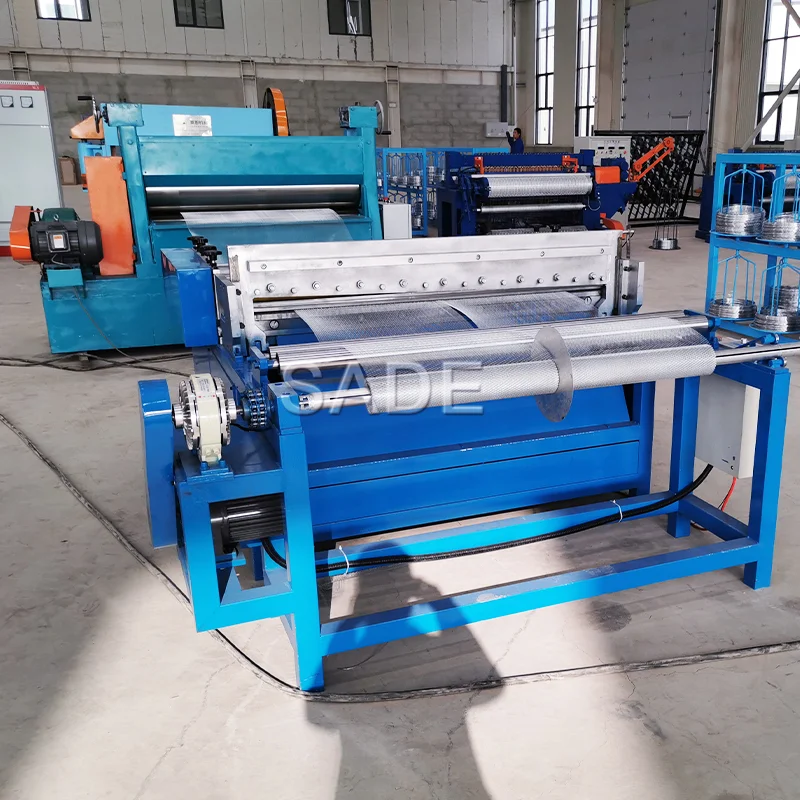
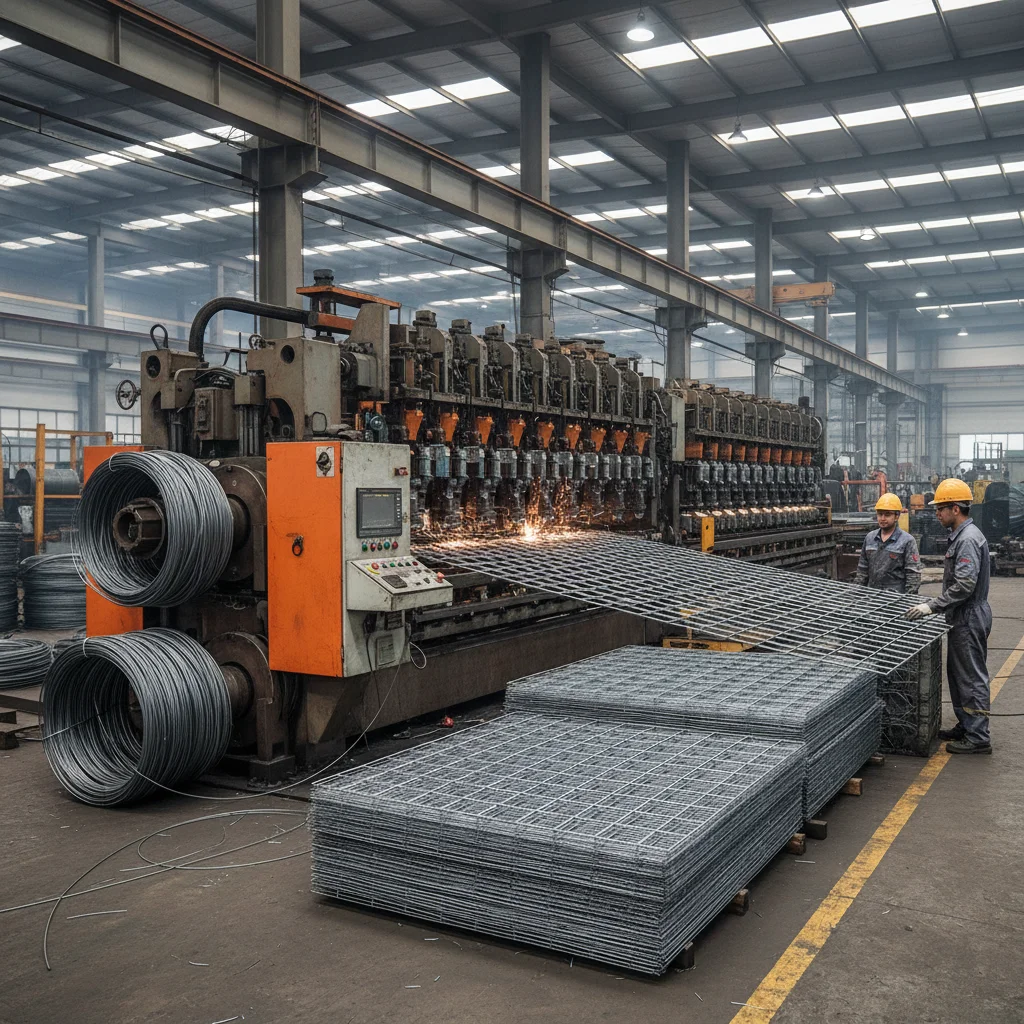
The demand for welded wire mesh is steadily increasing across a diverse range of industries, from construction and agriculture to security and manufacturing. This growth is fueling the need for efficient and reliable weld mesh manufacturing machines. This article will explore the types of machines available, key considerations when choosing a machine, the benefits of automated production, and current market trends. We’ll provide a comprehensive overview for businesses looking to enter or expand within the welded wire mesh market. Investing in the right machinery is critical for optimizing production, reducing costs, and meeting evolving customer demands. Several types of machines are used to manufacture welded wire mesh, each offering different capabilities and levels of automation. The most common include: Wire Straightening and Cutting Machines, which prepare the wire for welding; Welding Machines (spot welding, flash butt welding, and resistance welding are typical); Mesh Rolling Machines; and Automatic Weld Mesh Machines. Manual machines offer lower initial investment but require significantly more labor. Semi-automatic machines offer a balance between automation and manual operation, while fully automatic machines provide the highest levels of efficiency and consistency, though at a higher upfront cost.
Mar 24, 2026
Comprehensive Guide to Weld Mesh Making Machine Selection and Benefits
In the world of construction, fencing, and various industrial applications, welded wire mesh is a fundamental material. The efficiency and quality of this mesh are heavily reliant on the machinery used to produce it. A weld mesh making machine is a crucial investment for businesses aiming to streamline production, reduce costs, and maintain consistently high standards. This article will delve into the key features, types, considerations, and benefits of these machines, providing a comprehensive guide for potential buyers. Choosing the right machine is essential for meeting specific production needs and ensuring long-term profitability. The core principle behind a weld mesh making machine involves feeding wires longitudinally and transversely through a series of rollers. These wires intersect at regular intervals, and an electric current is applied through electrodes to create a strong, permanent weld at each intersection. The process is automated, resulting in a consistently uniform mesh pattern. Modern machines often incorporate sophisticated control systems that allow for precise adjustment of welding parameters, wire spacing, and mesh dimensions.
Mar 24, 2026
Comprehensive Guide to Weld Mesh Jali Machine Applications and Key Features
The demand for welded wire mesh, often referred to as ‘jali’ in certain regions, is constantly growing across industries like construction, agriculture, and security. A weld mesh jali machine is a crucial investment for businesses looking to efficiently produce high-quality mesh. This article provides a comprehensive overview of these machines, their applications, key features, and considerations when making a purchase. We’ll cover everything from the different types available to the factors impacting production efficiency, helping you make an informed decision. These machines use a process involving applying pressure and electrical current to create a strong and durable weld. The resulting mesh is widely used for reinforcement in concrete, fencing, cages, shelving, and various other applications. Modern machines offer precision control over parameters like wire diameter, mesh aperture (opening size), and welding time, ensuring consistent product quality.
Mar 24, 2026
Comprehensive Guide to Stainless Steel Wire Mesh Making Machine Technology
The demand for stainless steel wire mesh is consistently growing across numerous industries, including filtration, security, architecture, and beyond. Meeting this demand efficiently and with high-quality products requires robust and reliable machinery. A stainless steel wire mesh making machine is a crucial investment for manufacturers aiming to capitalize on this expanding market. This article provides an in-depth look at these machines, covering their types, features, applications, and considerations for choosing the right one. We’ll explore how investing in a quality machine can streamline production, reduce costs, and deliver superior mesh products. Stainless steel wire mesh is produced using various methods, each requiring a specialized machine. The most common types include weaving machines, welding machines, and knitting machines. Weaving machines interlace wires at right angles to create a mesh, while welding machines fuse wires together using electrical resistance. Knitting machines create a looped mesh structure. The choice of machine depends on the desired mesh characteristics, such as aperture size, wire diameter, and overall structural integrity.
Mar 24, 2026
Optimizing Fencing Production with a Simple Fence Wire Netting Machine
In the realm of agricultural and industrial fencing, the efficiency and quality of wire netting are paramount. A simple fence wire netting machine is the cornerstone of producing reliable and durable fencing solutions. This article delves into the functionality, benefits, key considerations, and applications of these machines, offering insights for businesses seeking to optimize their fencing production. We’ll explore how selecting the right machine from a reputable supplier like Mesh Machinery can significantly impact your operational efficiency and product quality. At its core, a simple fence wire netting machine operates by interweaving vertical wires (weft wires) through horizontal wires (warp wires). The process typically involves a series of rollers, guides, and a cranking mechanism (or motorized system) to achieve the interlocking pattern. Raw materials, usually galvanized steel wire, are fed into the machine, and the machine’s action creates a mesh with uniform openings. Modern machines often incorporate automated features like wire tension control and automatic stopping mechanisms to enhance precision and reduce waste.