

March 24, 2026
The demand for welded wire mesh, often referred to as ‘jali’ in certain regions, is constantly growing across industries like construction, agriculture, and security. A weld mesh jali machine is a crucial investment for businesses looking to efficiently produce high-quality mesh. This article provides a comprehensive overview of these machines, their applications, key features, and considerations when making a purchase. We'll cover everything from the different types available to the factors impacting production efficiency, helping you make an informed decision.
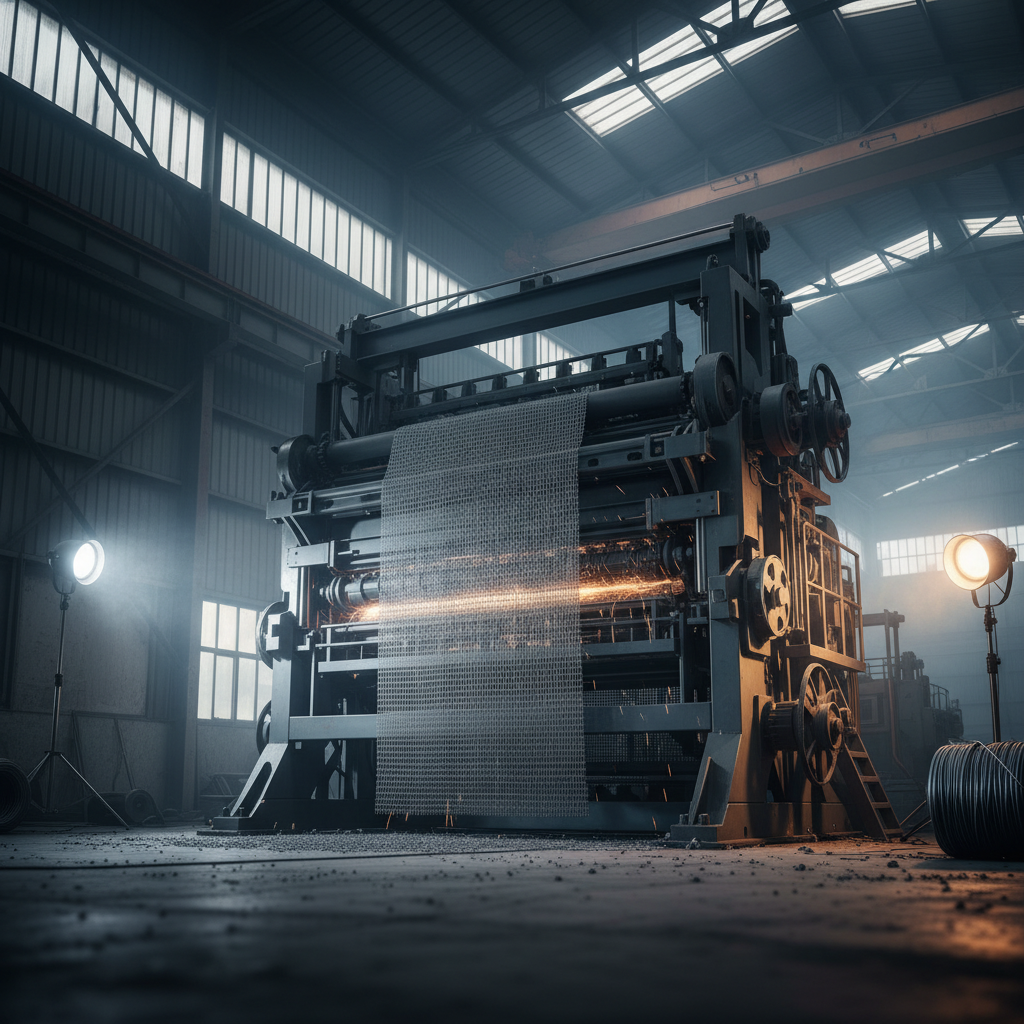
A weld mesh jali machine is an automated system designed to produce welded wire mesh by electrically fusing wires at their intersection points. These machines use a process involving applying pressure and electrical current to create a strong and durable weld. The resulting mesh is widely used for reinforcement in concrete, fencing, cages, shelving, and various other applications. Modern machines offer precision control over parameters like wire diameter, mesh aperture (opening size), and welding time, ensuring consistent product quality. The machines from Mesh Machinery are known for their robust construction and reliable performance.
Key Benefits: Automated production, high efficiency, consistent weld quality, reduced labor costs, and customizable mesh specifications.
There are several types of weld mesh jali machines available, each suited to different production needs. The most common types include:
Wire Mesh Welding Machine: This is the most basic type, suitable for producing flat mesh panels.
Fully Automatic Welding Machine: This type automatically feeds wire, welds, and cuts the mesh, significantly increasing efficiency.
CNC Welding Machine: Controlled by computer numerical control, these machines offer the highest precision and can produce complex mesh patterns.
Panel Welding Machine: Designed for creating mesh panels for reinforcement in concrete structures.
Selecting the right machine requires careful consideration of several factors. Here are some crucial features to prioritize:
Welding Speed: A faster welding speed translates to higher production output.
Wire Diameter Capacity: The machine should be able to accommodate the range of wire diameters you intend to use.
Mesh Aperture Range: Ensure the machine can produce the desired mesh opening sizes.
Control System: A user-friendly control panel and accurate parameter settings are essential.
Power Source: Consider the power requirements and ensure compatibility with your facility.
Cooling System: Effective cooling prevents overheating and ensures consistent weld quality.
Here’s a comparison table outlining the performance differences between various types of weld mesh jali machines:
Regular maintenance is crucial for ensuring the longevity and optimal performance of your machine. This includes:
Cleaning: Remove wire scraps and debris regularly.
Lubrication: Lubricate moving parts as per the manufacturer’s recommendations.
Inspection: Check for wear and tear on welding electrodes and other components.
Calibration: Periodically calibrate the machine to maintain accuracy.
Investing in a high-quality weld mesh jali machine is a strategic decision that can significantly enhance your production capabilities and profitability. By carefully considering your specific needs, prioritizing key features, and implementing a regular maintenance schedule, you can ensure a long-lasting and efficient operation. Contact Mesh Machinery today to explore our range of machines and find the perfect solution for your business.
Power consumption varies depending on the machine's size and features. Smaller, manual machines might require 5-10 kW, while larger, fully automatic machines can consume 20-30 kW or more. It's crucial to verify the specific power requirements of the machine before installation to ensure your facility can accommodate the load. Properly sized electrical infrastructure will optimize performance and prevent disruptions.
Most weld mesh jali machines are versatile and can accommodate a range of wire materials, including carbon steel, stainless steel, and galvanized wire. However, the specific wire diameter capacity will vary depending on the machine model. It's essential to check the manufacturer's specifications to ensure compatibility. Using the correct wire type and diameter will optimize weld quality and prevent damage to the machine.
Safety is paramount when operating this type of machinery. Always wear appropriate personal protective equipment (PPE), including safety glasses, gloves, and ear protection. Ensure the machine is properly grounded and that all safety guards are in place. Never attempt to repair or adjust the machine while it's running. Regularly inspect the machine for any safety hazards and address them promptly. Proper training for all operators is also crucial.

358 Anticlimb Mesh Welding Machine China Factory and Leading Suppliers


Nov 10, 2026
Technical Factors Influencing the Gabion Machine Price


