
March 26, 2026
In the realm of industrial safety, protecting workers from potential hazards is paramount. Wire mesh machine guarding plays a critical role in mitigating risks associated with moving machinery. This article will explore the benefits, applications, and considerations for implementing effective machine guarding solutions, especially as offered by Mesh Machinery. Properly implemented guarding not only safeguards personnel but also contributes to increased productivity and regulatory compliance.
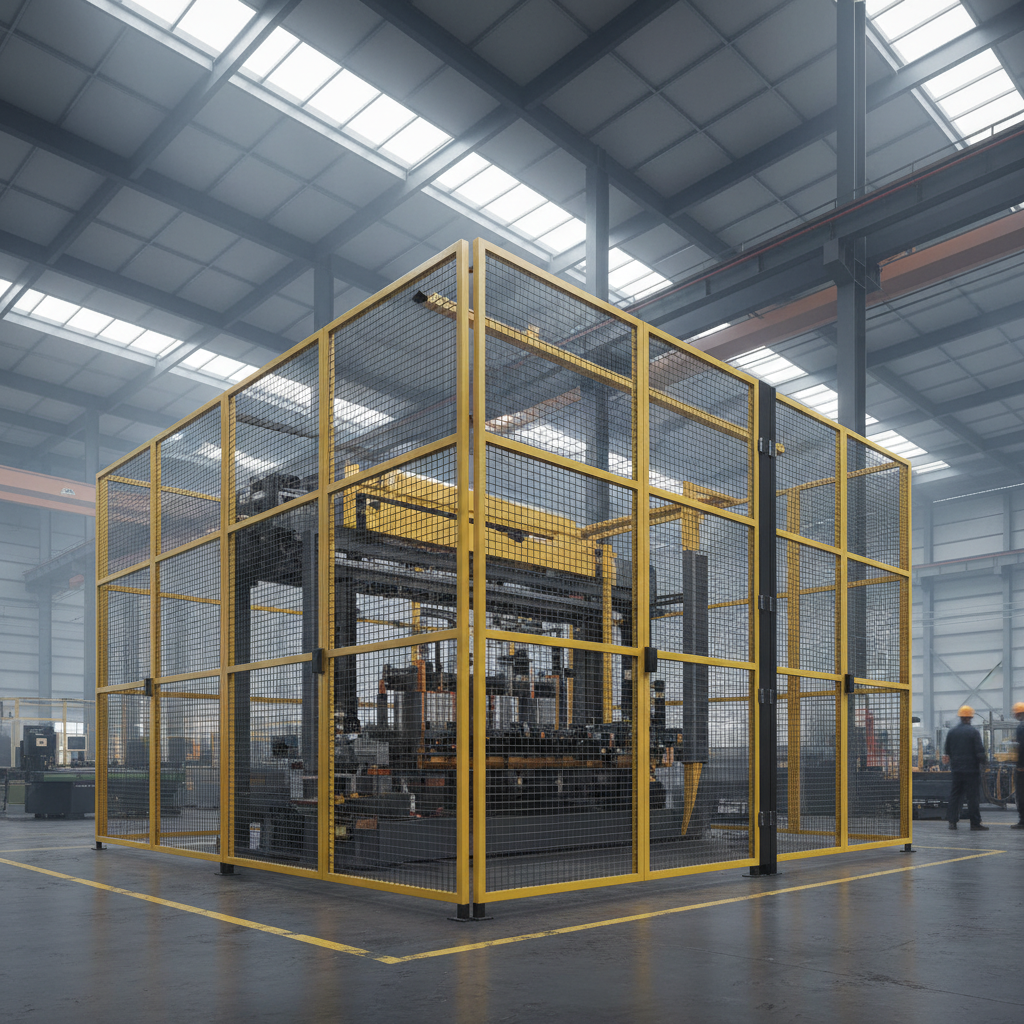
Machine guarding is the protection of personnel from hazards associated with machinery. These hazards include nip points, rotating parts, flying chips, and sparks. Wire mesh machine guarding offers a robust and versatile solution. It provides a physical barrier without completely obstructing visibility, allowing for machine monitoring and operator interaction. Its open structure also facilitates airflow, preventing overheating. Choosing the correct mesh size and material is essential for specific applications, and Mesh Machinery offers tailored solutions to meet diverse requirements.
Key Benefits: Offers a physical barrier, maintains visibility, promotes airflow, and adaptable to diverse applications.
The versatility of wire mesh machine guarding makes it suitable for a broad spectrum of industries. Common applications include protecting personnel operating punch presses, power presses, milling machines, grinders, and robotic welding cells. Manufacturing, metal fabrication, automotive, and food processing are just a few sectors where this type of guarding is indispensable. Mesh Machinery provides custom-engineered guarding systems for these and other demanding applications.
Common Applications:
• Punch Presses
• Power Presses
• Milling Machines
• Grinders
• Robotic Welding Cells
Various machine guarding methods exist, each with its own advantages and disadvantages. Solid barriers provide maximum protection but can hinder visibility and access. Light curtains offer a reactive safeguard but may be susceptible to failure. Wire mesh machine guarding strikes a balance, providing a robust physical barrier with good visibility and airflow. Below is a comparison of common methods:
Choosing the correct wire mesh guarding involves considering several factors. Mesh size, material (steel, stainless steel, etc.), and frame construction are all important. The mesh size should be small enough to prevent contact with moving parts but large enough to maintain visibility. Material selection depends on the environment, with stainless steel being preferred for corrosive applications. Mesh Machinery’s expert team can help you navigate these choices and ensure you receive a guarding solution tailored to your specific needs.
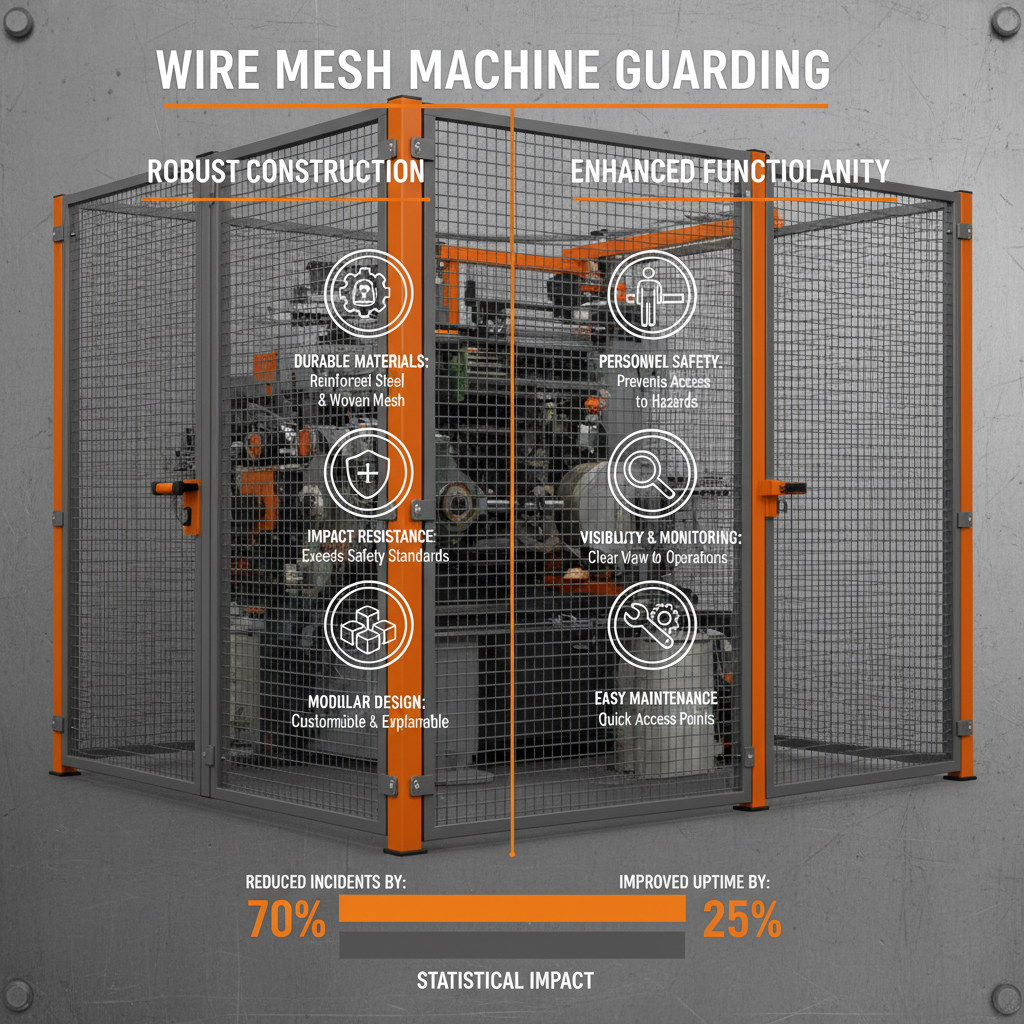
Machine guarding is subject to stringent safety regulations, such as those set forth by OSHA (Occupational Safety and Health Administration) in the United States. Compliance is crucial to avoid fines and, more importantly, to protect workers. Mesh Machinery designs and manufactures guarding systems that meet or exceed these standards, providing peace of mind and ensuring a safe working environment.
Investing in high-quality wire mesh machine guarding from a trusted provider like Mesh Machinery is a proactive step towards a safer and more productive workplace. By prioritizing worker safety and ensuring compliance with regulations, businesses can reduce risks, enhance operational efficiency, and foster a positive safety culture.
Common materials include carbon steel, stainless steel (304 and 316 grades are frequently used for corrosion resistance), and aluminum. The choice depends on the environment, the level of protection required, and budget considerations. Stainless steel is often preferred in food processing or harsh chemical environments. Mesh Machinery can advise on the best material for your specific application, taking into account factors such as chemical exposure, temperature, and load requirements.
The mesh size is crucial for preventing contact with moving parts. Generally, the mesh openings should be small enough that a worker's fingers or other body parts cannot pass through. Regulations often specify minimum mesh size requirements for different applications. It’s essential to consult safety guidelines and consider the specific hazards of your machinery. Mesh Machinery's engineering team can perform a hazard assessment and recommend the optimal mesh size for your needs.
Yes, Mesh Machinery specializes in custom-engineered machine guarding solutions. They can fabricate guards to fit virtually any existing machine, taking into account its specific dimensions, layout, and safety requirements. This ensures a secure and effective guarding system without requiring modifications to the machine itself. A detailed site survey and accurate measurements are essential for a precise fit.
The lifespan depends on the material, environment, and maintenance. Properly maintained stainless steel guards can last for decades. Carbon steel guards may require periodic painting or coating to prevent rust. Regular inspections are crucial to identify any damage, corrosion, or loose connections. Replace any damaged components immediately to maintain safety. Mesh Machinery offers maintenance services and can advise on best practices to extend the lifespan of your guarding systems.
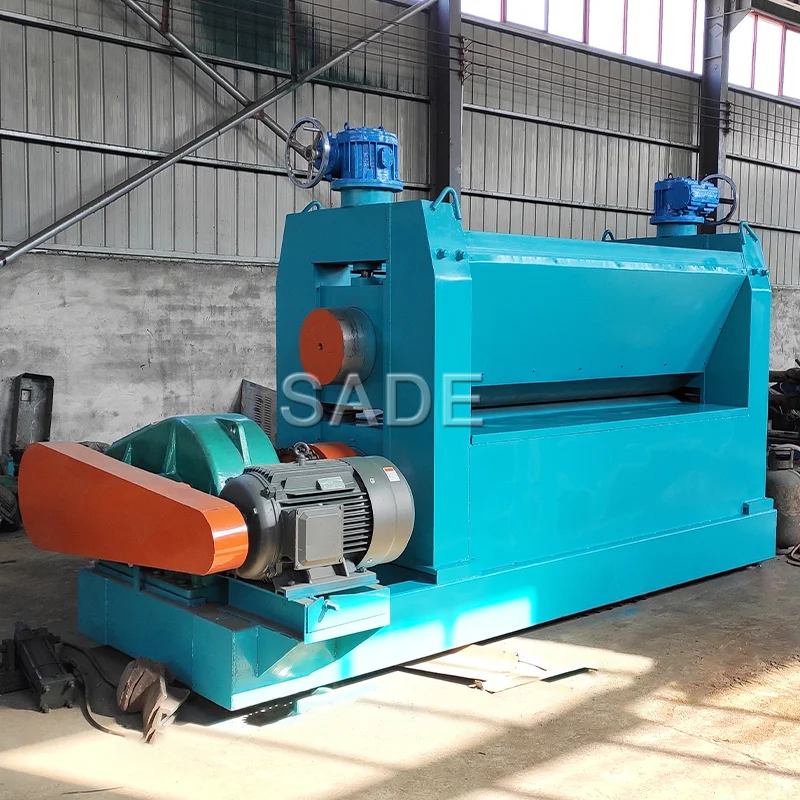
ZPJ Metal Mesh Flatting Machine
ZPJ metal mesh flatting machine is special designed for expanded metal flatting.It’s a corollary equipment of expanded metal machine. It can make expanded wire-mesh smoothly.And the flattened expanded metal have much more widely different applications.
Apr 24, 2026
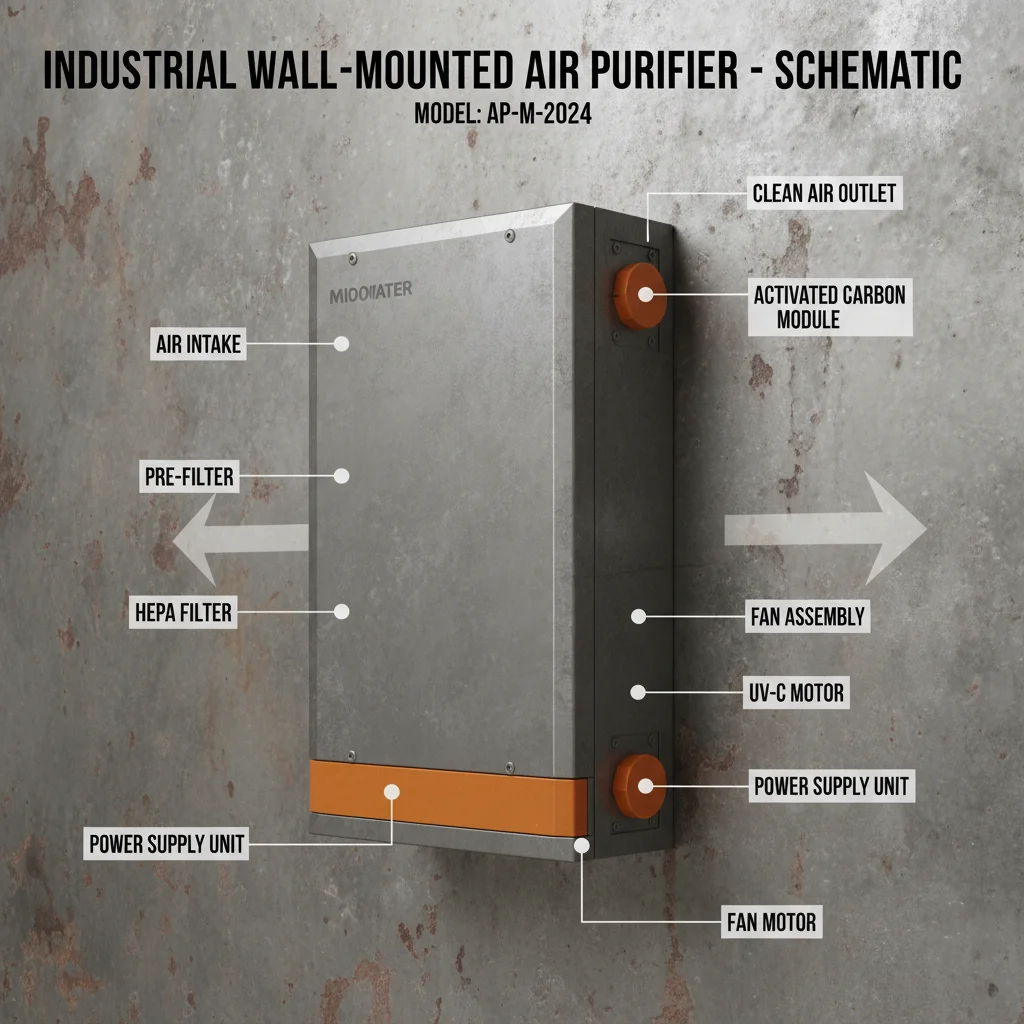
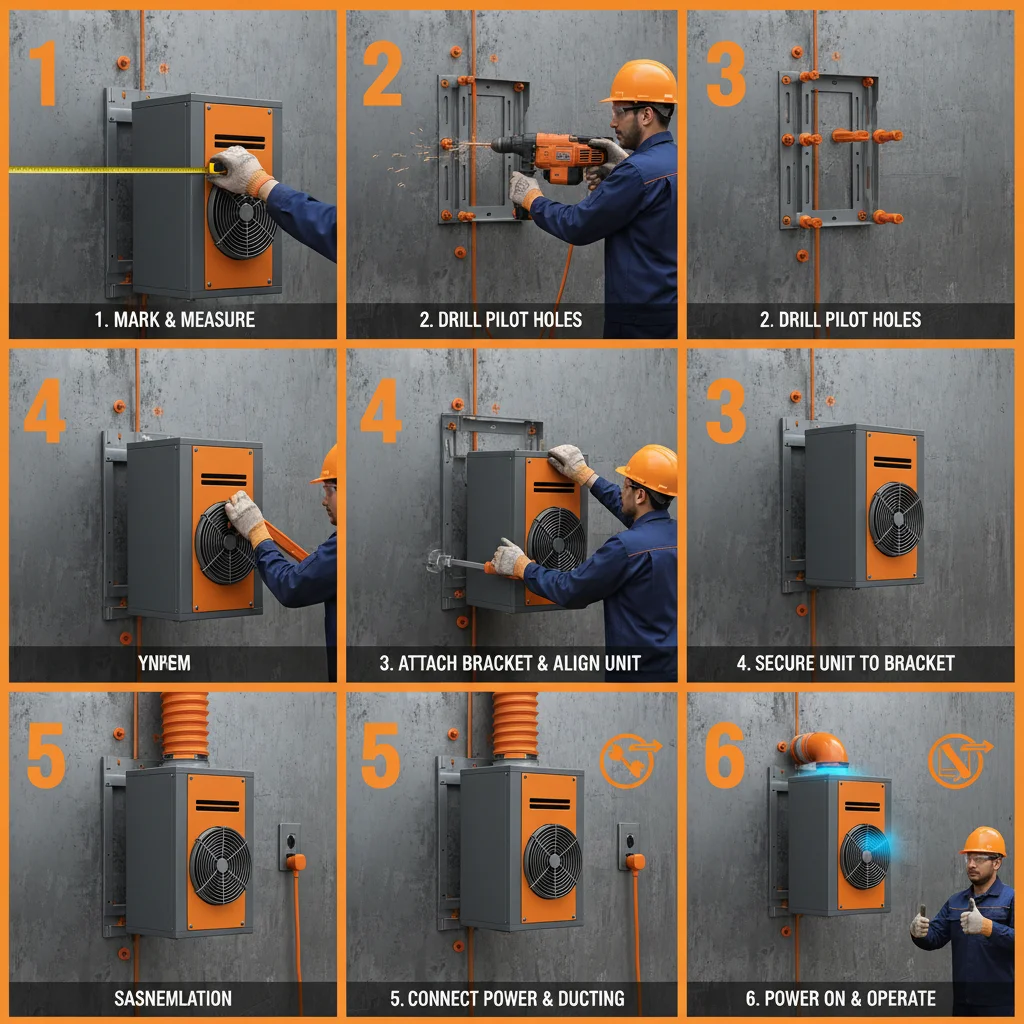
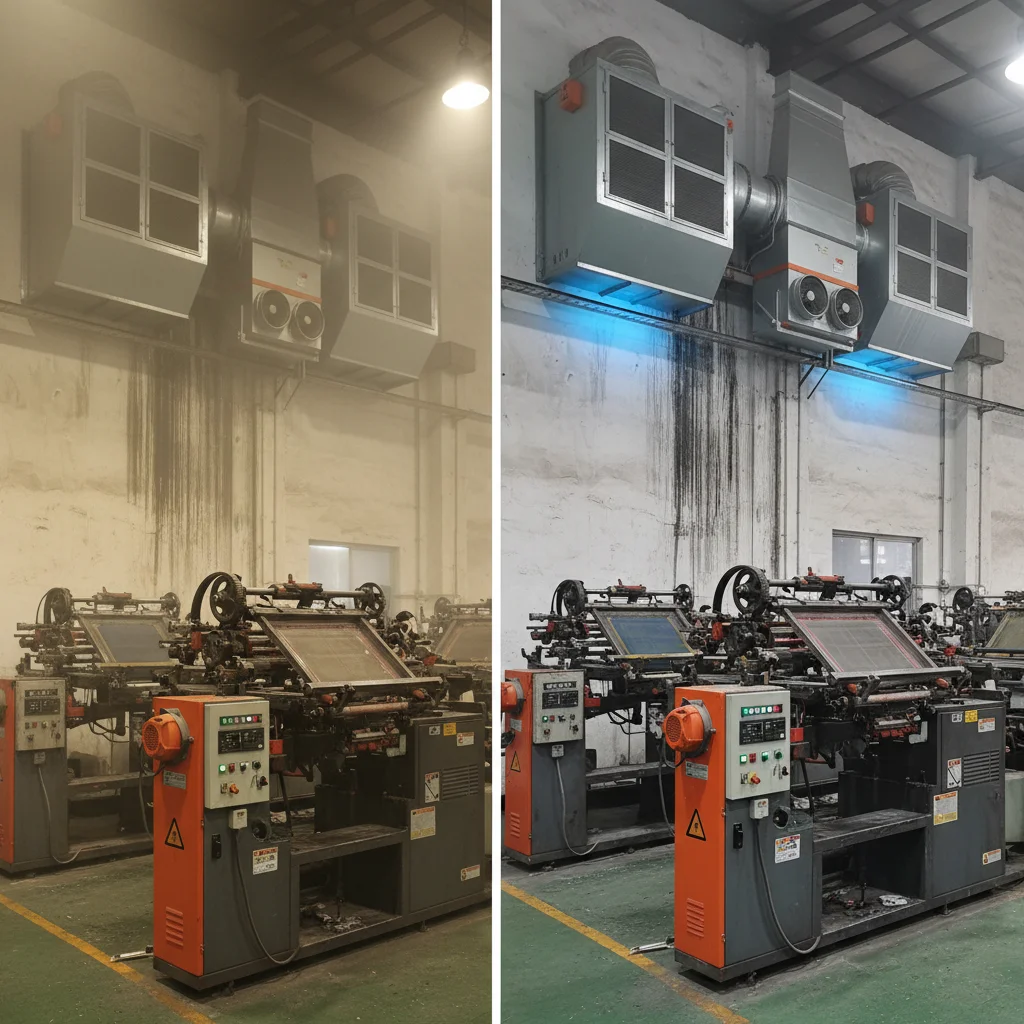
Industrial Wall Mounted Air Filtration for Clean Work Environments