
March 26, 2026
The demand for wire mesh is consistently high across a variety of industries, including construction, agriculture, security, and manufacturing. A reliable wire mesh making machine is crucial for businesses seeking to efficiently and cost-effectively produce high-quality mesh products. This article will explore the different types of wire mesh machines, their applications, key considerations when choosing a machine, and the benefits of investing in modern technology. Understanding your specific needs and the capabilities of different machines is vital for maximizing your return on investment.
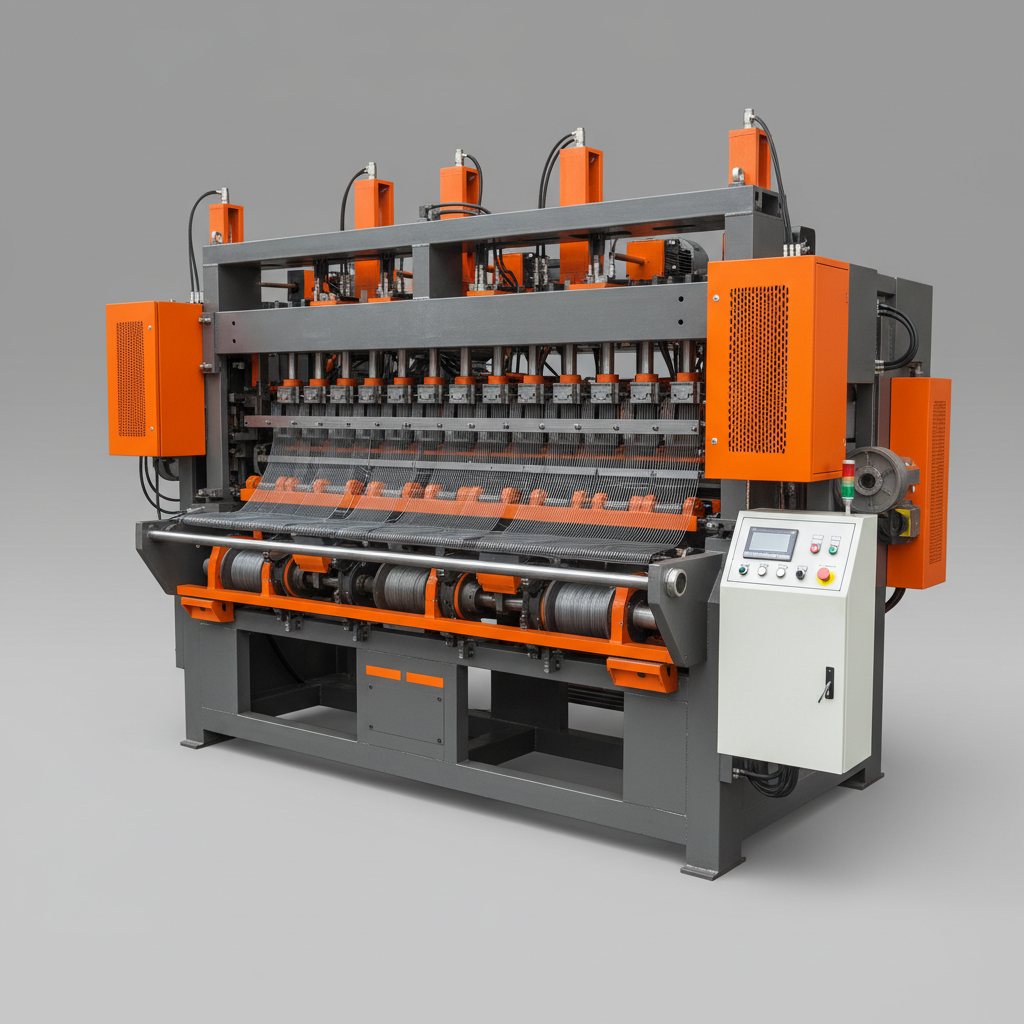
Several types of machines cater to different wire mesh production requirements. The most common include chain link fence machines, hexagonal wire netting machines, welded wire mesh machines, and expanded metal mesh machines. Chain link fence machines are specifically designed for producing the fencing commonly used in residential and commercial applications. Hexagonal wire netting machines create mesh used for poultry netting, animal enclosures, and industrial filtration. Welded wire mesh machines offer versatility, producing mesh for reinforcement, screening, and various industrial uses. Expanded metal mesh machines create a rigid mesh with a unique pattern, often used in architectural applications and safety grating. The right choice depends on the desired mesh type, production volume, and budget.
Key Takeaway: Choosing the appropriate machine type is the foundation for efficient and cost-effective wire mesh production.
Selecting the right machine involves carefully evaluating several factors. Production capacity is crucial; consider your current and projected demand. Wire diameter and mesh aperture (opening size) also dictate machine capabilities. Automation level impacts labor costs and production efficiency – fully automatic machines require less manual intervention. The type of wire material (steel, stainless steel, galvanized, etc.) must be compatible with the machine's components. Finally, consider the manufacturer's reputation, after-sales service, and availability of spare parts. A well-supported machine will minimize downtime and ensure long-term productivity.
Essential Selection Criteria:
• Production Capacity
• Wire Diameter & Mesh Aperture
• Automation Level
• Material Compatibility
• Manufacturer Support
Different machine types excel in producing specific mesh types. Here’s a comparison to help you choose:
Modern machines offer significant advantages over older models. Increased production speed translates to higher output and reduced labor costs. Improved precision ensures consistent mesh quality, minimizing waste. Automation reduces the risk of human error and improves workplace safety. Many modern machines also incorporate advanced control systems and diagnostics, simplifying operation and maintenance. Investing in a state-of-the-art wire mesh making machine can significantly enhance your profitability and competitiveness.
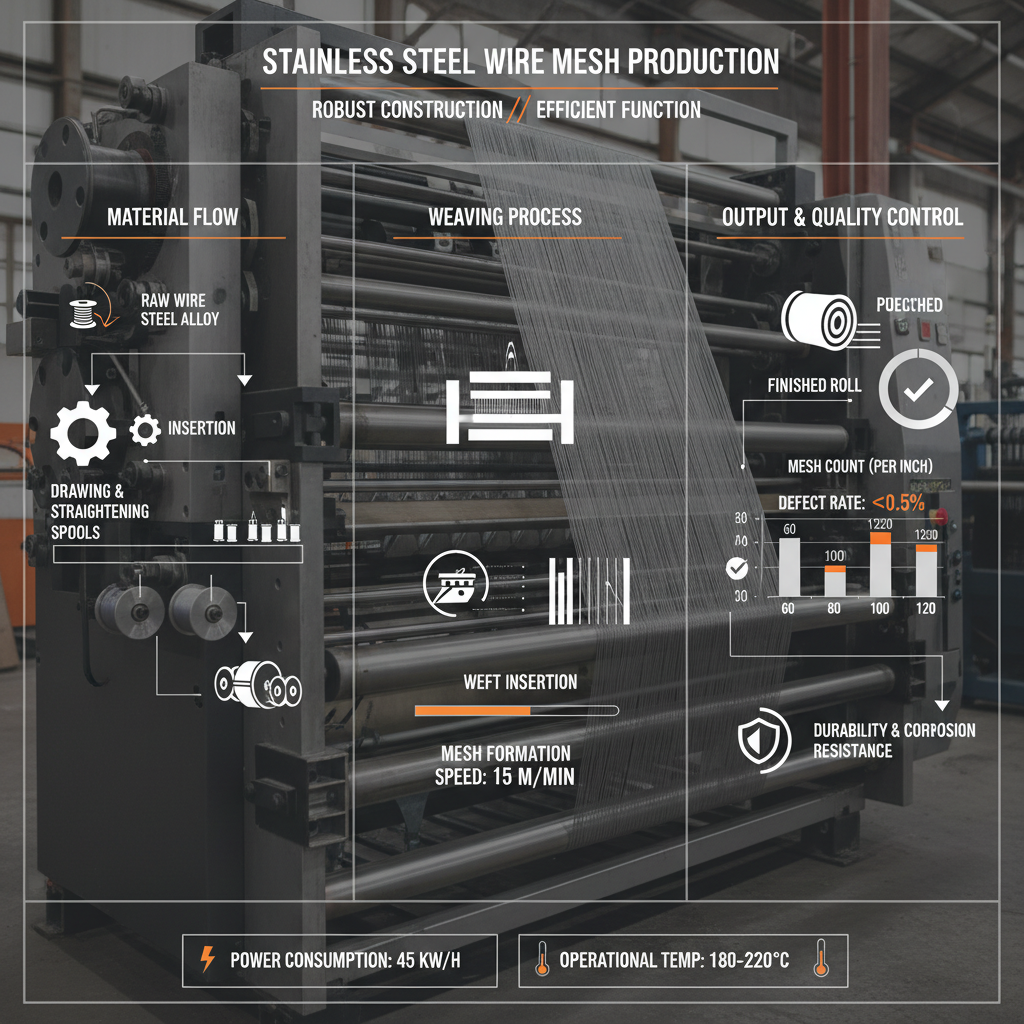
Here's a sample specification sheet for our popular WM-300 Welded Wire Mesh Machine:
Choosing the right wire mesh making machine is a critical decision that impacts your production efficiency, product quality, and overall profitability. By carefully considering your needs, comparing different machine types, and investing in modern technology, you can establish a competitive edge in the market. We at Meshmachinery.com are dedicated to providing high-quality, reliable machines and exceptional customer support.
Regular maintenance is crucial for ensuring the longevity and optimal performance of your machine. This includes daily lubrication of moving parts, periodic cleaning of dust and debris, and regular inspection of welding electrodes (for welded mesh machines). It's also important to check and adjust tensioning mechanisms and ensure proper cooling system operation. Refer to your machine's manual for a detailed maintenance schedule. Preventive maintenance can significantly reduce downtime and repair costs.
Lead times can vary depending on the machine type, customization requirements, and current production schedules. Generally, lead times range from 4 to 12 weeks. Customized machines or those with special features may require longer lead times. It's best to contact us directly at Meshmachinery.com for an accurate quote and estimated delivery time.
Yes, we provide comprehensive installation and training services to ensure your machine is set up correctly and your operators are proficient in its operation. Our experienced technicians will travel to your facility to install the machine, conduct thorough testing, and provide hands-on training to your staff. We also offer ongoing technical support and maintenance services.
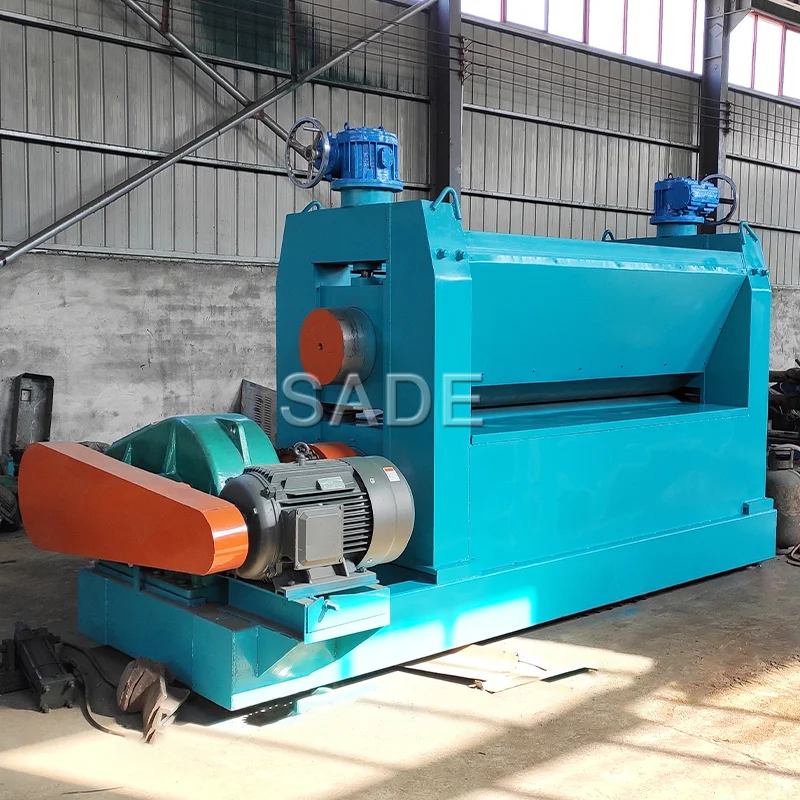
ZPJ Metal Mesh Flatting Machine
ZPJ metal mesh flatting machine is special designed for expanded metal flatting.It’s a corollary equipment of expanded metal machine. It can make expanded wire-mesh smoothly.And the flattened expanded metal have much more widely different applications.
Apr 24, 2026
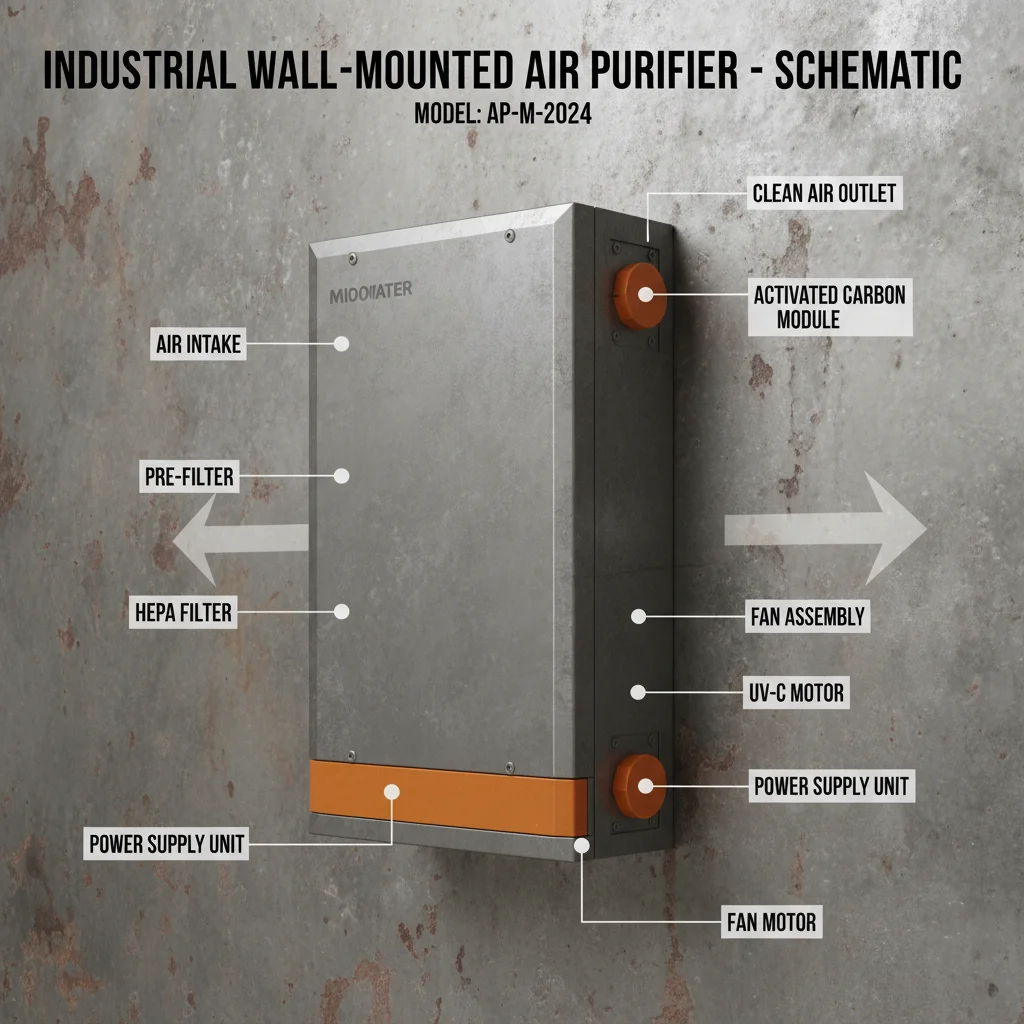
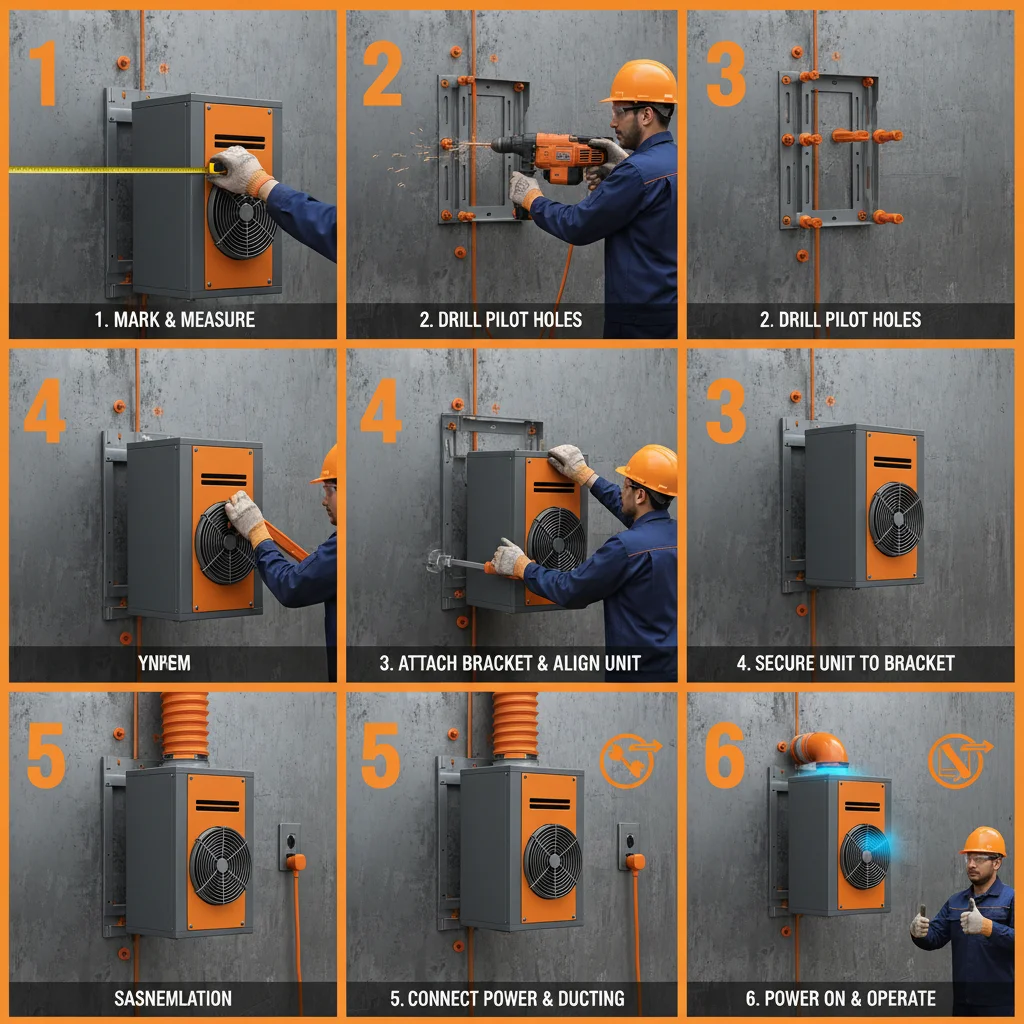
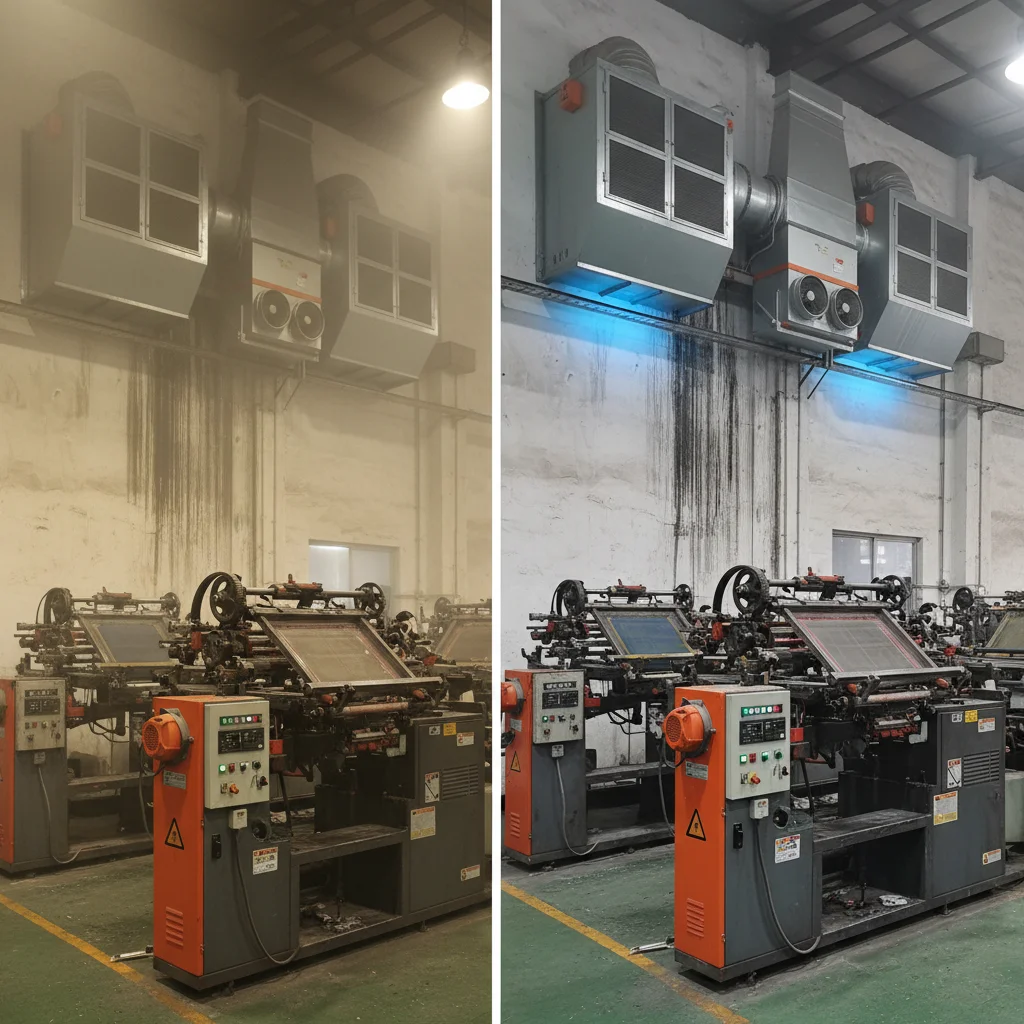
Industrial Wall Mounted Air Filtration for Clean Work Environments