
March 26, 2026
The demand for wire mesh is continuously growing across various industries, from construction and agriculture to automotive and security. This rising demand has fueled the need for efficient and high-quality manufacturing solutions. At the heart of this production lies the wire mesh knitting machine, a critical piece of equipment capable of producing diverse mesh types for a multitude of applications. This article will delve into the intricacies of these machines, exploring their types, benefits, applications, and crucial considerations for purchase. Investing in the right machine is essential for maximizing productivity and ensuring the creation of superior wire mesh products.
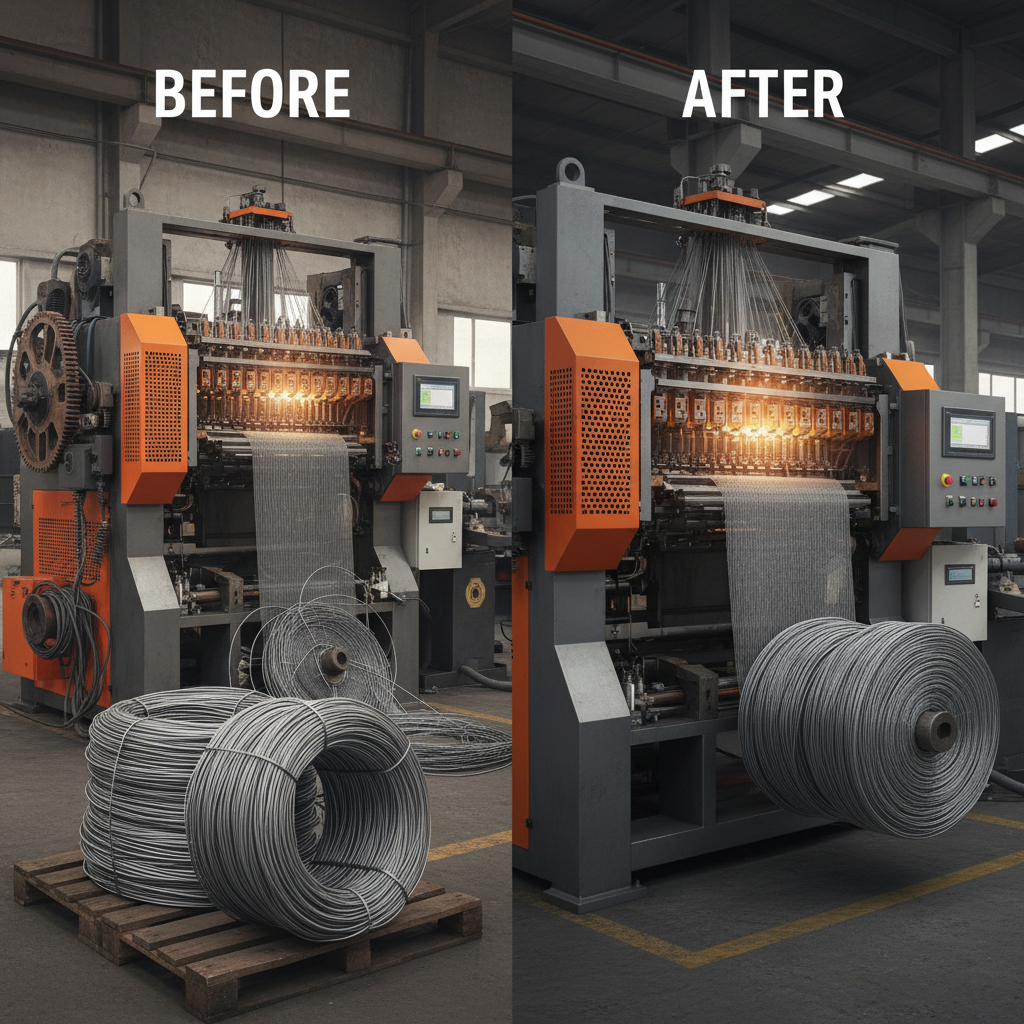
Unlike weaving, which interlaces two sets of yarns at right angles, knitting involves creating interlocking loops of wire. A wire mesh knitting machine accomplishes this through a series of needles that form loops from the wire, which are then interlocked to create the mesh structure. The process is relatively simple, but the precision and control required to achieve consistent and high-quality results are significant. Different types of needles and machine configurations allow for the production of varying mesh patterns, aperture sizes, and wire diameters. Factors such as wire tension, needle movement speed, and stitch density are all carefully controlled to ensure the desired mesh characteristics are achieved.
Several types of wire mesh knitting machines are available, each suited to different applications and production volumes. The most common types include:
Selecting the appropriate type of machine depends on the specific product requirements and the intended application.
Key Considerations: Understanding the intended application and required mesh specifications are crucial when selecting a machine type. Consider factors like mesh aperture, wire diameter, and production volume.
Investing in a high-quality wire mesh knitting machine offers numerous benefits, including increased production efficiency, reduced labor costs, and improved product quality. These machines are designed for continuous operation, allowing for high-volume production to meet growing demand. Automation minimizes the need for manual intervention, reducing labor requirements and potential for errors. The precision of these machines ensures consistent mesh dimensions and reliable performance. Furthermore, advanced machines offer features like automatic wire feeding and tension control, further enhancing efficiency and quality.
Understanding the technical specifications of different machines is crucial for making an informed decision. Below is a comparative overview of common specifications:
Selecting a reputable supplier is just as important as choosing the right machine. Look for a supplier with a proven track record, offering reliable machines and excellent customer support. Consider factors such as machine quality, price, warranty terms, and availability of spare parts. Mesh Machinery is a leading provider of high-quality wire mesh knitting machines, offering a comprehensive range of models and exceptional customer service.
The wire mesh knitting machine is an indispensable tool for modern wire mesh production. By understanding the different types of machines, their specifications, and the importance of choosing a reliable supplier, businesses can invest in a solution that drives efficiency, improves product quality, and meets the demands of a growing market. Prioritize quality, performance, and long-term value when making your investment.
Most wire mesh knitting machines can handle a variety of wire materials, including galvanized steel, stainless steel, copper, and aluminum. The specific wire type compatibility will depend on the machine’s design and specifications. It's important to verify with the manufacturer that the machine is suitable for the intended wire material, as using incompatible wire can damage the machine or result in poor mesh quality. Different wires require different tension settings and needle types for optimal performance.
Regular maintenance is essential for ensuring the longevity and optimal performance of a wire mesh knitting machine. This includes lubricating moving parts, cleaning the machine to remove wire debris and dust, and inspecting needles and other components for wear and tear. Regularly checking and adjusting wire tension is also crucial. Following the manufacturer's recommended maintenance schedule is highly recommended to prevent breakdowns and extend the machine's lifespan.
The production output of a hexagonal mesh machine varies depending on factors such as wire diameter, mesh aperture, and machine speed settings. Generally, a typical hexagonal mesh machine can produce between 10 to 30 square meters of mesh per hour. Higher production rates can be achieved with more advanced machines and optimized operating parameters. It's important to consider the desired production volume when selecting a machine to ensure it can meet your operational needs.
Operating a wire mesh knitting machine requires strict adherence to safety precautions. Always wear appropriate personal protective equipment (PPE), including safety glasses, gloves, and ear protection. Ensure the machine is properly grounded and that all safety guards are in place. Never reach into moving parts while the machine is running. Proper training and understanding of the machine's operating procedures are essential to prevent accidents and ensure a safe working environment.
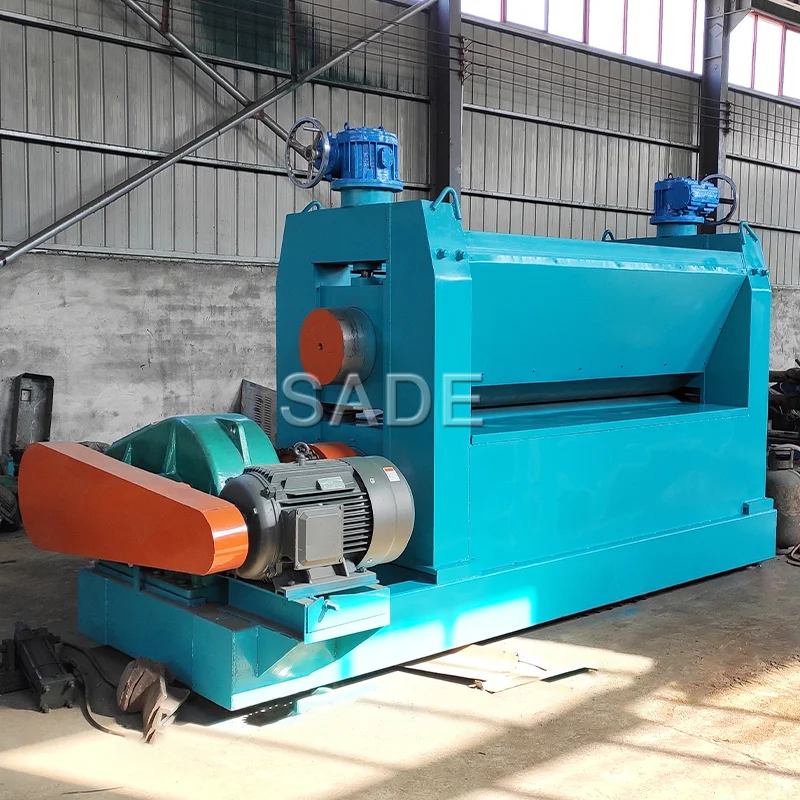
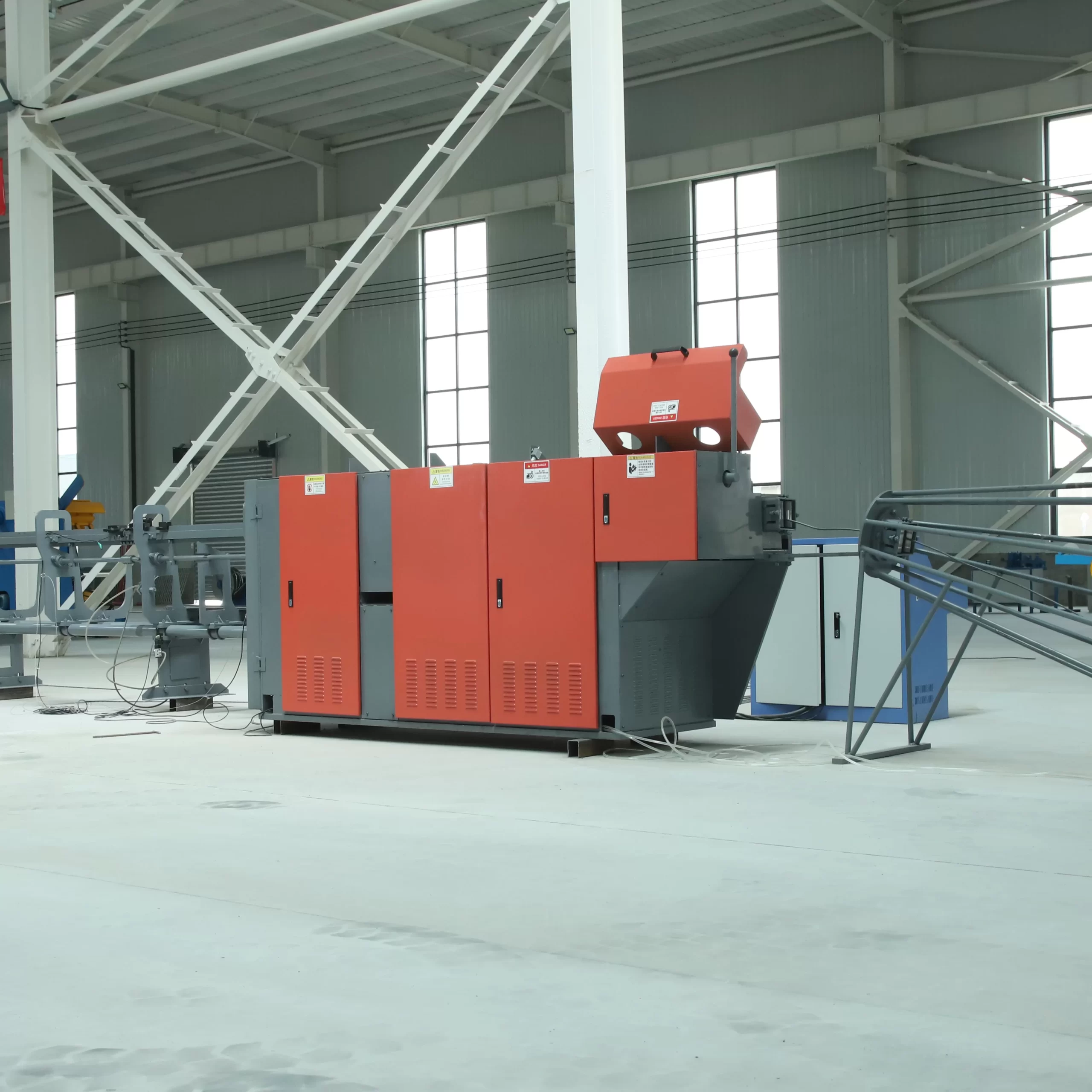
ZPJ Metal Mesh Flatting Machine
ZPJ metal mesh flatting machine is special designed for expanded metal flatting.It’s a corollary equipment of expanded metal machine. It can make expanded wire-mesh smoothly.And the flattened expanded metal have much more widely different applications.
Apr 24, 2026
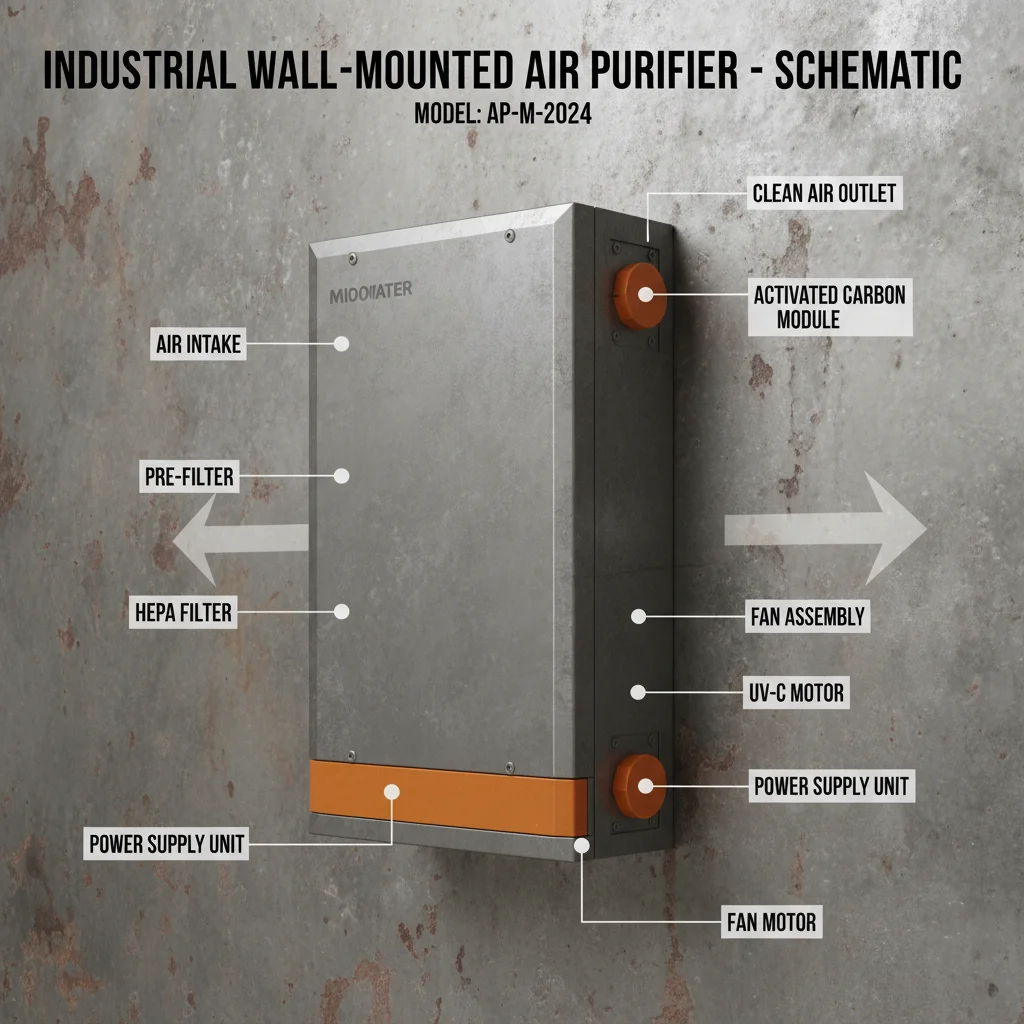
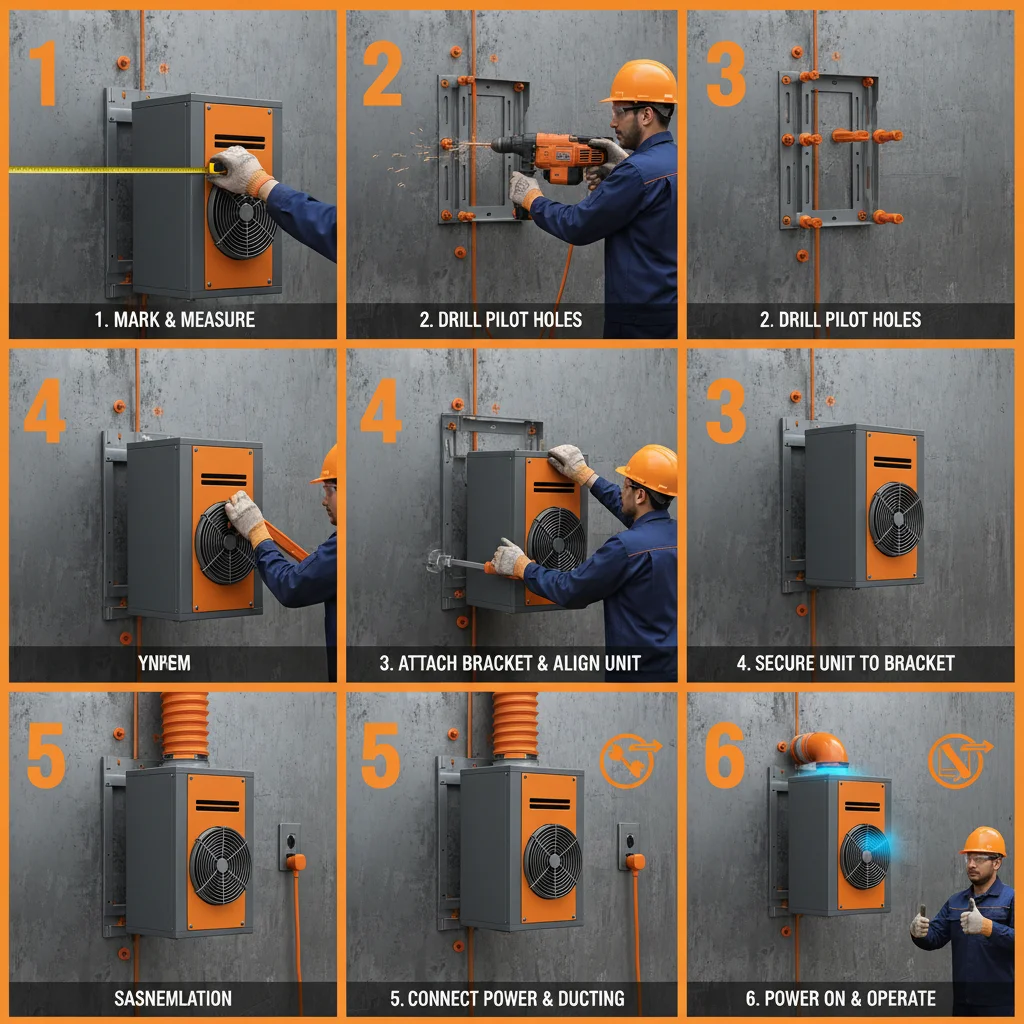
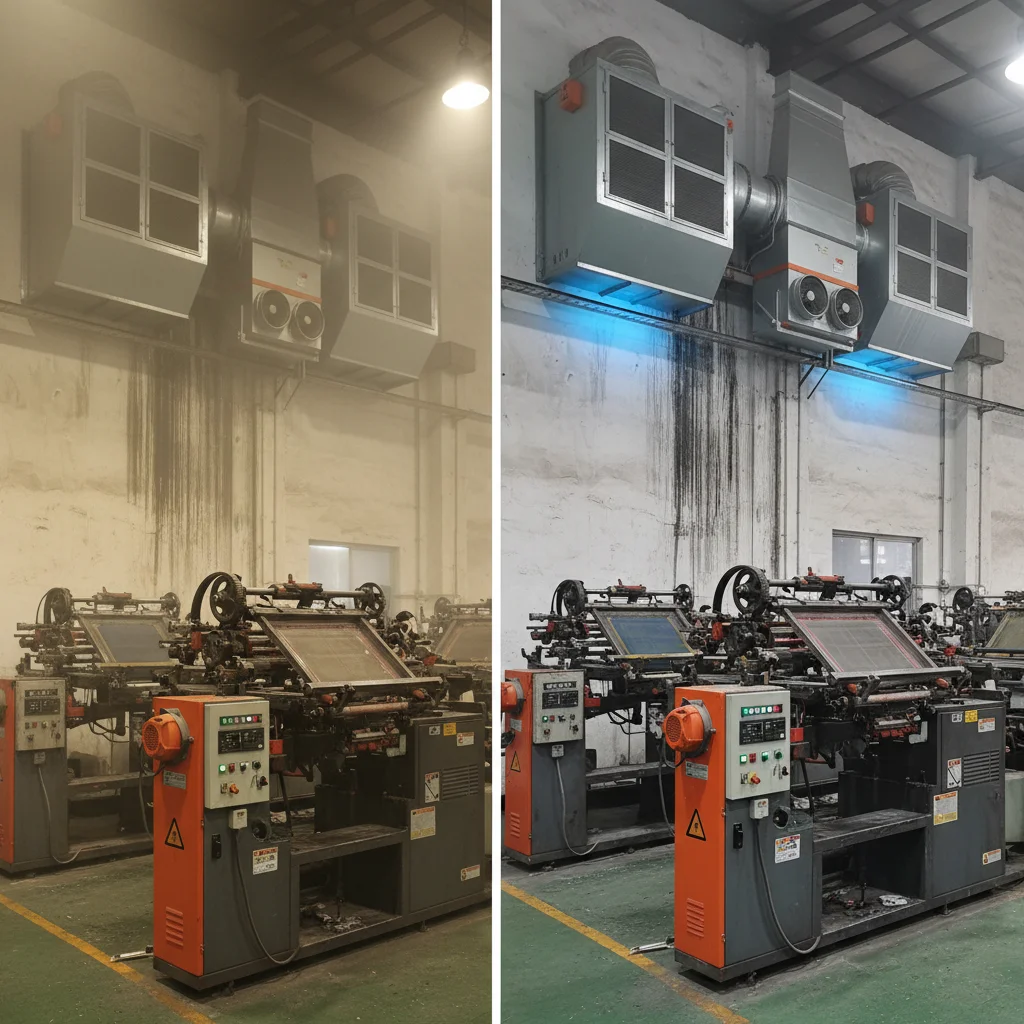
Industrial Wall Mounted Air Filtration for Clean Work Environments