
February 06, 2026
Gabion baskets are increasingly popular in various applications, including erosion control, retaining walls, and decorative landscaping. The demand for these structures necessitates efficient and reliable manufacturing processes. A gabion mesh making machine (Станок для производства габионых сеток) is the cornerstone of this production. This article provides an in-depth overview of these machines, their functionality, key considerations for selection, and the benefits they offer to manufacturers. Understanding the intricacies of these machines is crucial for optimizing production and meeting market demands. We will explore the different types available and how to choose the right one for your specific needs.
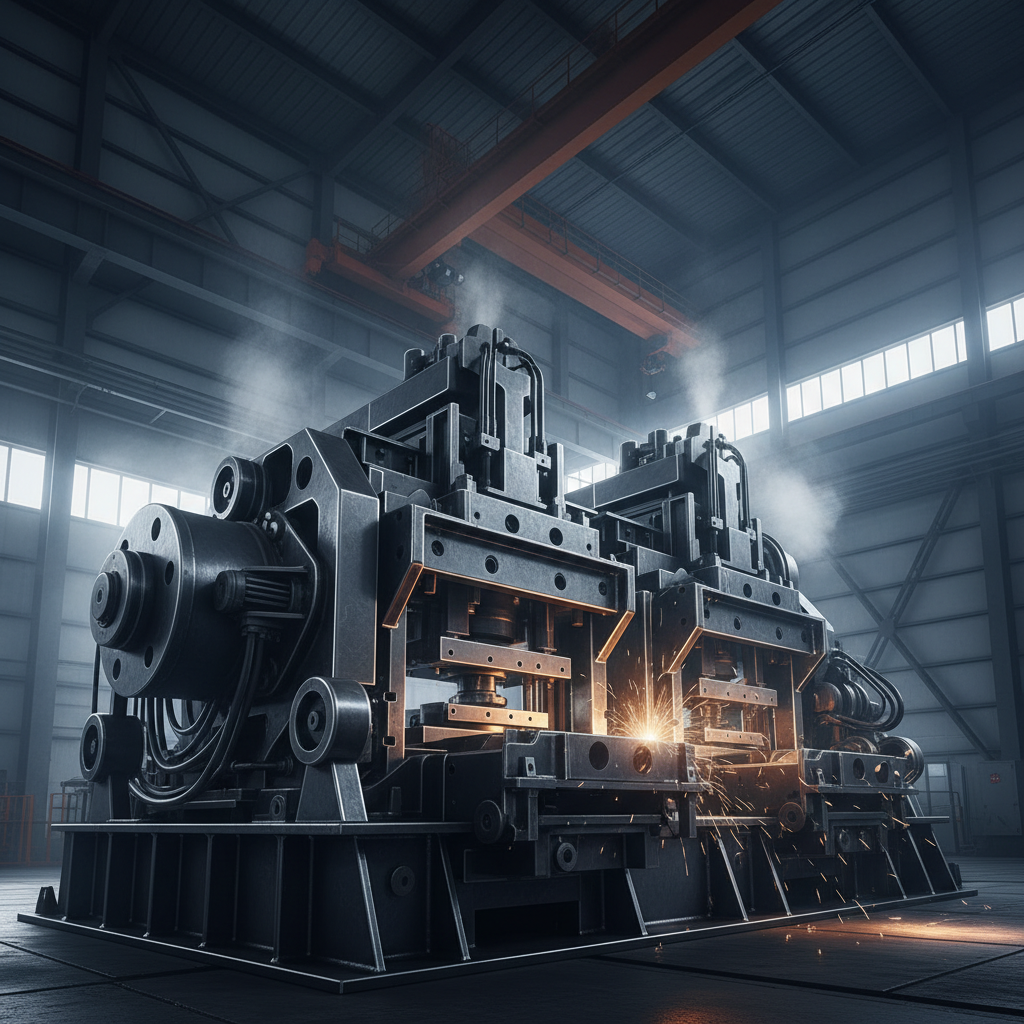
A gabion mesh making machine automates the process of weaving wire to create the mesh panels used in gabion baskets. These machines typically consist of a wire feeding system, a weaving mechanism, a mesh forming section, and a winding/cutting system. The wire is fed into the machine, guided through a series of rollers and guides, and then interwoven to create the desired mesh pattern. Modern machines offer precise control over wire diameter, mesh aperture (opening size), and mesh width. The automation significantly reduces labor costs, increases production speed, and ensures consistent mesh quality compared to manual weaving. Choosing a reliable gabion mesh machine is a vital step towards efficient manufacturing.
Key Benefits: Automated production, reduced labor costs, consistent mesh quality, increased production speed, precise control over mesh parameters.
Several types of gabion mesh making machines are available, each suited for different production volumes and mesh specifications. Common types include: chain-link fence machines adapted for heavier gauge wire, hexagonal mesh machines specifically designed for gabions, and fully automated CNC mesh weaving machines. Chain-link adapted machines are often more affordable but may have limitations in mesh size and precision. Hexagonal mesh machines are optimized for the specific requirements of gabion baskets. CNC machines offer the highest level of control and flexibility but come at a premium cost. Understanding these distinctions is crucial when selecting a machine that aligns with your production goals. Investing in the right type of gabion mesh machine ensures long-term profitability.
Machine Type Comparison:
• Chain-link Adapted: Affordable, suitable for lower volumes.
• Hexagonal Mesh: Optimized for gabion mesh, higher precision.
• CNC Mesh Weaving: High control, flexibility, premium cost.
When selecting a gabion mesh making machine, several key specifications need careful consideration. These include: wire diameter range (the thickness of wire the machine can handle), mesh aperture size (the size of the openings in the mesh), mesh width (the maximum width of the mesh that can be produced), production capacity (the amount of mesh produced per hour), and automation level. Also consider the power requirements, the machine's footprint, and the availability of technical support and spare parts. The optimal specifications will depend on the specific requirements of your target market and your production volume. Meshmachinery.com offers machines with varying specifications to meet diverse needs.
Automated gabion mesh production offers significant advantages over manual methods. Beyond the reduction in labor costs and increased production speed, automation leads to more consistent product quality, reduced material waste, and improved worker safety. The ability to precisely control mesh parameters allows manufacturers to meet specific customer requirements and maintain a competitive edge. Moreover, investing in a reliable Станок для производства габионых сеток demonstrates a commitment to efficiency and innovation, enhancing a company's reputation within the industry. This, in turn, can lead to increased market share and profitability.
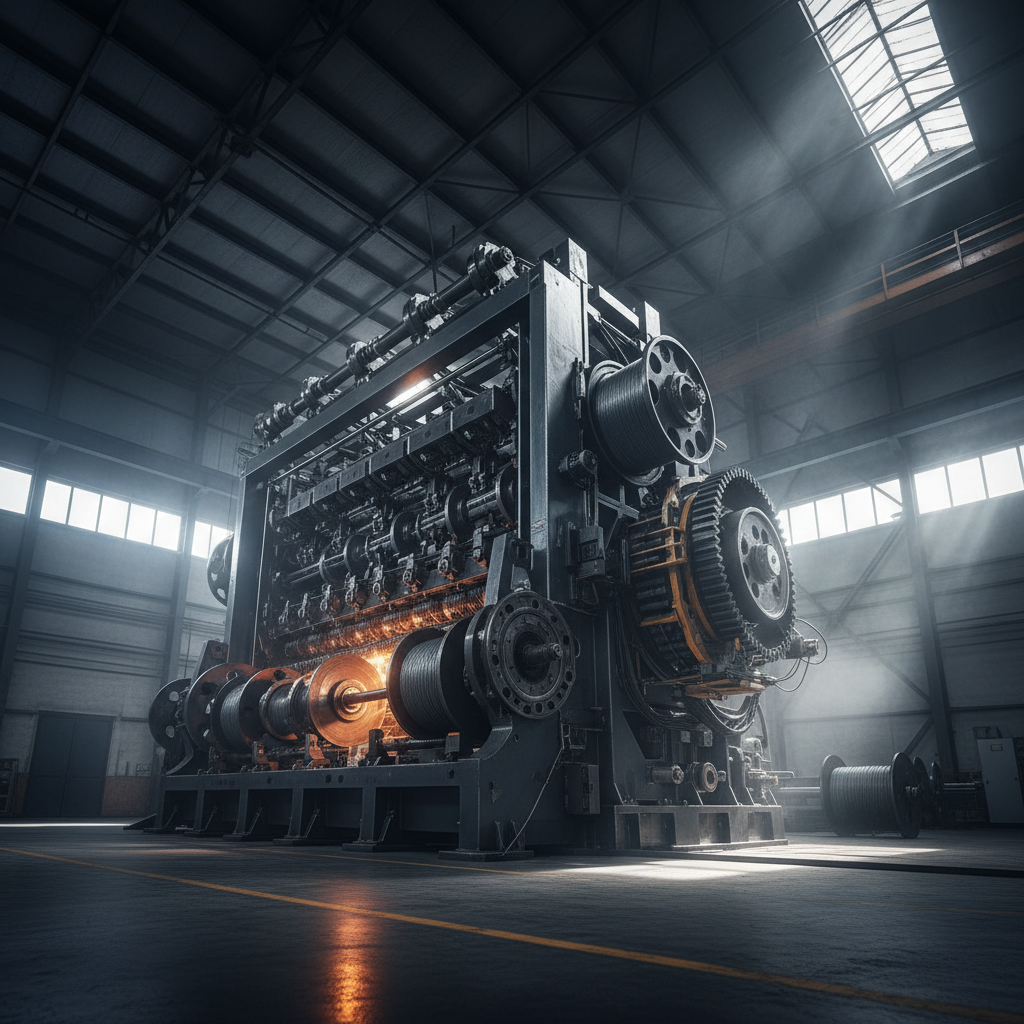
Regular maintenance is crucial for ensuring the longevity and optimal performance of your gabion mesh making machine. This includes routine lubrication of moving parts, inspection of wear items (such as rollers and guides), and cleaning to remove dust and debris. Choosing a supplier that offers comprehensive technical support and readily available spare parts is essential. Proper maintenance prevents costly downtime and extends the life of your investment. Meshmachinery.com provides excellent after-sales service and support to its customers.
Investing in a high-quality Станок для производства габионых сеток is a strategic decision that can significantly enhance your production capabilities and profitability. By carefully considering your specific needs and choosing a reliable machine with comprehensive support, you can ensure a smooth and efficient manufacturing process. Don't compromise on quality – choose a machine that will deliver consistent performance and long-term value.
The power consumption varies depending on the size and automation level of the machine. Smaller, semi-automatic machines may consume around 5-10 kW, while larger, fully automated CNC machines can require 15-30 kW or more. It’s crucial to ensure your facility has adequate power supply capacity to handle the machine’s requirements. Always check the manufacturer's specifications for the precise power consumption details. Proper voltage and amperage are essential for optimal performance and to prevent damage to the machine.
Modern gabion mesh making machines incorporate several safety features to protect operators. These include emergency stop buttons, safety guards and enclosures to prevent access to moving parts, overload protection systems, and automatic shutdown mechanisms in case of malfunctions. Some machines also feature light curtains or laser scanners to detect the presence of personnel near hazardous areas. It is crucial to ensure all safety features are functioning correctly and that operators are properly trained on their use.
The learning curve depends on the complexity of the machine and the operator's prior experience. A basic understanding of mechanical principles and machine operation is helpful. Typically, with proper training from the manufacturer or a qualified technician, an operator can become proficient in basic operation within 1-2 weeks. Mastering advanced features and troubleshooting may require additional training and experience. Meshmachinery.com provides comprehensive training programs to ensure operators can safely and efficiently operate their equipment.
The ROI depends on several factors, including production volume, labor costs, material costs, and selling price of the mesh. However, due to the significant reduction in labor costs and increased production efficiency, a gabion mesh making machine typically has a relatively short ROI period, often ranging from 1 to 3 years. By automating the production process, manufacturers can significantly increase their profitability and gain a competitive advantage in the market.
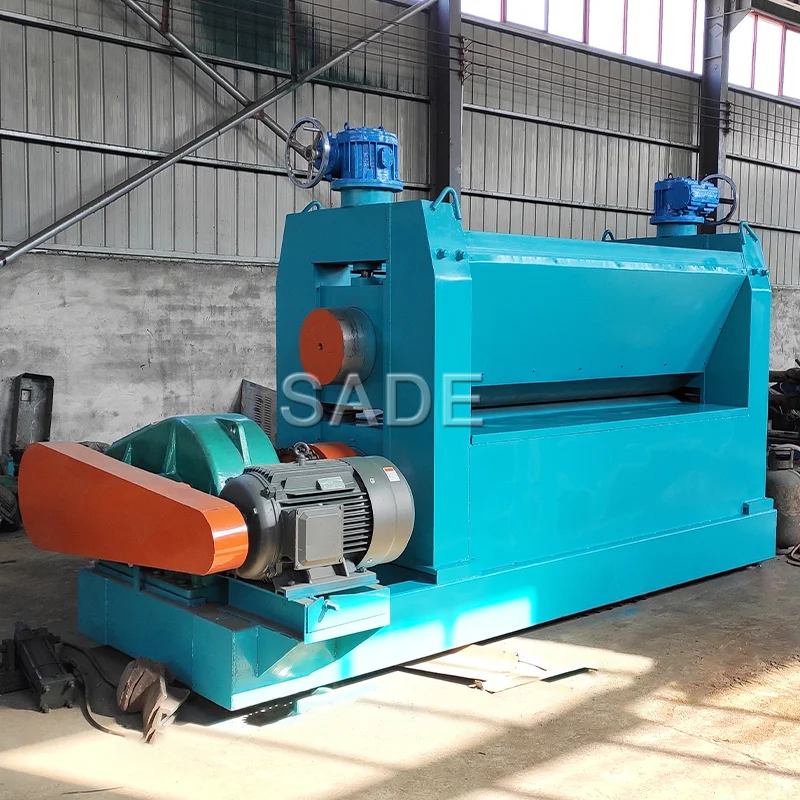
ZPJ Metal Mesh Flatting Machine
ZPJ metal mesh flatting machine is special designed for expanded metal flatting.It’s a corollary equipment of expanded metal machine. It can make expanded wire-mesh smoothly.And the flattened expanded metal have much more widely different applications.
Apr 24, 2026
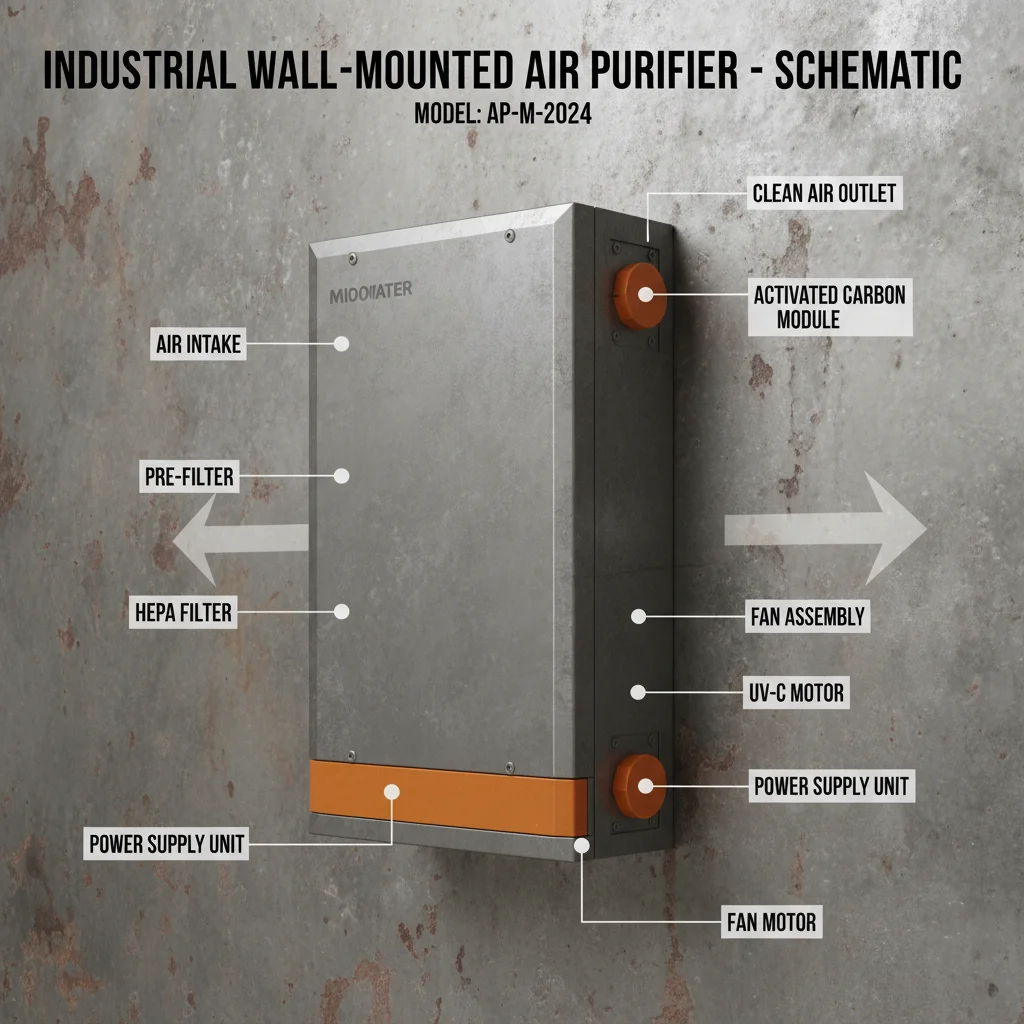
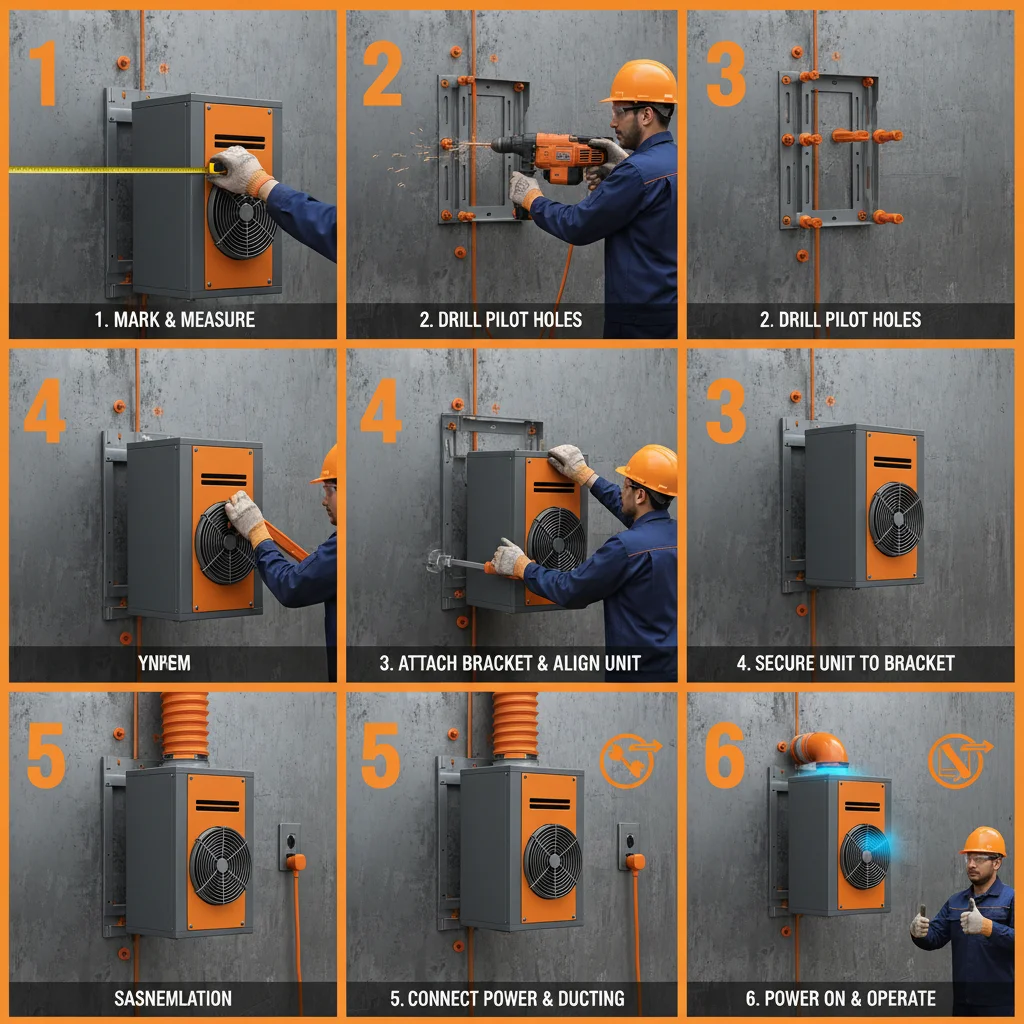
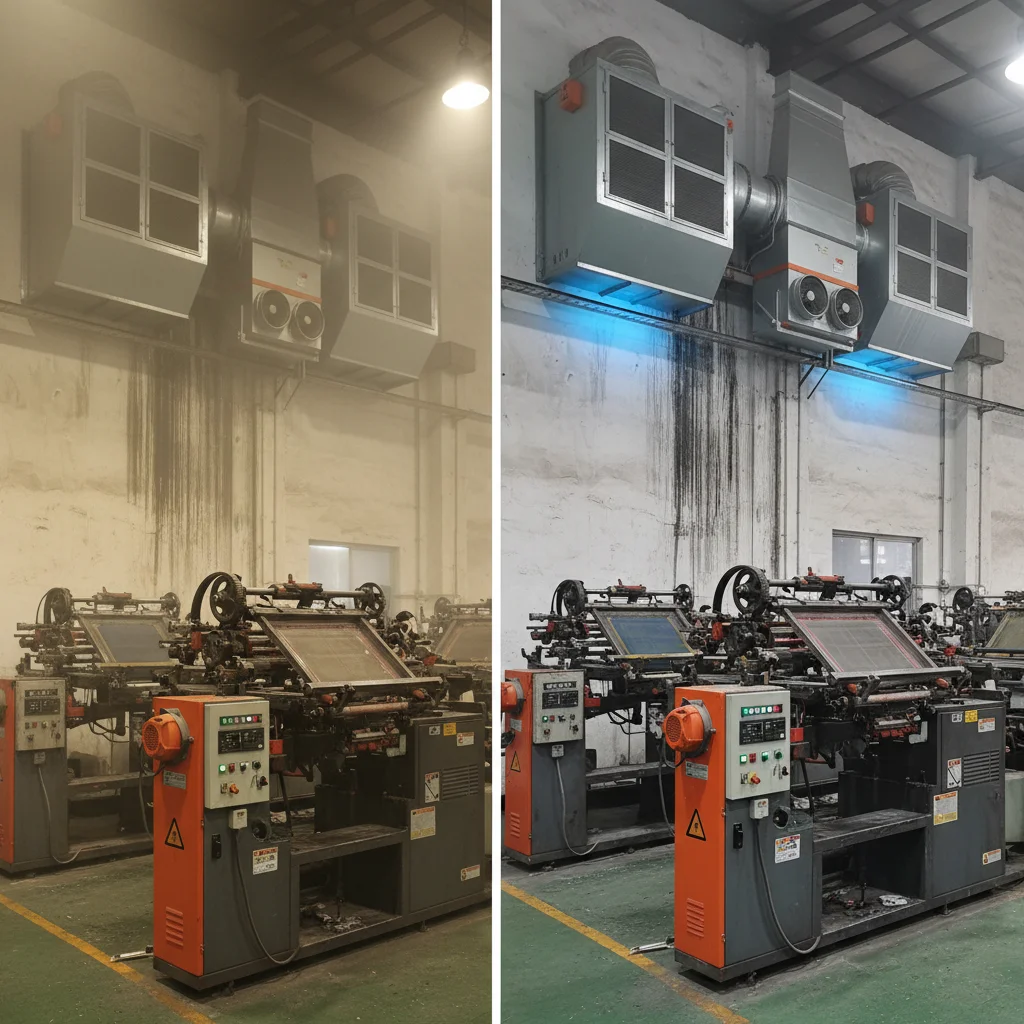
Industrial Wall Mounted Air Filtration for Clean Work Environments