
March 11, 2026
Expanded metal is a versatile material used in diverse applications, from construction and security fencing to automotive components and decorative elements. The process of creating this material relies heavily on specialized machinery, notably the expanded metal press. This article delves into the intricacies of expanded metal press technology, its applications, benefits, and considerations for choosing the right equipment. We will cover various types, operating principles, and how Mesh Machinery provides leading solutions.
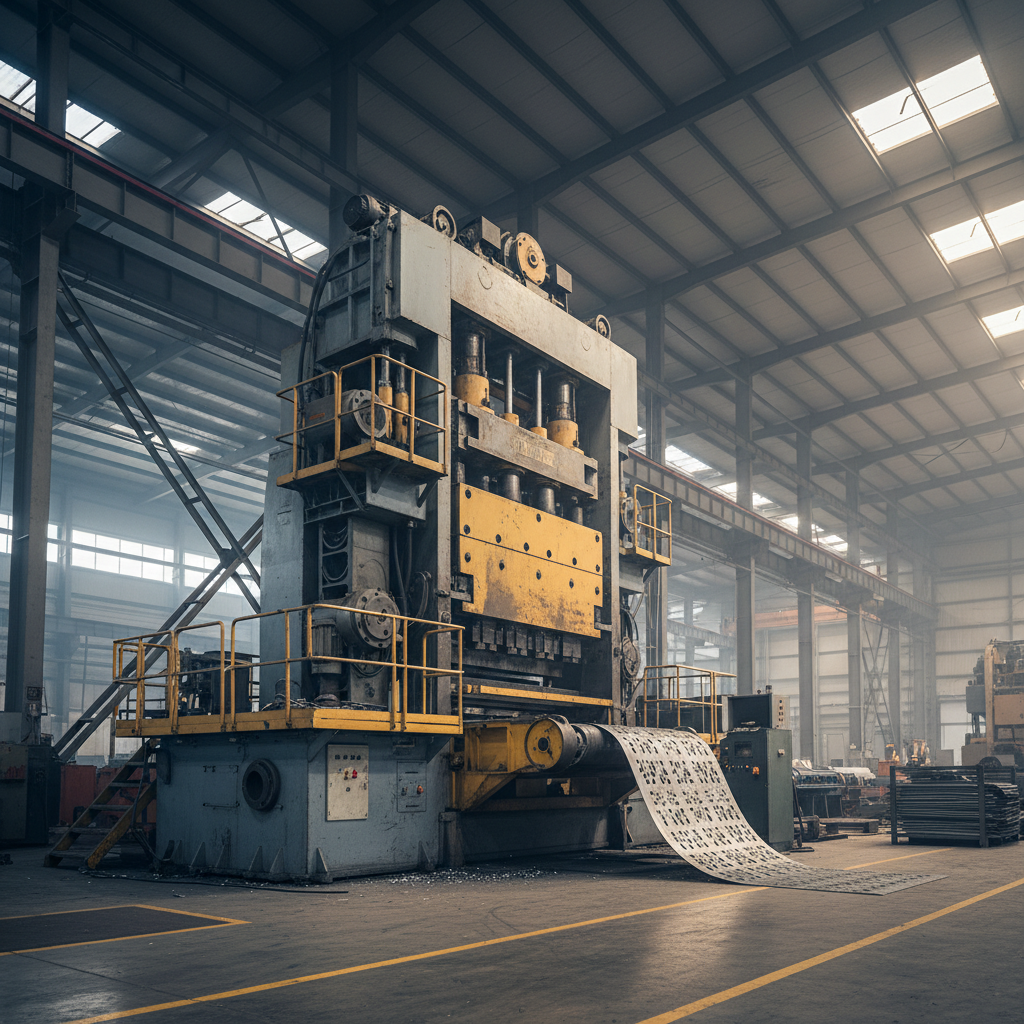
An expanded metal press is a specialized machine designed to create expanded metal from solid metal sheets. Unlike punching or cutting, the expansion process stretches the metal, preserving most of its original mass. This results in a strong, lightweight material with a unique open-mesh pattern. The press utilizes a series of dies and forming tools to simultaneously slit and stretch the metal sheet, creating the desired diamond or hexagonal openings. Mesh Machinery specializes in delivering high-performance expanded metal presses optimized for various metal types and production volumes.
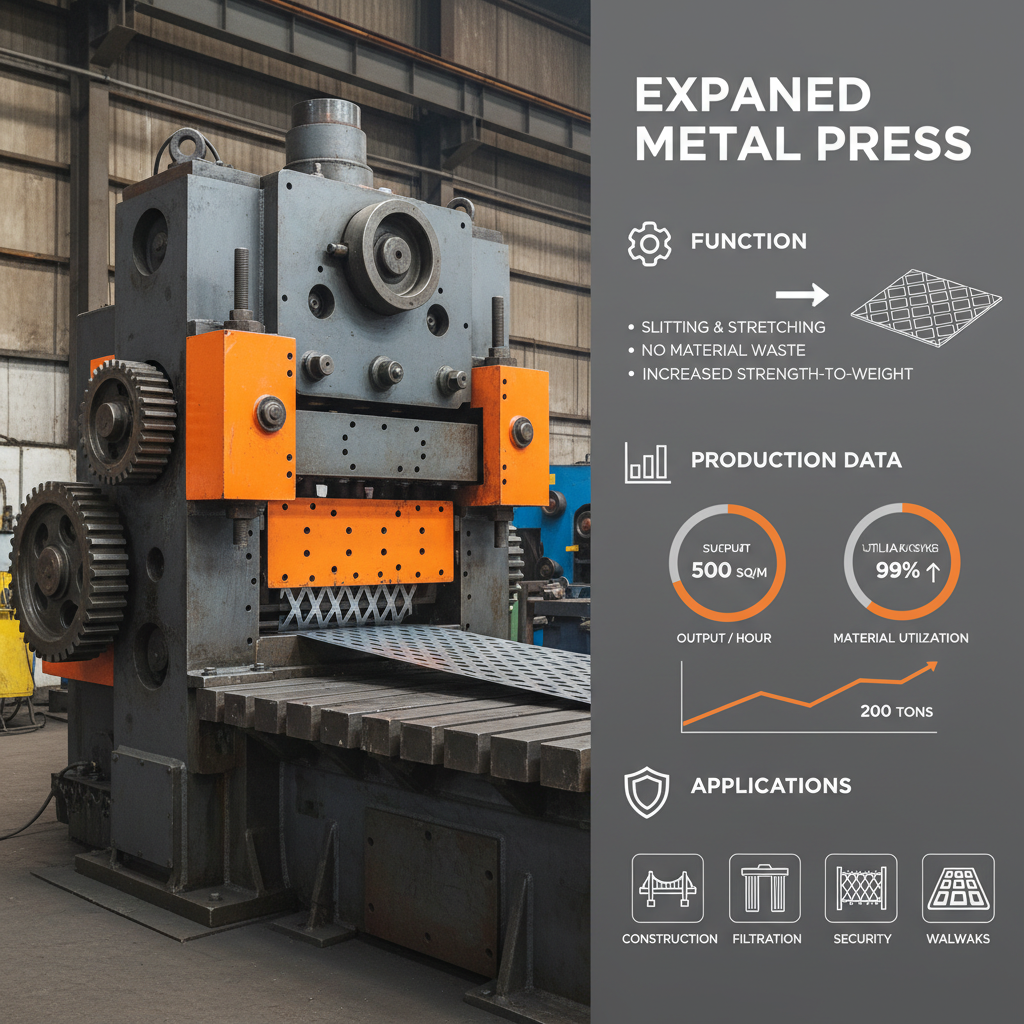
Key Advantage: Expanded metal retains a higher percentage of the original metal compared to punching, reducing material waste and costs.
Several types of expanded metal presses cater to different production needs. The primary classifications include:
The choice of press type depends on factors such as material thickness, production volume, desired mesh size, and the complexity of the pattern. Mesh Machinery offers a diverse range of press types to meet specific manufacturing requirements.
Press Type Comparison:
• Mechanical: High Speed, Consistent Results
• Hydraulic: High Capacity, Versatile
• Servo: Precision Control, Complex Patterns
The process of using an expanded metal press involves several key steps:
The speed and efficiency of this process depend on the press's capabilities and the operator's skill. Mesh Machinery's presses are engineered for smooth operation and consistent results.
Selecting the appropriate expanded metal press requires careful consideration of several factors. These include:
Expanded metal created using these presses finds application in numerous industries. Some prominent examples include: construction (walkways, stair treads), security (fencing, cages), automotive (radiator grilles, speaker covers), and industrial flooring. The versatility and strength of expanded metal make it an ideal solution for a wide range of structural and aesthetic applications. Mesh Machinery helps manufacturers serve these diverse markets with efficient and reliable equipment.
Choosing the right expanded metal press is crucial for efficient production and high-quality results. Mesh Machinery offers a comprehensive range of presses, backed by expert engineering and support, to help you meet your manufacturing goals. By investing in reliable equipment and partnering with a trusted supplier, you can optimize your production process and deliver superior expanded metal products.
Regular maintenance is crucial for extending the life of your expanded metal press. This includes lubricating moving parts, inspecting dies for wear and tear, checking hydraulic fluid levels (for hydraulic presses), and ensuring proper alignment. Preventive maintenance schedules, as outlined in the press's manual, should be followed diligently. Mesh Machinery provides comprehensive maintenance services and support to ensure optimal press performance.
Operating an expanded metal press requires strict adherence to safety protocols. Always wear appropriate personal protective equipment (PPE), including safety glasses, gloves, and hearing protection. Ensure the safety guards are in place and functioning correctly. Never reach into the press while it is in operation. Proper training and understanding of the press's controls and emergency stop mechanisms are essential.
Yes, expanded metal presses can accommodate different metal gauges, but it depends on the press’s capacity and the tooling used. Heavier-duty presses with larger hydraulic systems or robust mechanical drives are needed for thicker gauges. The dies must also be appropriately sized and designed for the specific metal thickness. Mesh Machinery offers presses with adjustable parameters and a range of tooling options to handle various gauges effectively.
Expanded metal offers several advantages over methods like punching or cutting. It maintains a higher percentage of the original metal, reducing waste and cost. The unique open-mesh pattern provides excellent strength-to-weight ratio and allows for airflow or filtration. It also offers a non-slip surface, making it ideal for flooring and walkways. The process is also relatively fast and efficient, making it suitable for large-scale production.
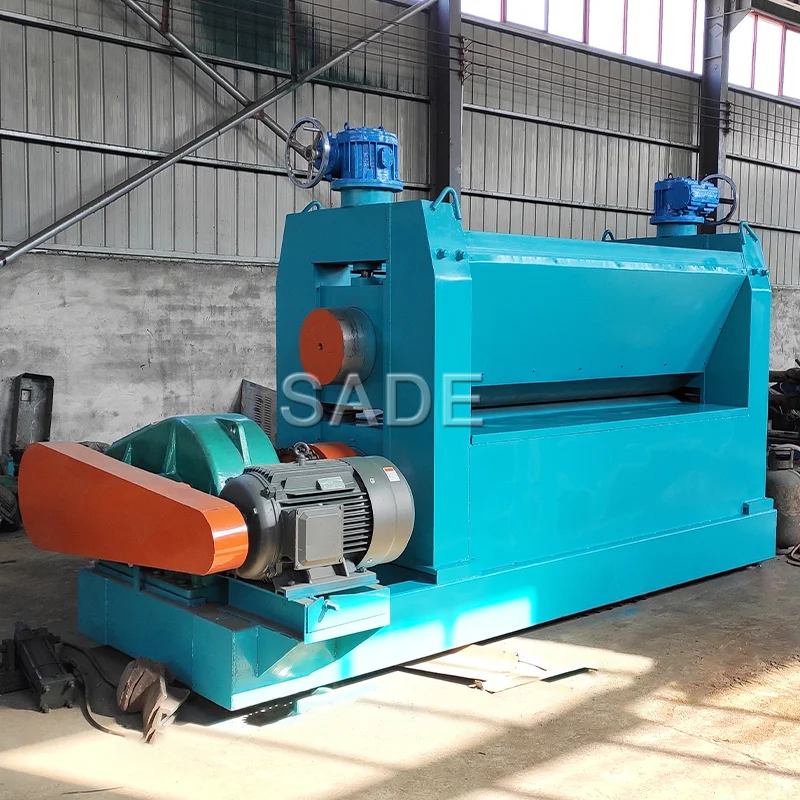
ZPJ Metal Mesh Flatting Machine
ZPJ metal mesh flatting machine is special designed for expanded metal flatting.It’s a corollary equipment of expanded metal machine. It can make expanded wire-mesh smoothly.And the flattened expanded metal have much more widely different applications.
Apr 24, 2026
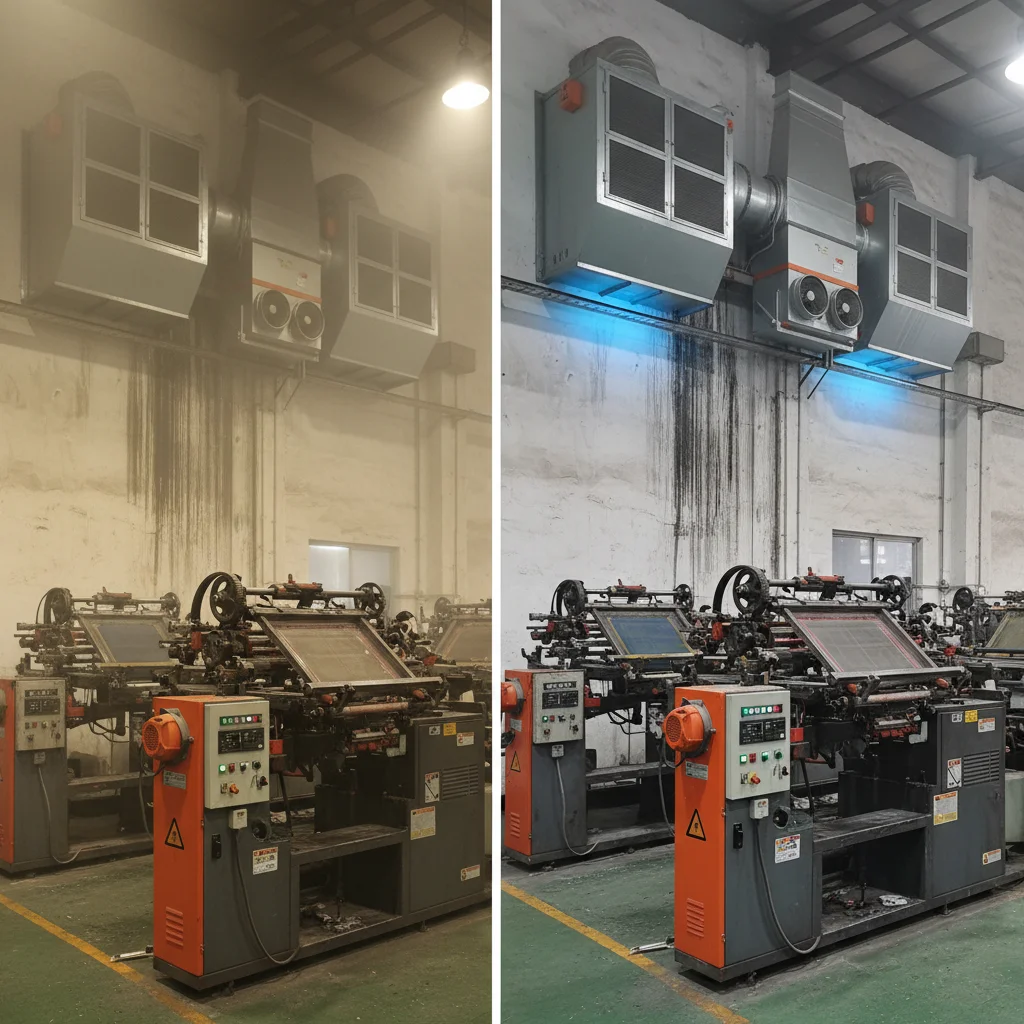
Industrial Wall Mounted Air Filtration for Clean Work Environments