
March 11, 2026
Investing in an expanded metal mesh machine is a significant step for businesses involved in construction, filtration, security, and various industrial applications. The expanded metal mesh machine price can vary considerably based on capacity, automation levels, and customization. This article provides a comprehensive overview of the factors influencing pricing, different machine types, and how to choose the best machine for your specific needs, alongside valuable insights to help you make an informed purchasing decision. Understanding these details will empower you to negotiate effectively and maximize your return on investment.
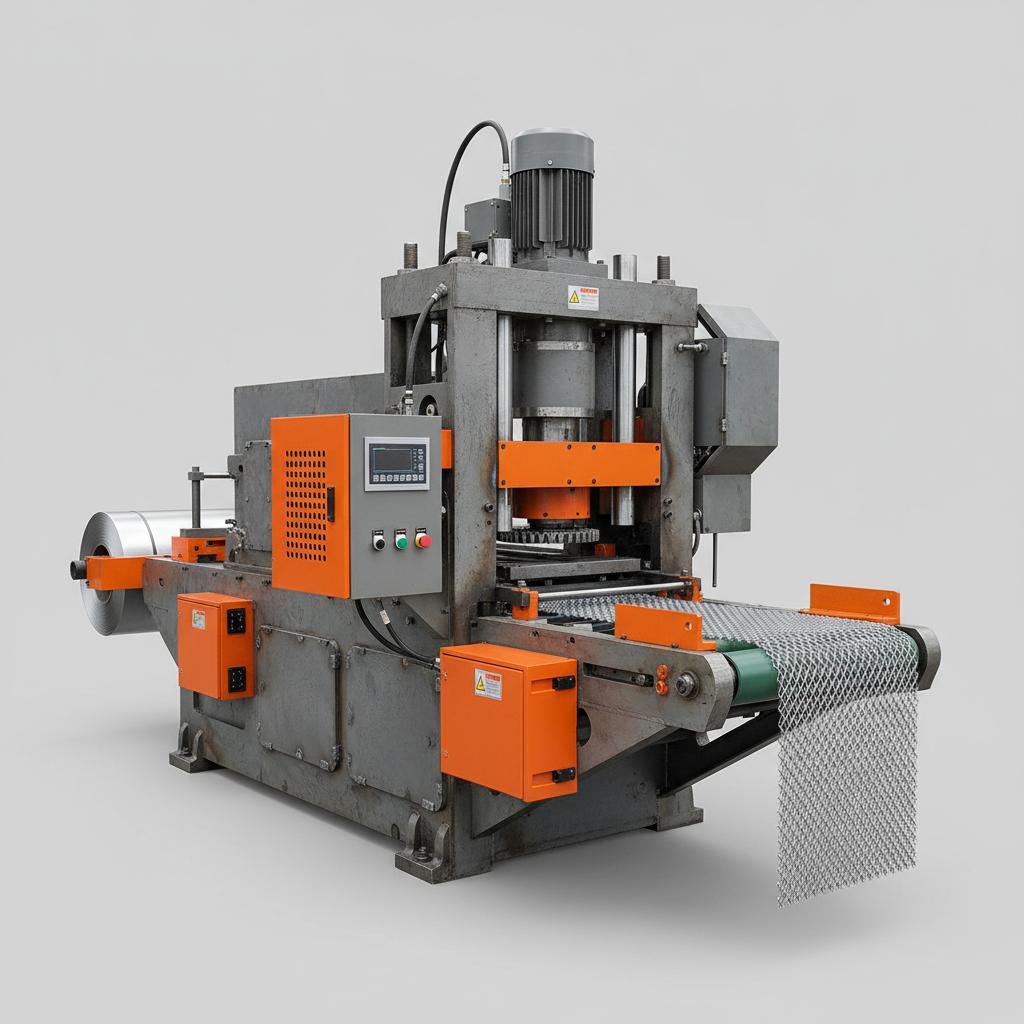
Several key elements drive the price of an expanded metal mesh machine. These include the machine’s automation level (manual, semi-automatic, or fully automatic), the processing capacity (how much material it can handle per hour), the width and thickness of the metal it can process, and the type of metal it can handle (steel, aluminum, stainless steel, etc.). Customization, such as specialized dies or added features, also adds to the cost. The geographic location of the manufacturer and the inclusion of after-sales services like installation, training, and maintenance significantly impact the overall investment. Consider your long-term production goals and required features when assessing the price.
Key Considerations: Automation level, processing capacity, material compatibility, and after-sales support all play a crucial role in determining the final price.
Expanded metal mesh machines come in various types, each designed for specific production needs and budgets. Manual machines are the most affordable but require significant labor. Semi-automatic machines offer a balance between cost and efficiency, while fully automatic machines provide the highest production capacity and minimal labor requirements but come with a higher expanded metal mesh machine price. Below is a comparative overview of common machine types and their approximate price ranges:
When sourcing an expanded metal mesh machine, comparing suppliers is crucial. Look beyond the initial expanded metal mesh machine price and assess the supplier’s reputation, experience, and after-sales support. Consider factors like machine quality, lead times, installation services, operator training, and the availability of spare parts. Reading customer reviews and visiting trade shows can provide valuable insights. Meshmachinery.com is a trusted source, offering a range of machines and comprehensive support services.
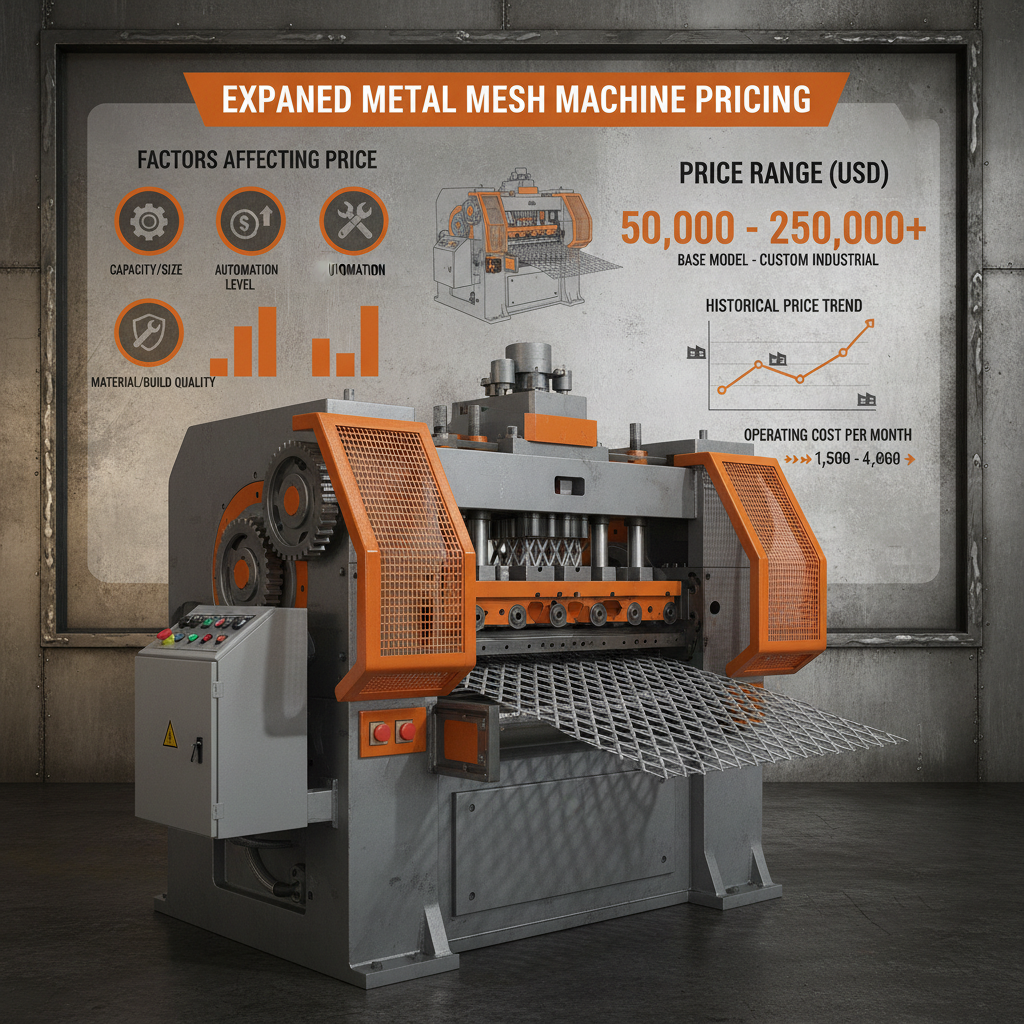
Customizing an expanded metal mesh machine to meet specific production requirements invariably increases the price. This might involve tailoring the machine to handle different metal thicknesses, adjusting the mesh opening sizes, or integrating specialized features. While customization adds to the initial investment, it can significantly improve efficiency, reduce waste, and enhance the quality of your finished products. Before opting for customization, carefully assess your needs and determine the return on investment. A detailed discussion with the manufacturer can help you optimize the design and minimize costs.
Don’t solely focus on the advertised expanded metal mesh machine price. Factor in potential hidden costs such as shipping, installation, operator training, tooling (dies), ongoing maintenance, and electricity consumption. Also, consider the cost of spare parts and potential downtime for repairs. A reputable supplier will provide a comprehensive cost breakdown, enabling you to accurately assess the total cost of ownership.
Choosing the right expanded metal mesh machine requires careful consideration of your production needs, budget, and long-term goals. By understanding the factors influencing price, comparing suppliers, and accounting for hidden costs, you can make an informed investment that delivers lasting value. Meshmachinery.com is a valuable resource for finding reliable machines and expert guidance.
Lead times can vary significantly depending on the machine type, customization level, and the supplier's current workload. Generally, manual machines have shorter lead times (4-8 weeks), while fully automatic machines with customizations can take 12-20 weeks or longer. It's crucial to confirm the lead time with the supplier before placing an order and factor it into your production planning. Consider potential delays due to component sourcing or unforeseen circumstances. Establishing clear communication with the supplier throughout the production process is essential.
Regular maintenance is vital for ensuring optimal performance and extending the lifespan of the machine. This includes daily lubrication of moving parts, periodic inspection of dies for wear and tear, and cleaning to remove metal debris. More extensive maintenance, such as hydraulic system checks and electrical component inspections, should be performed by qualified technicians on a scheduled basis. Following the manufacturer’s maintenance guidelines is crucial. Neglecting maintenance can lead to costly repairs and downtime.
The price typically does not include installation and training, although some suppliers may offer these services as part of a package. Installation costs will vary depending on your location and the complexity of the machine. Operator training is highly recommended to ensure safe and efficient operation. Be sure to clarify what is included in the price and whether additional charges apply for installation, training, or travel expenses. Meshmachinery.com provides comprehensive training and installation support.
Common payment terms include a percentage upfront as a deposit (typically 30-50%), with the remaining balance paid upon completion of the machine and before shipment. Some suppliers may offer letter of credit (LC) as a payment option. Negotiating payment terms is essential, especially for large orders. Be sure to clarify all payment details and any associated fees before signing the contract.
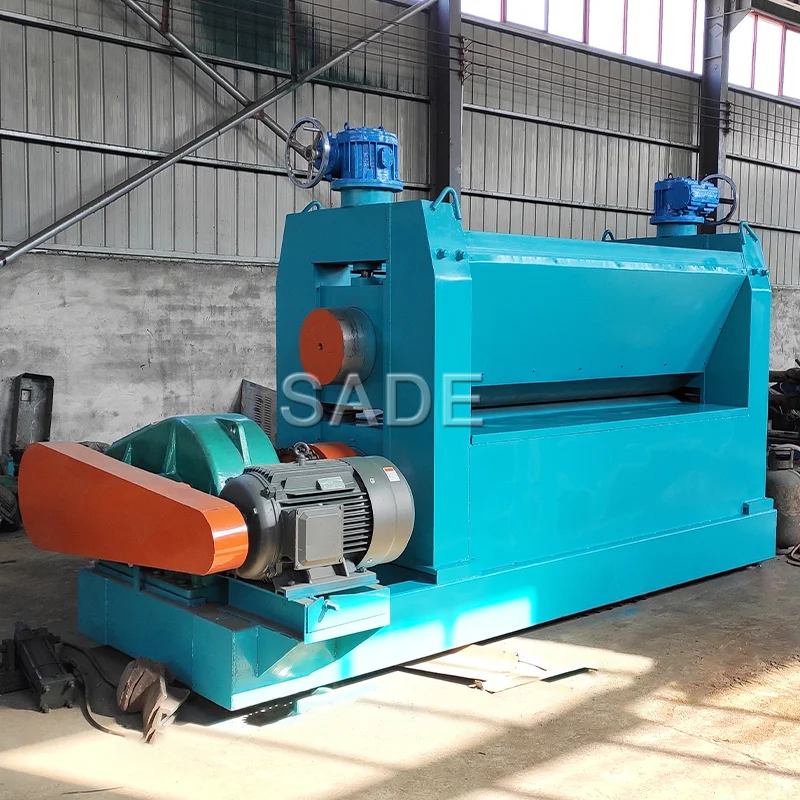
ZPJ Metal Mesh Flatting Machine
ZPJ metal mesh flatting machine is special designed for expanded metal flatting.It’s a corollary equipment of expanded metal machine. It can make expanded wire-mesh smoothly.And the flattened expanded metal have much more widely different applications.
Apr 24, 2026
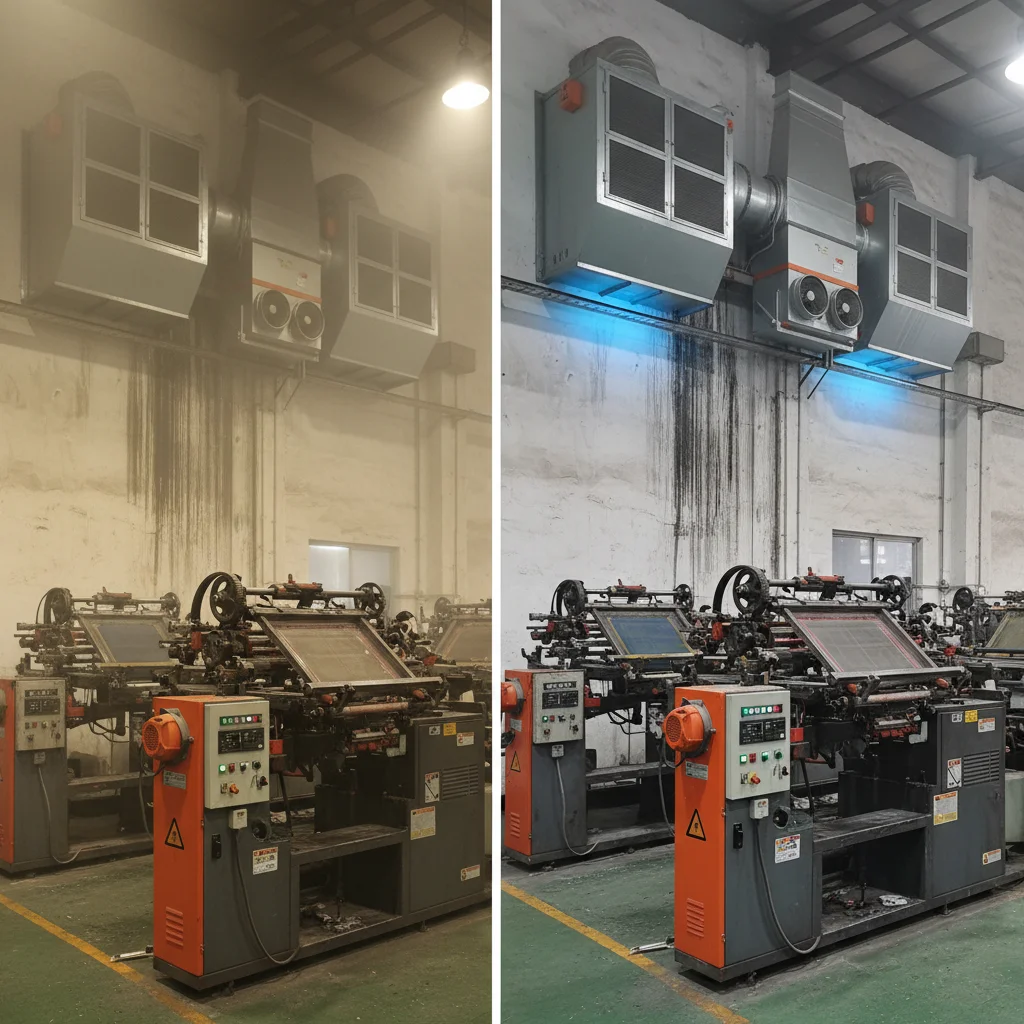
Industrial Wall Mounted Air Filtration for Clean Work Environments