
March 11, 2026
Expanded metal is a versatile material widely used in various industries, from construction and security to filtration and decorative applications. At the heart of its production lies the bender expanded metal machine, a specialized piece of equipment transforming solid metal sheets into a durable and aesthetically pleasing mesh. This article will delve into the workings, benefits, applications, and key considerations when choosing a bender expanded metal machine. We'll explore how these machines optimize metal processing, ensuring efficiency and quality in expanded metal production. Mesh Machinery is a leading provider of such machinery, offering tailored solutions for diverse manufacturing needs.
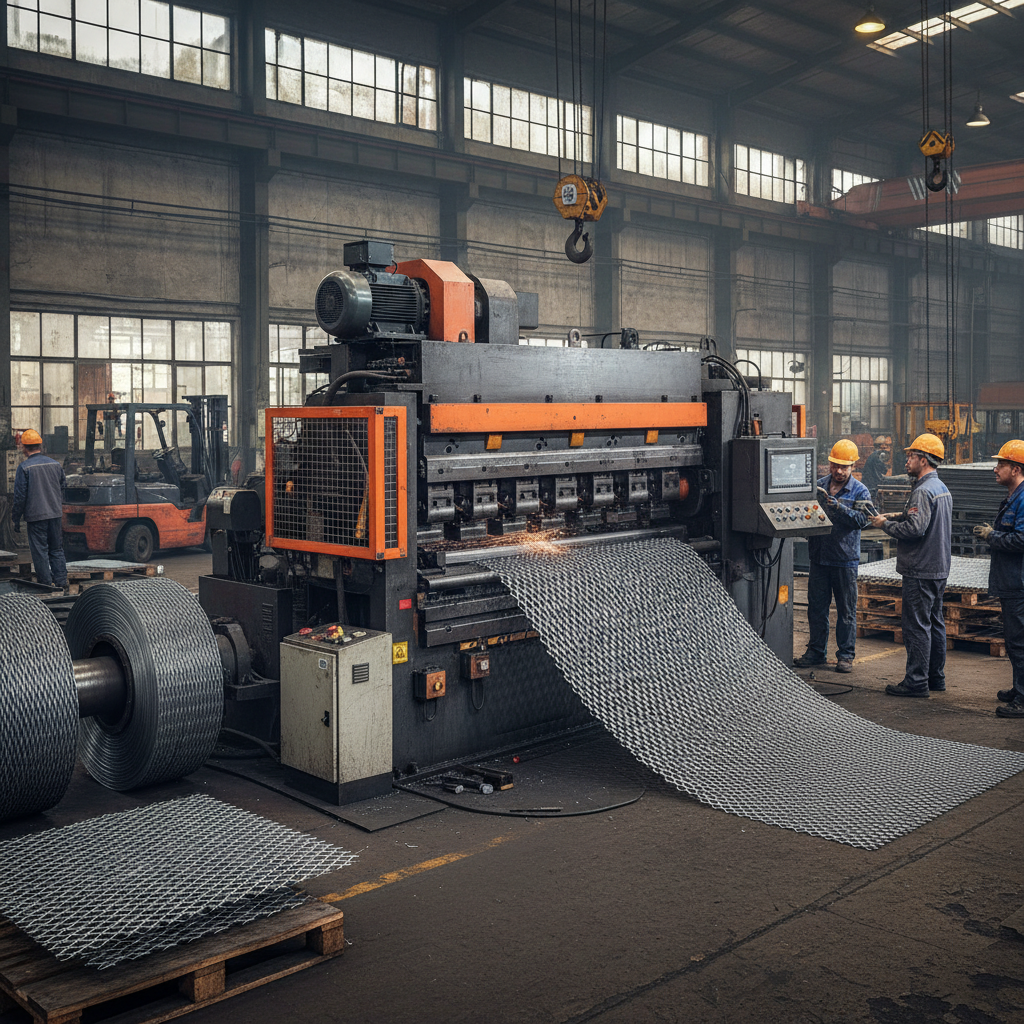
The process begins with feeding a metal sheet into the machine. A series of specialized rollers and cutting tools, precisely engineered, simultaneously slit and stretch the metal. The slitting creates a pattern of cuts while the stretching expands the metal, forming a diamond or hexagonal mesh. The key is maintaining synchronized movements to ensure consistent pattern accuracy and material integrity. Modern machines often feature computerized controls allowing for adjustments in pattern size, sheet thickness, and processing speed. This precision ensures efficient production and minimizes material waste. Mesh Machinery’s machines incorporate the latest advancements in automation for superior performance.
Key Benefits: Efficient production, minimal material waste, consistent pattern accuracy, and adaptable to various metal types.
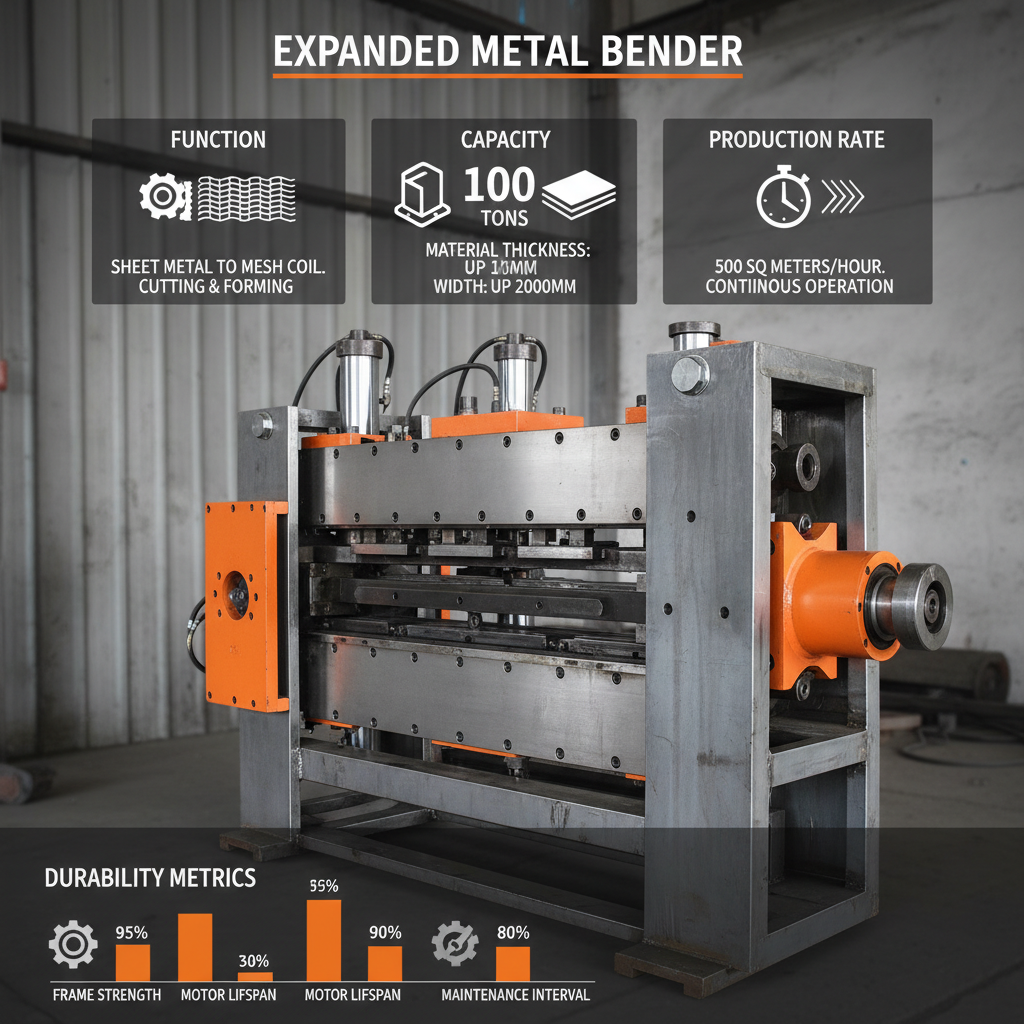
Selecting the right bender expanded metal machine requires careful consideration of several factors. Key features include the machine’s capacity (maximum sheet thickness and width), the type of material it can process (steel, aluminum, stainless steel, etc.), and the level of automation. Advanced machines boast features like automatic lubrication systems, adjustable slitting and stretching speeds, and programmable pattern controls. The machine’s overall construction and durability are also crucial for long-term reliability and minimal maintenance. Below is a table outlining typical specifications:
Bender expanded metal machines come in two primary types: manual and automatic. Manual machines require more operator involvement, necessitating skilled labor to control the process. While they are typically more affordable upfront, they have lower production rates and can be prone to inconsistencies. Automatic machines, on the other hand, utilize computerized controls to automate the process, resulting in higher efficiency, precision, and reduced labor costs. The initial investment is higher, but the long-term benefits often outweigh the costs, especially for high-volume production. The graphic below illustrates a comparison:
The versatility of expanded metal leads to a wide array of applications. In construction, it's used for walkways, stair treads, and safety grating. Security applications include cages, enclosures, and fencing. Industrial sectors utilize expanded metal for filter screens, speaker grills, and shelving. Furthermore, it's increasingly used in architectural designs for facades, sunshades, and decorative elements. The expanded metal created with a bender expanded metal machine offers strength, durability, and aesthetic appeal for a diverse set of industries.
Selecting a reputable supplier is crucial for obtaining a reliable and high-performance bender expanded metal machine. Look for suppliers with a proven track record, offering comprehensive technical support, and providing customized solutions to meet your specific needs. Consider factors such as machine quality, warranty coverage, and after-sales service. Mesh Machinery stands out as a trusted supplier, providing cutting-edge technology and dedicated customer support to ensure optimal performance and customer satisfaction.
Investing in a high-quality bender expanded metal machine is a strategic decision that can significantly enhance your manufacturing capabilities. By choosing the right machine and a reliable supplier like Mesh Machinery, you can optimize production, improve product quality, and gain a competitive edge in the market.
Most bender expanded metal machines are versatile and can handle a wide range of metals, including mild steel, stainless steel, aluminum, copper, and brass. However, the specific material compatibility will depend on the machine's design and capabilities. It's crucial to verify with the supplier that the machine can process the desired metal type and thickness. Factors such as metal hardness and ductility can also influence the processing parameters.
Regular maintenance is essential to ensure the longevity and optimal performance of the machine. This includes lubricating moving parts, inspecting and replacing worn rollers and cutting tools, cleaning the machine regularly to remove metal debris, and checking the tension of belts and chains. Following the manufacturer’s recommended maintenance schedule is crucial. Regular inspections can also help identify potential issues before they escalate into major problems.
The appropriate mesh size depends on the specific application. Factors to consider include the size of the objects needing to be contained or filtered, the desired level of structural support, and aesthetic requirements. Smaller mesh sizes provide greater containment and support, while larger mesh sizes offer higher airflow and visibility. Consulting with a materials engineer or the machine supplier can help you determine the optimal mesh size for your needs.
Safety is paramount when operating this type of machinery. Always wear appropriate personal protective equipment (PPE), including safety glasses, gloves, and hearing protection. Ensure the machine is properly grounded and that all safety guards are in place. Never reach into the machine while it is running. Follow all safety guidelines provided by the manufacturer and receive proper training before operating the machine. Regular safety inspections should be conducted to identify and address potential hazards.
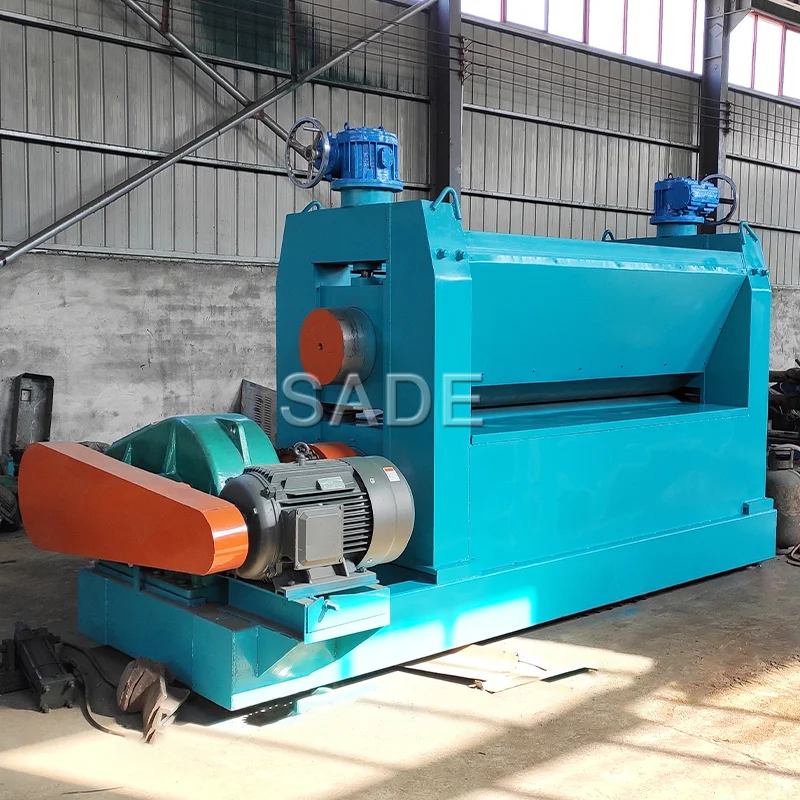
ZPJ Metal Mesh Flatting Machine
ZPJ metal mesh flatting machine is special designed for expanded metal flatting.It’s a corollary equipment of expanded metal machine. It can make expanded wire-mesh smoothly.And the flattened expanded metal have much more widely different applications.
Apr 24, 2026
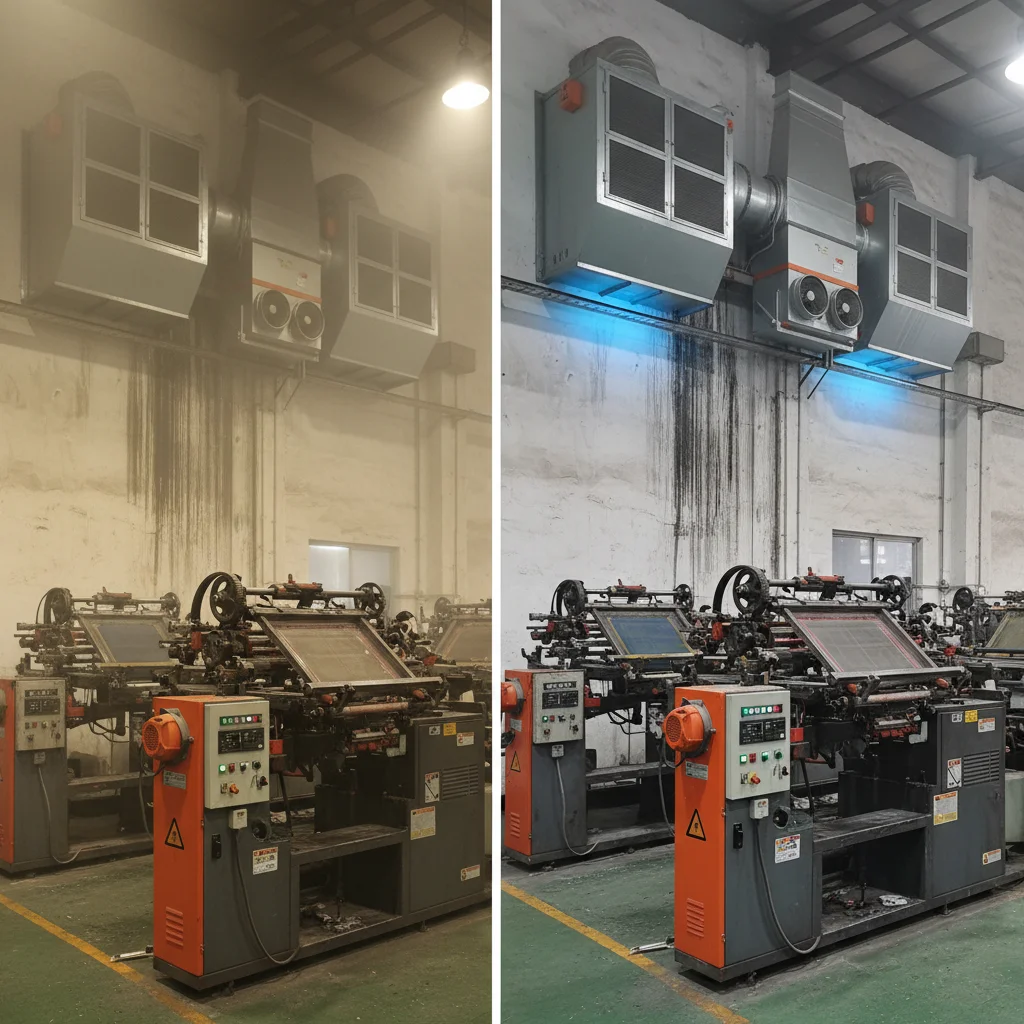
Industrial Wall Mounted Air Filtration for Clean Work Environments