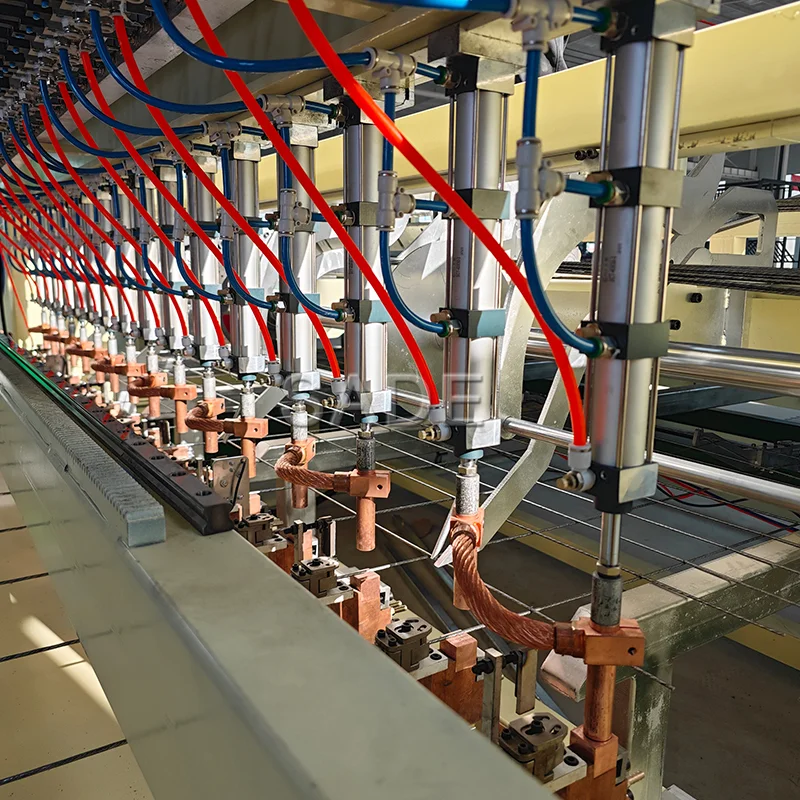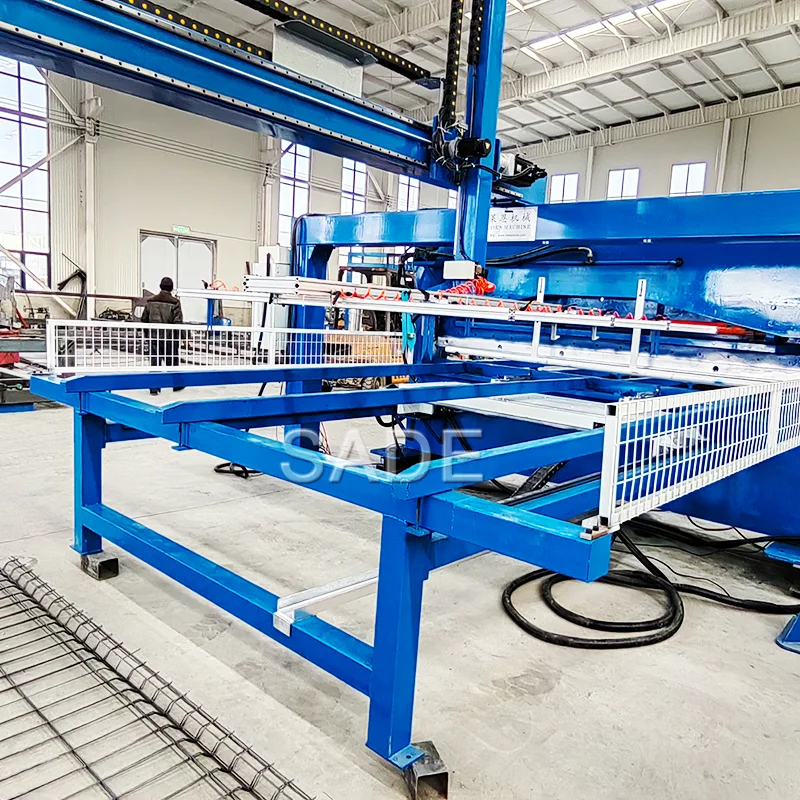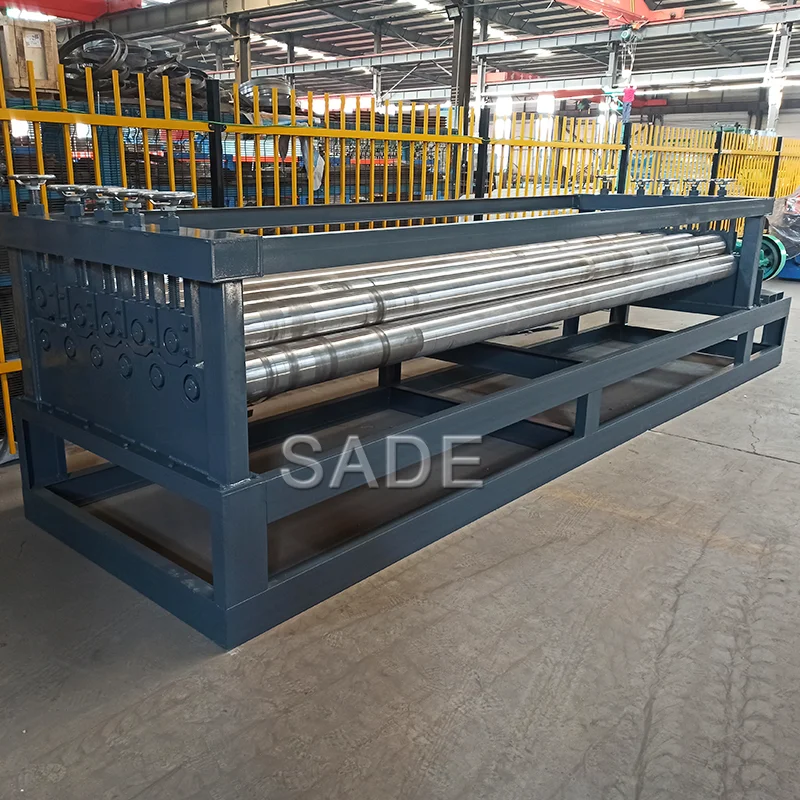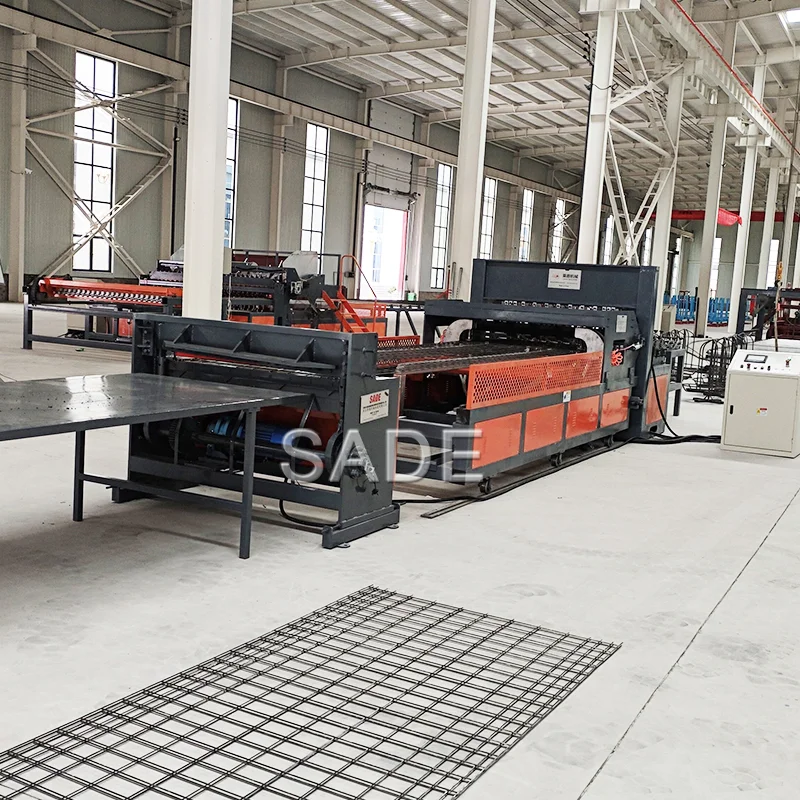

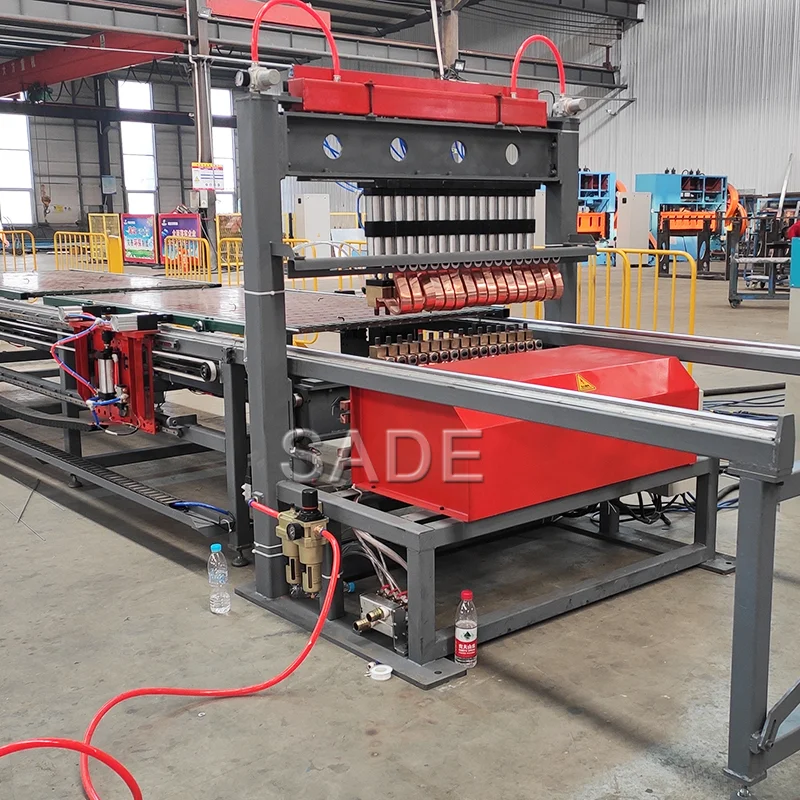
Libya's current manufacturing landscape is characterized by a strong demand for reconstruction materials. The prevalence of salt-heavy air in coastal regions and extreme heat in the interior necessitates the use of high-quality mesh welding machine technology to produce corrosion-resistant reinforced meshes for concrete and civil engineering.
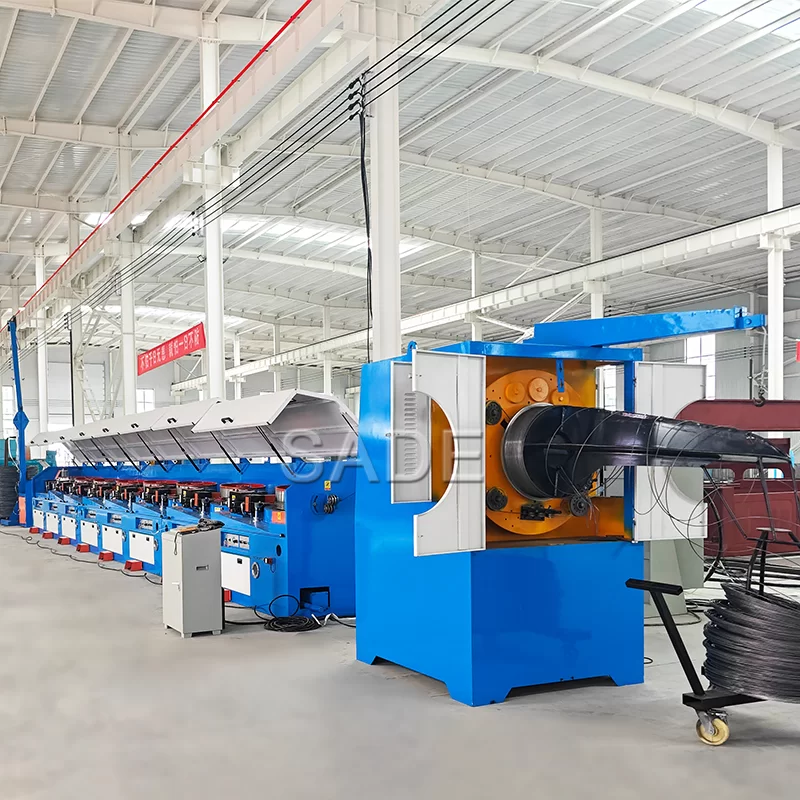
Many local workshops still rely on antiquated manual processes, leading to low output and inconsistent quality. The shift toward automation is becoming critical as Libya seeks to diversify its economy away from oil, requiring more reliable wire mesh welding machine systems to scale production for urban housing projects.
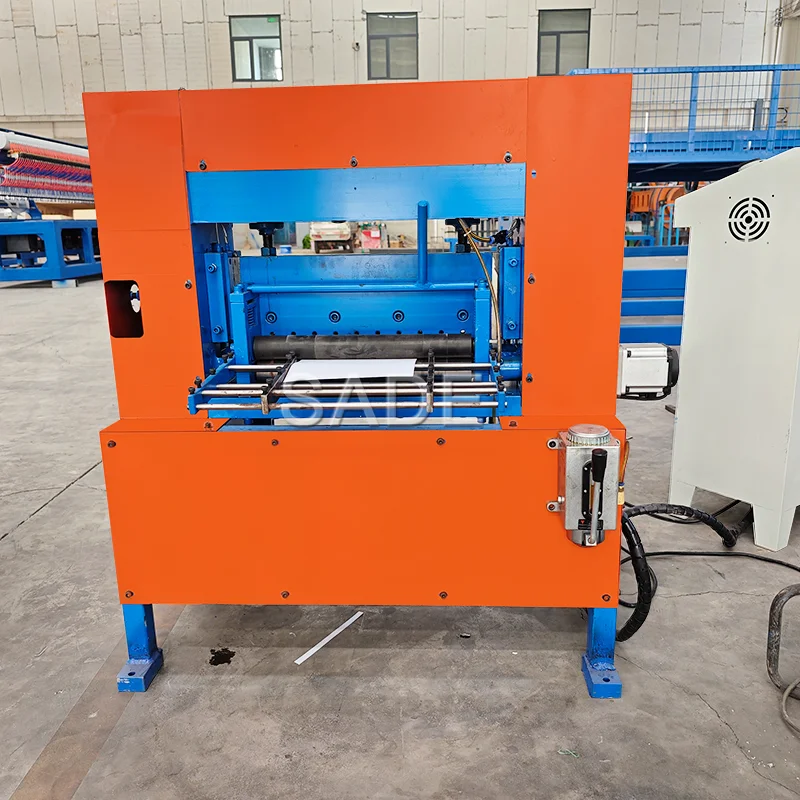
Furthermore, the mining and metallurgical sectors in Libya are expanding, creating a void in the local supply of specialized filtering and screening meshes. This has led to an increased interest in importing advanced expanded metal press machinery to create high-strength industrial gratings and walkways.