
March 10, 2026
Selecting the right fence mesh machine is crucial for businesses in the agricultural, industrial, and security sectors. These machines are designed to efficiently produce high-quality mesh for various fencing applications. This article will provide a detailed overview of fence mesh machines, their types, applications, key features, and factors to consider when making a purchase. We'll explore how choosing the right machine can significantly improve production efficiency and product quality.
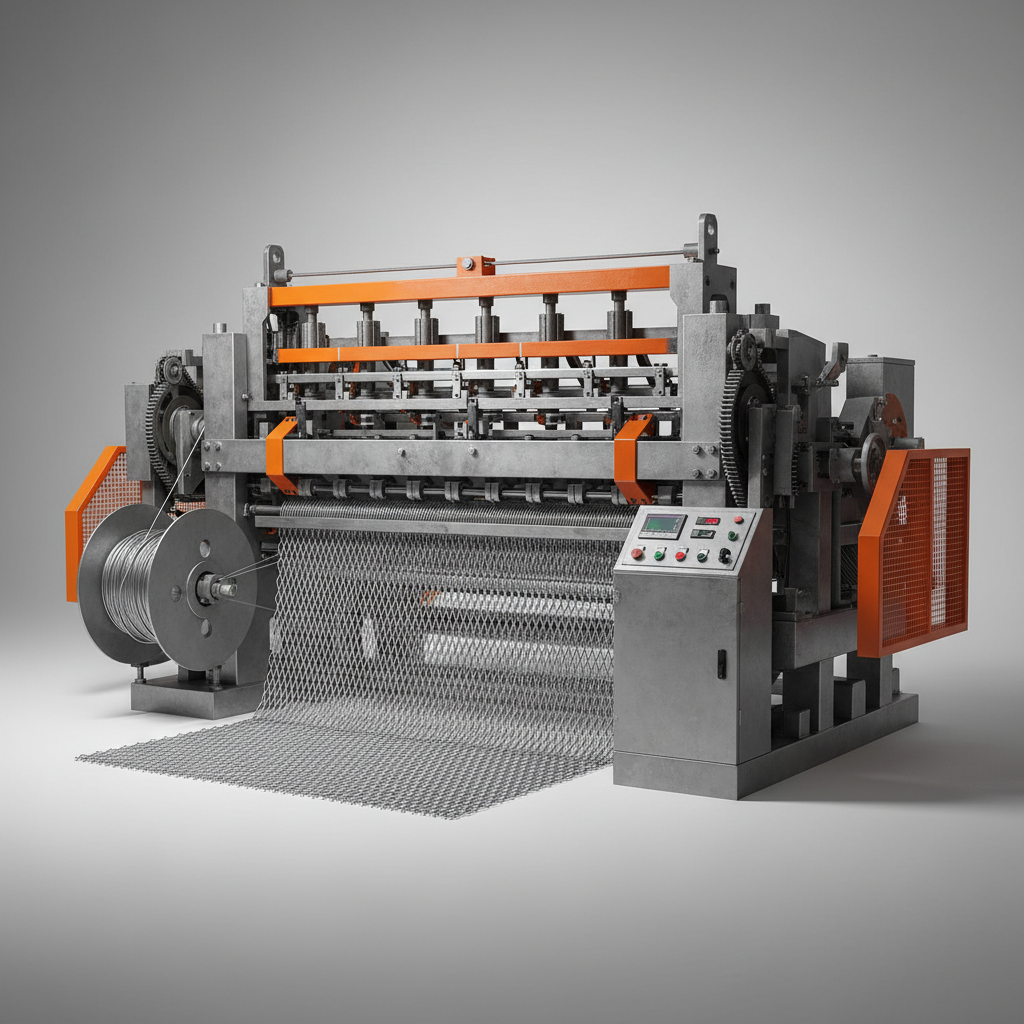
There are several types of fence mesh machines available, each suited for specific mesh types and production volumes. The most common include chain link fence machines, welded wire fence machines, and hexagonal wire mesh machines. Chain link machines produce interlocking links, ideal for security fencing. Welded wire machines create a rigid mesh, commonly used for livestock enclosures. Hexagonal mesh machines manufacture a durable, flexible mesh often used in poultry farming and garden fencing. The choice depends heavily on the intended application and the desired mesh characteristics. Understanding these distinctions is the first step in selecting the appropriate machine for your needs.
Key Considerations: Selecting a machine based on the required mesh type (chain link, welded wire, hexagonal) and the intended application is paramount.
When evaluating fence mesh machines, several key features are important. These include automation level (manual, semi-automatic, or fully automatic), production speed, mesh size adjustability, wire diameter capacity, and the machine's overall durability. Fully automatic machines offer higher production rates and reduced labor costs but typically have a higher initial investment. The ability to easily adjust mesh size is crucial for catering to diverse customer demands. Ensure the machine can handle the wire diameters required for your intended applications. A robust construction ensures longevity and minimizes downtime. Look for machines with reliable components and readily available spare parts.
Essential Features:
• Automation Level: Manual, Semi-Automatic, or Fully Automatic
• Production Speed: Measured in meters per minute
• Mesh Size Adjustability: Ability to produce various mesh openings
• Wire Diameter Capacity: Range of wire thicknesses the machine can handle
Choosing between a welded wire fence machine and a chain link fence machine depends on the specific application. Welded wire offers rigidity and uniform openings, making it suitable for animal enclosures and security. Chain link provides flexibility and cost-effectiveness, ideal for perimeter fencing. The following table highlights the key differences between these two machine types.
The cost of a fence mesh machine can vary significantly based on several factors. Automation level is a primary driver, with fully automatic machines commanding higher prices. Production capacity also plays a role; machines designed for high-volume production are more expensive. The manufacturer's reputation and the quality of components also influence the price. Finally, the level of customization and after-sales support offered can add to the overall cost. It's essential to carefully evaluate your needs and budget to determine the most cost-effective solution.
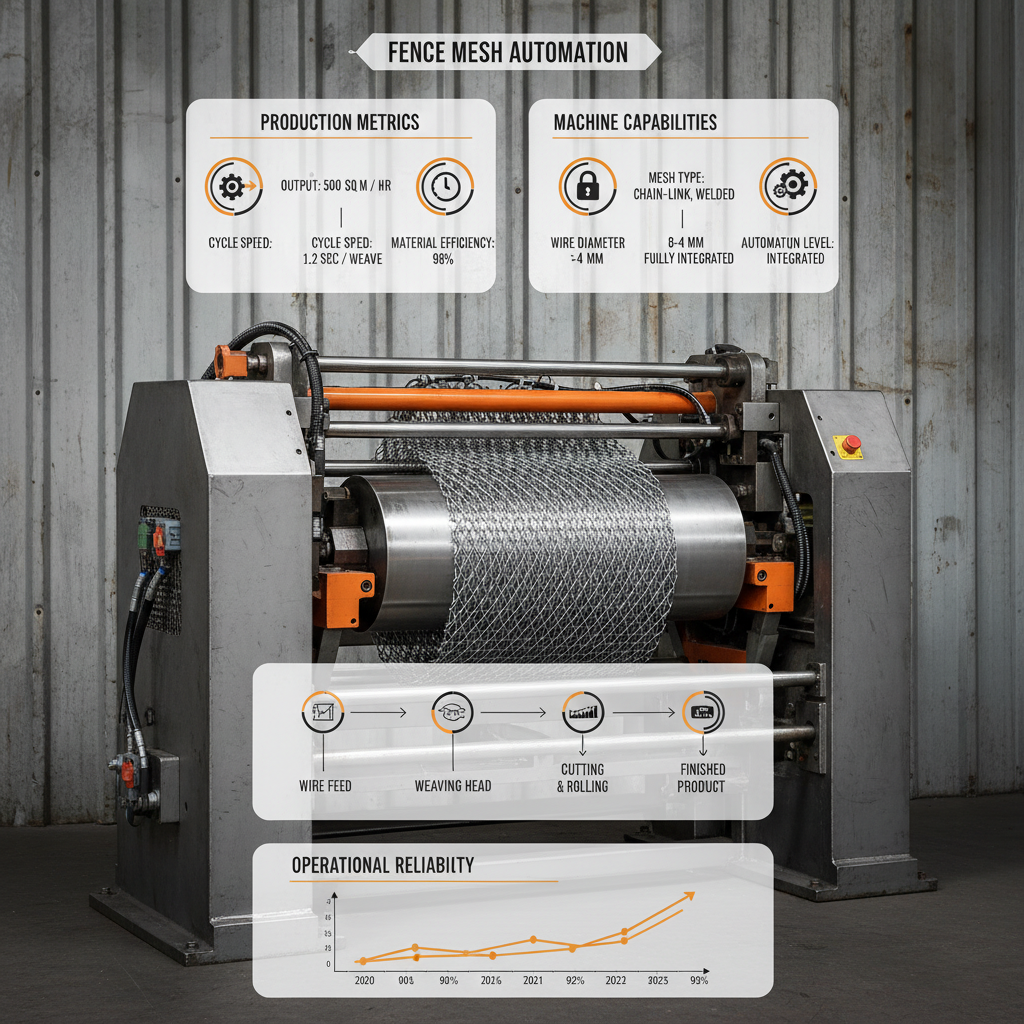
Selecting a reputable supplier is crucial for ensuring you receive a high-quality fence mesh machine and reliable after-sales support. Meshmachinery.com offers a comprehensive range of fence mesh machines, catering to diverse needs and budgets. They provide expert guidance, customized solutions, and a commitment to customer satisfaction. With a focus on innovation and quality, Meshmachinery.com is a trusted partner for businesses seeking reliable and efficient fencing solutions.
Investing in the right fence mesh machine is a significant step towards enhancing your production capabilities and delivering high-quality fencing solutions. By carefully considering your needs, evaluating different machine types, and selecting a reputable supplier like Meshmachinery.com, you can ensure a smart and rewarding investment.
Regular maintenance is essential for ensuring the longevity and optimal performance of your fence mesh machine. This includes daily lubrication of moving parts, periodic cleaning to remove debris, and regular inspection for worn or damaged components. Specific maintenance schedules are outlined in the machine's manual. Promptly addressing any issues can prevent costly repairs and downtime. It’s also crucial to keep the machine clean and protected from the elements when not in use.
Production speed varies depending on the machine type, automation level, and mesh specifications. Manual machines typically produce between 10-20 meters per hour, while semi-automatic machines can achieve 30-50 meters per hour. Fully automatic machines can reach production speeds of 60-100 meters per hour or even higher. These figures are approximate and can be influenced by factors such as wire diameter and mesh opening.
Most fence mesh machines can accommodate a variety of wire types, including galvanized steel, stainless steel, and coated wire. The wire diameter capacity of the machine will determine the range of wire thicknesses it can handle. It’s essential to use wire that meets the machine's specifications to avoid damage and ensure optimal performance. Consult the machine’s manual for a list of compatible wire types.
Yes, Meshmachinery.com provides comprehensive after-sales support, including technical assistance, spare parts supply, and installation services. They offer remote troubleshooting and on-site support when necessary. Their dedicated support team is committed to ensuring customers receive the assistance they need to keep their machines running smoothly.
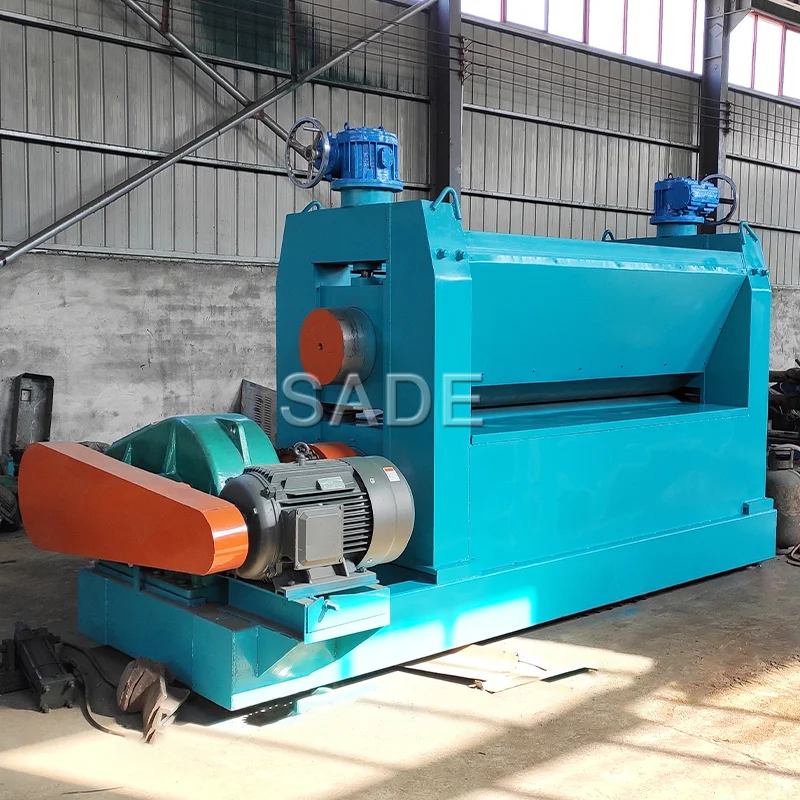
ZPJ Metal Mesh Flatting Machine
ZPJ metal mesh flatting machine is special designed for expanded metal flatting.It’s a corollary equipment of expanded metal machine. It can make expanded wire-mesh smoothly.And the flattened expanded metal have much more widely different applications.
Apr 24, 2026
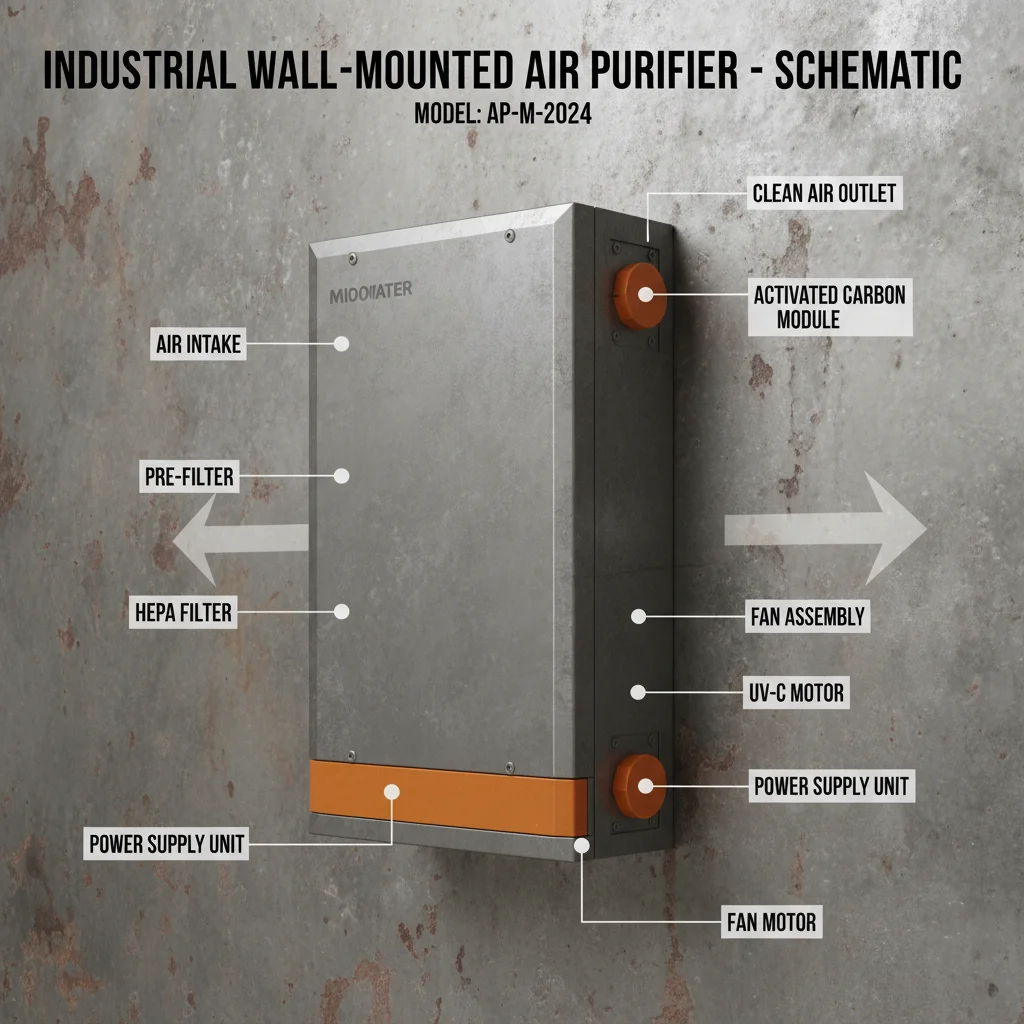
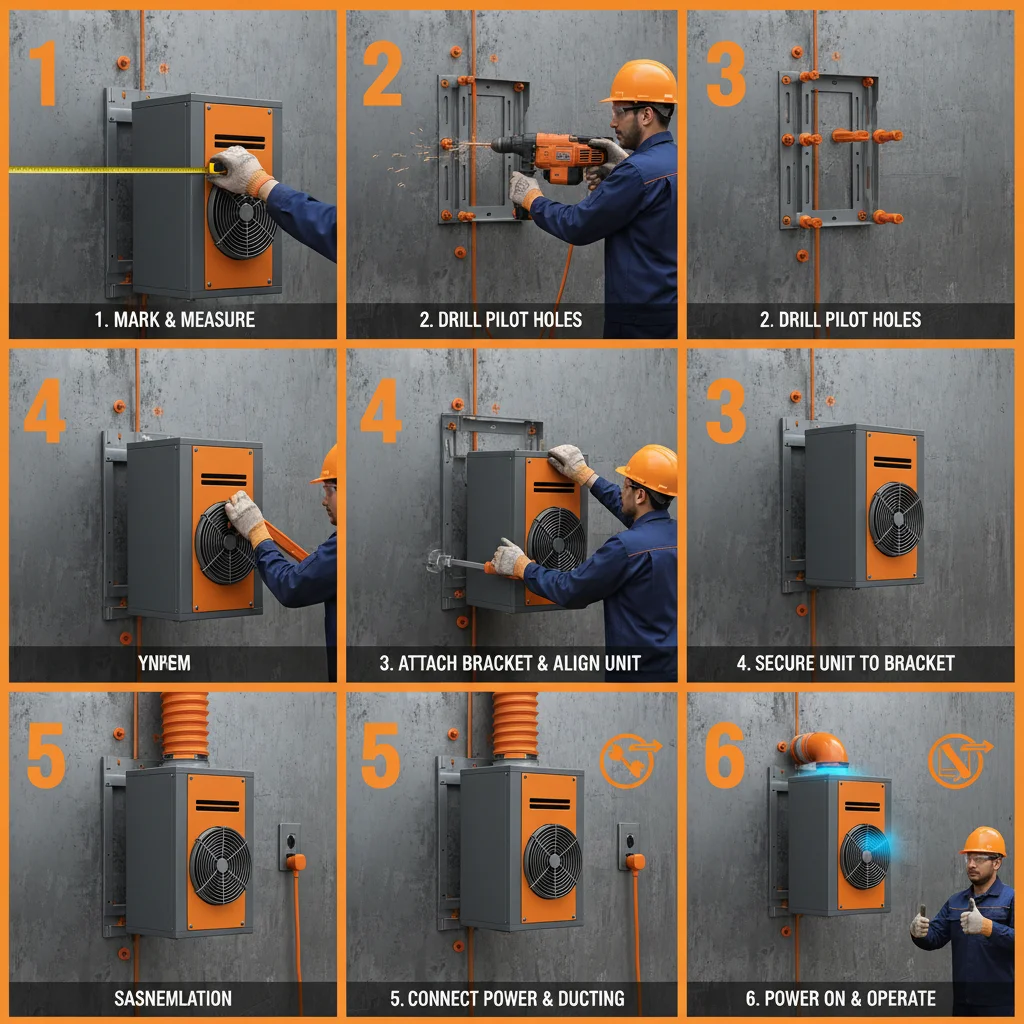
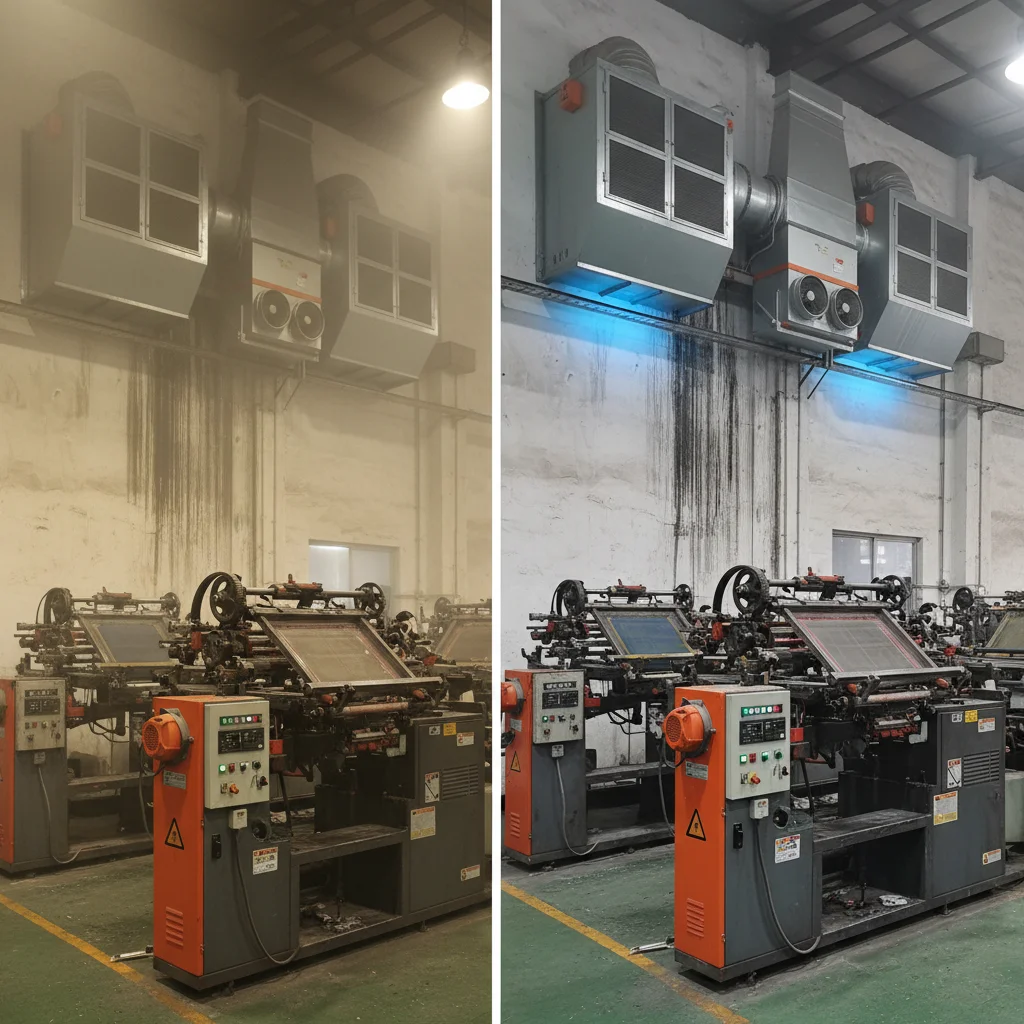
Industrial Wall Mounted Air Filtration for Clean Work Environments