
March 10, 2026
The demand for high-quality fencing is consistently growing across various sectors, including agriculture, security, and construction. A reliable fence mesh welding machine is therefore essential for manufacturers aiming to meet this demand efficiently and effectively. This article will provide an in-depth look at fence mesh welding machines, their types, applications, key features, and what to consider when choosing the right machine for your business. We'll explore how advancements in welding technology are improving production quality and reducing costs.
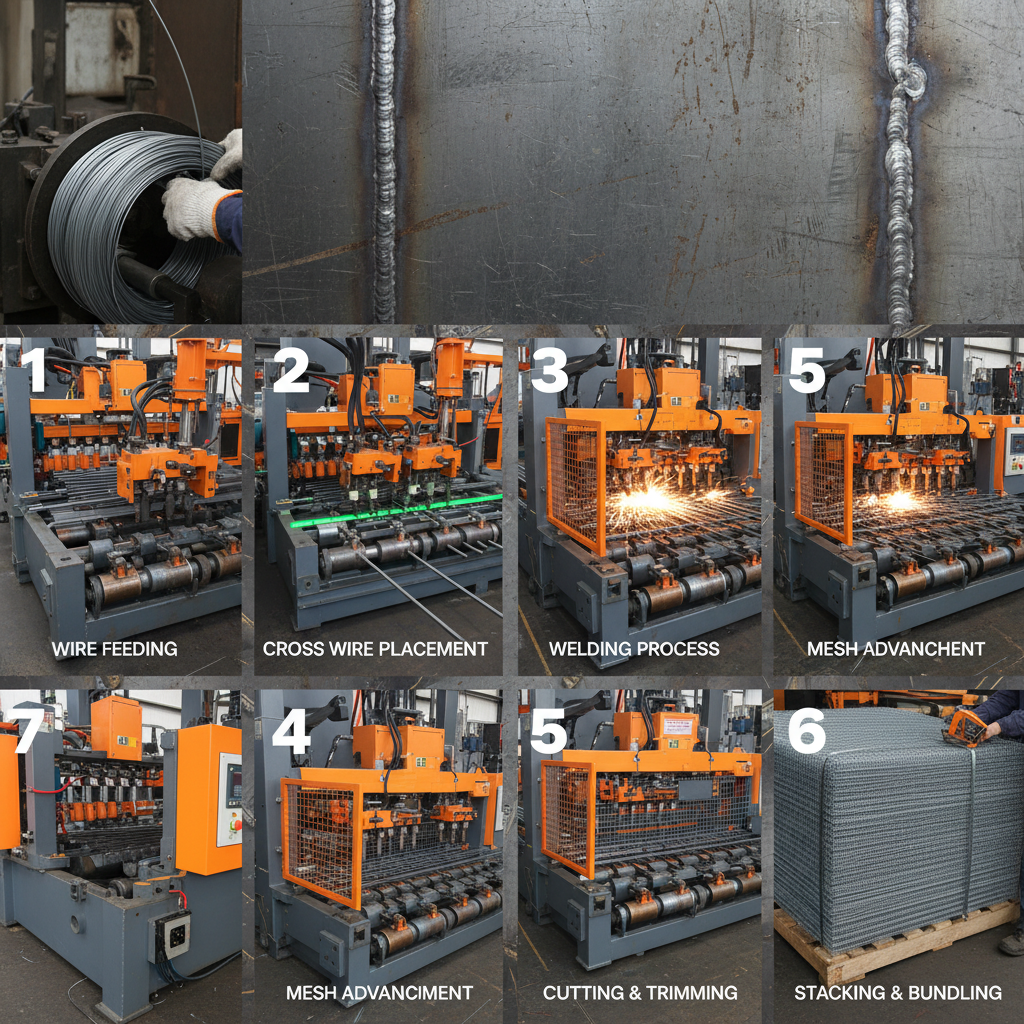
Fence mesh welding machines, also known as wire mesh welding machines, utilize electrical resistance welding to join intersecting wires, creating a robust and durable mesh structure. These machines are categorized based on several factors, including their automation level (manual, semi-automatic, and fully automatic), welding method (spot welding, seam welding), and the type of mesh produced. The core principle revolves around applying pressure and electrical current to the wire intersections, creating a weld without the need for filler materials. Choosing the right machine hinges on your production volume, desired mesh specifications, and budget. Explore the Meshmachinery website for a detailed range of options.
Key Benefits: High production efficiency, consistent weld quality, versatility in mesh design, and reduced labor costs.
Different applications require different types of welding machines. Here’s a breakdown of the common types:
Key Considerations When Choosing a Type:
• Production Volume
• Mesh Specifications (aperture, wire diameter)
• Budget
• Skill Level of Operators
Selecting the right machine requires understanding the strengths and weaknesses of each type. Here's a comparison table:
When evaluating fence mesh welding machines, consider these key features:
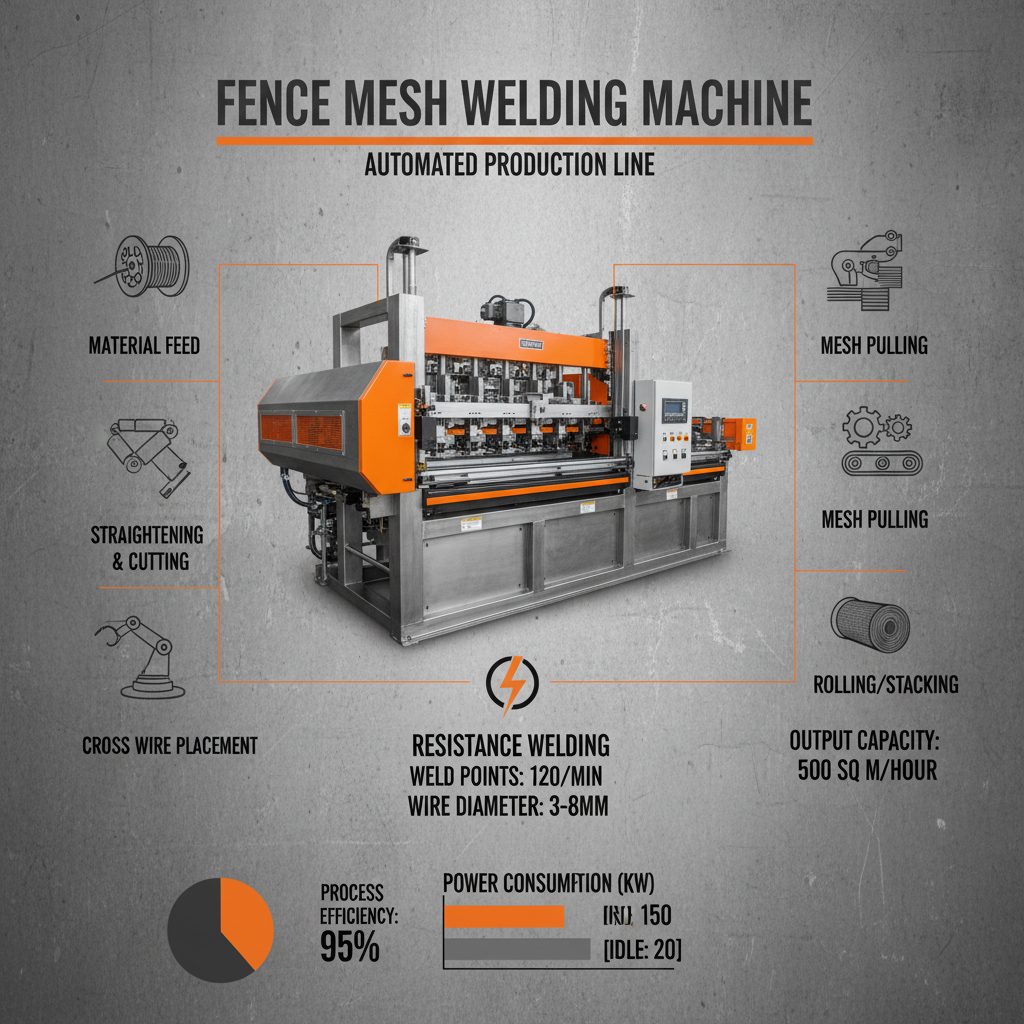
Fence mesh welding machines are used in a wide range of applications, including:
Choosing the right fence mesh welding machine is a crucial investment for any fencing manufacturer. By considering your production needs, budget, and desired features, you can select a machine that delivers efficiency, quality, and long-term reliability. Exploring the options available at Meshmachinery will equip you with the knowledge to make an informed decision.
Most fence mesh welding machines can accommodate a variety of wire types, including galvanized steel, stainless steel, and coated wires. The wire diameter compatibility will vary depending on the machine's specifications. It’s essential to check the manufacturer's recommendations to ensure the machine can handle the specific type and diameter of wire you intend to use. Using incompatible wire can damage the machine and affect weld quality.
Regular maintenance is crucial for ensuring optimal performance and extending the lifespan of your welding machine. Key maintenance tasks include cleaning the electrodes, lubricating moving parts, inspecting the cooling system, and checking electrical connections. Consult the machine's manual for specific maintenance recommendations and schedules. Preventative maintenance can significantly reduce the risk of breakdowns and costly repairs.
Safety is paramount when operating a welding machine. Always wear appropriate personal protective equipment (PPE), including welding gloves, eye protection, and protective clothing. Ensure the machine is properly grounded and that all safety guards are in place. Avoid operating the machine in wet or damp conditions. Follow all manufacturer's safety guidelines and receive proper training before operating the machine.
The power consumption of a fence mesh welding machine varies depending on its size, automation level, and welding capacity. Smaller manual machines may consume around 3-5 kW, while larger fully automatic machines can require 10 kW or more. It’s essential to check the machine's specifications and ensure your electrical supply can handle the required power load. Consider energy efficiency when choosing a machine to minimize operating costs.
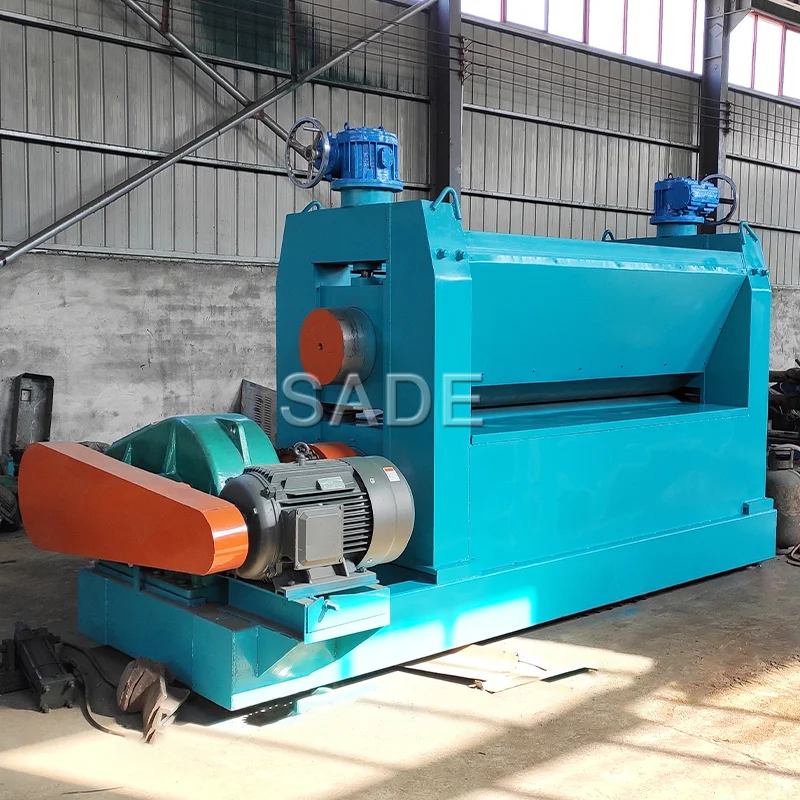
ZPJ Metal Mesh Flatting Machine
ZPJ metal mesh flatting machine is special designed for expanded metal flatting.It’s a corollary equipment of expanded metal machine. It can make expanded wire-mesh smoothly.And the flattened expanded metal have much more widely different applications.
Apr 24, 2026
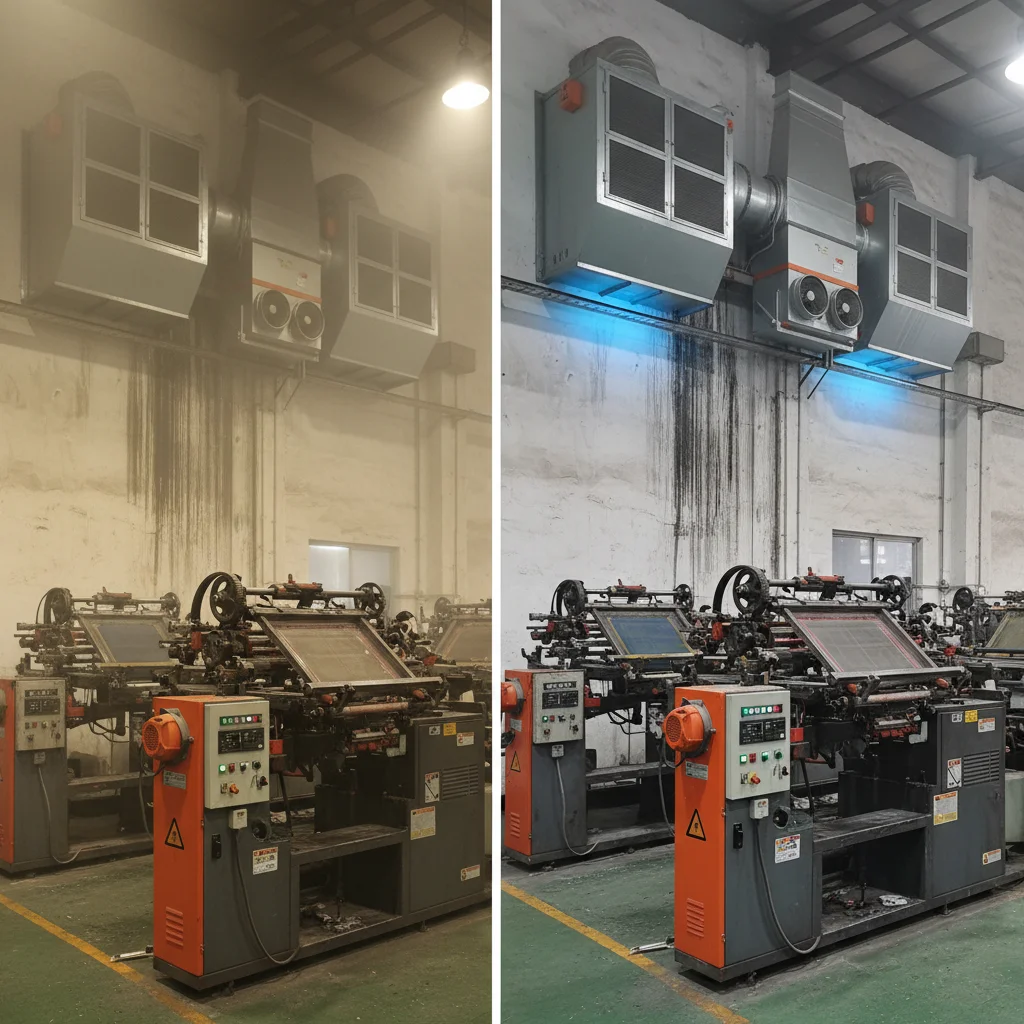
Industrial Wall Mounted Air Filtration for Clean Work Environments