
March 10, 2026
In the competitive world of fencing solutions, the demand for robust and aesthetically pleasing diamond wire mesh fencing is constantly growing. Meeting this demand requires efficient and reliable manufacturing processes, and that’s where a diamond fence making machine becomes indispensable. This article will explore the key features, benefits, applications, and considerations when investing in a diamond fence making machine, with a focus on solutions offered by Mesh Machinery. Understanding these aspects will empower you to make an informed decision for your business's fencing production needs.
A diamond fence making machine is a specialized piece of equipment designed to automatically weave and form diamond-shaped wire mesh. This mesh is then used to create durable and secure fencing for various applications, including residential properties, agricultural fields, security perimeters, and industrial areas. These machines typically employ a series of rollers, dies, and a winding mechanism to produce a consistent and high-quality mesh. Modern machines often incorporate programmable logic controllers (PLCs) for precise control over production parameters such as mesh size, wire diameter, and fence height. The efficiency and precision of these machines significantly reduce labor costs and increase production output compared to manual methods.
Understanding the core components of a diamond fence making machine is crucial for maintenance, troubleshooting, and informed purchasing decisions. The main components include: Wire Feeding System: Precisely delivers wire coils to the weaving mechanism. Forming Rollers: Shape the wire into the diamond pattern. Dies: Control the mesh aperture size. Winding System: Collects the finished mesh onto a spool. PLC Control Panel: Allows for automated control and adjustment of machine settings. Safety Features: Emergency stops and protective guards for operator safety. A high-quality machine will utilize durable materials and precise engineering for reliable and long-lasting performance. Mesh Machinery machines are built to withstand continuous operation and deliver consistent results.
Key Benefits: Automated production, reduced labor costs, consistent mesh quality, increased output, and customizable settings.
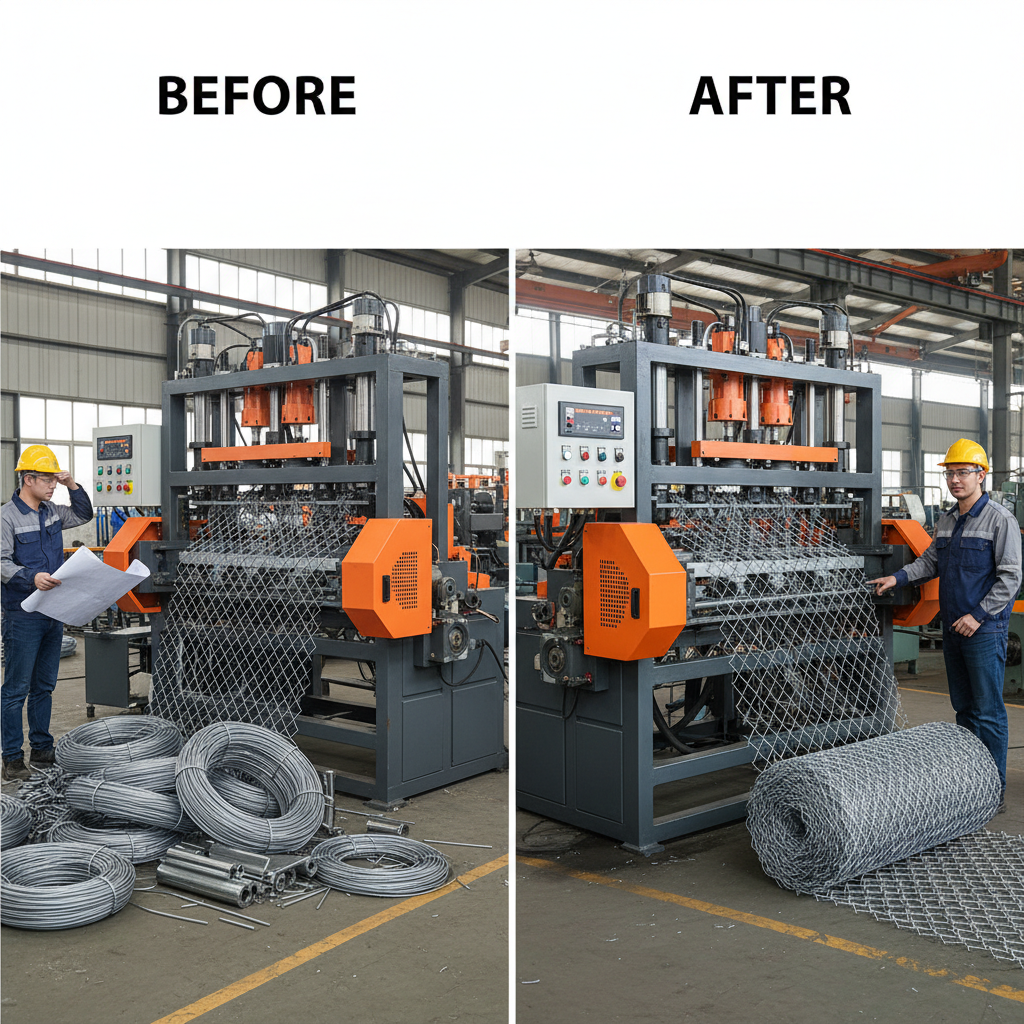
While manual weaving of diamond mesh fencing is still practiced in some areas, it is far less efficient and consistent than using a dedicated machine. Manual weaving requires skilled labor, is time-consuming, and often results in variations in mesh size and quality. A diamond fence making machine offers significantly higher production rates, reduced labor costs, and consistently high-quality mesh. Here's a comparison:
Diamond wire mesh fencing finds wide application in diverse sectors. Agriculture: Protecting crops and livestock. Residential: Creating secure garden boundaries and property perimeters. Industrial: Securing industrial sites and warehouses. Security: High-security fencing for prisons, military installations, and critical infrastructure. The machines producing this fencing need to be capable of producing the right specifications for each application – and Mesh Machinery offers machines designed for this versatility.
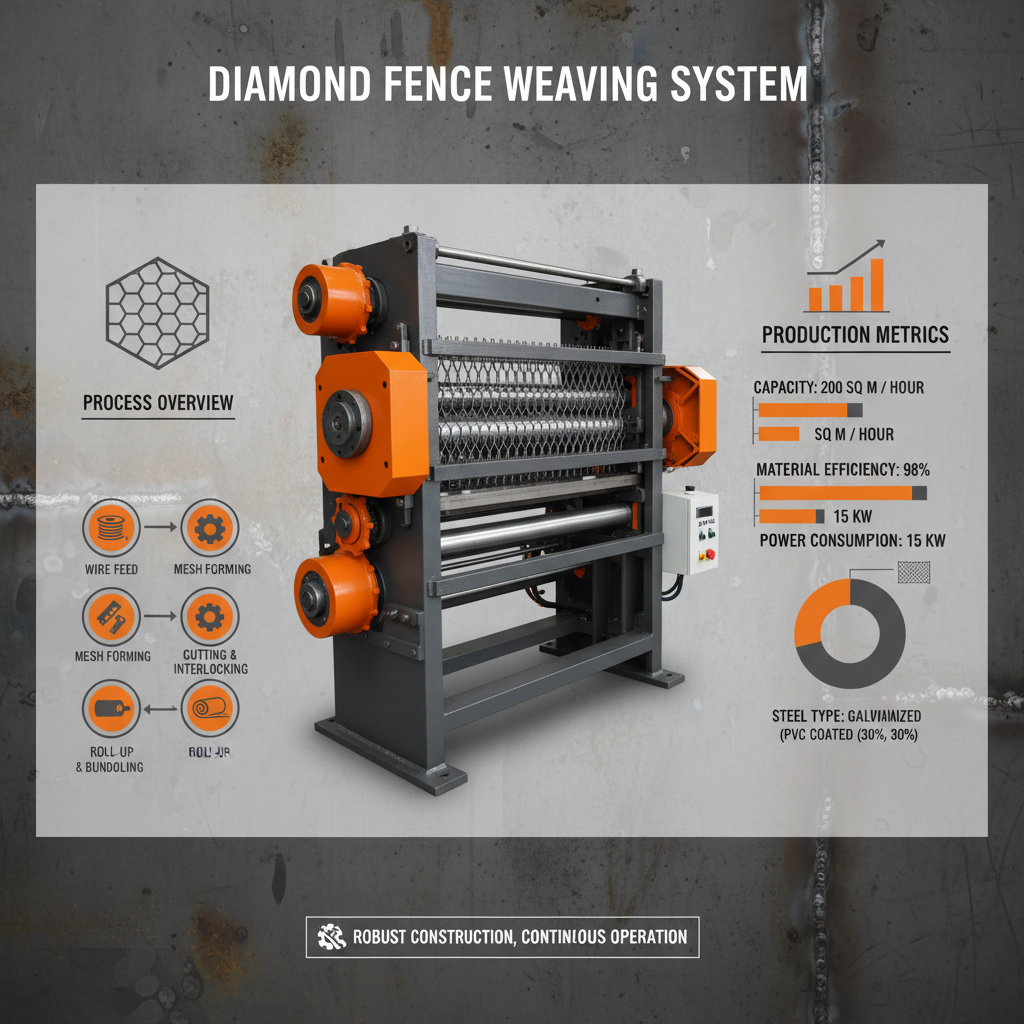
Selecting the appropriate machine involves several key considerations. Production Capacity: Determine the volume of fencing you need to produce. Mesh Size Range: Ensure the machine can produce the required mesh sizes for your target market. Wire Diameter Compatibility: Verify compatibility with the wire diameters you intend to use. Automation Level: Consider the degree of automation desired, from semi-automatic to fully automatic. Supplier Reputation: Choose a reputable supplier with a track record of quality and reliable support. Mesh Machinery offers a range of machines to suit different production needs and budgets, along with comprehensive technical support and after-sales service.
Investing in a diamond fence making machine is a strategic move for any business involved in fencing manufacturing. It offers significant advantages in terms of production efficiency, cost savings, and product quality. By carefully considering your specific needs and choosing a reliable supplier like Mesh Machinery, you can ensure a smooth transition to automated fencing production and a competitive edge in the market.
Most diamond fence making machines are designed to accommodate a variety of wire types, including galvanized steel, stainless steel, and PVC-coated wire. The specific wire diameter compatibility will vary depending on the machine model. It's important to check the machine's specifications to ensure it can handle the type and diameter of wire you intend to use. Using incompatible wire can damage the machine or result in poor-quality mesh.
Regular maintenance is essential for ensuring the longevity and optimal performance of your diamond fence making machine. This includes lubricating moving parts, cleaning the machine to remove wire debris, inspecting rollers and dies for wear, and checking the PLC control system for any errors. Following the manufacturer's recommended maintenance schedule is crucial. Mesh Machinery provides comprehensive maintenance guidelines and support for all its machines.
Safety should be a top priority when selecting a diamond fence making machine. Look for features such as emergency stop buttons, protective guards around moving parts, and a robust safety interlock system. The machine should comply with relevant safety standards and regulations. Proper training for operators is also crucial to ensure safe operation and prevent accidents.
The lead time for a custom-built diamond fence making machine can vary depending on the complexity of the machine and the manufacturer's current workload. Typically, it can range from 8 to 16 weeks. Mesh Machinery provides detailed project timelines and regular updates throughout the manufacturing process to ensure timely delivery.
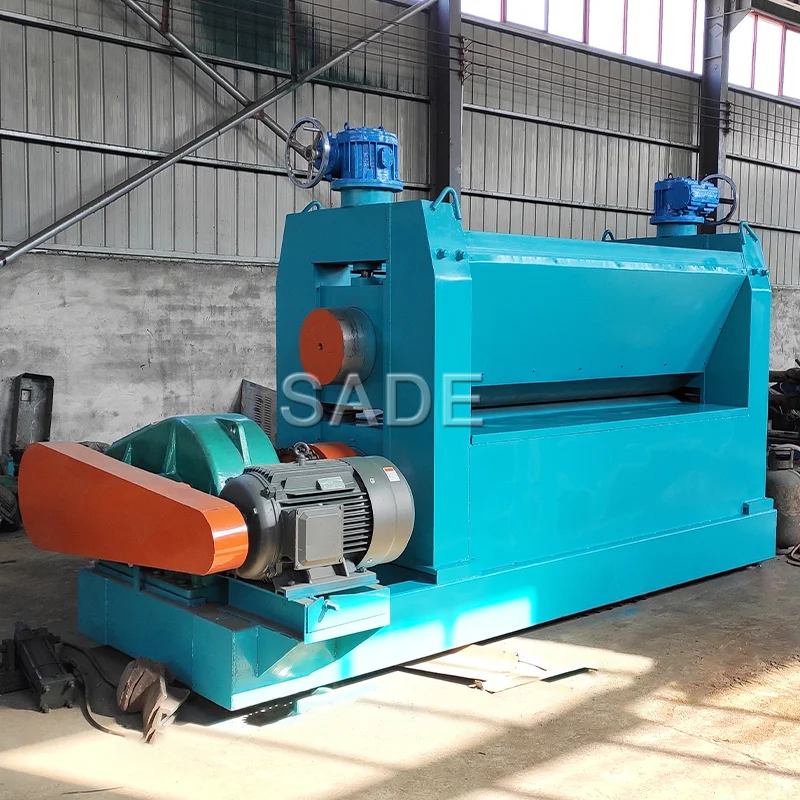
ZPJ Metal Mesh Flatting Machine
ZPJ metal mesh flatting machine is special designed for expanded metal flatting.It’s a corollary equipment of expanded metal machine. It can make expanded wire-mesh smoothly.And the flattened expanded metal have much more widely different applications.
Apr 24, 2026
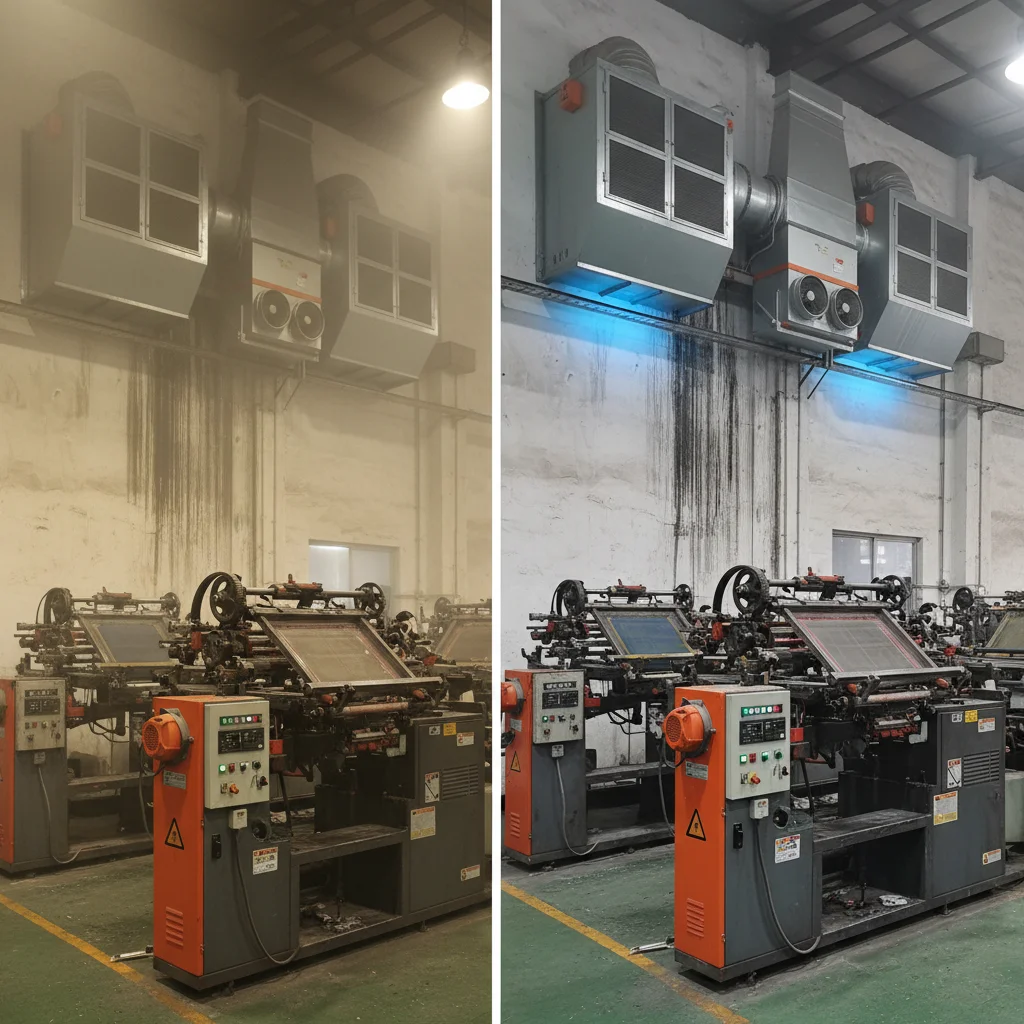
Industrial Wall Mounted Air Filtration for Clean Work Environments