
December 09, 2025
In the expansive realm of industrial fabrication and material processing, the crimped wire mesh machine stands as a foundational piece of equipment, powering the production of a crucial component used across myriad sectors. This sophisticated apparatus is not merely a tool but a highly engineered system designed to transform raw wire into meticulously crimped and woven mesh, characterized by its robust structure, precise aperture, and exceptional durability. The demand for crimped wire mesh continues to surge globally, driven by sectors ranging from mining and quarrying to architectural design and security fencing. Modern machines are a testament to innovation, integrating advanced mechatronics, intelligent control systems, and robust mechanical components to achieve unparalleled levels of precision and output. Historically, crimping wire was a labor-intensive, often inconsistent process. However, contemporary crimped wire mesh machines have revolutionized this, enabling manufacturers to produce vast quantities of high-quality mesh with minimal human intervention, dramatically reducing production costs and lead times. They are adept at handling a diverse range of materials, including carbon steel, stainless steel, galvanized wire, and various alloys, catering to specific environmental and mechanical requirements. The inherent stability provided by the crimping process ensures that the mesh maintains its structural integrity even under significant stress, making it an ideal choice for applications demanding strength and longevity. As industries increasingly prioritize efficiency, material optimization, and product consistency, the evolution of the crimped wire mesh machine reflects a critical response to these needs, solidifying its status as an indispensable asset in modern manufacturing. This blog post delves into the intricate details, technical advantages, customization options, and broad applications that underscore the significance of this remarkable machinery, guiding potential investors and industry professionals alike through its multifaceted value proposition.
The technical sophistication embedded within a modern crimped wire mesh machine is truly remarkable, setting new benchmarks for production efficiency and mesh quality. At its core, the machine’s superior performance stems from a harmonious integration of advanced mechanics, precise control systems, and innovative crimping technologies. One of the primary technical advantages lies in its unparalleled precision. High-grade servo motors and sophisticated PLC (Programmable Logic Controller) systems meticulously manage wire feeding, crimping, and weaving operations. This digital control ensures consistent crimp depth and spacing, resulting in mesh apertures that maintain a deviation of less than ±0.1mm, a critical factor for filtration and screening applications where exact sizing is paramount. Such precision translates directly into superior product quality and reduced material waste. Furthermore, operational efficiency is significantly boosted by high-speed processing capabilities. Contemporary machines can achieve production rates upwards of 60-80 crimps per minute per wire, depending on wire diameter and mesh pattern. This means a multi-wire machine can produce hundreds of square meters of mesh per hour, a staggering improvement over traditional methods. For instance, an average machine can process approximately 2.5 tons of steel wire per 8-hour shift into finished mesh, representing a productivity increase of over 400% compared to semi-automatic systems. The automated nature extends to coil unwinding, wire straightening, cutting, and even automated mesh roll-up or panel cutting, minimizing manual labor requirements and mitigating the risk of human error. Energy efficiency is another notable technical advantage. Modern designs often incorporate energy-saving components such as variable frequency drives (VFDs) for motors, optimized hydraulic systems, and low-power control electronics, leading to an average reduction in energy consumption by 15-20% compared to older models. This not only lowers operational costs but also aligns with global sustainability goals. The ability to handle a wide range of wire diameters, typically from 1.5mm to 12mm, and produce various crimp types – plain crimp, pre-crimp, intermediate crimp, and lock crimp – further solidifies its technical superiority, offering unparalleled versatility to meet diverse market demands without significant retooling. These combined technical advantages ensure that manufacturers can consistently deliver high-quality products while maintaining competitive operational costs.
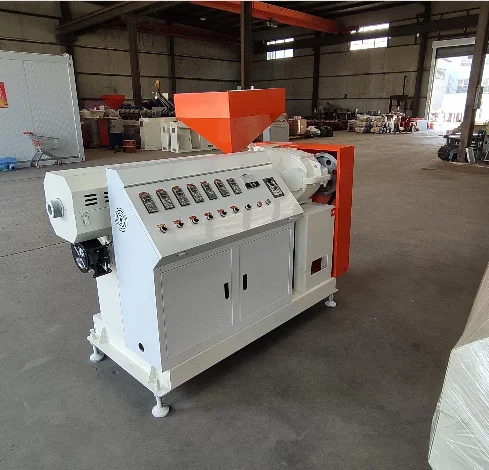
The foundation of any high-performing crimped wire mesh machine lies in its robust engineering and the quality of its components. Meticulous design principles are applied to every aspect, from the structural frame to the smallest mechanical linkage, ensuring both longevity and consistent operational precision. The machine’s frame, typically constructed from heavy-gauge steel and precision-welded, provides an unyielding platform that absorbs vibrations and maintains alignment even under continuous, high-stress operation. This structural integrity is paramount for preventing wear and tear on critical moving parts and preserving the accuracy of the crimping heads over time. Critical mechanical components, such as cams, gears, and shafts, are manufactured from hardened alloy steels, often undergoing specialized heat treatments like carburizing or induction hardening. This enhances their surface hardness and wear resistance, significantly extending their service life and reducing the frequency of maintenance or replacement. The crimping dies themselves, the heart of the machine, are crafted from premium tool steels or carbide, precision-ground to achieve exact profiles that consistently produce uniform crimps. Their modular design often allows for quick changes to accommodate different wire sizes and crimp patterns, minimizing downtime for reconfigurations. Lubrication systems, ranging from manual grease points to automated centralized lubrication units, are strategically integrated to reduce friction and heat, safeguarding moving parts from premature degradation. Electrical and control systems are equally robust. Industrial-grade PLCs from reputable manufacturers (e.g., Siemens, Allen-Bradley) serve as the brain, offering stable, real-time control over all functions. These are often paired with intuitive Human-Machine Interfaces (HMIs) – large touchscreens that provide operators with real-time diagnostics, production data, and easy parameter adjustments, simplifying complex operations. Safety features are paramount, incorporating emergency stop buttons, interlocked guarding, light curtains, and overload protection systems to ensure operator safety and prevent damage to the machine. The integration of advanced diagnostics allows for proactive maintenance, alerting operators to potential issues before they escalate, thereby maximizing uptime and overall equipment effectiveness (OEE). This comprehensive approach to engineering ensures that a high-quality crimped wire mesh machine is not just efficient but also exceptionally durable, reliable, and safe, representing a sound long-term investment for any manufacturing enterprise.
Choosing the right crimped wire mesh machine involves a thorough evaluation of manufacturers, each offering distinct advantages in terms of technology, support, and customization. The market presents a spectrum of options, from established global leaders known for cutting-edge innovation to regional specialists providing tailored solutions, and budget-friendly alternatives. A critical comparison helps buyers align their investment with their specific production needs, budget constraints, and long-term strategic goals. Key factors to consider include the manufacturer’s reputation, technological prowess, after-sales support, spare parts availability, and the ability to provide customized solutions. Evaluating these aspects against projected operational costs and anticipated return on investment is crucial. Manufacturers often differentiate themselves through the level of automation offered, the precision of their crimping mechanisms, the range of wire materials and diameters their machines can handle, and the sophistication of their control systems. Furthermore, the warranty period, training programs for operators and maintenance staff, and the accessibility of technical support can significantly impact the long-term value of the purchase. Below is a comparative table highlighting generalized profiles of manufacturers in the market, intended to illustrate the typical trade-offs and considerations involved:
Feature/Category | Premium Tier Manufacturer | Mid-Range Manufacturer | Value Tier Manufacturer |
Technological Innovation | Cutting-edge R&D, advanced automation (AI, IoT), highest precision & speed. | Solid, proven technology, good balance of automation and cost. | Basic automation, reliable for standard operations, focus on essential functions. |
Precision & Quality | Exceptional (±0.05mm aperture tolerance), premium components. | Very good (±0.1mm aperture tolerance), quality components. | Good (±0.2mm aperture tolerance), standard components. |
Production Capacity | Very High (e.g., >80 crimps/min/wire), multi-shift operation optimized. | High (e.g., 60-70 crimps/min/wire), suitable for continuous production. | Moderate (e.g., 40-50 crimps/min/wire), ideal for small to medium batches. |
Customization Options | Extensive, highly flexible, tailored solutions for unique specifications. | Good range of modular options, some customization available. | Limited, primarily standard models with minor adjustments. |
After-Sales Support | Global network, 24/7 remote diagnostics, rapid spare parts delivery, comprehensive training. | Regional support, standard response times, good parts availability. | Basic support, limited spare parts stock, often relies on distributors. |
Initial Investment Cost | Highest | Medium | Lowest |
Longevity & Durability | Excellent, built for decades of operation with minimal wear. | Very Good, reliable for long-term use with proper maintenance. | Good, suitable for expected lifespan, may require more frequent part replacement over time. |
This comparison underscores that while a value-tier machine might offer a lower initial investment, it may come with compromises in terms of long-term reliability, precision, and post-purchase support. Conversely, a premium machine, despite its higher upfront cost, often delivers superior performance, lower total cost of ownership (TCO) due to reduced maintenance and higher uptime, and access to advanced features that can drive competitive advantage.
The strength of a leading crimped wire mesh machine supplier lies not just in their standard offerings but in their profound ability to provide tailored solutions that perfectly match unique operational requirements. The "one-size-fits-all" approach rarely holds true in industrial manufacturing, where specific wire materials, mesh configurations, production volumes, and factory layouts necessitate bespoke machinery. Customization begins with the wire handling system. For instance, manufacturers dealing with very heavy gauge wires (e.g., 10-12mm) might require reinforced unwinding stands, more powerful straightening mechanisms, and robust wire accumulators to prevent snags and ensure continuous feeding. Conversely, those working with fine wires might need gentler tensioning systems and specialized guides to prevent damage. The crimping heads themselves can be customized for specific crimp patterns (e.g., double crimp, intermediate crimp, flat top crimp) and for particular wire materials that exhibit different elastic properties. This ensures optimal crimping quality and structural integrity of the final mesh. Production capacity is another major area for customization. A client requiring exceptionally high output might opt for a machine with more crimping stations, higher operating speeds, or fully automated mesh stacking/coiling systems that minimize manual intervention post-production. Conversely, a client with lower volume, specialized product needs might prioritize flexibility in mesh pattern changes over raw speed. Integration into existing production lines is also a common customization request. This can involve matching control systems with existing factory automation, designing specific outfeed conveyors to link with downstream processing equipment (e.g., welding machines, cutting stations), or incorporating data interfaces for seamless integration with enterprise resource planning (ERP) systems for real-time production monitoring and inventory management. Furthermore, environmental and safety considerations drive specific customizations. Machines can be designed with enhanced dust extraction systems for certain materials, or specialized guarding and soundproofing to meet stringent local industrial regulations. Specialized tooling for unusual wire cross-sections (e.g., rectangular wire) or for specific aperture shapes beyond standard squares and rectangles can also be engineered. For example, a client producing mesh for architectural facades might require a machine capable of very wide panels, precise edge trimming, and automated flattening to ensure aesthetic appeal. This level of customization ensures that the investment in a crimped wire mesh machine translates into maximum operational efficiency, minimal waste, and the production of a final product that precisely meets market demands, providing a significant competitive edge.
The output of a high-quality crimped wire mesh machine – the crimped wire mesh itself – is a fundamental component across an incredibly diverse array of industries, underscoring its versatility and essential nature. Its unique combination of strength, rigidity, and precise aperture makes it indispensable where filtration, separation, support, or security are paramount. In the mining and quarrying sector, crimped wire mesh is extensively used for screening and sifting various aggregates, minerals, and ores. From coarse crushing to fine screening, the mesh's robust crimped structure withstands abrasive materials and heavy loads, ensuring efficient separation of desired particles from waste. This application demands extreme durability and consistent aperture sizes to optimize processing efficiency and yield. The architectural and construction industries frequently employ crimped wire mesh for aesthetic and functional purposes. It serves as striking facade cladding, decorative infill panels, balustrade systems, and sun screens, offering both visual appeal and practical benefits such as ventilation and light diffusion. Its ability to be produced in various materials, including stainless steel and brass, allows for design flexibility and corrosion resistance in outdoor environments. For filtration and separation processes, particularly in petrochemical, food processing, and pharmaceutical industries, precision crimped mesh acts as filter screens, support grids, and catalyst retention screens. The consistent aperture sizes, achieved by advanced crimping machines, are crucial for effective particle separation and maintaining product purity. Its robust construction ensures longevity even in challenging chemical or temperature environments. The agricultural sector utilizes crimped wire mesh for animal enclosures, protective barriers, and specialized drying trays for crops. The mesh's strength provides secure containment, while its open structure allows for airflow and drainage, crucial for animal welfare and crop preservation. In security and fencing applications, heavy-duty crimped wire mesh is a preferred choice for perimeter security, industrial partitions, and machine guarding. Its inherent rigidity makes it difficult to cut or climb, offering superior protection compared to plain woven mesh. Furthermore, it is increasingly being integrated into automotive and manufacturing industries for component protection, conveyor systems, and durable grilles. The consistent quality and availability of various materials ensure it meets stringent industry standards. Each application, while distinct, benefits from the core attributes of crimped wire mesh: its dimensional stability, high load-bearing capacity, and resistance to deformation, all made possible by the precision and efficiency of the modern crimped wire mesh machine.
The strategic acquisition of a state-of-the-art crimped wire mesh machine represents more than just a capital expenditure; it is a forward-thinking investment in operational excellence, market responsiveness, and long-term profitability. As global industries continue to evolve, driven by demands for higher quality, greater efficiency, and sustainable practices, the capability to produce superior crimped wire mesh efficiently becomes a significant competitive differentiator. A modern machine equips manufacturers with the agility to respond quickly to market shifts, offering a diverse range of mesh configurations and material options without extensive retooling or costly downtime. This flexibility allows businesses to capitalize on emerging opportunities in construction, defense, renewable energy infrastructure, and advanced filtration technologies, where crimped wire mesh is increasingly sought after. The consistent quality produced by advanced machines reduces waste, enhances product reputation, and ensures compliance with stringent industry standards, thereby mitigating risks and improving customer satisfaction. Furthermore, the automation and energy efficiency inherent in contemporary designs directly contribute to a lower total cost of ownership over the machine's lifespan. Reduced labor requirements, minimized material scrap, and lower energy consumption translate into healthier profit margins and a stronger competitive position. Beyond immediate financial returns, investing in a high-caliber crimped wire mesh machine signals a commitment to innovation and technological leadership. It attracts skilled labor, fosters a culture of precision manufacturing, and positions the company as a reliable, high-capacity supplier in a global marketplace. As industries worldwide continue to seek robust, reliable, and cost-effective material solutions, the strategic importance of a high-performance crimped wire mesh machine will only continue to grow, making it an indispensable asset for any manufacturing entity aiming for sustained success and market leadership. The future of industrial mesh fabrication is undoubtedly linked to these powerful and precise machines.
What types of wire materials can a crimped wire mesh machine process?
Modern crimped wire mesh machines are highly versatile and can process a wide range of materials including carbon steel, galvanized steel, stainless steel (various grades like 304, 316), spring steel, brass, copper, and other alloys, depending on the machine's specifications and tooling.
What is the typical range of wire diameters these machines can handle?
The wire diameter capacity varies by machine model, but most industrial crimped wire mesh machines can handle wires from approximately 1.5mm up to 12mm. Specialized heavy-duty machines might go even thicker.
What are the different types of crimps a machine can produce?
Common crimp types include: plain crimp (over-and-under), pre-crimp (both warp and weft wires crimped before weaving), intermediate crimp (one or more crimps between points of intersection), and lock crimp (deep crimps that lock wires in place, offering maximum rigidity).
How does a crimped wire mesh machine ensure precise mesh apertures?
Precision is achieved through advanced control systems (PLCs), high-resolution servo motors for accurate wire feeding, and precisely machined crimping dies. These components work in harmony to ensure consistent crimp depth and spacing, resulting in uniform mesh apertures with minimal deviation.
What kind of maintenance is required for a crimped wire mesh machine?
Regular maintenance includes lubrication of moving parts, inspection and replacement of worn crimping dies and cutters, checking electrical connections, calibrating sensors, and general cleaning. Many modern machines also feature diagnostic systems to assist with predictive maintenance.
Can these machines be integrated into existing automated production lines?
Yes, many advanced crimped wire mesh machines are designed with modularity and communication protocols (e.g., Ethernet/IP, Profinet) to facilitate seamless integration into existing factory automation systems, including material handling, cutting, and packaging units.
What factors should be considered when choosing a crimped wire mesh machine?
Key factors include the required production capacity, desired mesh precision, range of wire materials and diameters to be processed, types of crimps needed, level of automation, after-sales support, spare parts availability, energy efficiency, and overall budget for initial investment and long-term operational costs.
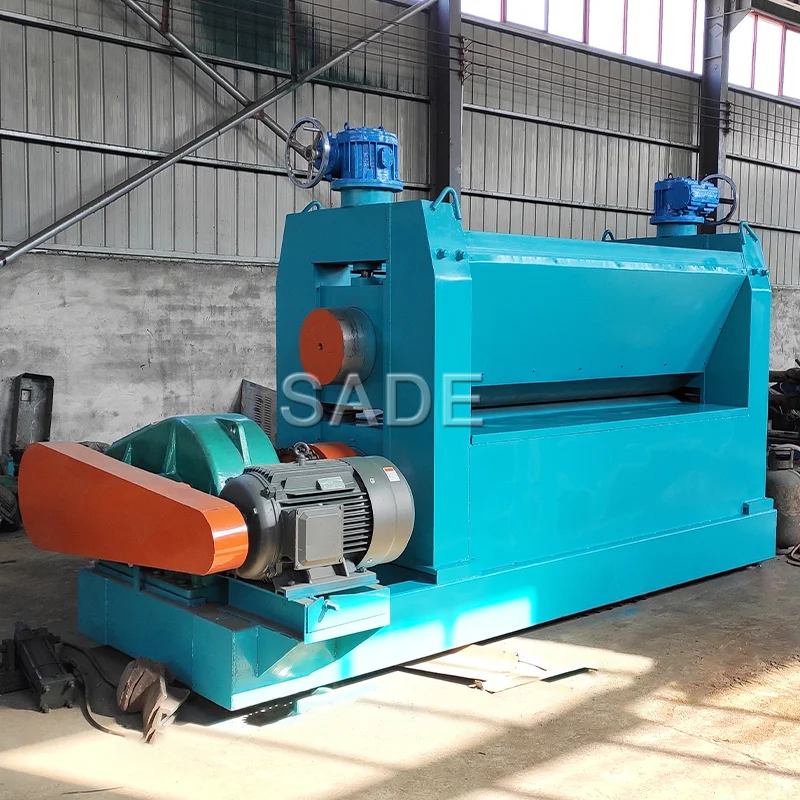
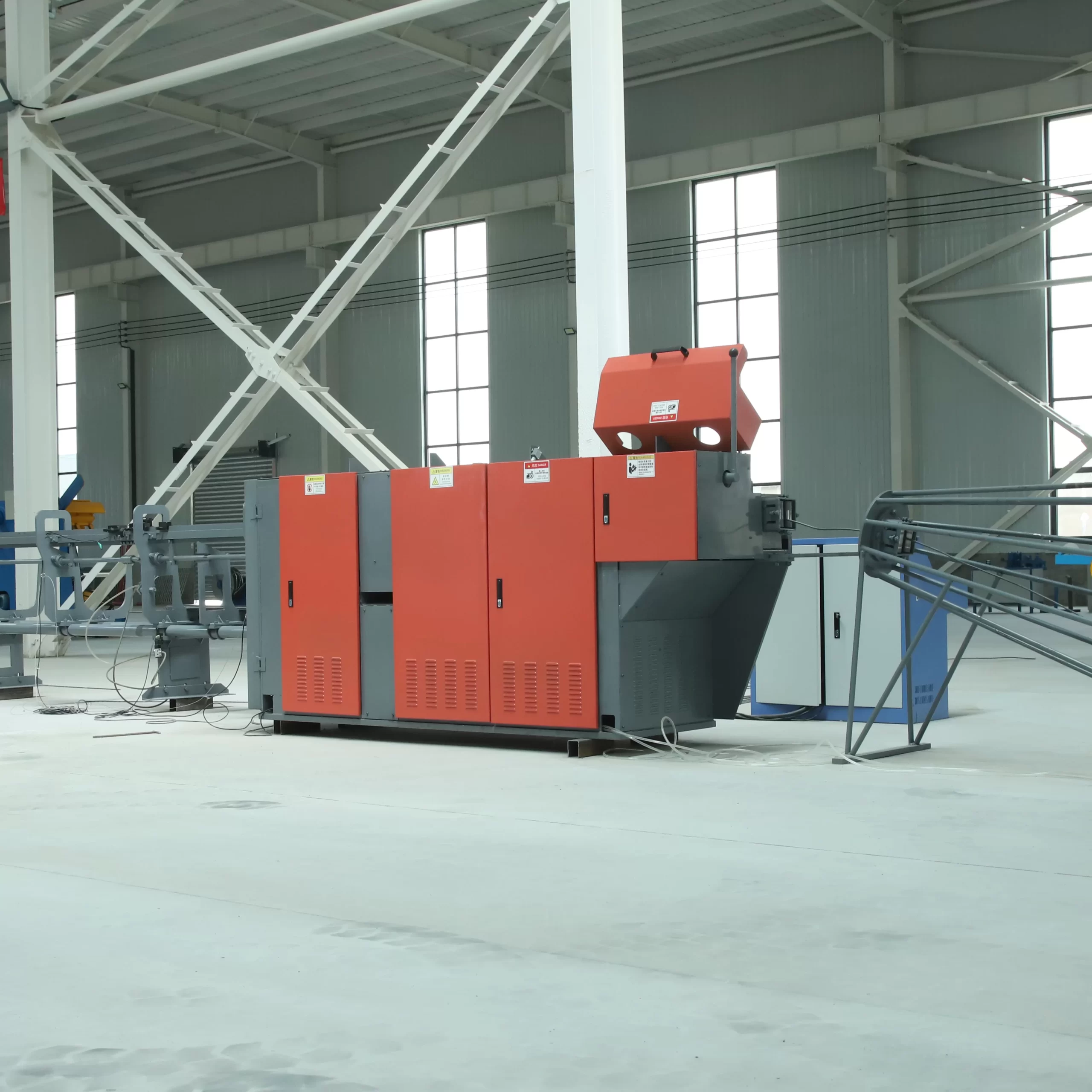
ZPJ Metal Mesh Flatting Machine
ZPJ metal mesh flatting machine is special designed for expanded metal flatting.It’s a corollary equipment of expanded metal machine. It can make expanded wire-mesh smoothly.And the flattened expanded metal have much more widely different applications.
Apr 24, 2026
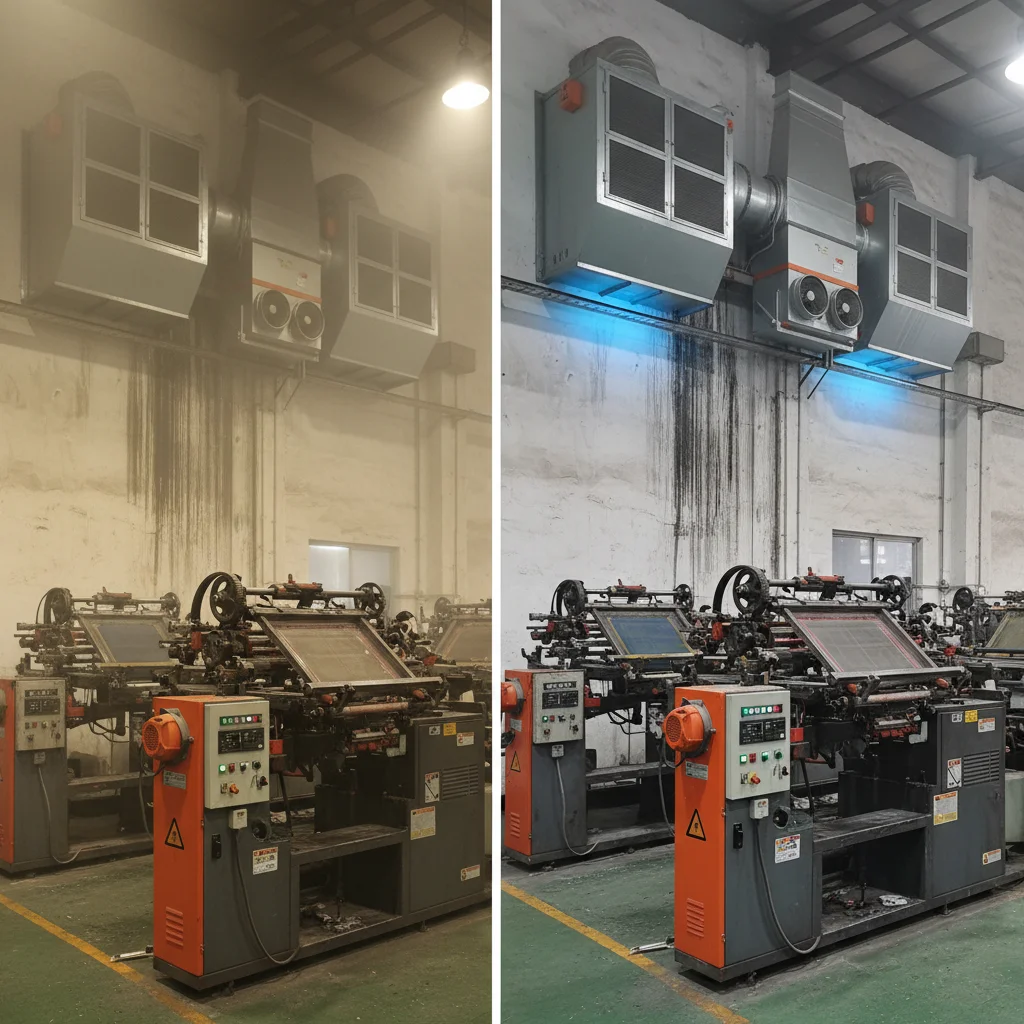
Industrial Wall Mounted Air Filtration for Clean Work Environments