
December 09, 2025
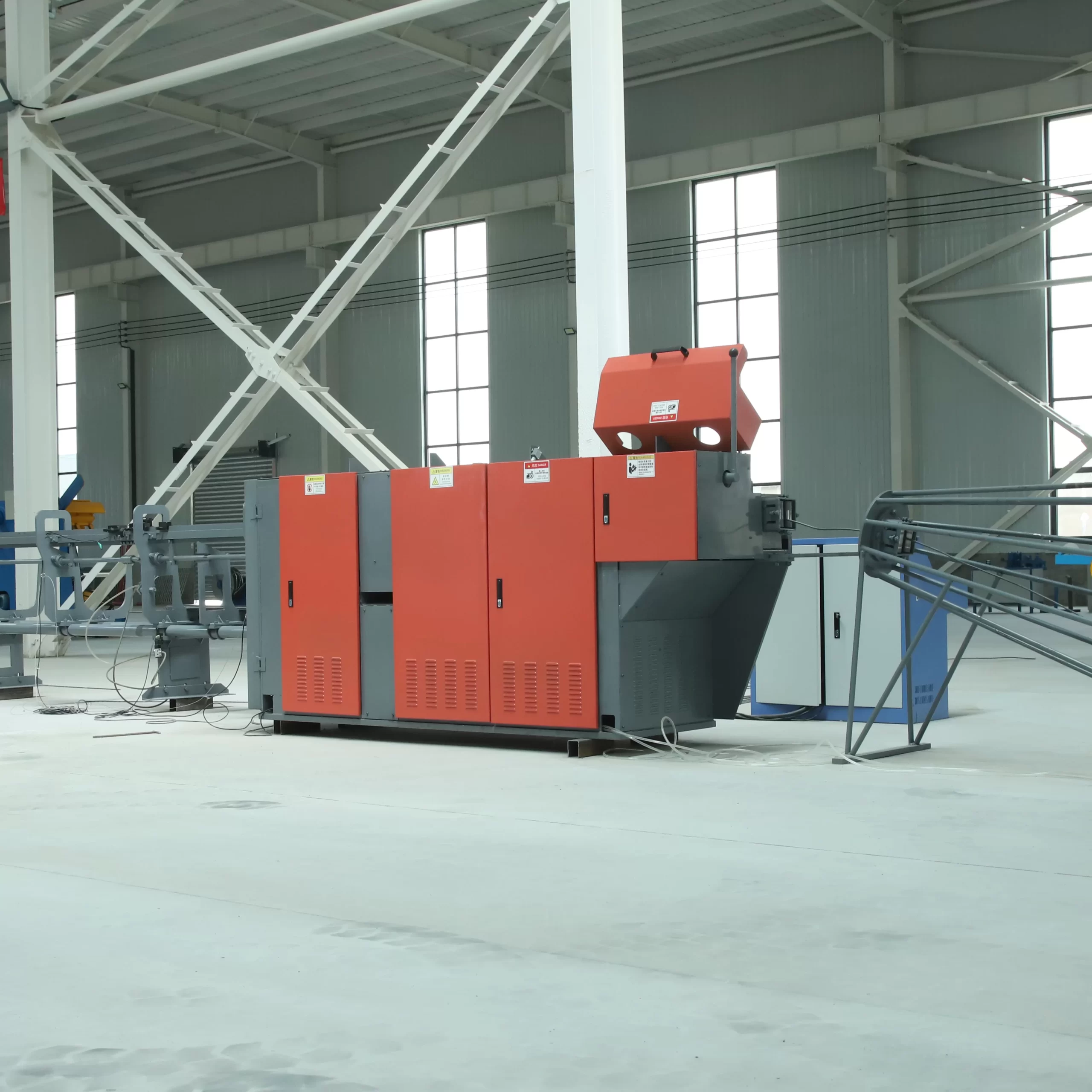
In the intricate ecosystem of modern industrial production, precision and efficiency are paramount. At the heart of countless manufacturing processes involving metal wires lies a specialized piece of equipment often overlooked but critically important: the wire straightening and cutting machine. This sophisticated apparatus transforms raw wire coils, often tangled and irregular, into perfectly straight, precisely cut segments, ready for subsequent fabrication steps. From construction and automotive to furniture and medical device manufacturing, the demand for accurately processed wire components is constant and diverse. The integrity of the final product, be it a reinforcement bar, a spring, or a delicate surgical instrument, begins with the foundational quality of its constituent wire elements. A reliable wire straightening and cutting machine not only ensures dimensional accuracy but also significantly enhances productivity, minimizes material waste, and reduces labor costs. Without these machines, industries would face formidable challenges in achieving the rigorous standards of quality and speed required by today's competitive markets. They are not merely tools; they are strategic investments that underpin the entire production chain, enabling manufacturers to meet stringent specifications and deliver superior products consistently. The operational demands across various sectors highlight the machine's versatility and its critical contribution to streamlined, high-volume production environments where consistency is non-negotiable.
Modern wire straightening and cutting machines are marvels of engineering, integrating advanced technologies to deliver unparalleled performance. One of their foremost technical advantages lies in their sophisticated straightening mechanisms. These typically employ multiple sets of rollers—horizontal and vertical—precisely calibrated to remove curvature and internal stresses from the wire. The use of hardened steel or carbide rollers ensures longevity and minimizes wear, even with abrasive materials. Furthermore, the precision of these machines is heavily reliant on their cutting systems. High-speed, high-accuracy cutting tools, often made from specialized alloys, are designed for clean, burr-free cuts, reducing the need for secondary finishing operations. Pneumatic, hydraulic, or advanced servo-driven cutting heads enable rapid and consistent performance, catering to different wire diameters and material hardness. Integrated control systems, frequently featuring Programmable Logic Controllers (PLCs) or even Computer Numerical Control (CNC) interfaces, provide operators with granular control over parameters such as cutting length, batch quantity, and processing speed. These intuitive interfaces often include touchscreens and diagnostic capabilities, simplifying operation and troubleshooting. The feeding mechanisms are equally crucial; advanced servo-motor driven feeders ensure highly accurate wire advancement, minimizing slippage and maintaining consistent tension, which is vital for maintaining length tolerances. Some machines also incorporate wire de-coilers with tension control, actively managing the unwinding process to prevent snags and ensure a smooth, continuous flow of material. Energy efficiency is another increasingly important design consideration, with many contemporary models utilizing optimized motor controls and energy-saving modes to reduce operational costs and environmental impact. These combined technical advantages translate directly into superior product quality, reduced operational overhead, and enhanced production throughput for manufacturers.
The integration of advanced automation in wire straightening and cutting machines delivers a transformative impact on manufacturing efficiency and precision, quantifiable through significant operational improvements. Consider a typical manual or semi-automated setup: achieving a length tolerance of ±1mm consistently might be a challenge, often leading to a material scrap rate of 5-7% due to inconsistencies. In stark contrast, a fully automated system, leveraging servo-driven motors and precision sensors, can routinely achieve length accuracies of ±0.1mm to ±0.3mm, reducing material waste by an impressive 60-80%, depending on the application and material. For a facility processing 10 tons of wire monthly, this could translate into savings of several thousands of dollars in raw material alone. Furthermore, the speed and throughput gains are substantial. While a traditional machine might process 30-50 cuts per minute for a specific wire gauge, an advanced automated counterpart can achieve 100-200 cuts per minute, representing a 200-300% increase in production speed. This acceleration directly impacts lead times and order fulfillment capabilities. Data from specific implementations show that companies often experience a 30-45% reduction in labor costs for wire processing tasks, as one operator can oversee multiple automated machines, freeing up personnel for more complex or value-added activities. Moreover, the consistency delivered by automated systems drastically lowers rejection rates caused by dimensional errors, often improving overall product quality by up to 99.9% consistency in wire segment length and straightness. For a production line running millions of wire pieces annually, this translates into substantial cost savings from reduced rework, fewer customer returns, and enhanced brand reputation. The return on investment (ROI) for such sophisticated machinery can often be realized within 18-36 months, driven by these tangible improvements in material utilization, production volume, and operational expenditure.
The market for wire straightening and cutting machines is competitive, populated by several reputable manufacturers, each bringing unique strengths to the table. Selecting the right vendor requires a careful evaluation of their offerings against specific production needs. Key differentiators often include machine capacity, cutting speed, material compatibility, control system sophistication, and after-sales support. Below is a comparative overview of hypothetical manufacturers, illustrating the diverse options available in the market:
Manufacturer | Model Series (Example) | Max Wire Diameter (mm) | Max Cutting Speed (cuts/min) | Material Compatibility | Control System | Key Differentiating Feature | Price Range (USD, Est.) |
PrecisionCut Inc. | P-Series Ultra | 0.8 - 12.0 | 200 | Mild Steel, Stainless, Copper, Aluminum | Siemens PLC with HMI | High-speed multi-line processing capability | $70,000 - $150,000 |
RobustBend Solutions | RBX Heavy Duty | 3.0 - 18.0 | 120 | High-Carbon Steel, Rebar, Alloy Steels | Fanuc CNC Control | Exceptional durability for tough materials | $90,000 - $200,000 |
AcuForm Automation | AF-ProSeries | 0.5 - 6.0 | 250 | Fine Wires, Precious Metals, Specialty Alloys | Proprietary Touchscreen UI | Sub-millimeter length precision, low noise | $60,000 - $120,000 |
GlobalWire Tech | GW-Versatile | 1.0 - 10.0 | 150 | Wide Range (configurable) | Mitsubishi PLC, Remote Access | Modular design for easy upgrades and customization | $75,000 - $160,000 |
This comparison highlights that manufacturers often specialize. PrecisionCut Inc. might excel in high-volume production of medium-gauge wires, offering speed and consistency for common industrial applications. RobustBend Solutions, on the other hand, targets heavy-duty applications, prioritizing robustness and the ability to process thicker, harder materials like those used in construction or automotive suspension systems. AcuForm Automation focuses on high-precision, fine-wire applications where minute tolerances are critical, often seen in electronics or medical device manufacturing. GlobalWire Tech, with its modular approach, offers flexibility, making it suitable for companies with evolving production needs or a wider range of wire types. When evaluating, prospective buyers must consider factors beyond initial cost, such as long-term reliability, spare parts availability, technical support response times, and the total cost of ownership over the machine's lifespan. A thorough due diligence process, including factory visits and reference checks, is essential to ensure alignment with production goals and budget.
The dynamic nature of modern manufacturing dictates that off-the-shelf solutions often fall short of specific production requirements. This is particularly true for wire straightening and cutting machines, where the ability to customize becomes a significant competitive advantage. Leading manufacturers understand this necessity and offer extensive customization options to precisely match a client's unique operational demands. Customization can begin with the fundamental specifications of the machine, such as accommodating an unusually wide range of wire diameters or materials—from delicate medical-grade wires to robust high-carbon steel rods. For instance, a client processing highly abrasive materials might require specialized carbide cutting dies and straightening rollers with advanced coatings to extend tool life and maintain precision. Length accuracy can be fine-tuned beyond standard offerings, with some applications demanding tolerances as tight as ±0.05 mm, necessitating enhanced sensor arrays and feedback loops within the control system. Furthermore, output handling is a crucial area for customization. This could involve integrating automated collection systems, such as bespoke stacking units for specific length requirements, robotic pick-and-place solutions for delicate components, or specialized conveyor systems that interface directly with downstream processing equipment like bending or welding machines. Software customization plays an increasingly vital role, allowing for integration with existing factory management systems (MES/ERP), enabling real-time data exchange, remote monitoring, and predictive maintenance alerts. Operators can also benefit from customized user interfaces tailored to their specific workflows, simplifying complex tasks and reducing training time. Environmental considerations can also drive customization, leading to solutions like noise reduction enclosures for quieter operation or specialized filtration systems for managing cutting fluids or particulate matter. The ultimate goal of these tailored solutions is not just to provide a machine, but to deliver a comprehensive, integrated system that seamlessly fits into the customer's production line, optimizing efficiency, reducing waste, and ultimately boosting profitability by meeting their exact, often niche, requirements with unparalleled precision.
The versatility of wire straightening and cutting machines makes them indispensable across an astonishing array of industries, each leveraging their precision and efficiency to achieve specific manufacturing goals. In the construction sector, these machines are critical for processing rebar and wire mesh. They convert large coils of steel wire into precisely cut and straightened segments, which are then used as reinforcement in concrete structures, ensuring structural integrity and meeting stringent building codes. Similarly, in the automotive industry, specialized machines produce components for seating frames, engine parts, and various fasteners. Here, the emphasis is on high volume, tight tolerances, and consistent material properties to ensure vehicle safety and performance. For the furniture industry, coiled wires are transformed into springs for mattresses and upholstery, as well as frames for chairs and tables. The ability to handle diverse wire gauges and produce specific lengths with minimal waste is crucial for cost-effective mass production. The medical device manufacturing sector represents another high-demand application, requiring extreme precision for components like guide wires, surgical instruments, and orthodontic wires. Machines in this realm often process exotic alloys, demanding sub-millimeter accuracy and ultra-clean cuts to prevent contamination. In agriculture, wire processing machines produce fencing wire, trellising systems, and components for machinery. Durability and high throughput are key here, often dealing with galvanized or stainless steel wires designed to withstand harsh outdoor environments. Even in consumer goods, from kitchenware to electronic device enclosures, straightened and cut wires form the backbone of numerous products. The impact is profound: a company producing 50,000 automotive seat frames monthly, for example, relies entirely on these machines to deliver millions of precisely cut wire segments without fail, directly impacting their supply chain stability and profitability. These diverse applications underscore the foundational role these machines play in enabling industries to deliver high-quality, cost-effective products to global markets.
In conclusion, the strategic investment in a high-quality wire straightening and cutting machine is more than just purchasing equipment; it is a commitment to operational excellence, enhanced product quality, and long-term profitability. As we have explored, these machines are not merely tools for processing wire; they are sophisticated systems that drive efficiency, reduce waste, and provide the foundational accuracy required across a multitude of industries. From the initial straightening process that removes inherent material stresses to the precise, burr-free cuts delivered by advanced cutting mechanisms, every aspect contributes to the superior quality of the final wire component. The integration of advanced automation, marked by servo-driven precision and intuitive control interfaces, quantifiably boosts production throughput and minimizes labor costs, delivering a rapid return on investment. Navigating the diverse landscape of manufacturers reveals that specialized machines cater to unique industry needs, from heavy-duty construction applications to the delicate demands of medical device production. Furthermore, the capacity for extensive customization ensures that these machines can be meticulously tailored to specific wire types, diameter ranges, length requirements, and integration needs within existing production lines. The real-world impact is evident in sectors ranging from automotive and furniture to agriculture, where these machines enable the consistent production of high-quality components critical for safety, durability, and functionality. Choosing the right machine involves a comprehensive assessment of current and future production requirements, a thorough comparison of vendor capabilities, and an appreciation for the long-term benefits of precision, reliability, and technical support. Ultimately, investing in the optimal wire straightening and cutting machine positions manufacturers to meet market demands with agility, maintain competitive advantage, and achieve sustained growth through unparalleled efficiency and product integrity.
1. What is a wire straightening and cutting machine used for?
A wire straightening and cutting machine is used to process raw wire coils into straight, precisely cut segments. It removes the natural curvature from the coiled wire and then cuts it to specific lengths, preparing it for subsequent manufacturing processes in various industries like construction, automotive, and furniture.
2. What types of wire materials can these machines typically handle?
These machines are highly versatile and can handle a wide range of materials, including mild steel, stainless steel, copper, brass, aluminum, various alloys (e.g., high-carbon steel, galvanized steel), and even precious metals or specialized medical-grade wires. The specific capacity depends on the machine's design and tooling.
3. How accurate are modern wire straightening and cutting machines?
Modern, automated machines are exceptionally accurate. Depending on the model and application, they can achieve length tolerances as precise as ±0.1mm to ±0.3mm (or even finer for specialized machines), significantly reducing material waste and ensuring consistent product quality.
4. What are the key factors to consider when choosing a wire straightening and cutting machine?
Key factors include the maximum and minimum wire diameter you need to process, the types of materials, desired cutting speed and production volume, required length accuracy, degree of automation, control system features (e.g., PLC/CNC), machine durability, after-sales support, and budget.
5. Can these machines be customized for specific production needs?
Yes, many manufacturers offer extensive customization options. This can include specialized straightening rollers and cutting dies for unique materials, custom output handling systems (e.g., stacking, robotic integration), software customization for factory system integration, and specific safety features or environmental considerations.
6. What maintenance is required for a wire straightening and cutting machine?
Regular maintenance includes checking and replacing worn straightening rollers and cutting dies, lubricating moving parts, cleaning the machine to remove wire debris, inspecting electrical connections, and regularly calibrating sensors and feeding mechanisms. Adhering to the manufacturer's maintenance schedule is crucial for longevity and performance.
7. How do automated wire straightening and cutting machines contribute to cost savings?
Automated machines significantly reduce material waste due to higher precision, increase production speed and throughput, lower labor costs by minimizing manual intervention, and improve overall product quality by ensuring consistent dimensions. These factors collectively lead to substantial operational cost savings and a strong return on investment.
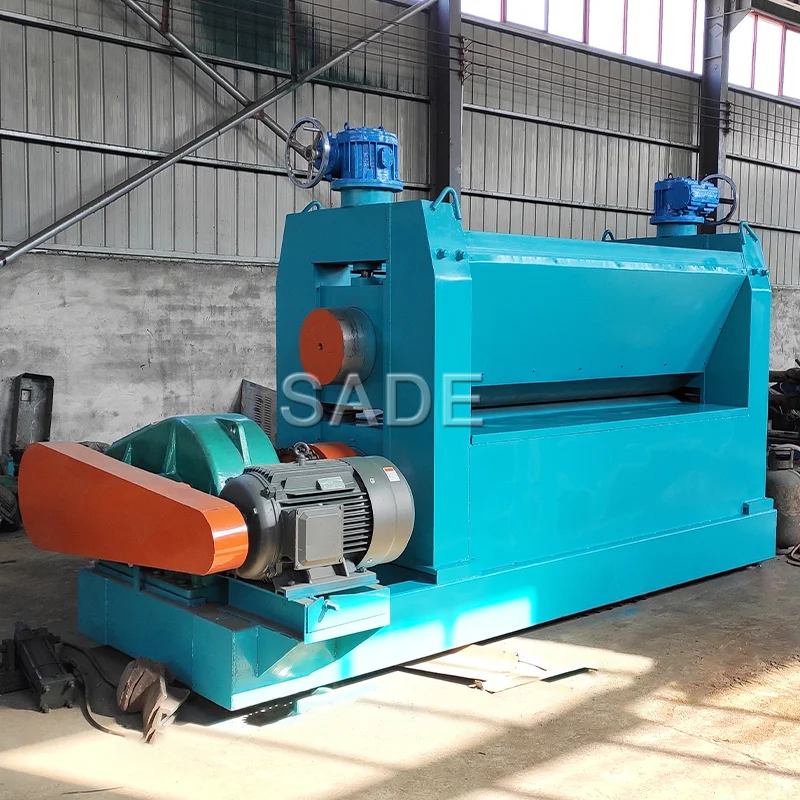
ZPJ Metal Mesh Flatting Machine
ZPJ metal mesh flatting machine is special designed for expanded metal flatting.It’s a corollary equipment of expanded metal machine. It can make expanded wire-mesh smoothly.And the flattened expanded metal have much more widely different applications.
Apr 24, 2026
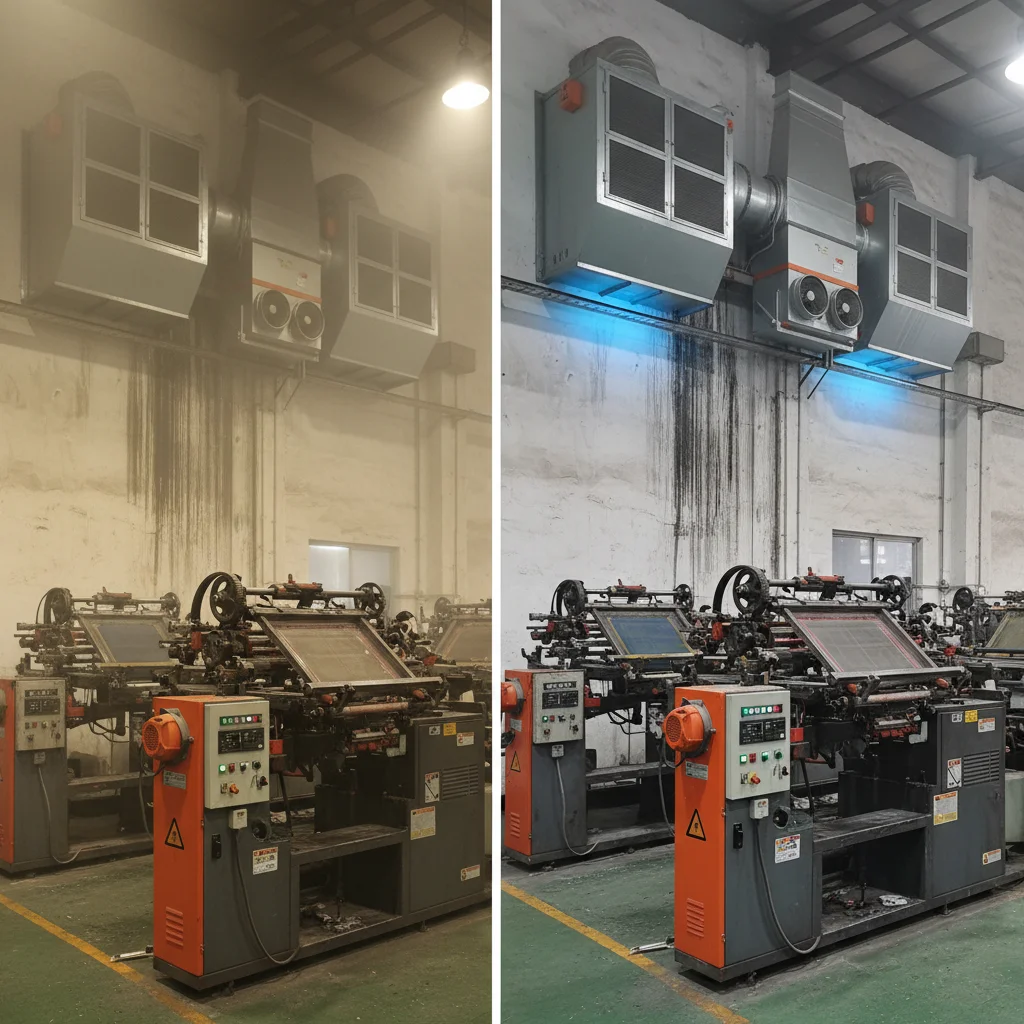
Industrial Wall Mounted Air Filtration for Clean Work Environments