
February 06, 2026
Gabion baskets are increasingly popular in civil engineering, landscaping, and erosion control. The quality of the wire mesh used in these baskets is critical, and that’s where a reliable gabion mesh knitting machine (Станок для вязания габионной сетки) comes in. This article provides an in-depth look at these machines, their types, benefits, and how to choose the right one for your needs. Investing in a quality machine ensures efficient production of durable and consistent gabion mesh, crucial for the long-term stability of any project. We will explore the key considerations when selecting a machine and how it can improve your business.
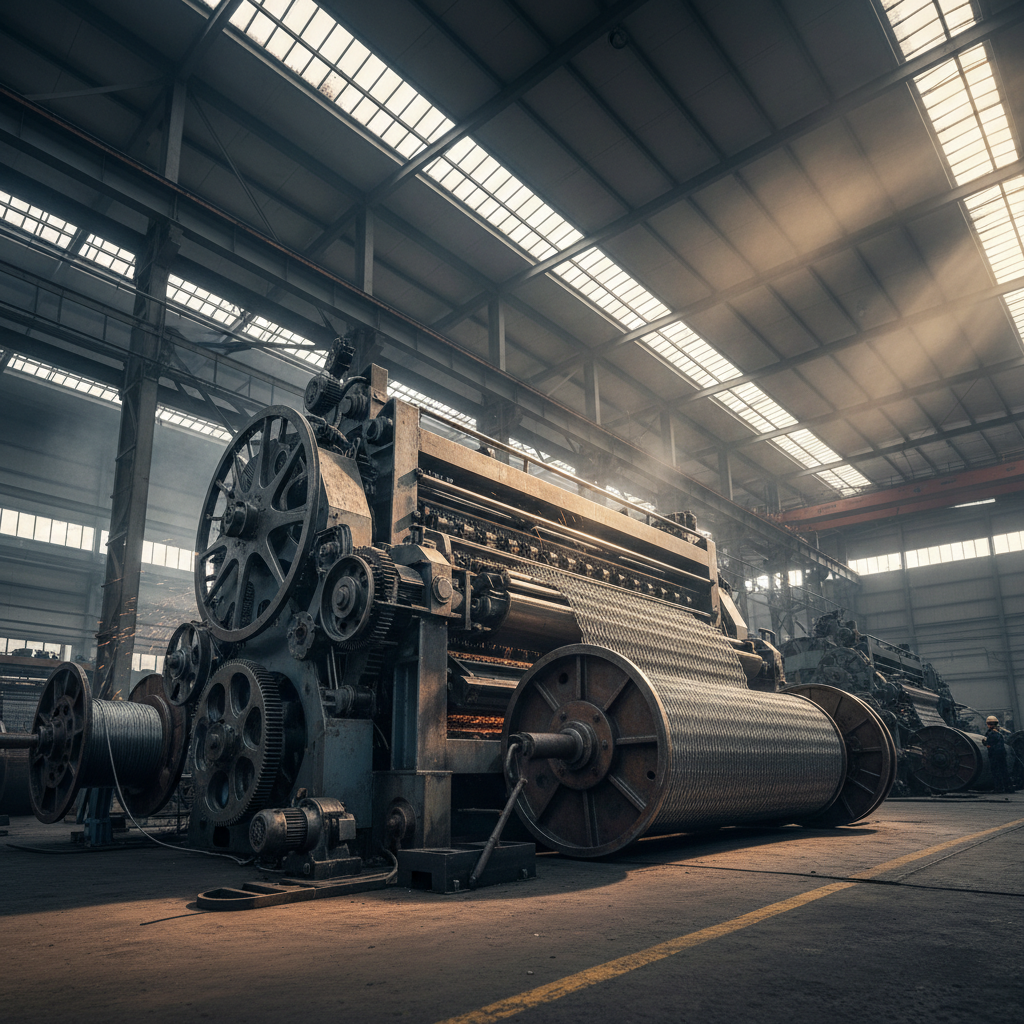
A gabion mesh knitting machine is specifically designed to automatically weave and bind wires into a hexagonal mesh structure. This mesh is then used to create the cages that form gabion baskets. These machines vary significantly in terms of automation, production capacity, and wire handling capabilities. Choosing the correct type of machine is essential for meeting your production demands and maintaining quality control. Key components include wire feeding systems, forming mechanisms, and winding/cutting devices. Proper maintenance and operation are crucial for extending the lifespan of the machine and ensuring consistent output.
Key Features: Automated wire feeding, precise mesh formation, adjustable settings for different mesh sizes, and efficient winding mechanisms.
Several types of gabion mesh knitting machines cater to different production scales and budget constraints. These primarily include manual, semi-automatic, and fully automatic machines. Manual machines require significant operator input, making them suitable for small-scale or infrequent production. Semi-automatic machines automate some processes, reducing labor costs and increasing efficiency. Fully automatic machines offer the highest levels of automation, capable of continuous operation and high output volumes. The choice depends on your production capacity, labor costs, and desired level of control.
Machine Type Overview:
• Manual: Low cost, low production, high labor requirements.
• Semi-Automatic: Moderate cost, moderate production, reduced labor.
• Fully Automatic: High cost, high production, minimal labor.
When evaluating different gabion mesh knitting machines (Станок для вязания габионной сетки), consider key performance indicators (KPIs) like production capacity, mesh size range, wire diameter compatibility, and power consumption. Production capacity is typically measured in square meters per hour. Mesh size range determines the versatility of the machine for different applications. Wire diameter compatibility ensures it can handle the materials you need. Lower power consumption translates to reduced operating costs. Carefully analyze these metrics to determine the machine that best aligns with your specific requirements.
Selecting the right Станок для вязания габионной сетки involves assessing your specific needs and constraints. Consider your production volume, budget, available space, and the type of wire you plan to use. Look for machines from reputable manufacturers with a proven track record of quality and reliability. Ensure the machine is easy to operate and maintain, and that spare parts are readily available. Don't forget to factor in installation costs and training requirements. A well-informed decision will ensure a smooth and productive operation.
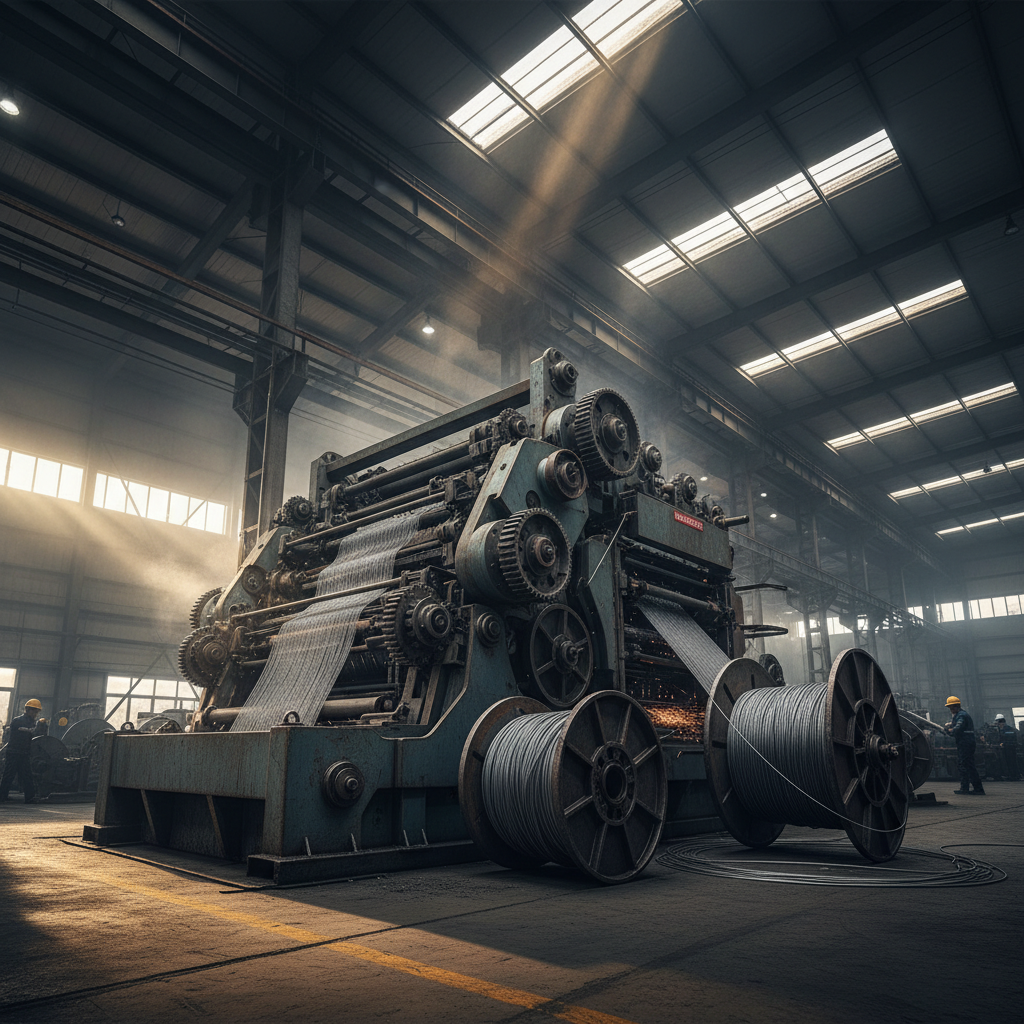
Regular maintenance is vital for maximizing the lifespan and efficiency of your gabion mesh knitting machine. This includes lubricating moving parts, cleaning wire dust and debris, and inspecting components for wear and tear. Follow the manufacturer's recommendations for maintenance schedules and procedures. Proper operator training is equally important. Operators should be thoroughly familiar with the machine's controls, safety features, and troubleshooting procedures. Following these best practices will minimize downtime and ensure consistent production of high-quality gabion mesh.
Choosing the right gabion mesh knitting machine (Станок для вязания габионной сетки) is a significant investment that impacts your production efficiency and the quality of your finished products. By carefully considering your needs, researching available options, and prioritizing maintenance, you can ensure a reliable and productive operation for years to come. Investing in a quality machine is an investment in the success of your business.
Most gabion mesh knitting machines are designed to handle a variety of wire types, including galvanized steel wire, stainless steel wire, and PVC-coated wire. The specific wire diameter compatibility varies depending on the machine model. It's crucial to check the manufacturer's specifications to ensure the machine can accommodate the wire you intend to use. Using incompatible wire can damage the machine or result in a substandard mesh.
Safety is paramount when operating gabion mesh knitting machines. Always wear appropriate personal protective equipment (PPE), including safety glasses, gloves, and ear protection. Ensure the machine is properly grounded and that all safety guards are in place. Never attempt to operate the machine if you are not properly trained. Keep hands and clothing away from moving parts. Follow all safety guidelines provided by the manufacturer. Regular safety inspections are also essential.
The lead time for delivery of a new gabion mesh knitting machine can vary depending on the manufacturer, the machine model, and your location. Typically, the lead time ranges from 4 to 12 weeks. Customized machines or machines with specific configurations may have longer lead times. It's best to contact the manufacturer directly to get an accurate estimate.
Meshmachinery provides comprehensive after-sales support, including installation assistance, operator training, maintenance guidance, and readily available spare parts. We also offer remote troubleshooting support and can dispatch technicians for on-site repairs if needed. Our goal is to ensure our customers have a smooth and productive experience with our machines.
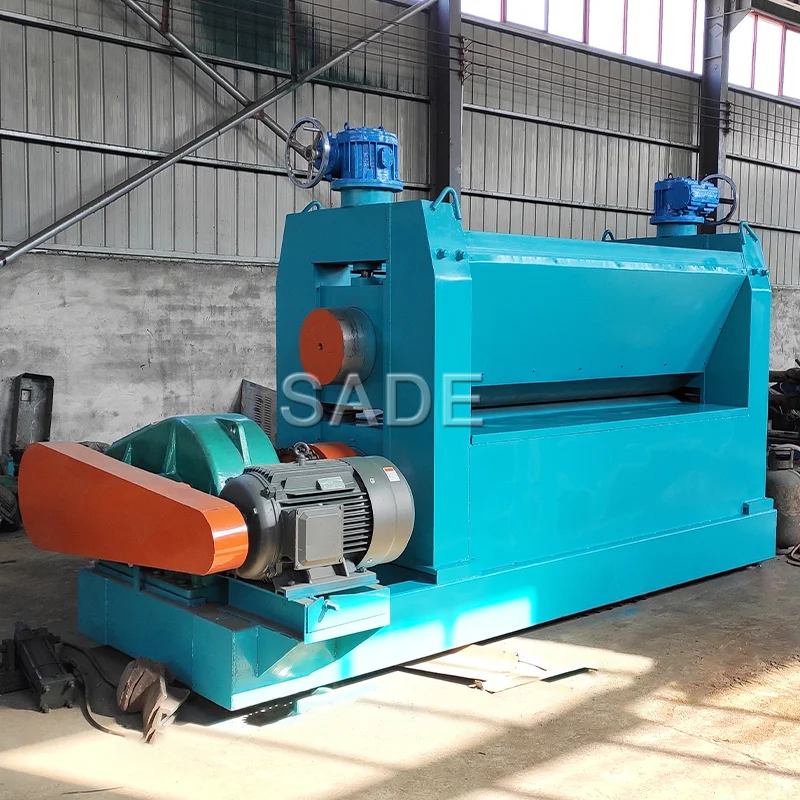
ZPJ Metal Mesh Flatting Machine
ZPJ metal mesh flatting machine is special designed for expanded metal flatting.It’s a corollary equipment of expanded metal machine. It can make expanded wire-mesh smoothly.And the flattened expanded metal have much more widely different applications.
Apr 24, 2026
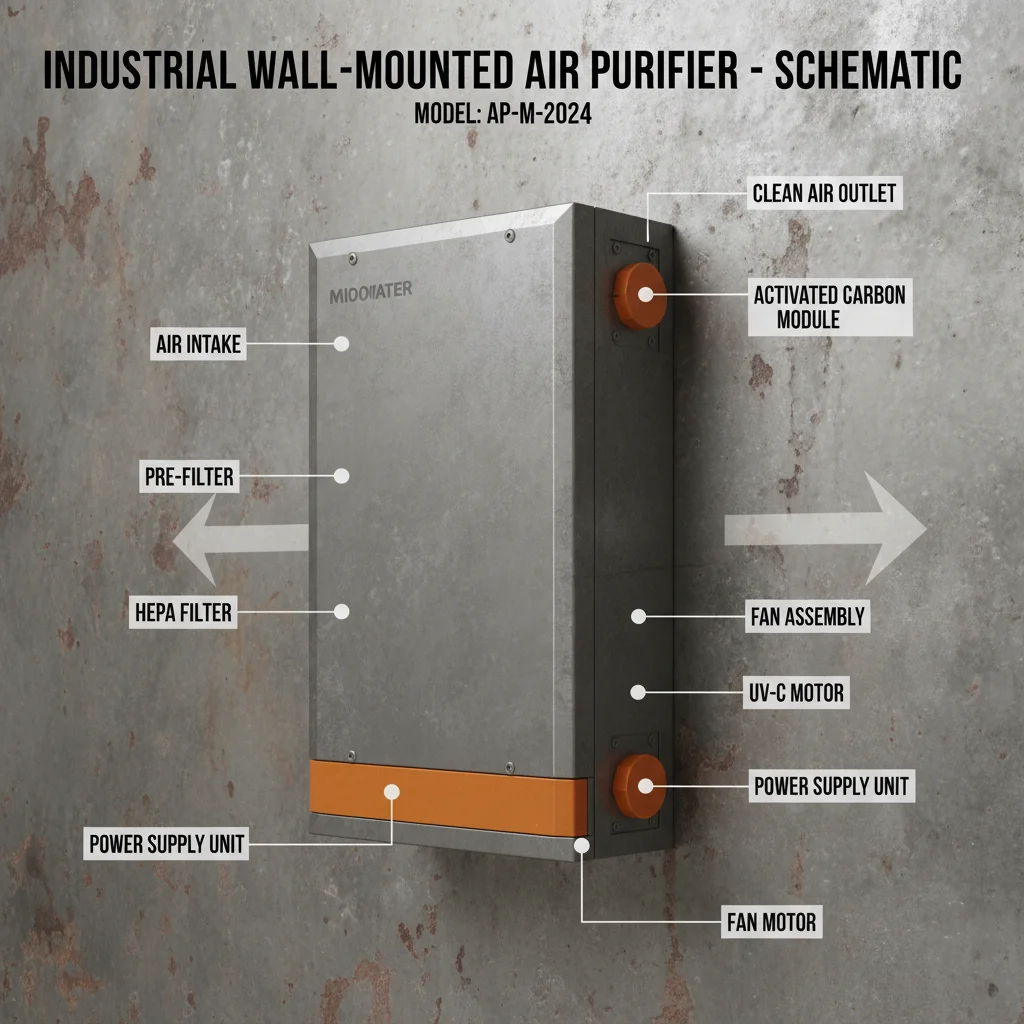
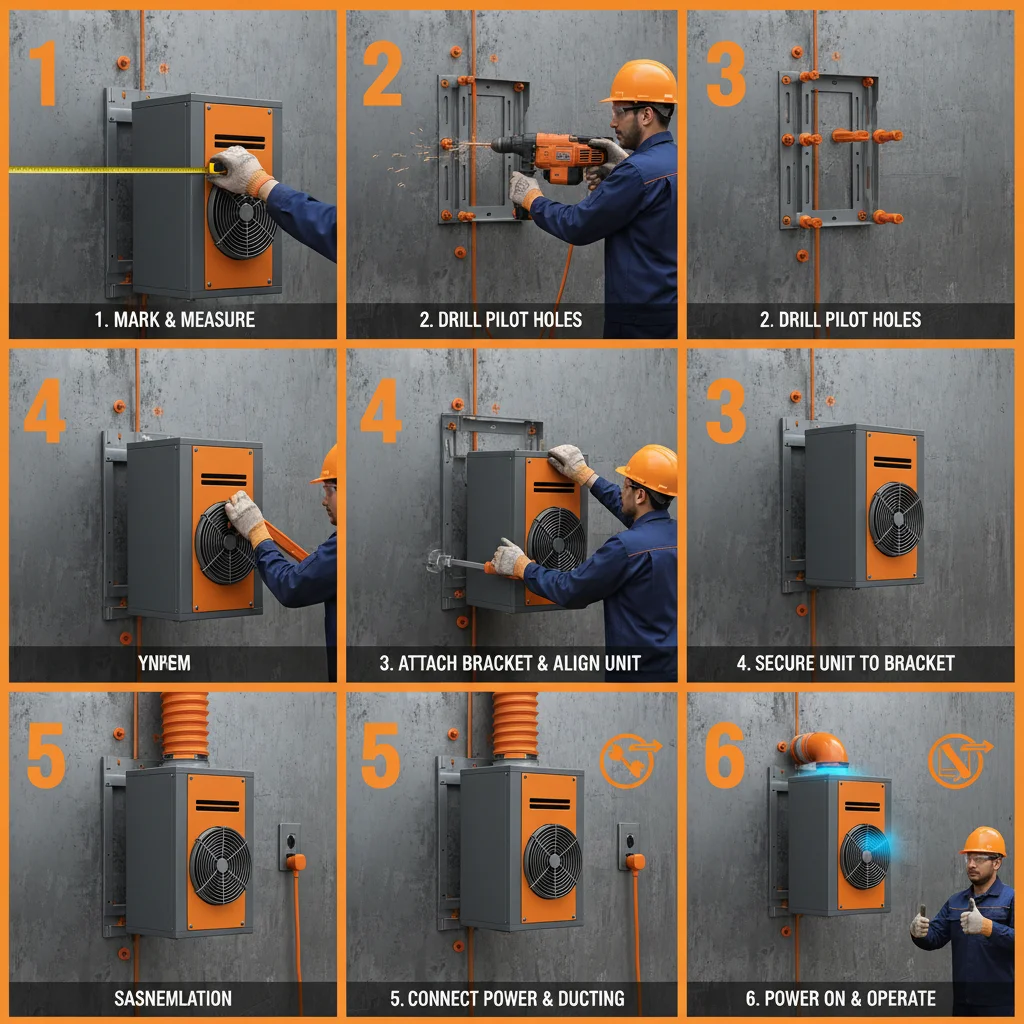
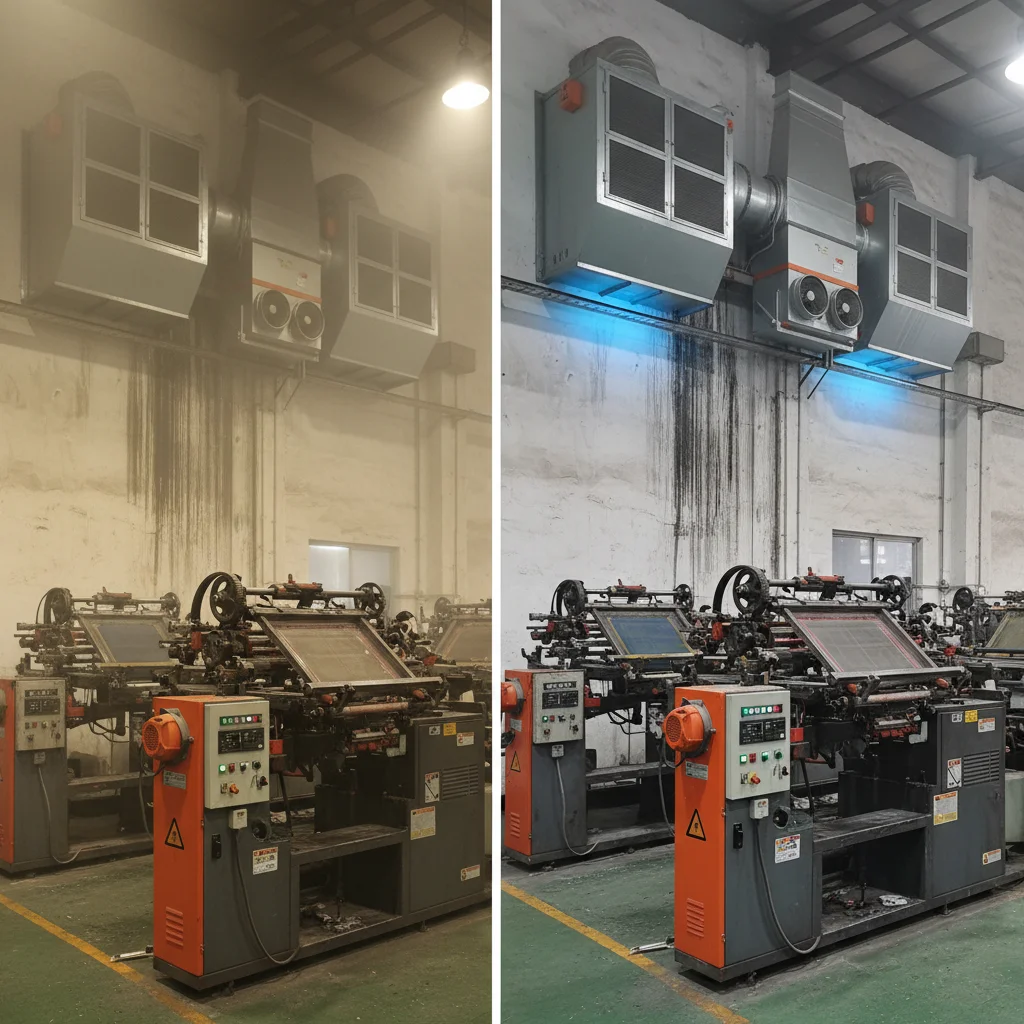
Industrial Wall Mounted Air Filtration for Clean Work Environments