
• Home
  • Global Service
  • HighPrecision mesh welding machine Solutions for Japan’s Industrial Sector

High-Precision mesh welding machine Solutions for Japan's Industrial Sector

Empowering Japanese metallurgy and construction with advanced automation in wire mesh fabrication and expanded metal processing.

High-Precision mesh welding machine Solutions for Japan's Industrial Sector

We provide world-class industrial equipment tailored for the Japanese market, focusing on extreme precision, energy efficiency, and seamless integration with automated factory lines.

Current Landscape of Mesh Fabrication in Japan

Analyzing the intersection of traditional craftsmanship and Industry 4.0 in the Japanese metalworking sector.

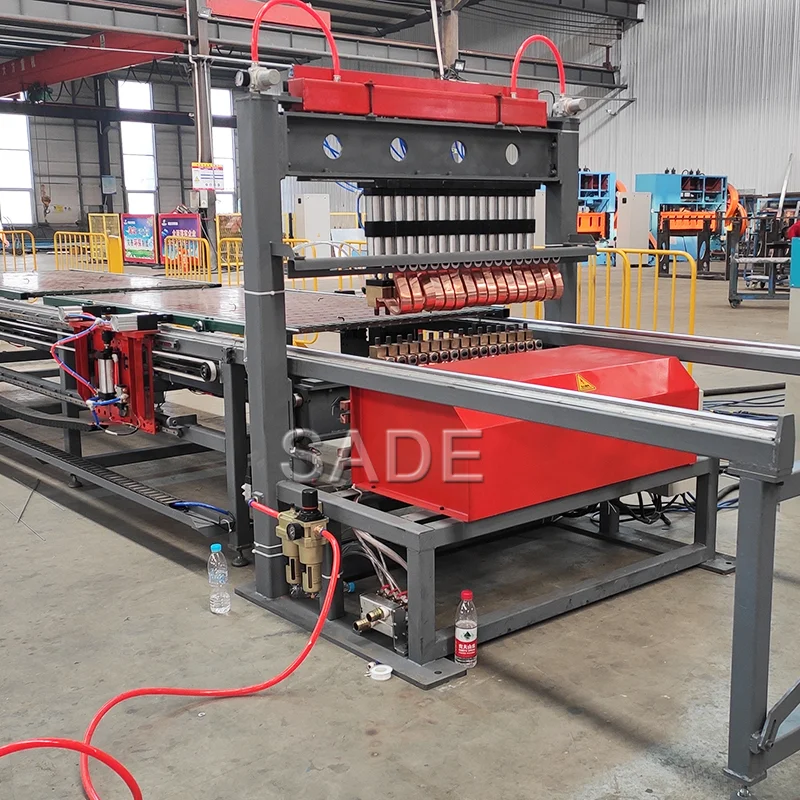
The Japanese manufacturing sector is characterized by a relentless pursuit of "Monozukuri" (the art of making things). In the specialized field of wire mesh, there is a high demand for equipment like the wire mesh welding machine that can meet the stringent JIS (Japanese Industrial Standards) for structural integrity and dimensional accuracy.

Geographically, Japan's vulnerability to seismic activity has driven a massive surge in the demand for reinforced concrete mesh. This economic reality forces local manufacturers to optimize their production cycles using high-speed mesh welding machine technology to ensure a steady supply of earthquake-resistant materials for urban infrastructure.

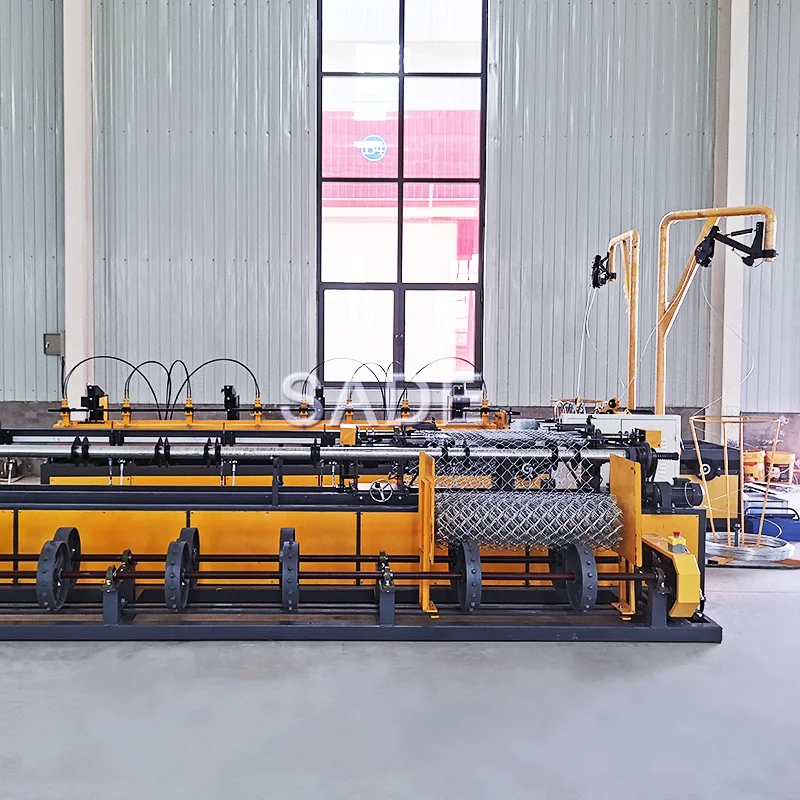
Furthermore, the high cost of industrial labor in Japan has accelerated the transition from manual weaving to fully automated wire mesh weaving machine systems. Companies are increasingly seeking equipment that reduces waste and operates with minimal human intervention to maintain competitiveness.
Evolution of Mesh Production Technology

From mechanical precision to intelligent automation: the trajectory of metal mesh manufacturing.

Market Development History

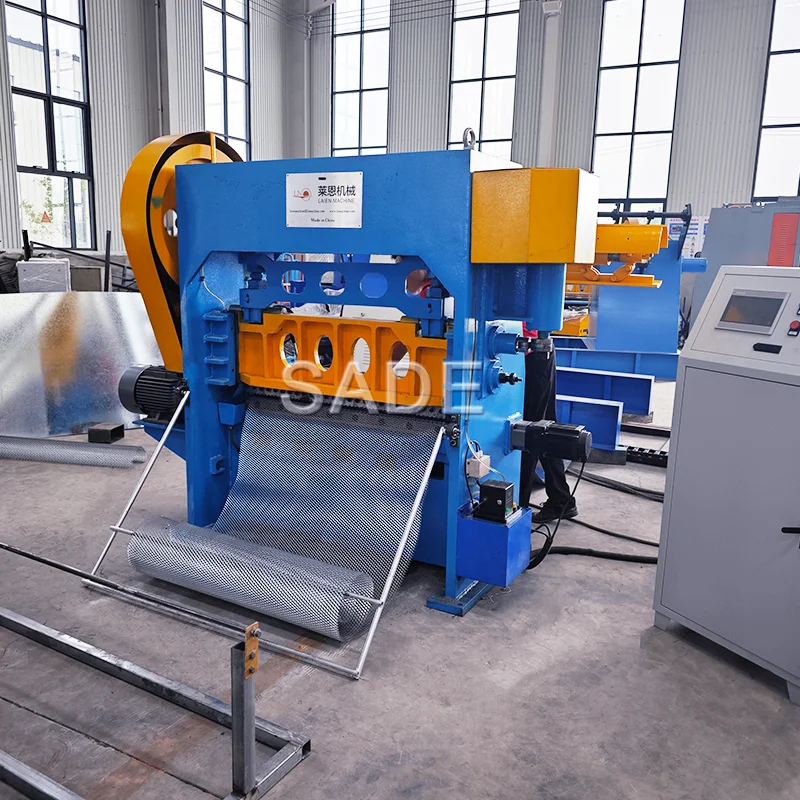
In the late 20th century, the Japanese market relied heavily on semi-automatic mechanical presses. The early expanded metal press units were primarily manual, focusing on simple architectural grilles with limited customization in mesh aperture.

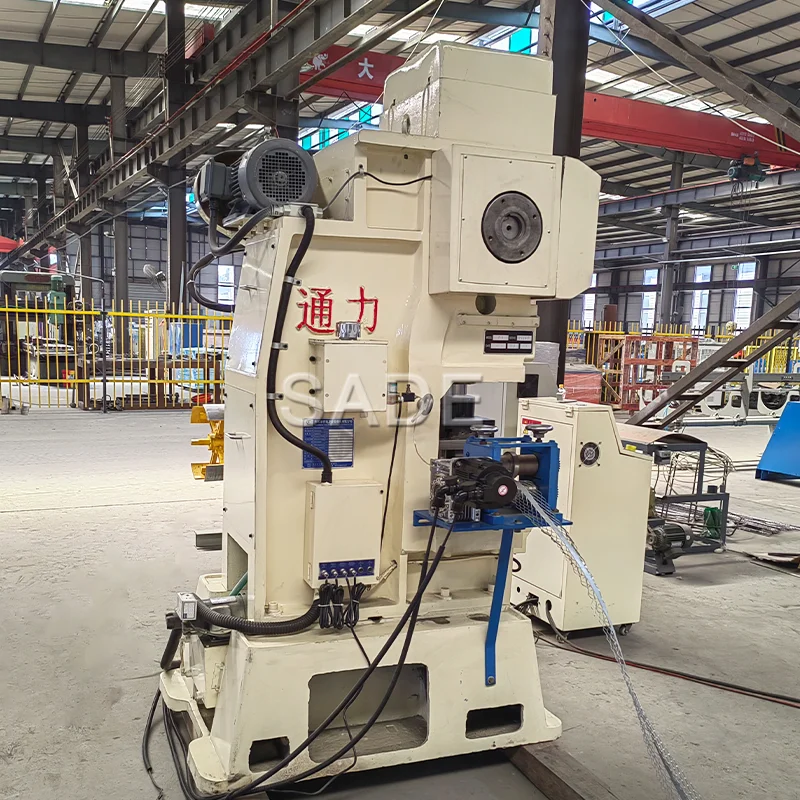
Between 2000 and 2015, the industry shifted toward PLC-controlled systems. The introduction of digital synchronization allowed for the bender expanded metal machine to produce complex geometries, enabling the growth of high-end automotive and aerospace filter components.

From 2016 to the present, the focus has evolved into "Smart Manufacturing." Current trends integrate IoT sensors into weaving and welding lines, allowing for real-time quality monitoring and predictive maintenance, drastically reducing downtime in Japanese factories.

Future Development Trends

AI-Driven Precision Control

Integration of AI algorithms to automatically adjust welding current and pressure based on wire material variance, ensuring zero-defect production.

Sustainable Green Manufacturing

Shift towards energy-efficient power sources and recycled steel processing to align with Japan's 2050 Carbon Neutral goal.

Hyper-Customization Modules

Development of modular tool-heads that allow a single machine to switch between different mesh patterns rapidly via software commands.

Industry Trends and Future Outlook

Strategic foresight into the evolution of specialized metal mesh equipment.

Robotic Integration
The convergence of robotic arms with the expanded metal press for seamless loading and unloading.
Digital Twin Technology
Using virtual simulations to test mesh designs before actual production on the weaving machine.
Advanced Alloy Support
Upgrading welding heads to handle titanium and high-nickel alloys for extreme environments.
Zero-Waste Cutting
Implementing laser-guided cutting integrated with the bender expanded metal machine.

Industry Outlook

Google search trends in Japan indicate a rising interest in "automated mesh production" and "energy-saving welding," reflecting a macro shift toward sustainable industrialization. We expect the market to pivot toward high-mix, low-volume production, requiring machinery that is highly flexible.

The future will likely see the integration of 5G connectivity, enabling remote diagnostic services and real-time technical support from global experts directly to the factory floor in Osaka or Nagoya.

Localized Application Scenarios in Japan

Tailored solutions for Japan's diverse industrial requirements.

01. Earthquake-Resistant Infrastructure

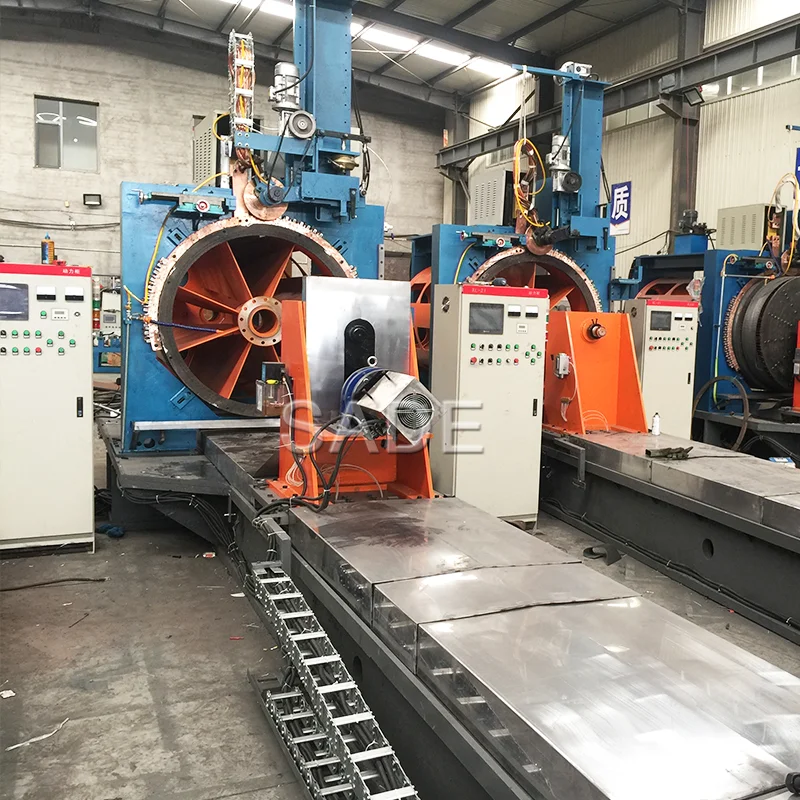
Utilizing high-load mesh welding machine systems to produce heavy-duty steel mesh for reinforced concrete slabs in Tokyo's high-rise developments.

02. Automotive Filtration Systems

Employing a bender expanded metal machine to create precision filters and heat shields for the Japanese automotive industry, focusing on weight reduction.

03. High-End Architectural Facades

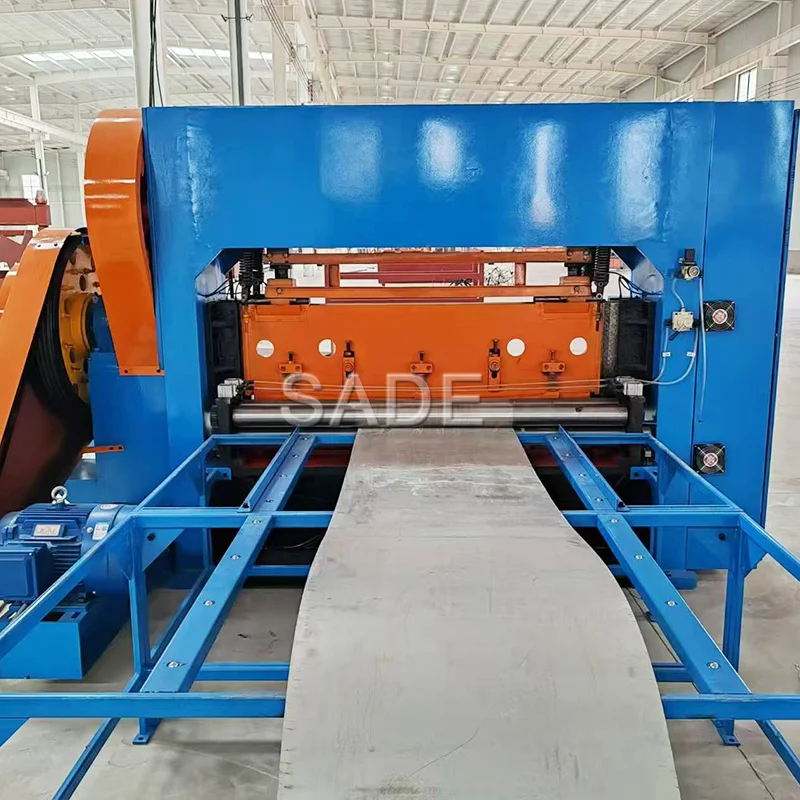
Integrating an expanded metal press to manufacture decorative yet functional metallic screens for modern commercial buildings in Kyoto.

04. Industrial Chemical Screening

Using a wire mesh weaving machine to produce corrosion-resistant stainless steel mesh for chemical plants in the coastal industrial zones.

05. Precision Electronic Shielding

Developing ultra-fine mesh via advanced weaving technology to provide EMI shielding for Japan's leading robotics and semiconductor manufacturers.

Brand Story

Global Development Journey of Hebei Sade Machinery Manufacturing Co., Ltd.

Founding Vision

Started with a mission to solve the inconsistency of manual welding, focusing on early automated mesh solutions.

Technical Breakthrough

Developed the first generation of high-speed PLC welding systems, reducing production time by 40%.

Global Expansion

Entered the Japanese market, adapting machinery to meet the rigorous JIS standards for precision.

Innovation Hub

Established a R&D center focusing on the synergy between expanded metal and weaving technologies.

Sustainable Future

Leading the industry toward green manufacturing with energy-efficient, low-emission machinery.

Common Questions for the Japanese Market

Technical insights and operational guidance for our equipment.

How does the wire mesh welding machine comply with JIS standards?

Our machines utilize precision current control and high-pressure clamping to ensure weld penetration and strength that meet or exceed JIS industrial specifications.

Can the mesh welding machine be integrated into an existing automated line?

Yes, our equipment supports Modbus and other standard industrial communication protocols for seamless integration with Japanese factory automation systems.

What is the lifespan of the dies in an expanded metal press?

We use high-chromium tool steel for our dies, ensuring extended wear life and maintaining aperture precision over millions of cycles.

How do I maintain a bender expanded metal machine in humid coastal areas?

We provide specialized anti-corrosion coatings for the machine frame and recommend a strict lubrication schedule using marine-grade lubricants.

Is the wire mesh weaving machine suitable for titanium wire?

Yes, our weaving machines can be equipped with ceramic-coated guides and tension controllers specifically designed for high-strength alloys like titanium.

What is the energy consumption compared to traditional mesh equipment?

Our latest generation uses inverter-controlled power supplies, reducing energy consumption by approximately 20-30% compared to older mechanical models.

Ready to Optimize Your Production?

Contact our expert team today for customized mesh machinery solutions tailored for the industrial demands of Japan.

Contact Us Now