
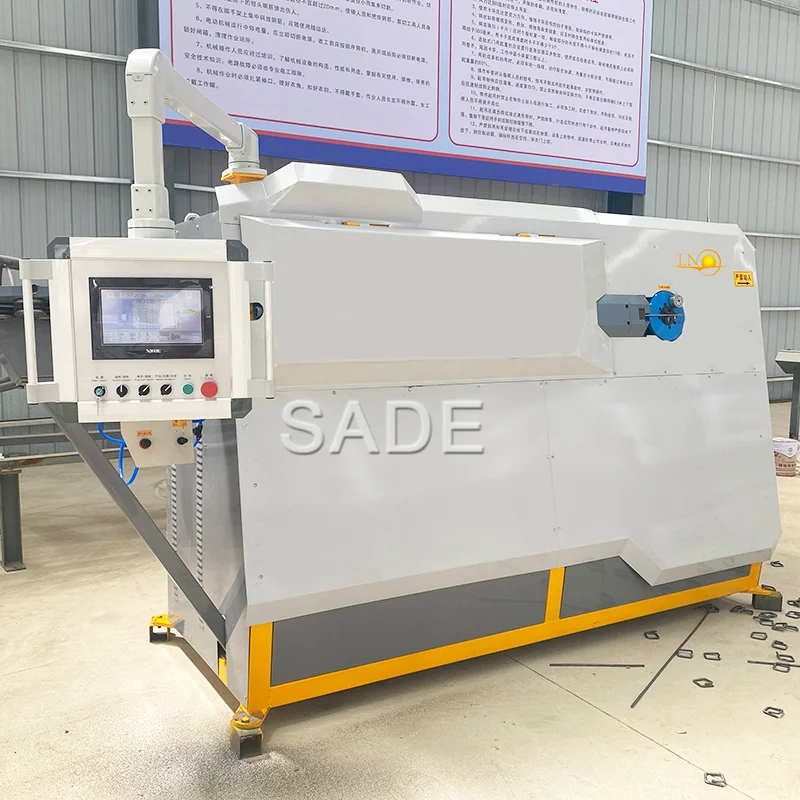
Advanced Industrial Solution for wire mesh weaving machine in Libya

Empowering Libyan industrialization with high-precision metallurgy and mining equipment for sustainable infrastructure development.

Advanced Industrial Solution for wire mesh weaving machine in Libya

Providing Libya's manufacturing sector with robust, high-efficiency machinery designed to handle extreme desert climates and heavy-duty industrial loads.

Current State of Mesh Manufacturing in Libya

Analyzing the intersection of infrastructure reconstruction and industrial equipment needs.

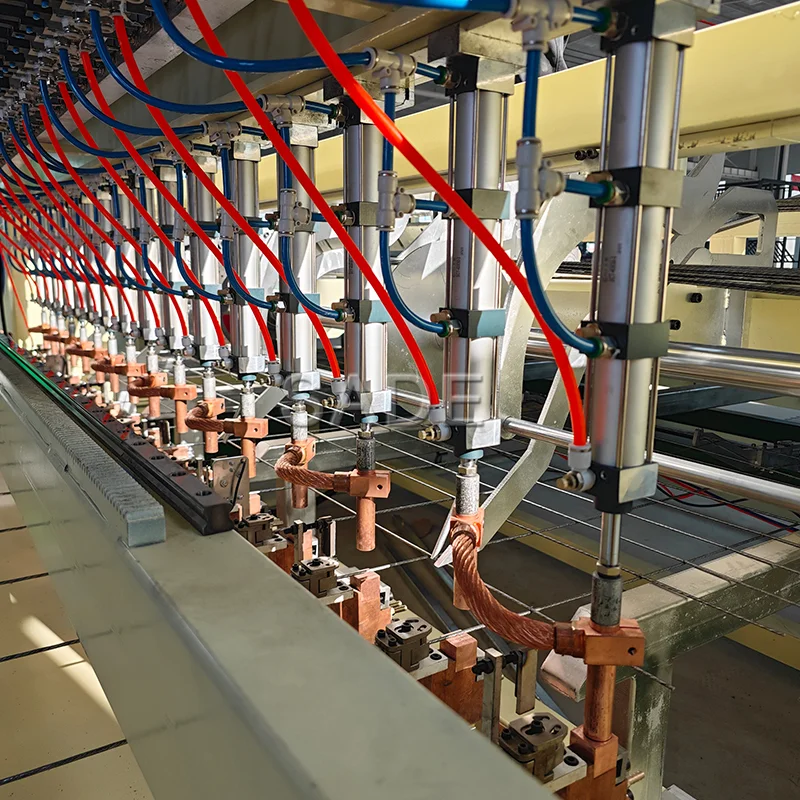
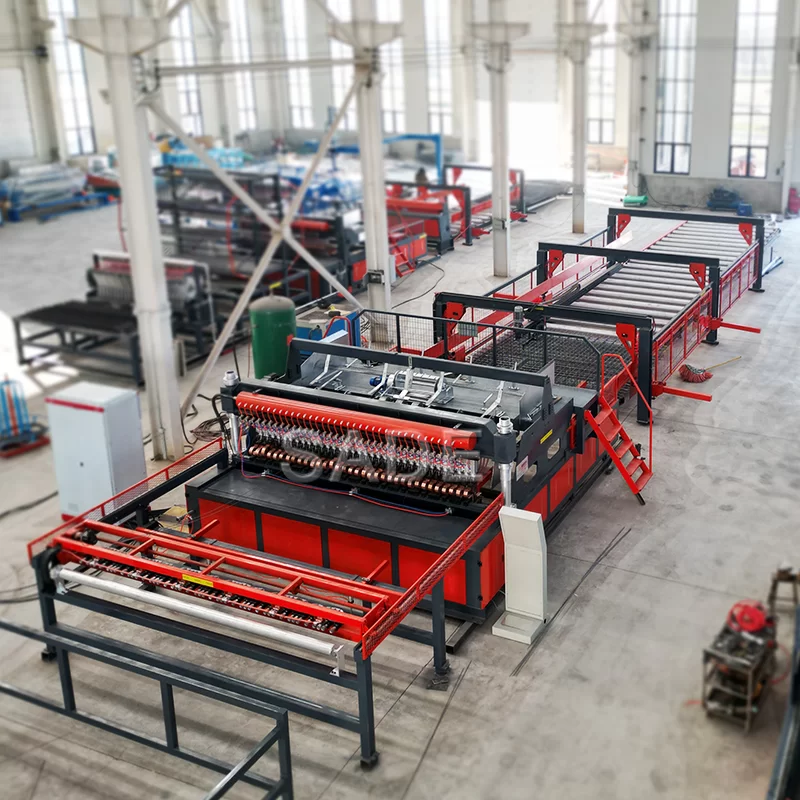
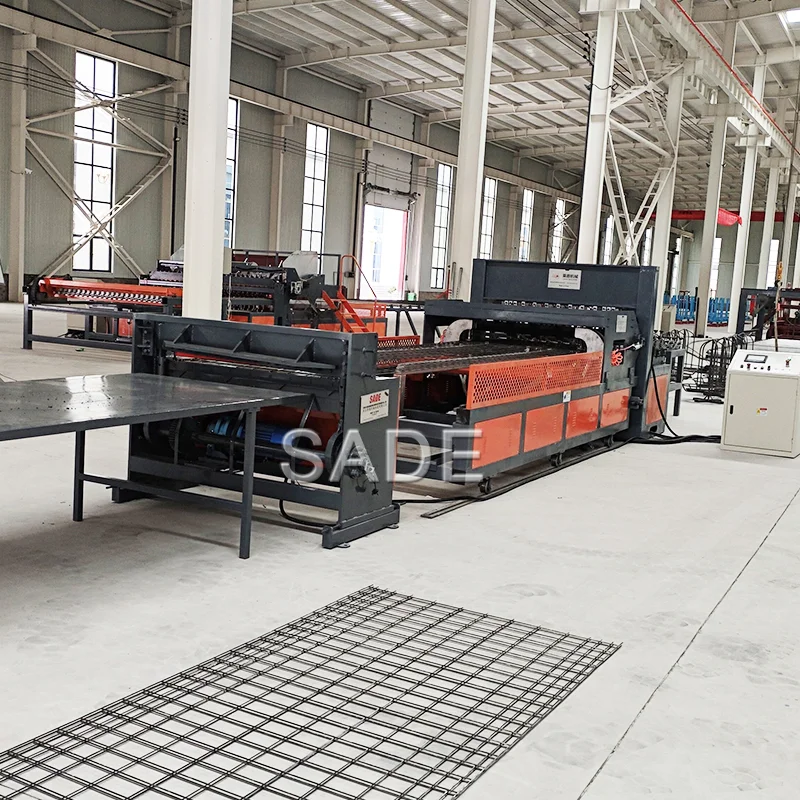
Libya's current manufacturing landscape is characterized by a strong demand for reconstruction materials. The prevalence of salt-heavy air in coastal regions and extreme heat in the interior necessitates the use of high-quality mesh welding machine technology to produce corrosion-resistant reinforced meshes for concrete and civil engineering.

Many local workshops still rely on antiquated manual processes, leading to low output and inconsistent quality. The shift toward automation is becoming critical as Libya seeks to diversify its economy away from oil, requiring more reliable wire mesh welding machine systems to scale production for urban housing projects.

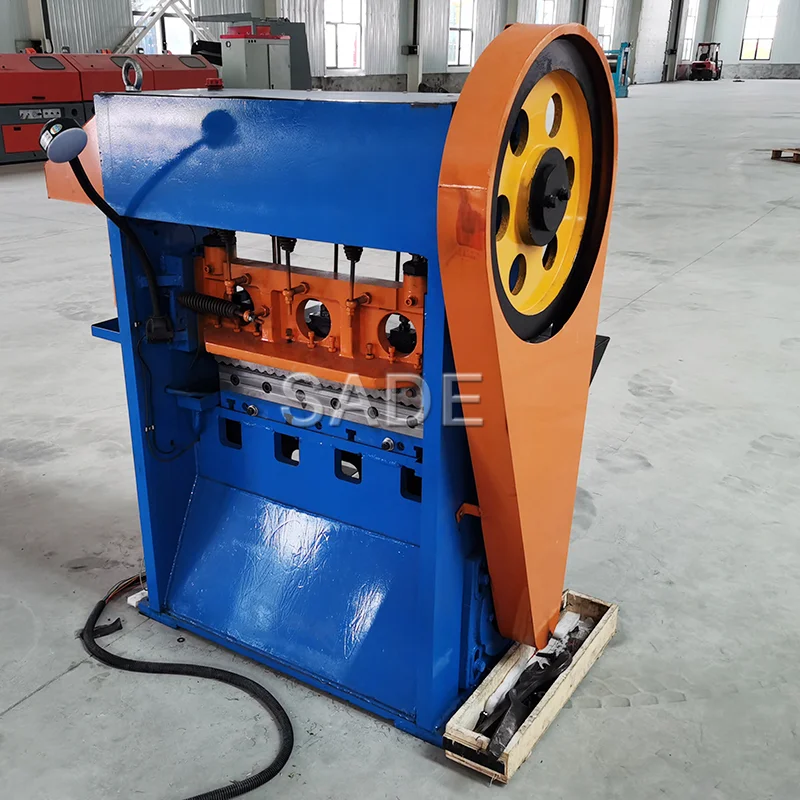
Furthermore, the mining and metallurgical sectors in Libya are expanding, creating a void in the local supply of specialized filtering and screening meshes. This has led to an increased interest in importing advanced expanded metal press machinery to create high-strength industrial gratings and walkways.
Evolution and Trajectory of Mesh Technology

From manual craftsmanship to CNC-driven precision engineering.

Market Development History

In the early 2000s, the Libyan market was dominated by basic manual weaving and primitive spot welding. Production was slow, and the quality of the wire mesh weaving machine output was primarily limited to simple agricultural fencing.

Between 2010 and 2020, there was a transition toward semi-automatic systems. The introduction of hydraulic-driven equipment allowed for the production of heavier gauge wires, enabling the growth of local construction cooperatives using early-stage mesh welding machine units.

Since 2021, the industry has entered the era of digitalization. The adoption of PLC-controlled systems has revolutionized precision, allowing Libyan manufacturers to customize mesh sizes with millimeter accuracy, significantly reducing material waste during the production process.

Future Development Trends

AI-Driven Quality Control

Integration of optical sensors to detect weld failures in real-time, ensuring that every sheet meets international safety standards for construction.

Energy-Efficient Power Systems

Transitioning to inverter-based welding technology to reduce electricity consumption, which is crucial given the volatility of Libya's power grid.

Multi-Functional Hybrid Lines

The convergence of weaving and welding capabilities into a single production line to allow manufacturers to switch between products rapidly.

Industry Outlook and Future Prospects

Predicting the 3-5 year growth cycle of Libyan heavy machinery.

Automated Precision
Shift towards fully automated PLC systems to eliminate human error and increase throughput by 40%.
Material Diversity
Expansion into stainless steel and galvanized coatings to combat Libya's humid coastal salt air.
Eco-Friendly Production
Adoption of waste-reducing cutting systems and energy-efficient motors to lower operational costs.
Smart Integration
IoT implementation for remote diagnostics and maintenance to reduce downtime in remote Libyan regions.

Industry Outlook

Based on Google search trends and regional economic data, the demand for industrial mesh machinery in North Africa is shifting toward high-speed automation. In Libya, this is driven by the urgent need for rapid housing deployment and the rehabilitation of oil field infrastructure.

We anticipate a surge in the adoption of the bender expanded metal machine as architectural trends move toward modern, open-mesh facades and industrial security fencing for oil refineries.

Local Application Scenarios in Libya

Practical deployments of mesh machinery across diverse Libyan sectors.

01. Oil & Gas Infrastructure Security

Utilizing the expanded metal press to produce high-strength security panels and safety gratings for oil refineries in Sirte and Benghazi.

02. Residential Concrete Reinforcement

Deploying high-volume wire mesh welding machine units in Tripoli to produce structural mesh for large-scale residential housing projects.

03. Desert Agriculture Fencing

Employing precision wire mesh weaving machine systems to create durable, corrosion-resistant fencing for livestock and hydroponic farms in rural areas.

04. Industrial Filtration Systems

Using specialized mesh machinery to produce heavy-duty screening filters for mining operations, ensuring efficient mineral separation in the southern regions.

05. Architectural Design & Facades

Integrating the bender expanded metal machine to create aesthetic and functional exterior cladding for new government buildings and commercial malls.

Brand Story

Global Development Journey of Hebei Sade Machinery Co., Ltd.

Founding Vision

Established with the mission to bridge the gap between complex metallurgical requirements and simple, efficient machinery operation.

Technical Breakthrough

Developed a proprietary welding stabilization system that reduced energy consumption by 20% while increasing joint strength.

Global Expansion

Successfully entered the African market, tailoring equipment to withstand extreme heat and voltage fluctuations common in the region.

Innovation Hub

Launched a dedicated R&D center focusing on PLC automation and IoT integration for the next generation of mesh machinery.

Industry Leadership

Recognized as a leading provider of specialized industrial equipment, solving critical production bottlenecks for clients worldwide.

Complete Product Portfolio for Libya

Comprehensive machinery solutions tailored for the North African manufacturing environment.

Common Questions in the Libyan Market

Expert answers to the most frequent technical and logistical queries.

How to maintain a wire mesh welding machine in high-temperature Libyan climates?

We recommend installing high-capacity industrial cooling fans and using heat-resistant lubricants to prevent overheating of the PLC and mechanical components during summer peaks.

Can the mesh welding machine handle variable voltage fluctuations in rural Libya?

Our machines are equipped with voltage stabilizers and surge protection modules to ensure consistent weld quality despite power grid instability.

What is the difference between a bender expanded metal machine and a standard press?

The bender expanded metal machine allows for the creation of angled and curved mesh profiles, whereas a standard expanded metal press focuses on flat, high-speed slitting and stretching.

Is the wire mesh weaving machine compatible with galvanized steel wire?

Yes, our weaving machines are designed with reinforced guides and specialized tensioners to handle the stiffer properties of galvanized and stainless steel wires.

What is the average lead time for shipping an expanded metal press to Libya?

Depending on the configuration and shipping route, lead times typically range from 30 to 45 days, including customs documentation for Libyan ports.

Do you provide remote technical support for wire mesh welding machine operation?

Yes, we offer comprehensive remote support via video conferencing and IoT diagnostics to help Libyan operators troubleshoot and optimize their production lines.

Start Your Industrial Upgrade Today

Our experts are ready to provide tailored machinery solutions for the manufacturing sector in Libya.

Contact Us Now