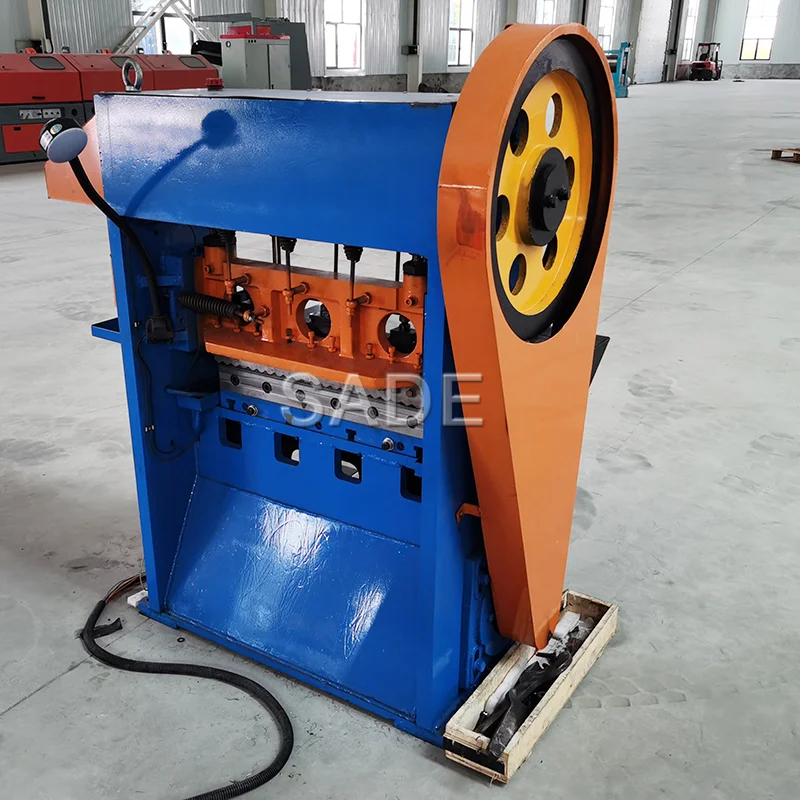
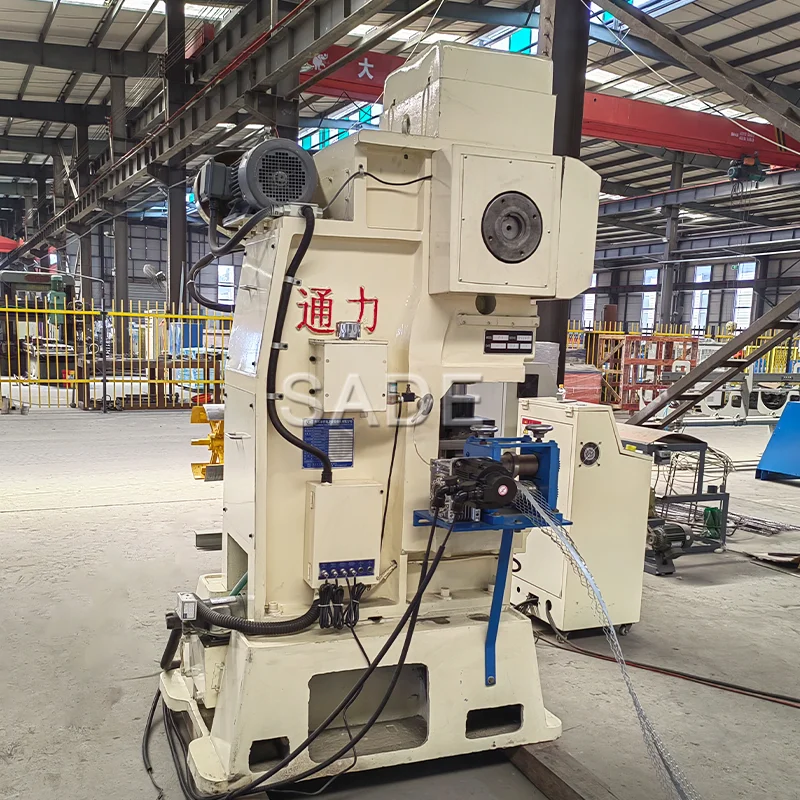
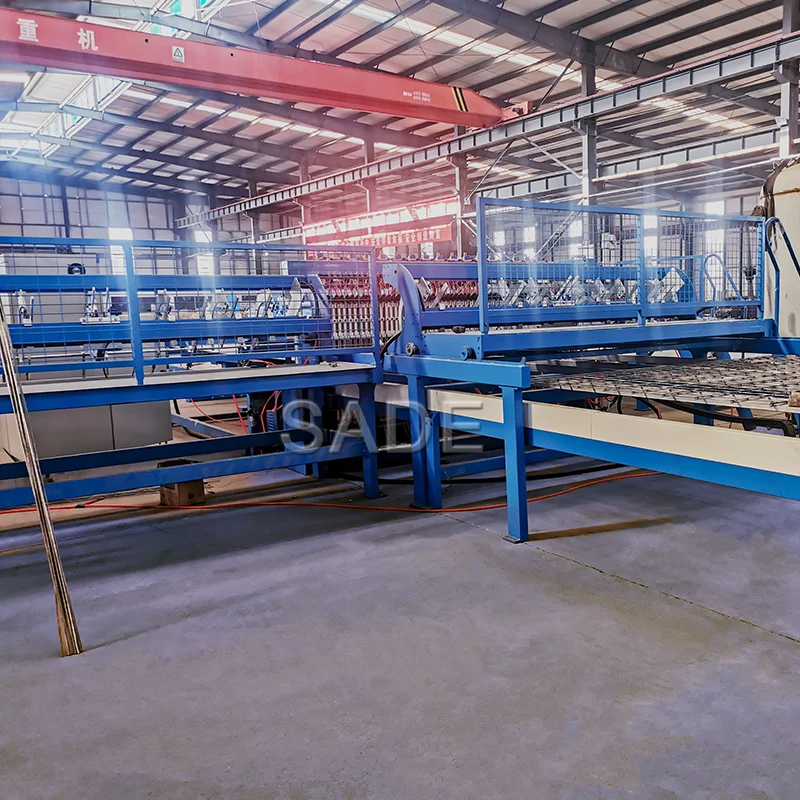
The Rebar Bending Machine is a high-performance industrial solution specifically engineered for the precision processing of steel bars. By integrating an intelligent control system, these machines offer unparalleled stability and reliability, ensuring that every bend meets strict architectural specifications while eliminating human error and operational inconsistencies.
Designed for versatility and high throughput, this equipment is indispensable for large-scale construction projects, including high-rise buildings, bridges, tunnels, and critical infrastructure such as railways and water conservancy facilities. It transforms raw steel bars into precise components rapidly, significantly accelerating project timelines without compromising structural integrity.
| Single Wire Range | 5-10mm ribbed / 5-12mm plain | Double Wire Range | 5-8mm ribbed / 5-10mm plain |
|---|---|---|---|
| Sizing Accuracy | ±1 mm | Bending Accuracy | ±1° |
| Max Traction Speed | 75 - 110 m/min | Max Bending Angle | 135° (Single) / 180° (Bidirectional) |
| Max Bending Speed | 1000 - 1200 /sec | Processing Speed | 6-30 r/min |
| Total Power | 17kW - 55.6kW | Applicable Models | GWG-10D, GWG-12C, GWG-14C, GWG-16B |
Significantly reduces raw material waste of steel bars, helping companies lower production costs and promote sustainable resource usage.
Automates the entire bending workflow, drastically increasing output speed compared to manual processes while maintaining strict quality control.
Equipped with an advanced control system that ensures stable operations and prevents bending errors for high-accuracy results.
Ideal for diverse infrastructure projects including highways, tunnels, and high-rise skeletons requiring complex steel reinforcements.
Heavy-duty build quality ensures long-term durability and consistent performance even under continuous high-load industrial cycles.
User-friendly interface allows for quick parameter adjustments, enabling fast transitions between different bar sizes and angles.


Monitor raw steel bar consumption and inventory levels in real-time to prevent shortages.
Digitally manage bending angles and sizing parameters for effortless batch consistency.
Instant notifications for maintenance intervals or operational anomalies to reduce downtime.
Log and track every bend cycle to ensure full compliance with engineering blueprints.
Integrate bending production data with overall project management schedules seamlessly.
Analyze power consumption patterns to optimize energy efficiency during peak shifts.
| Metric | Manual Bending | Automatic Bending Machine |
|---|---|---|
| Production Speed | Low / Variable | High / Constant |
| Material Waste | High (Human Error) | Minimal (Precision Controlled) |
| Labor Cost | High (Skilled Labor) | Low (Operator Based) |
| Accuracy Rate | Approximate | ±1mm / ±1° Precision |
| ROI Timeline | N/A | Fast (via Efficiency Gains) |
The machine can process both ribbed and plain steel bars, with specific capacity ranges depending on the model (e.g., 5-12mm for plain and 5-10mm for ribbed bars).
The system uses precise digital sensors and automated actuators to maintain a bending accuracy of ±1° and a sizing accuracy of ±1mm, eliminating manual measurement errors.
Yes, it is specifically designed for infrastructure projects including bridges, tunnels, and high-rise buildings due to its ability to process large quantities of steel bars quickly.
Yes, several models support bidirectional bending up to 180°, providing greater flexibility for complex stirrup and hoop designs.
Depending on the selected model, the maximum traction speed ranges from 75m/min to 110m/min, ensuring rapid feeding of raw materials.
It reduces costs by minimizing steel waste through precision cutting/bending and significantly lowering labor requirements through full automation.