
March 04, 2026
A powder coated production line is a crucial investment for businesses seeking to deliver durable, high-quality finishes on metal products. This article provides an in-depth look into the components, benefits, and considerations when implementing a powder coating system. We’ll explore the process, the equipment involved, and how a well-designed line can optimize efficiency and reduce costs. Choosing the right setup is paramount for long-term success and customer satisfaction.
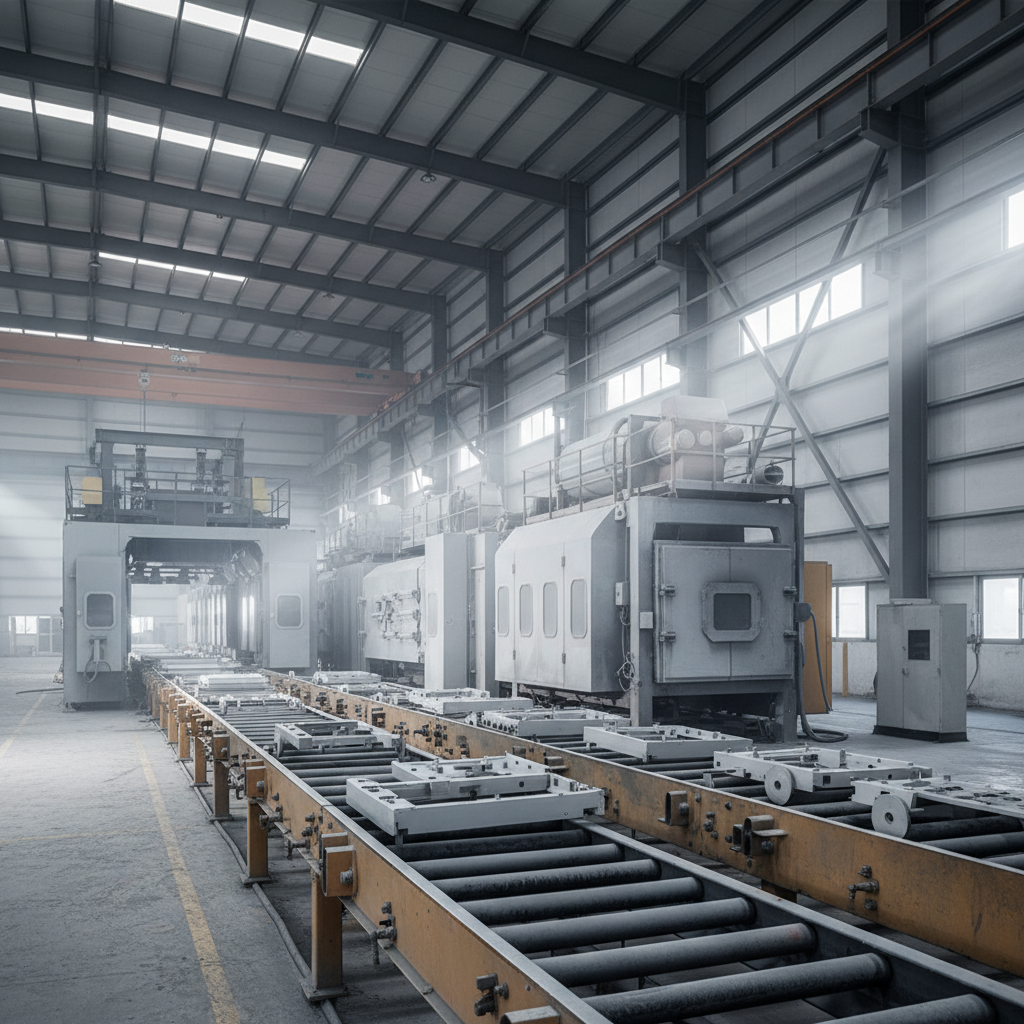
Powder coating is an electrostatic finishing process where finely ground powder is applied to a surface, then cured with heat. This creates a hard, durable coating far superior to traditional liquid paints. The process generally includes several key stages: surface preparation, powder application, curing, and quality inspection. Proper surface preparation – cleaning and pretreating the metal – is vital for adhesion. The powder is typically applied using an electrostatic spray gun, which gives the powder a charge, attracting it to the grounded metal part. Finally, the coated part is heated in an oven, melting the powder and forming a smooth, uniform finish. Mesh Machinery offers a complete range of powder coating solutions.
Key Benefits: Superior durability, environmental friendliness (no VOCs), consistent finish quality, and a wide range of color options.
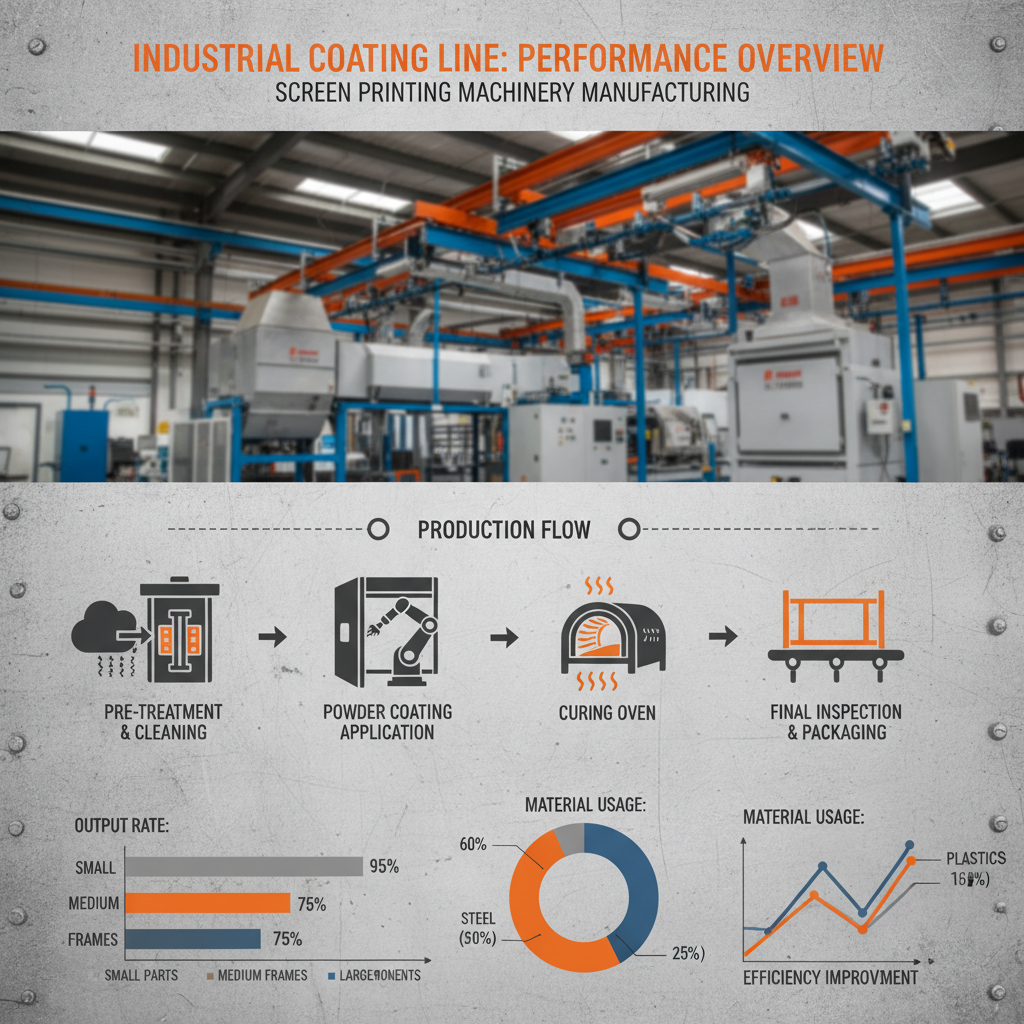
A complete powder coating line consists of several critical components, each playing a crucial role in achieving a high-quality finish. These include: a pretreatment system (for cleaning and preparing the surface), a spray booth (for applying the powder), curing ovens, and a conveying system to move parts through the process. Other important elements include powder recovery systems, air handling equipment, and quality control stations. The specific components and their complexity will vary depending on the production volume and the types of parts being coated.
Key Components Overview:
• Pretreatment System: Cleans and prepares metal surfaces for optimal adhesion.
• Spray Booth: Encloses the powder application process, ensuring safety and efficient powder use.
• Curing Oven: Melts and fuses the powder coating to the metal.
• Conveyor System: Automates part movement through the line.
The configuration of a powder coated production line can be tailored to meet specific needs. Common configurations include batch lines, automated lines, and conveyorized systems. Batch lines are suitable for small-volume production or diverse part types. Automated lines, often incorporating robotic sprayers, are ideal for high-volume, repetitive tasks. Conveyorized systems streamline the process by automatically moving parts through each stage. Selecting the right configuration depends on factors such as production volume, part size, and budget.
Selecting the right powder coated production line involves considering several factors. These include the types of parts to be coated (size, shape, material), production volume, budget constraints, and space availability. It’s also crucial to evaluate the environmental impact of the process and choose equipment that meets relevant regulations. A well-planned line should optimize efficiency, minimize waste, and ensure consistent quality. Consulting with experienced suppliers like Mesh Machinery can provide valuable insights.
Regular maintenance is critical for ensuring the longevity and performance of a powder coated production line. This includes cleaning spray booths, checking oven temperatures, inspecting conveyor systems, and maintaining air filtration equipment. Addressing issues promptly can prevent costly downtime and maintain consistent quality. Common troubleshooting tasks include resolving powder application problems (such as uneven coating or orange peel), identifying oven temperature inconsistencies, and addressing conveyor malfunctions. Following the manufacturer's guidelines for maintenance and troubleshooting is essential.
Investing in a well-designed powder coated production line is a strategic decision that can significantly enhance the quality, durability, and efficiency of your finishing processes. By carefully considering your specific needs and partnering with a reputable supplier like Mesh Machinery, you can ensure a long-term return on investment and a competitive edge in the market.
The curing temperature varies depending on the type of powder coating used. Generally, curing temperatures range from 350°F (177°C) to 450°F (232°C). It's crucial to follow the powder manufacturer's recommendations to ensure proper curing and optimal coating properties. Insufficient curing can result in a soft or brittle finish, while over-curing can cause discoloration or degradation.
A well-designed powder recovery system can achieve recovery rates of 70-95%. Higher recovery rates translate to lower material costs and reduced environmental impact. The recovery rate depends on the type of recovery system used (e.g., cyclone, cartridge filters), the efficiency of the spray booth, and the operator's skill. Investing in a high-efficiency recovery system is a cost-effective measure.
Powder coating can be applied to a wide range of metals, including steel, aluminum, stainless steel, and galvanized steel. However, surface preparation requirements may vary depending on the metal type. For example, aluminum typically requires a chemical conversion coating to ensure proper adhesion. Proper surface preparation is essential for achieving a durable and long-lasting finish.
Powder coating is significantly more environmentally friendly than liquid painting. Powder coatings contain no Volatile Organic Compounds (VOCs), which are harmful air pollutants. Liquid paints release VOCs during application and curing. Powder coating also generates less waste, as overspray can be recovered and reused. This makes powder coating a more sustainable finishing option.
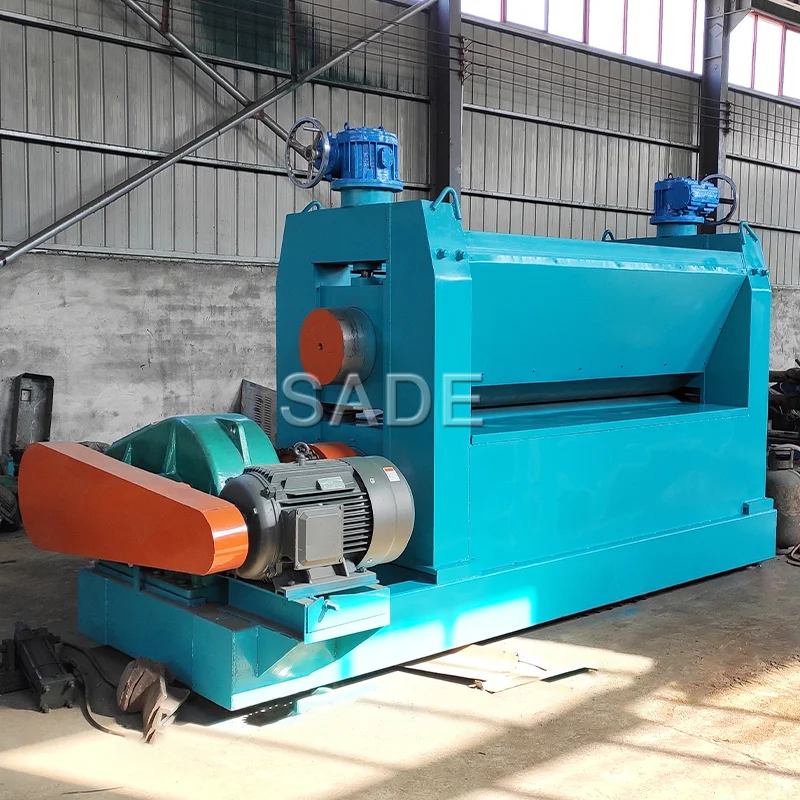
ZPJ Metal Mesh Flatting Machine
ZPJ metal mesh flatting machine is special designed for expanded metal flatting.It’s a corollary equipment of expanded metal machine. It can make expanded wire-mesh smoothly.And the flattened expanded metal have much more widely different applications.
Apr 24, 2026
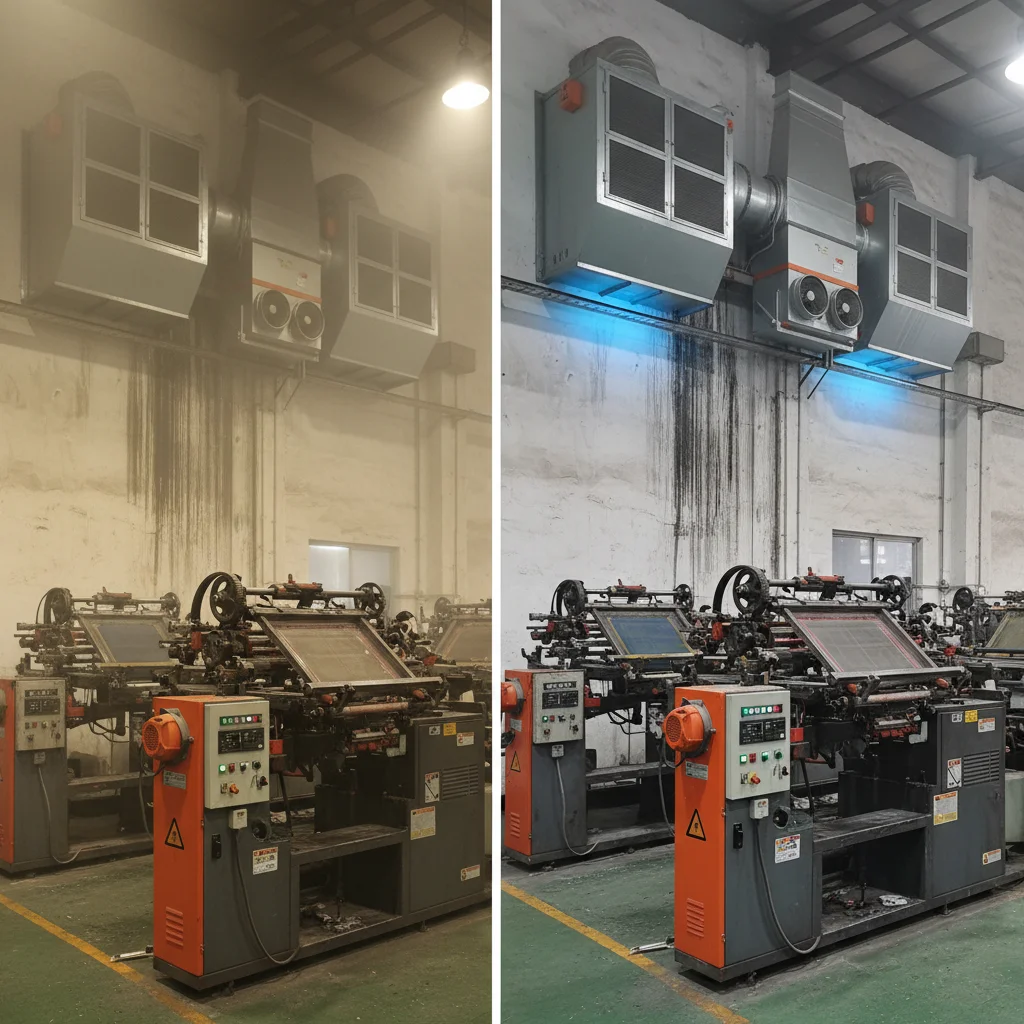
Industrial Wall Mounted Air Filtration for Clean Work Environments