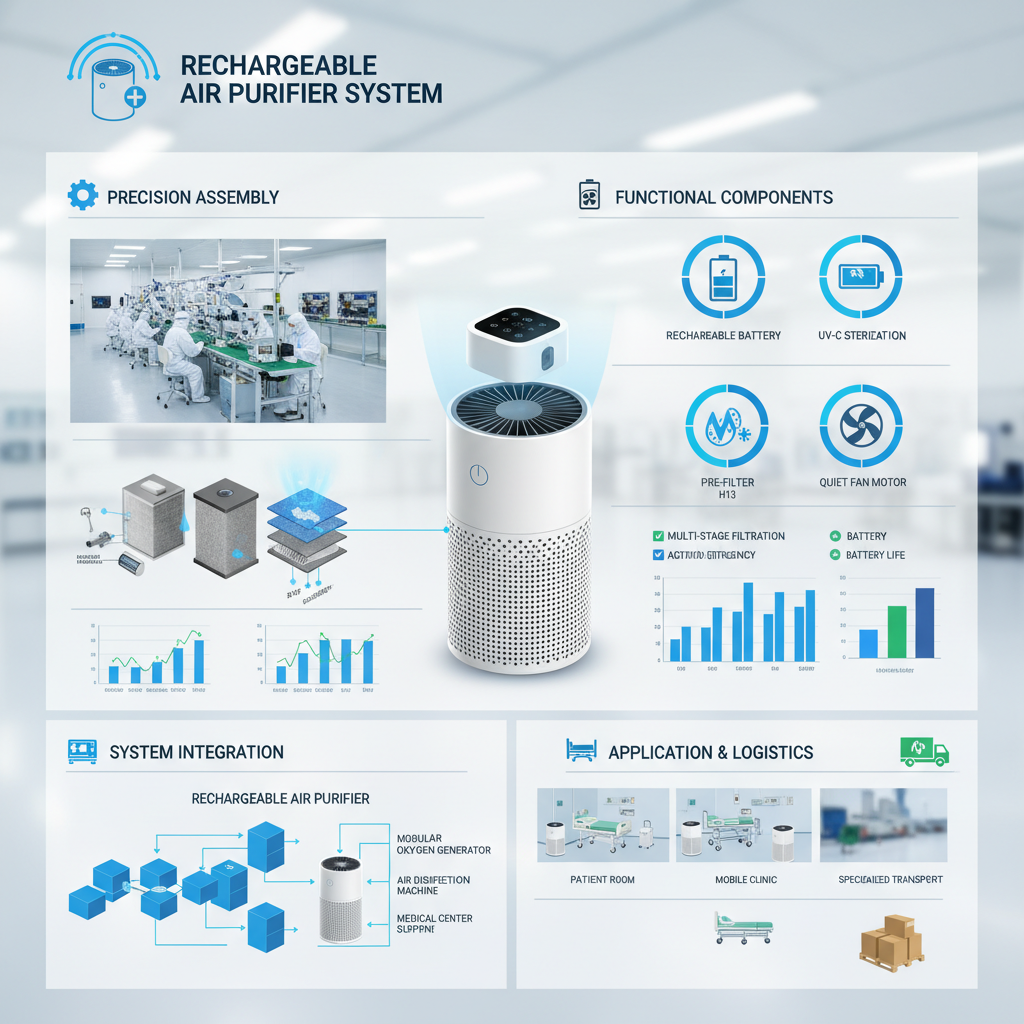
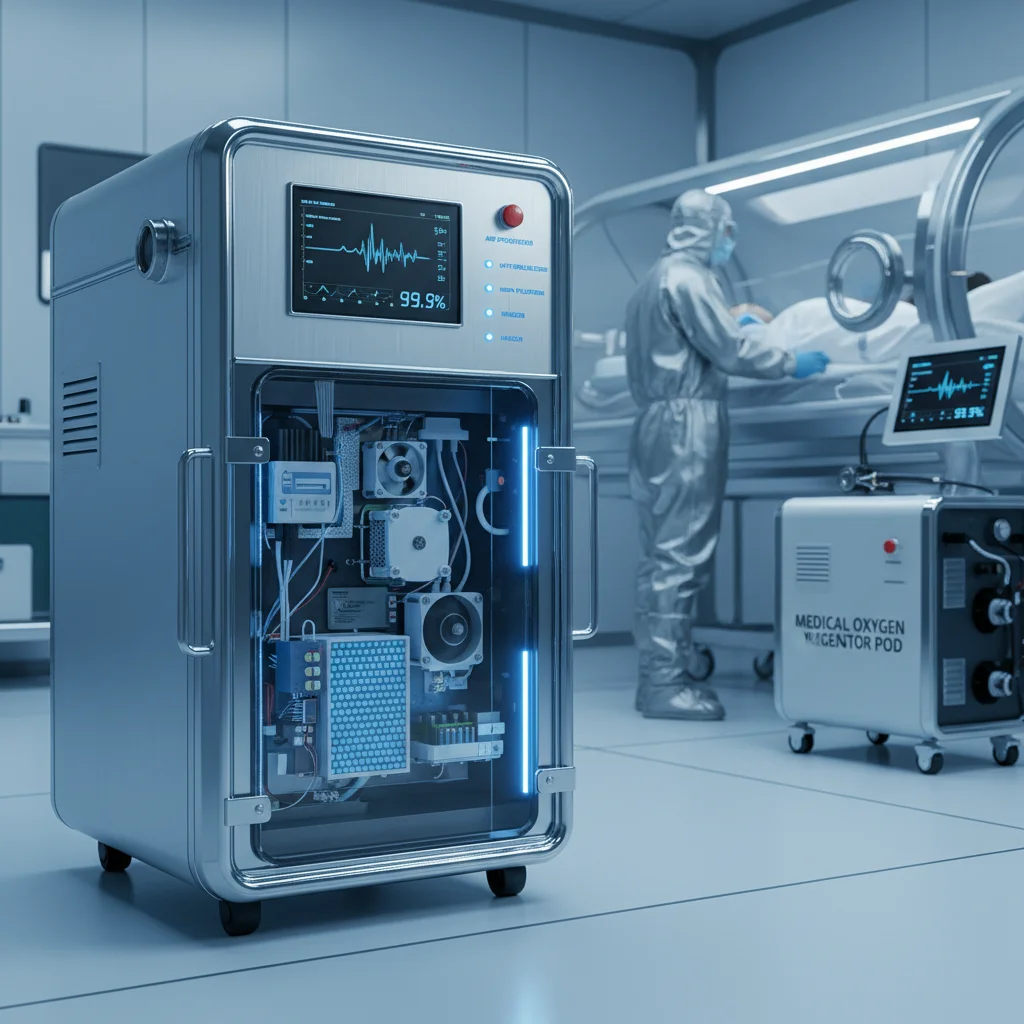
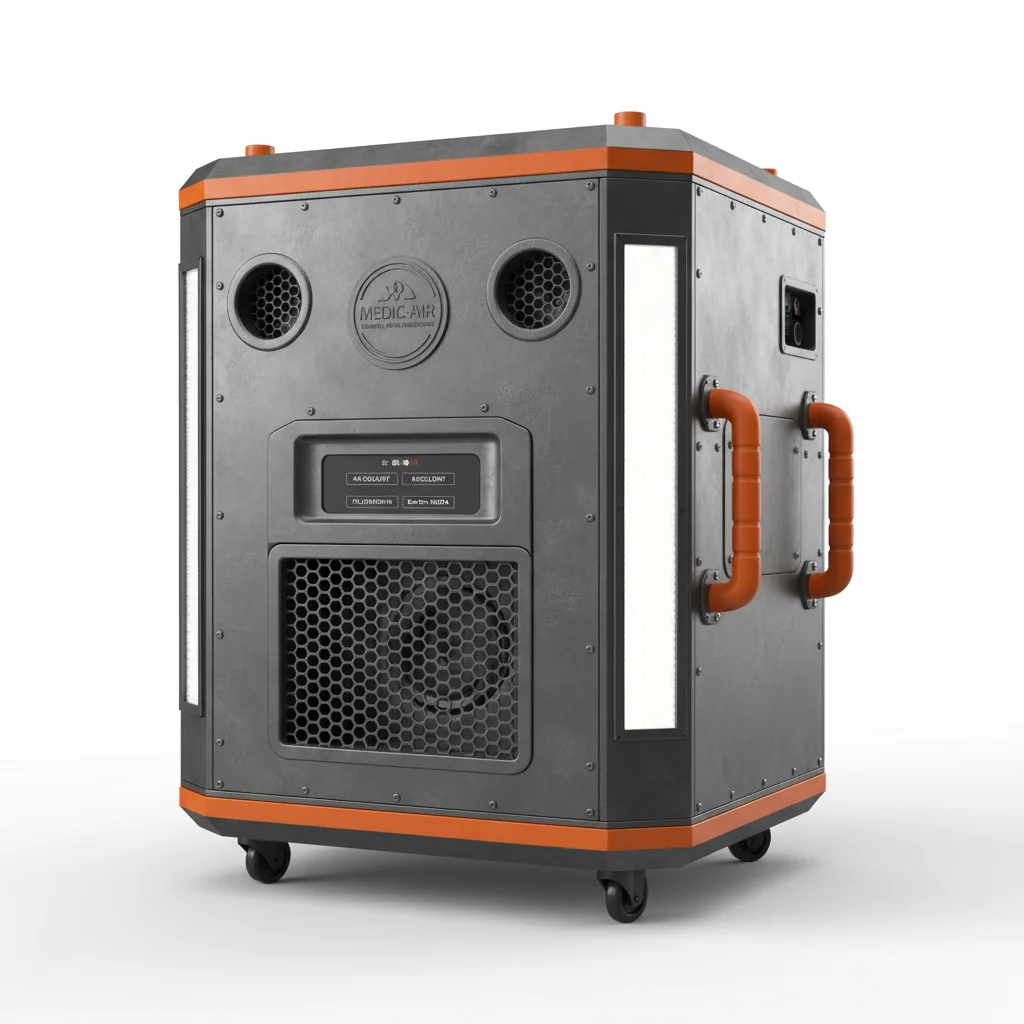
In an era where air quality has become a critical global health concern, the emergence of the rechargeable air purifier represents a significant leap in portable wellness technology. These devices allow individuals to maintain a breathable environment regardless of their location, bridging the gap between industrial-grade filtration and personal mobility. By integrating high-efficiency batteries with advanced particulate capture, these units ensure that clean air is no longer tethered to a wall outlet.
The global demand for portable air solutions is driven by rising urbanization and the increasing prevalence of airborne pollutants. According to environmental health data, millions of people are exposed to PM2.5 levels that far exceed WHO guidelines, making the availability of a rechargeable air purifier not just a luxury, but a necessity for those living in smog-prone cities or working in dusty industrial environments.
Understanding the mechanics and advantages of these devices is essential for consumers and industrial safety officers alike. From improving cognitive function in office settings to protecting respiratory health in transit, the versatile application of the rechargeable air purifier offers a sustainable and proactive approach to managing personal air quality in a rapidly changing climate.
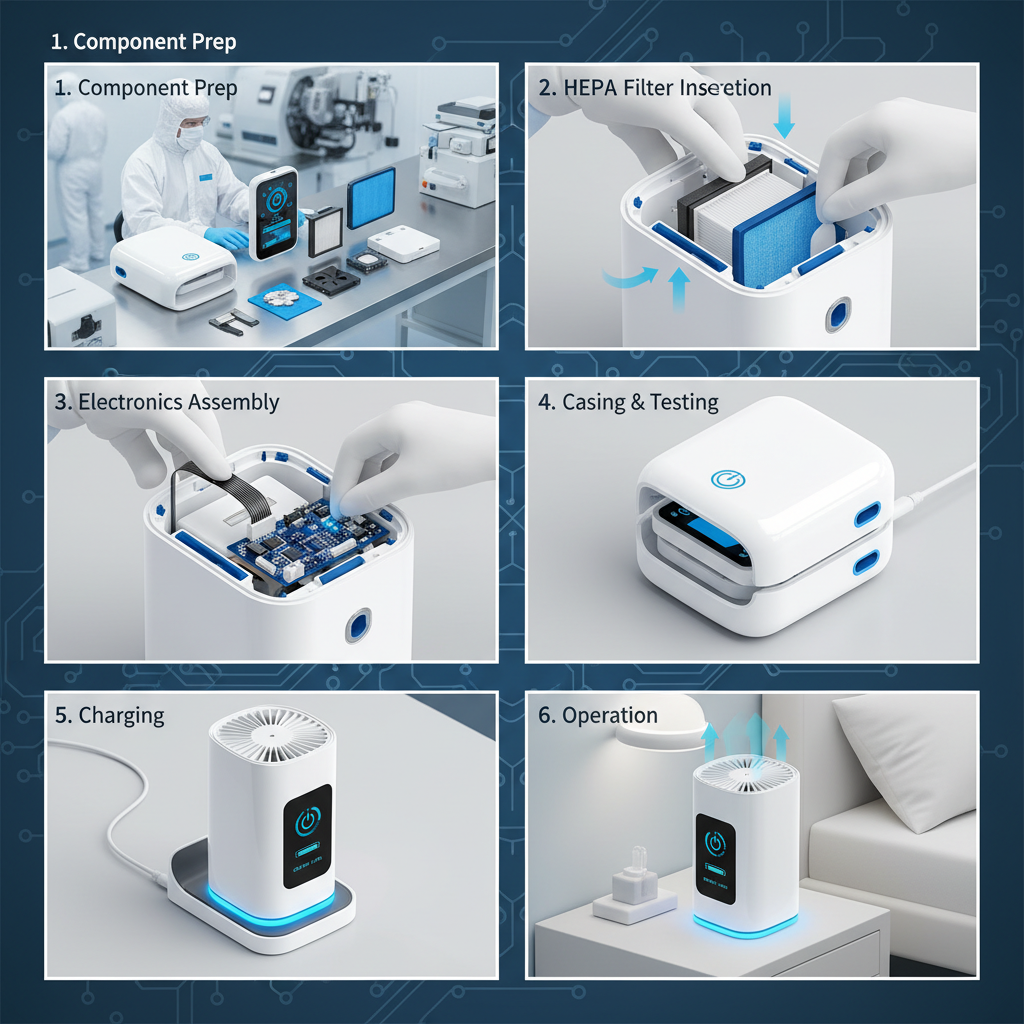
Global Relevance of Rechargeable Air Purifiers
The shift toward portable health technology is mirrored in the global rise of respiratory ailments linked to air pollution. In many developing industrial hubs, the lack of centralized air filtration systems makes the rechargeable air purifier an indispensable tool for frontline workers and urban residents.
By decoupling air purification from the electrical grid, these devices empower users in remote areas—ranging from mining sites to disaster relief zones—to secure a baseline of air purity. This mobility is crucial for maintaining productivity and health in environments where traditional infrastructure is either absent or unreliable.
Defining the Modern Rechargeable Air Purifier
At its core, a rechargeable air purifier is a compact device that utilizes a battery-powered fan to draw contaminated air through a series of filtration media, releasing cleaned air back into the immediate environment. Unlike stationary units, these are designed for "micro-environment" control, focusing on the air directly surrounding the user's breathing zone.
In the context of modern industry, this technology aligns with the need for agile and personalized safety equipment. It transforms air purification from a facility-wide utility into a personal asset, similar to how mobile phones transformed communication. This transition is particularly vital in "last-mile" health interventions where fixed systems are impractical.
Beyond simple filtration, modern iterations often incorporate smart sensors and HEPA (High-Efficiency Particulate Air) standards. This ensures that the rechargeable air purifier can target a wide spectrum of pollutants, from microscopic dust and allergens to volatile organic compounds (VOCs) found in industrial solvents.
Core Components for Optimal Performance
The efficiency of a rechargeable air purifier depends heavily on its filtration grade. High-quality HEPA filters are the gold standard, capable of trapping 99.97% of particles as small as 0.3 microns, ensuring that the device performs reliably across diverse environments.
Battery density and power management are equally critical. A superior rechargeable air purifier must balance fan speed (CADR - Clean Air Delivery Rate) with battery longevity to provide several hours of continuous operation without frequent recharging.
Finally, the casing material and airflow design determine the device's durability and noise levels. An ergonomically designed rechargeable air purifier uses acoustic dampening and reinforced plastics to survive the rigors of industrial use while remaining unobtrusive to the user.
Practical Applications and Use Cases
The versatility of the rechargeable air purifier allows it to be deployed in a variety of high-stakes scenarios. In remote industrial zones, such as metal weaving or welding workshops, these devices protect technicians from localized fumes and metallic dust that may bypass general ventilation.
Furthermore, in post-disaster relief operations, where electricity is scarce and dust levels are extreme, providing a rechargeable air purifier to medical staff and displaced persons can significantly reduce the risk of secondary respiratory infections.
Performance Comparison of Rechargeable Air Purifier Technologies
Long-term Value and Sustainability
Investing in a rechargeable air purifier offers substantial long-term value by reducing health-related downtime. For companies, providing these devices to employees in hazardous zones can lead to fewer sick leaves and higher overall workplace satisfaction, as the logical link between air quality and cognitive performance is well-documented.
From a sustainability perspective, the move toward rechargeable units reduces the reliance on single-use alkaline batteries, which often end up in landfills. By utilizing lithium-ion or solid-state batteries, the rechargeable air purifier aligns with global green energy initiatives and corporate ESG (Environmental, Social, and Governance) goals.
Future Innovations in Air Filtration
The future of the rechargeable air purifier lies in the integration of Artificial Intelligence (AI) and smart sensing. Upcoming models are expected to feature "Adaptive Purification," where the device automatically adjusts its fan speed based on real-time air quality index (AQI) readings, thereby optimizing battery life.
We are also seeing a trend toward graphene-based filters. These materials are thinner and more durable than traditional HEPA fibers, allowing for a more compact rechargeable air purifier that requires less energy to move air through the filter, significantly increasing operational hours per charge.
Furthermore, the convergence of wearables and air purification will likely lead to "invisible" integration, where the rechargeable air purifier is built directly into clothing or safety helmets, providing a seamless shield of clean air for workers in the most challenging industrial environments.
Overcoming Current Implementation Challenges
Despite the benefits, challenges such as filter saturation and battery degradation persist. Users often neglect filter replacements, which can turn a rechargeable air purifier into an inefficient blower. The solution lies in the implementation of IoT-enabled alerts that notify the user via a smartphone app when the filter's effectiveness drops below a certain threshold.
Another hurdle is the "noise-to-performance" ratio. High-efficiency fans can be loud, which may discourage use in quiet office environments. Innovative fluid dynamics and bladeless fan designs are being explored to ensure the rechargeable air purifier remains whisper-quiet without sacrificing the Clean Air Delivery Rate.
Lastly, the cost of high-end rechargeable units can be a barrier for small-scale operations. By standardizing filter sizes and utilizing modular designs, manufacturers can lower the cost of ownership, making the rechargeable air purifier accessible to a broader global demographic.
Comparative Analysis of Rechargeable Air Purifier Implementation Strategies
| Strategy Type |
Deployment Cost |
Efficiency Score |
Maintenance Level |
| Individual Personal Use |
Low |
7/10 |
Self-managed |
| Industrial Workforce Kit |
Medium |
9/10 |
Scheduled |
| Emergency Relief Setup |
Medium |
8/10 |
Critical/High |
| Corporate Wellness Program |
High |
8/10 |
Low (Managed) |
| Hospital Ward Mobility |
High |
10/10 |
Strict/Daily |
| Transit/Commuter Use |
Low |
6/10 |
Minimal |
FAQS
Depending on the fan speed and battery capacity, most high-quality rechargeable air purifiers offer between 8 to 24 hours of continuous operation on a single charge. Using "Eco-mode" or automatic sensors can extend this duration by reducing power consumption when air quality is already acceptable.
Yes, provided the unit is equipped with an activated carbon filter in addition to a HEPA filter. While HEPA filters trap particles (dust, smoke), the carbon layer is designed to adsorb volatile organic compounds (VOCs) and odors commonly found in industrial settings.
Filter replacement intervals vary by environment. In a clean office, a filter might last 6 months. In a dusty industrial workshop, it may need replacing every 4 to 8 weeks. Always monitor the airflow; a noticeable drop in air output usually indicates a saturated filter.
Absolutely. In fact, many users prefer them on nightstands to ensure a bubble of clean air around their head. Ensure your device has a "Quiet" or "Night" mode to minimize noise disturbance and check that the battery is in a well-ventilated area if charging overnight.
HEPA purifiers physically trap particles in a mesh, which is generally safer and more consistent. Ionic purifiers charge particles so they stick to surfaces; while often quieter, some may produce small amounts of ozone, which can be irritating to some users' lungs.
Yes, because they are often more energy-efficient and target smaller areas rather than attempting to clean an entire room. By using rechargeable lithium batteries, they eliminate the waste associated with disposable batteries, though responsible battery recycling at the end of life is still necessary.
Conclusion
The rechargeable air purifier has evolved from a niche gadget into a critical tool for personal and industrial health. By combining advanced filtration technology with battery autonomy, these devices provide a flexible solution to the pervasive problem of air pollution, offering tangible benefits in terms of respiratory protection, mental clarity, and overall well-being.
Looking forward, as we integrate smarter materials and AI-driven controls, the impact of portable purification will only grow. Whether you are managing a workforce in a specialized manufacturing plant or seeking personal protection in an urban environment, adopting a rechargeable air purifier is a strategic investment in a healthier, more sustainable future. Visit our website: www.meshmachinery.com