Integrating an air purifier on wall has become a critical consideration for modern industrial workshops, particularly in the specialized field of wire mesh machinery manufacturing. As facilities operate heavy-duty Mesh Weaving Machines and Welding Mesh Machines, the generation of metallic dust and airborne particulates can compromise both employee health and machine precision.
From a global perspective, the shift toward "Green Manufacturing" is pushing factories to move beyond simple ventilation toward active filtration. An air purifier on wall offers a space-saving solution that captures contaminants at the source, ensuring that the air remains breathable while protecting sensitive electronic components in high-precision welding equipment.
Understanding the synergy between air purification and industrial hardware is not just about compliance with ISO safety standards; it is about optimizing the operational lifespan of your equipment. By implementing a strategic air purifier on wall system, manufacturers can significantly reduce downtime caused by dust accumulation in mechanical gears and electrical panels.
Global Relevance of Wall-Mounted Air Purification
In the current industrial landscape, the World Health Organization (WHO) and various ISO standards have highlighted the risks of particulate matter (PM2.5 and PM10) in manufacturing environments. For those operating wire mesh welding machines, the fumes and metallic micro-particles can settle on surfaces, leading to respiratory issues for workers and potential short-circuits in the machinery's control boards. Installing an air purifier on wall addresses these challenges by utilizing vertical space, allowing for high-volume air exchange without obstructing the factory floor.
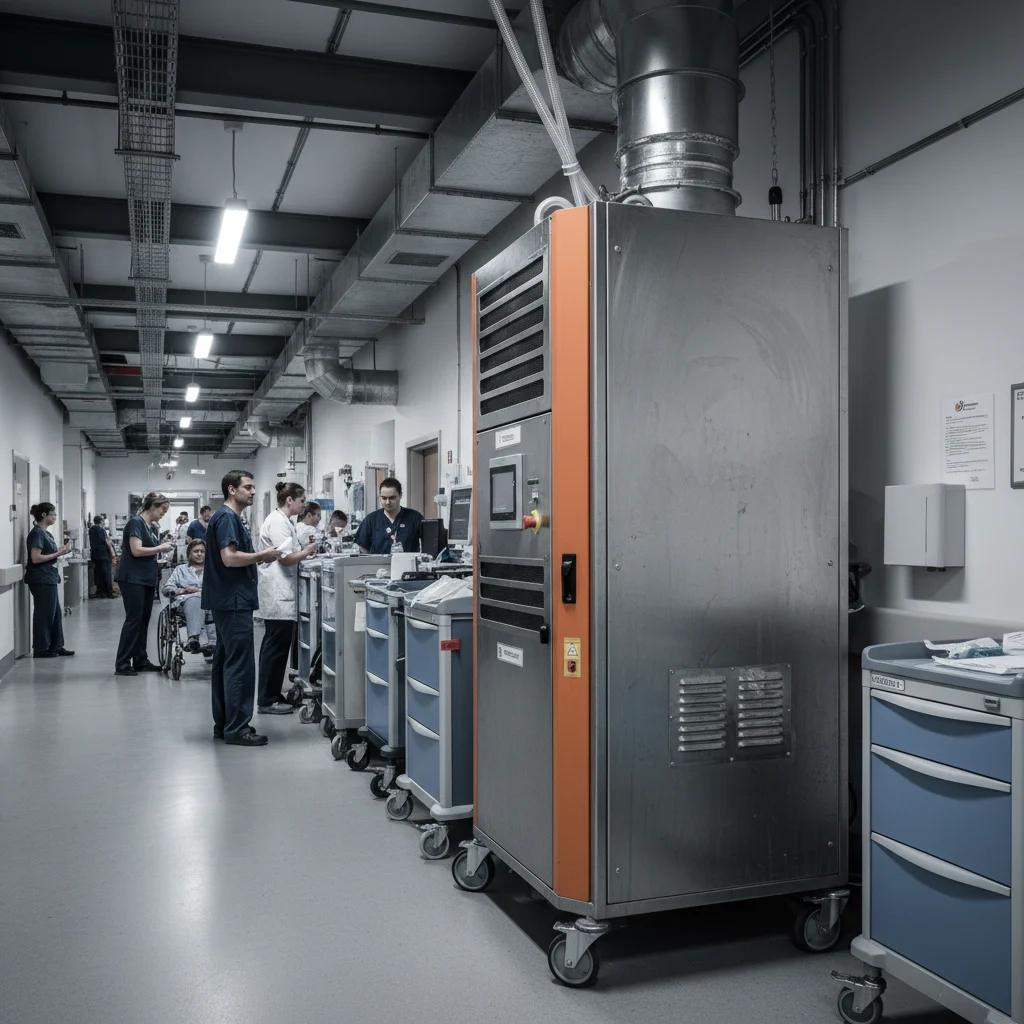
Globally, the trend is shifting toward decentralized purification. Instead of relying solely on a massive central HVAC system, which often fails to scrub air in the deepest corners of a welding bay, localized wall-mounted units provide targeted filtration. This ensures that the immediate vicinity of the Mesh Weaving Machine remains clean, reducing the "dust-drift" effect that typically affects an entire warehouse.
Defining the Air Purifier on Wall System
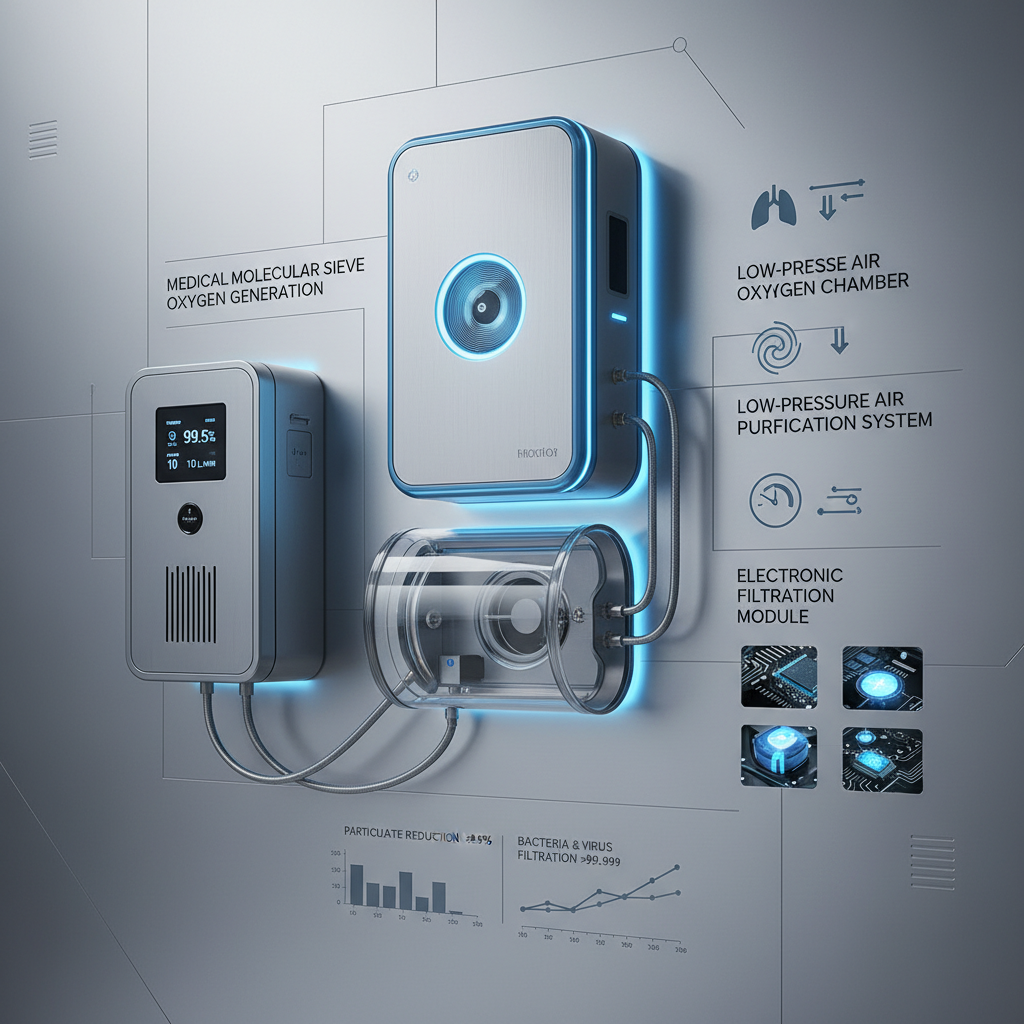
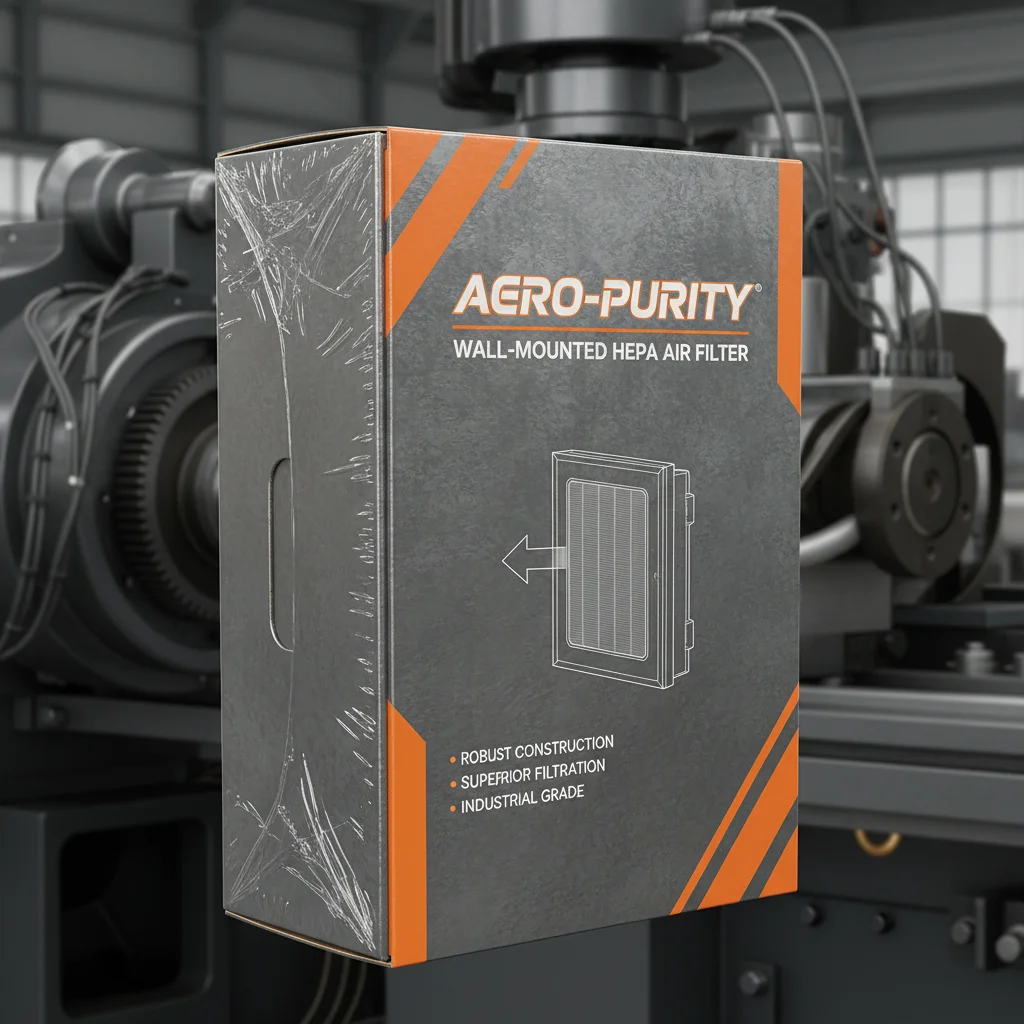
Simply put, an air purifier on wall is a specialized filtration device designed to be mounted permanently to a vertical structure, drawing in contaminated air and expelling purified air back into the environment. Unlike portable units, these systems are typically integrated into the facility's electrical grid and are engineered for continuous, 24/7 operation, making them ideal for the demanding cycles of a wire mesh production line.
In the context of specialized equipment manufacturing, such as the production of wire mesh punching machines, these systems serve as a critical line of defense. They utilize a combination of HEPA filters, activated carbon, and sometimes electrostatic precipitators to neutralize the specific chemical odors and metallic dust associated with welding and punching processes.
The connection to modern humanitarian and industrial needs is clear: the right to a safe working environment. By moving the purification unit to the wall, companies maximize their square footage for production while simultaneously adhering to strict occupational health and safety guidelines, bridging the gap between high-output industrialization and environmental responsibility.
Core Components for Industrial Efficiency
The effectiveness of an air purifier on wall depends largely on its filtration scalability. Industrial-grade units must be capable of handling varying loads of particulate matter, adjusting their fan speed based on the intensity of the welding or weaving operation taking place below.
Durability and Material Integrity are paramount. Given that these units are often installed in environments with high humidity or metallic dust, the casing of a wall-mounted purifier must be corrosion-resistant. This ensures that the device does not become a liability itself over time, maintaining a steady CADR (Clean Air Delivery Rate) despite the harsh conditions of a mesh machinery plant.
Finally, Cost Efficiency is realized through the use of washable pre-filters. By capturing larger debris before it reaches the expensive HEPA core, the long-term maintenance cost of the air purifier on wall is significantly reduced, allowing factory managers to allocate budgets toward upgrading their Wire Mesh Welding Machines.
Global Applications in Mesh Manufacturing
Real-world application of these systems is seen across diverse industrial zones, from the high-tech manufacturing hubs in Germany to the expanding industrial parks in Southeast Asia. In regions where space is at a premium, the wall-mounted design is the only viable option for adding air scrubbers to existing workshops without relocating heavy Mesh Weaving Machines.
For instance, in remote industrial zones where central ventilation is unavailable, standalone air purifier on wall units provide a "plug-and-play" solution for air quality. This is particularly beneficial for small-to-medium enterprises (SMEs) that produce specialized wire mesh for agricultural or architectural use and need to meet export quality standards regarding clean-room production.
Efficiency Comparison of Wall-Mounted Filtration Methods
Long-Term Value and Sustainability
The tangible benefits of investing in an air purifier on wall extend beyond simple air quality. By reducing the amount of metallic dust that settles on a Wire Mesh Punching Machine, the frequency of mechanical failures is reduced. This increases the overall equipment effectiveness (OEE) and ensures that the precision of the mesh weave remains consistent over years of operation.
From an emotional and social perspective, providing a clean environment signals to employees that their health is a priority. This builds trust and loyalty within the workforce, reducing turnover rates in specialized technical roles. Furthermore, the sustainability aspect is reinforced as these units often use low-energy DC motors, aligning the company's operational goals with global carbon reduction targets.
Future Innovations in Air Filtration
The next generation of the air purifier on wall is moving toward "Smart Filtration." We are seeing the integration of IoT sensors that can detect specific volatile organic compounds (VOCs) emitted during the wire welding process. These sensors allow the unit to automatically ramp up its filtration power the moment a welding arc is struck, optimizing energy consumption.
Furthermore, the adoption of graphene-based filters is on the horizon. These materials offer significantly higher permeability and durability than traditional HEPA fibers, meaning that the air purifier on wall will require less frequent filter replacements, further lowering the total cost of ownership for mesh machinery manufacturers.
Digital transformation is also bringing "Predictive Maintenance" to air purification. Instead of scheduled changes, AI algorithms can predict exactly when a filter is saturated based on airflow resistance and particle count, ensuring that the factory air quality never dips below the required safety threshold.
Overcoming Deployment Challenges
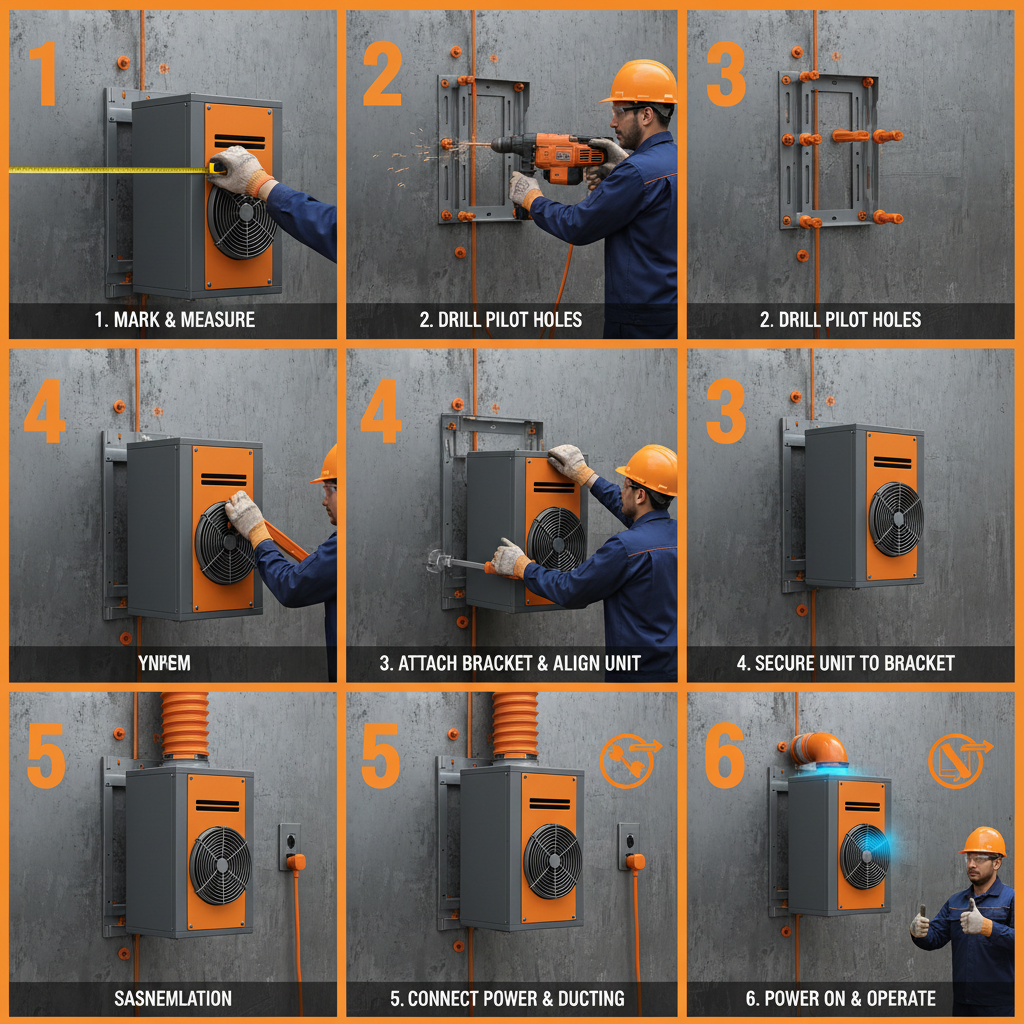
One of the primary challenges in implementing an air purifier on wall is the initial installation in older factories with reinforced concrete walls. To overcome this, many engineers are now utilizing customized mounting brackets and modular electrical conduits that avoid the need for extensive wall demolition.
Another limitation is the noise level associated with high-power industrial fans. The solution lies in the adoption of acoustic dampening shells and brushless motors, which allow the purification system to run at high capacity without creating a disruptive noise environment for the machine operators.
Finally, the issue of filter disposal is being addressed through circular economy initiatives. Many manufacturers are partnering with specialized recycling firms that can extract the metallic particulates from the spent filters, turning industrial waste into a secondary raw material stream.
Analysis of Air Purifier on Wall Implementation Strategies
| Strategy Type |
Implementation Cost |
Air Quality Impact |
Maintenance Level |
| Localized Spot Filtration |
Low |
Moderate |
Easy |
| Zone-Based Wall Array |
Medium |
High |
Moderate |
| Integrated HVAC-Wall Hybrid |
High |
Very High |
Complex |
| IoT-Driven Dynamic System |
Medium-High |
High |
Automated |
| Passive Wall Filtration |
Very Low |
Low |
Simple |
| Industrial HEPA-Wall Block |
Medium |
High |
Moderate |
FAQS
Wall-mounted units save critical floor space, which is essential in workshops housing large Mesh Weaving Machines. They also offer more stable power connections and can be positioned higher to capture rising heat and fumes, providing a more comprehensive air scrub than portable units that only clean air at the ground level.
Yes, provided the unit is equipped with a multi-stage filtration system. For welding environments, it is recommended to use a combination of a washable pre-filter to catch large metallic shards and a high-efficiency HEPA filter to trap microscopic particles, ensuring a safe breathing zone.
This depends on the particulate load. In a high-output Wire Mesh Welding Machine facility, pre-filters may need cleaning weekly, while HEPA filters are typically replaced every 6 to 12 months. Smart units with pressure sensors can notify you exactly when a change is required.
With modern modular mounting systems, installation can be done in a few hours per unit. By planning the placement during scheduled maintenance of your Mesh Punching Machines, you can integrate the purification system without any significant downtime.
While it uses electricity, it can reduce overall energy costs by decreasing the load on the central HVAC system. By cleaning air locally, you can often lower the intensity of general ventilation, and modern units with EC motors are extremely energy-efficient.
Yes, many professional-grade air purifiers on wall feature dry-contact relays or Modbus communication, allowing them to link with your factory's central monitoring system to trigger alerts if air quality drops below a certain threshold.
Conclusion
Implementing an air purifier on wall is a strategic investment that transcends simple air filtration. By combining space-saving design with industrial-grade scrubbing power, manufacturers of wire mesh and welding equipment can protect their most valuable assets: their workforce and their machinery. From reducing the wear and tear on Mesh Weaving Machines to ensuring a healthy, compliant workplace, the long-term operational advantages are undeniable.
As we look toward the future of Industry 4.0, the integration of smart, wall-mounted purification will become a standard requirement for any competitive manufacturing facility. We suggest a phased approach: start with high-emission zones around welding stations and scale up as you see the improvements in air quality and machine reliability. For high-quality machinery and professional air quality integration advice, visit our website: www.meshmachinery.com.