
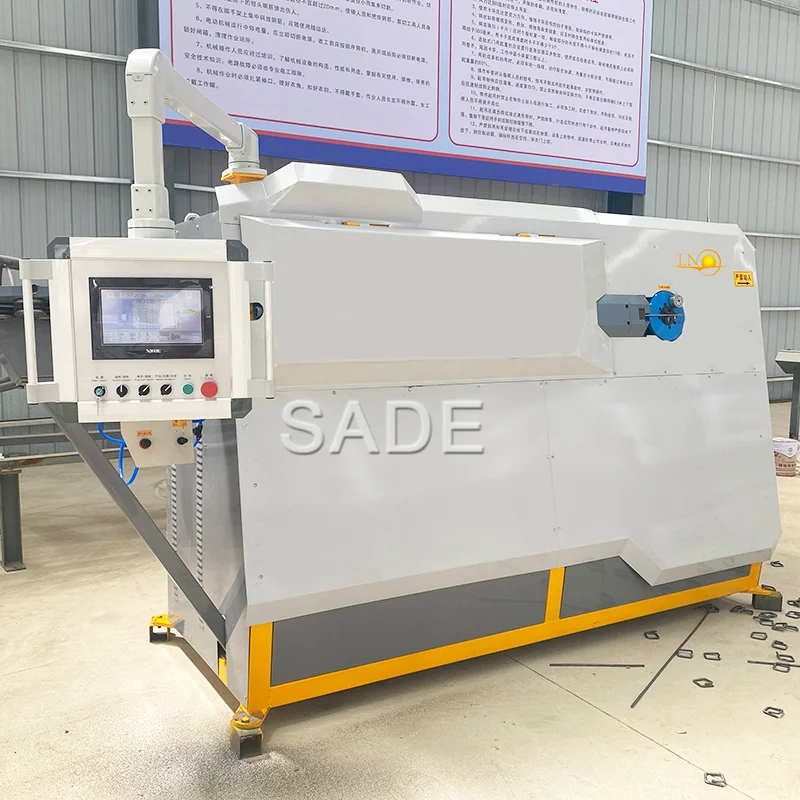
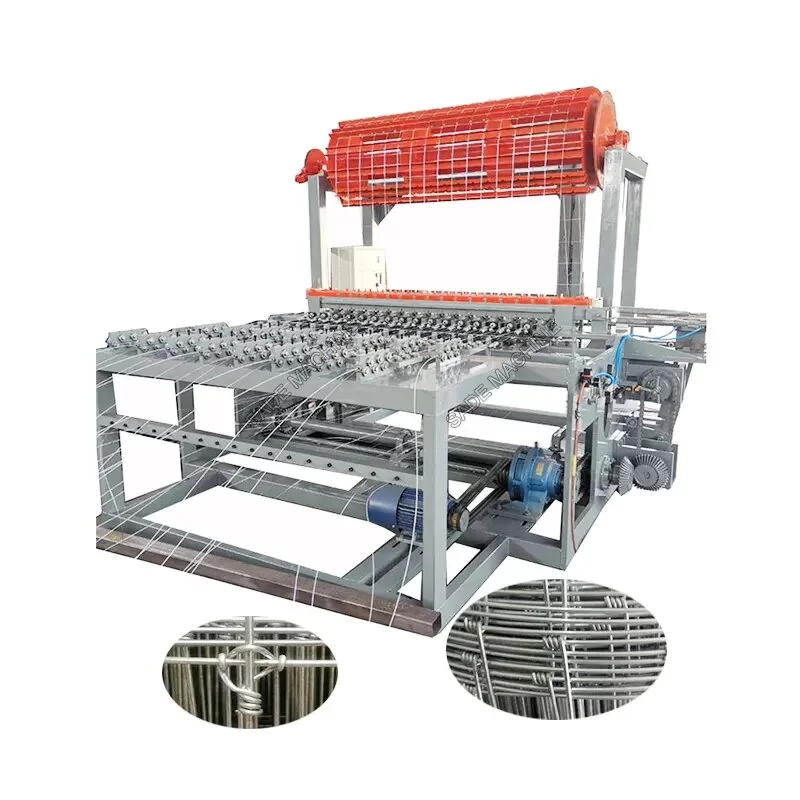
Advanced mesh welding machine Solutions for Belarus Industrial Sector

Empowering Belarusian metallurgy and construction with high-precision automated welding and weaving technology tailored for extreme durability.

Advanced mesh welding machine Solutions for Belarus Industrial Sector

Integrating cutting-edge automation to optimize the production of industrial wire mesh and expanded metal products across the Belarusian market.

Industrial Landscape of Wire Mesh Manufacturing in Belarus

Analyzing the intersection of heavy metallurgy and modern equipment requirements in the Eastern European corridor.

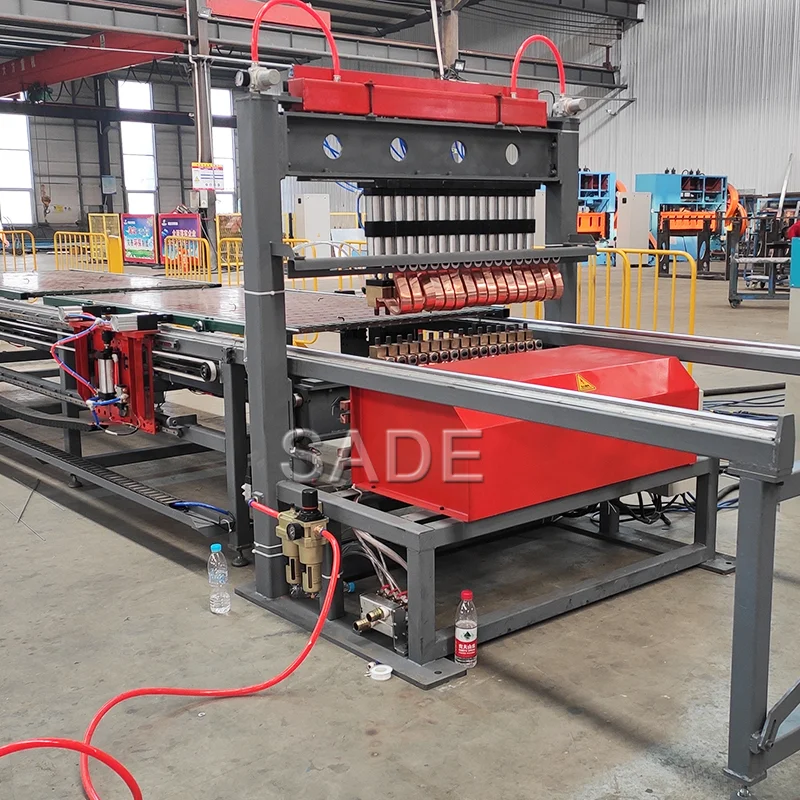
Belarus possesses a robust foundation in heavy machinery and metallurgical processing. However, the local production of fencing and structural reinforcement has traditionally relied on aging Soviet-era infrastructure. The demand for a modern wire mesh welding machine has surged as the construction sector shifts toward high-strength, lightweight reinforced concrete structures.

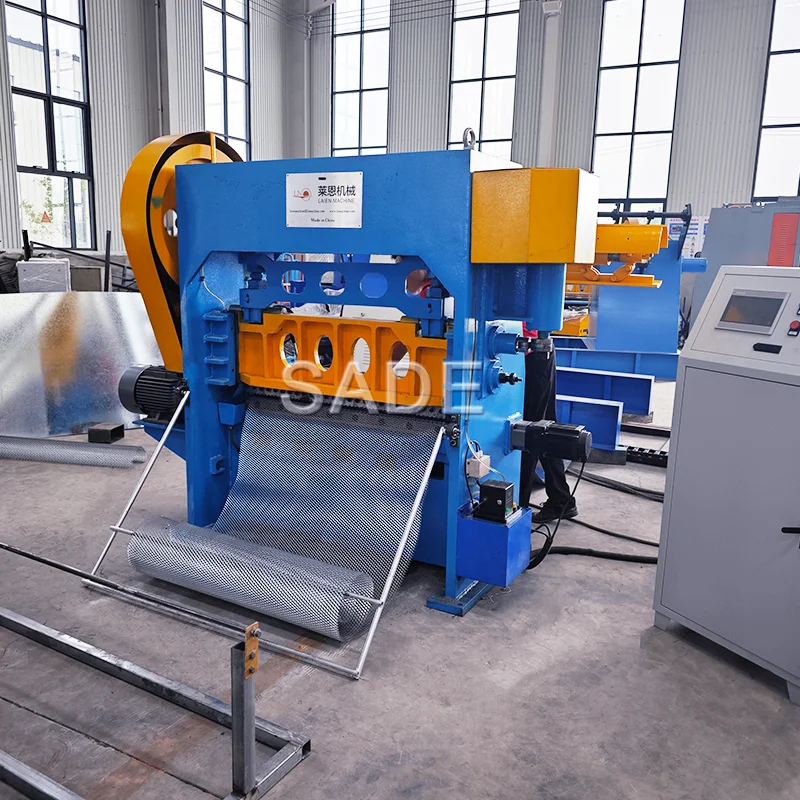
Climate conditions in Belarus, characterized by severe winters and high humidity, necessitate equipment that is not only precise but also highly resistant to corrosion and thermal fluctuations. Local manufacturers are increasingly seeking the expanded metal press to produce gratings and ventilation panels that can withstand these harsh environmental stresses.

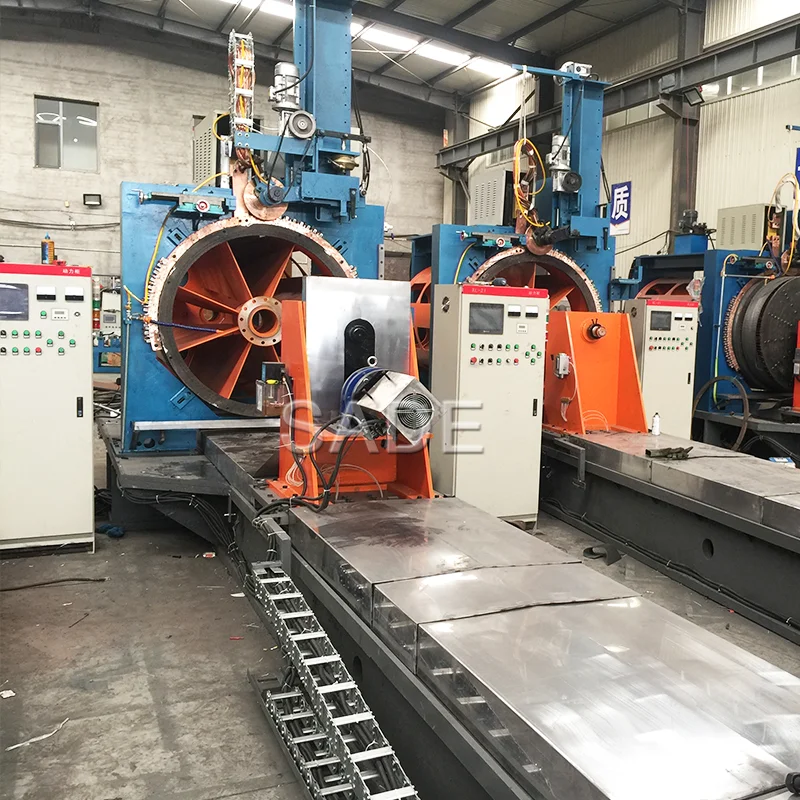
Current market dynamics show a transition from manual craftsmanship to CNC-driven automation. The integration of a high-performance wire mesh weaving machine allows local plants to diversify their output, catering to both the agricultural filtration needs and the industrial mining sectors prevalent in the region.
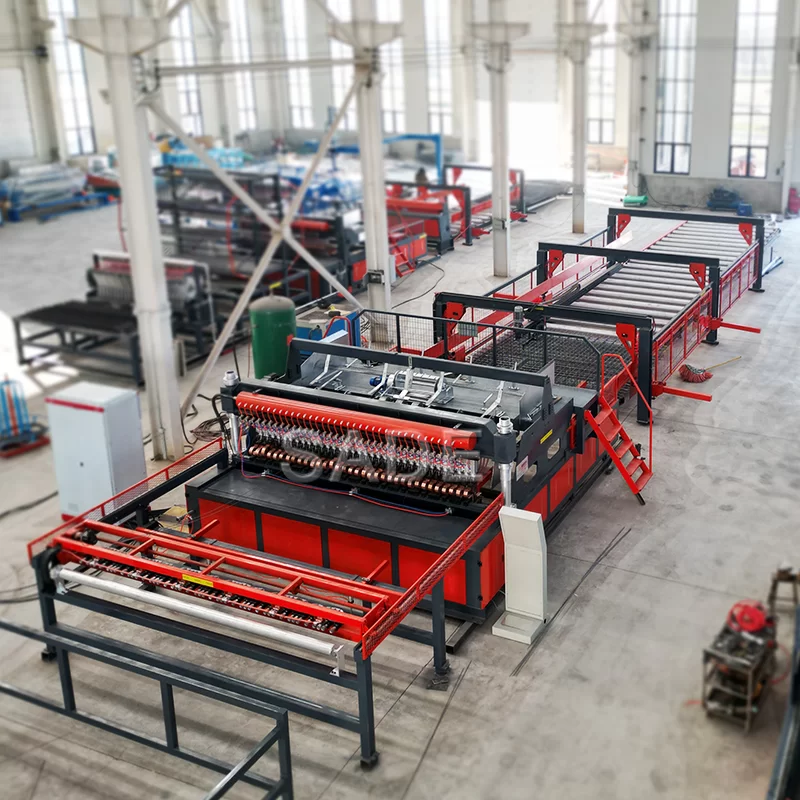
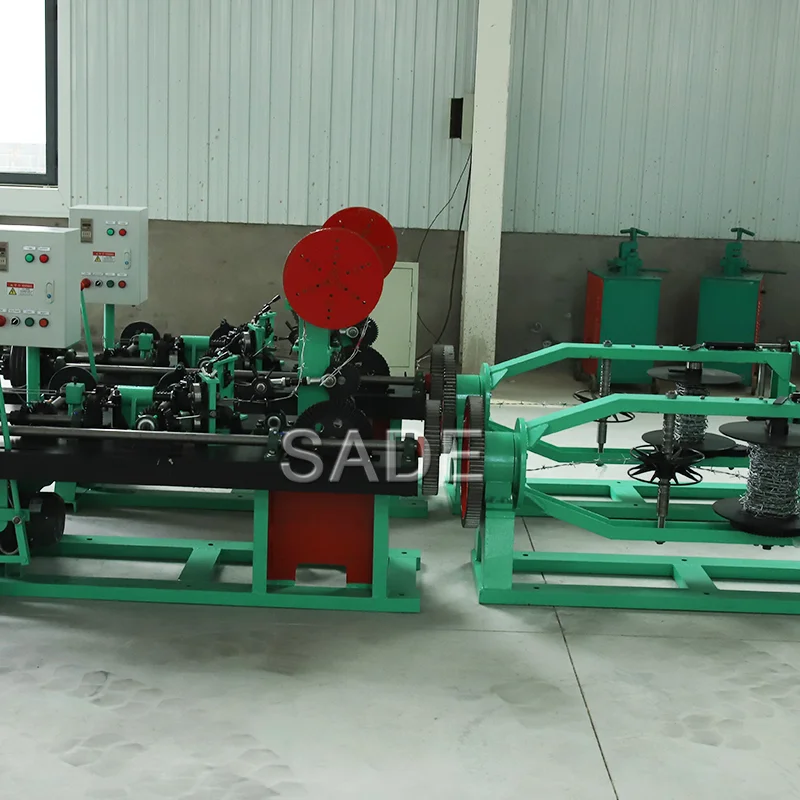
Technical Evolution and Development Trajectory

From mechanical presets to intelligent automation in mesh production.

Market Development History

In the 1990s and early 2000s, Belarus relied heavily on semi-automatic spot welding. The process was labor-intensive, and consistency in weld penetration was a recurring challenge for structural mesh production.

By 2010, the introduction of PLC-controlled systems began to replace manual timers. This era saw the rise of the bender expanded metal machine, allowing for more complex geometric shapes and improved material utilization in the architectural sector.

From 2018 to the present, the industry has entered the era of "Smart Manufacturing." Modern plants now implement fully automated lines where precision is measured in microns, reducing waste and increasing throughput by over 40%.

Future Development Trends

AI-Driven Weld Optimization

Future systems will likely integrate real-time sensory feedback to adjust current and pressure automatically based on wire diameter variations.

Energy-Efficient Power Conversion

A shift toward inverter-based power sources will reduce the electricity overhead for large-scale mesh plants in Belarus.

Hybrid Production Modularization

Combining welding and weaving capabilities in a single modular facility to respond rapidly to fluctuating market demands.

Future Outlook: The Automation Wave in Belarus

Predicting the shift toward Industry 4.0 in the specialized equipment sector.

CNC Integration
Increasing adoption of high-precision CNC controls to reduce human error in complex mesh patterns.
Sustainable Materials
Transitioning to recycled steel wires and eco-friendly coatings to meet EU environmental standards.
IoT Monitoring
Implementing remote diagnostic tools for machinery maintenance to minimize unplanned downtime.
High-Speed Output
Development of ultra-fast welding cycles to meet the increasing demand of urban expansion projects.

Industry Outlook

Google search trends indicate a growing interest in "automated mesh production" and "industrial steel fabrication" within Eastern Europe. This suggests that Belarusian firms are moving away from generic equipment toward specialized, high-efficiency machinery that offers a faster return on investment.

Over the next 3-5 years, we anticipate a convergence of robotics and welding technology. The ability to customize mesh sizes on-the-fly without mechanical reconfiguration will become the standard for competitive manufacturers in the region.

Localized Application Scenarios in Belarus

Practical implementations of mesh machinery in the Belarusian economic landscape.

01. Highway and Bridge Infrastructure

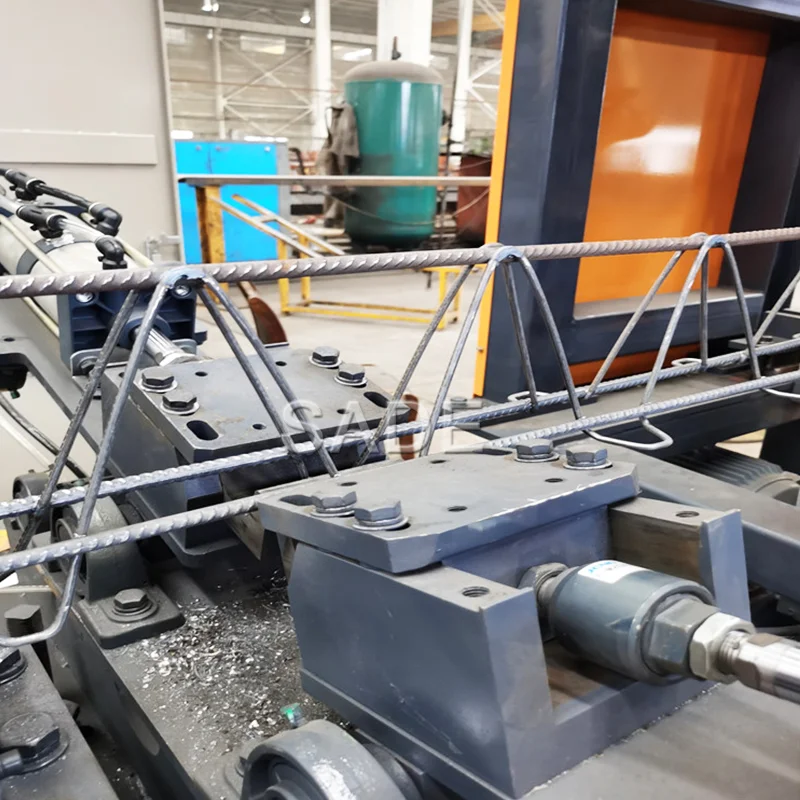
Using high-capacity welding systems to produce heavy-duty reinforcement mesh for the M1 highway expansion and other critical bridge projects across Belarus.

02. Agricultural Filtration Systems

Deploying a wire mesh weaving machine to create specialized sieves and filtration screens for the large-scale grain processing plants in the Gomel and Mogilev regions.

03. Industrial Mining Ventilation

Utilizing an expanded metal press to manufacture high-strength ventilation grates and safety walkways for potassium salt mines.

04. Urban Architectural Facades

Implementing the bender expanded metal machine to produce decorative and functional metal screens for modern commercial buildings in Minsk.

05. Heavy Machinery Protective Guards

Producing custom-sized safety cages and machine guards using a mesh welding machine for the Belarusian automotive and tractor industries.

Brand Story

Global Development Journey of Hebei Sade Machinery Co., Ltd.

Foundational Precision

Started with a mission to solve the instability of traditional mesh welding, focusing on the core mechanics of high-frequency current control.

Technological Breakthrough

Developed the first generation of fully automated PLC systems, eliminating the need for manual adjustments during the welding process.

Global Expansion

Extended our reach into the European market, tailoring equipment to meet the stringent safety and efficiency standards of Eastern Europe.

Diversified Portfolio

Expanded beyond welding into expanding and weaving technologies, providing a one-stop solution for all metal mesh needs.

Industry Leadership

Today, we stand as a global leader in specialized equipment, committed to reducing industrial waste through precision engineering.

Comprehensive Equipment Portfolio for Belarus

High-performance machinery designed for the demands of the Belarusian metallurgical sector.

Frequently Asked Questions for Belarus Operators

Expert answers to common technical and logistical queries.

How to choose the right wire mesh welding machine for structural reinforcement?

You should consider the maximum wire diameter and the required mesh pitch. For structural reinforcement in Belarus, we recommend machines with heavy-duty hydraulic presses and high-stability power supplies.

What is the maintenance cycle for a bender expanded metal machine in cold climates?

In Belarus, we recommend a monthly lubrication cycle using low-temperature resistant grease to ensure the mechanical parts remain fluid during winter operations.

Can the expanded metal press handle high-carbon steel?

Yes, our presses are equipped with reinforced alloy dies designed specifically for high-tensile and high-carbon materials, ensuring a clean cut without deformation.

What is the advantage of a CNC wire mesh weaving machine over manual looms?

CNC weaving ensures absolute uniformity in mesh aperture, significantly reduces material waste, and allows for rapid pattern changes via digital software.

Are these mesh welding machines compatible with 380V power grids?

Yes, our machines are standardly configured for industrial 380V/50Hz power supplies, which are common in Belarusian industrial zones.

How do I optimize the output of a mesh welding machine for mass production?

Optimize the welding time and current settings to the minimum required for a strong bond, and implement an automated feeding system to reduce downtime between cycles.

Get Your Custom Engineering Solution

Ready to upgrade your production facility in Belarus? Our experts are here to provide technical consultation and customized machinery layouts.

Contact Us Now