
April 16, 2026
Investing in industrial machinery is a critical decision for any manufacturing business. When researching the wire straightening and cutting machine price, it is essential to look beyond the initial sticker cost. The right equipment not only ensures precision in your production line but also reduces long-term waste and labor costs. Whether you are processing stainless steel, carbon steel, or aluminum, the cost of the machine is influenced by several technical variables including automation levels, wire diameter capacity, and cutting accuracy. In this guide, we will break down the factors that influence pricing and help you find the most cost-effective solution for your operational needs.
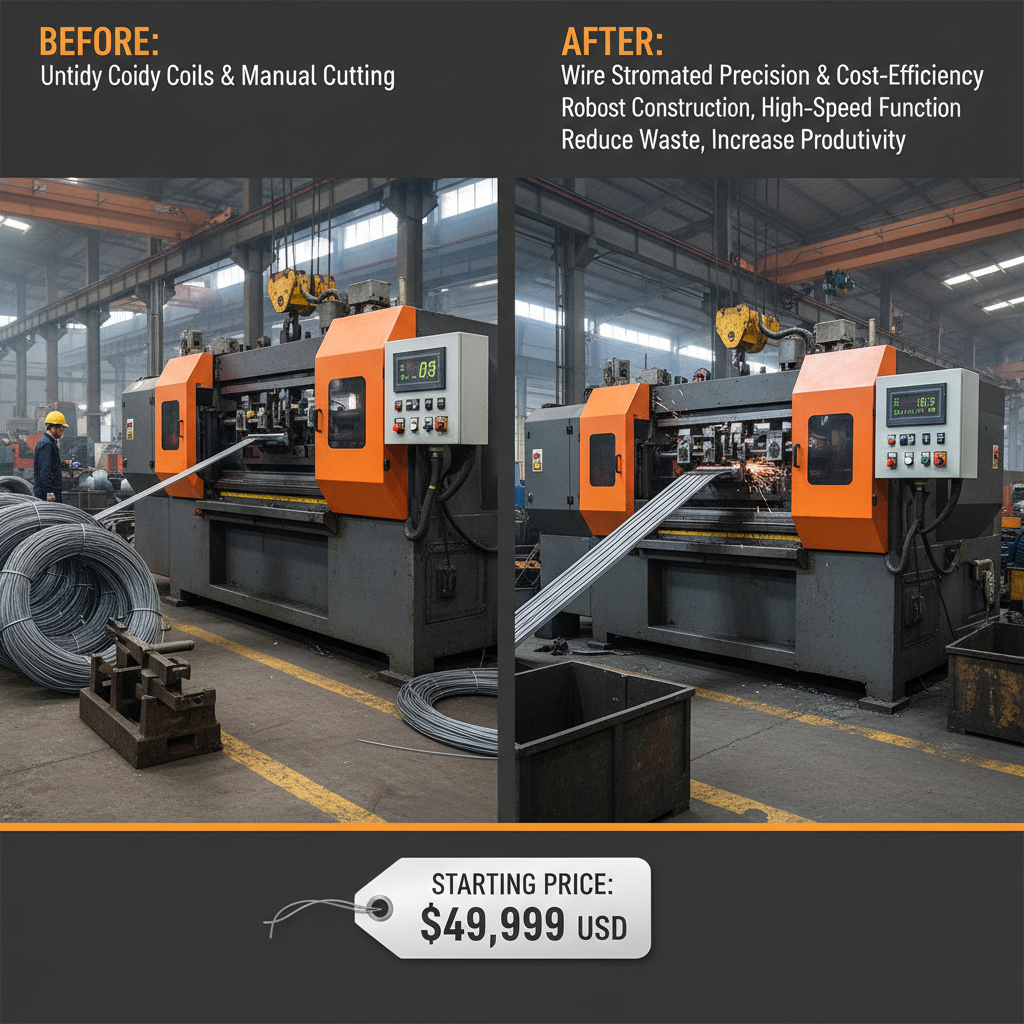
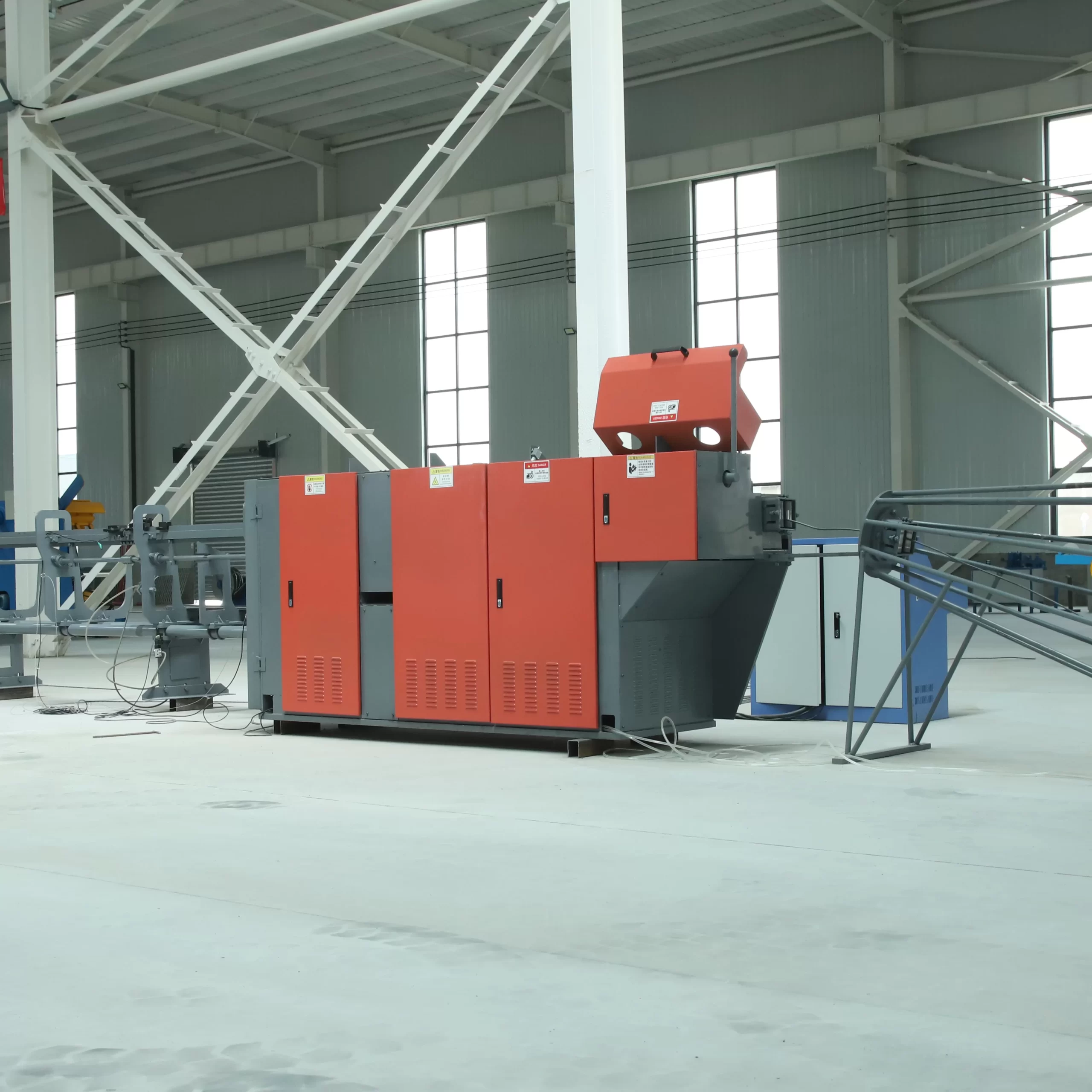
Several core components and features directly impact the overall wire straightening and cutting machine price. First, the material of the rollers plays a huge role; tungsten carbide rollers are more expensive than hardened steel but offer significantly longer lifespans. Second, the level of automation—ranging from simple semi-automatic units to fully CNC-controlled systems—creates a wide price spectrum. Finally, the wire diameter range determines the structural robustness required for the machine frame, where heavier-duty machines for thick wire naturally command a higher price point due to the increased amount of high-grade steel used in construction.
Price Drivers: Material durability (Rollers), Control System (PLC/CNC), Motor Power, and Maximum Wire Diameter capacity.
When analyzing the wire straightening and cutting machine price, buyers often choose between manual/semi-automatic and fully automatic models. While manual machines have a lower entry cost, they require constant operator supervision and are prone to human error. Automatic machines, although requiring a higher upfront investment, offer unmatched consistency, higher speeds, and lower per-unit labor costs. For high-volume production, the ROI on an automatic machine is typically realized within a few months through increased throughput and reduced scrap rates.
To understand why the wire straightening and cutting machine price varies, one must look at the technical specifications. High-precision machines utilize servo motors for feeding and cutting, which are significantly more expensive than standard AC motors but provide millimeter-level accuracy. Furthermore, the inclusion of a PLC (Programmable Logic Controller) allows for easy adjustments of length and quantity, adding value and cost to the machine. Below is a typical specification range for industrial-grade machines:
When evaluating the wire straightening and cutting machine price, it is a common mistake to prioritize the lowest cost. High-quality machinery reduces the Total Cost of Ownership (TCO). Cheaper machines often utilize lower-grade alloys for rollers, leading to frequent replacements and increased downtime. In contrast, premium machines maintain their precision over millions of cycles. Furthermore, the energy efficiency of modern servo-driven machines can lead to significant electricity savings over a five-year period, effectively offsetting the higher initial purchase price.
The "real" price of a machine includes its maintenance. A competitive wire straightening and cutting machine price should include a comprehensive warranty and access to spare parts. Machines built with standardized components (such as Schneider or Siemens electronics) are easier and cheaper to maintain than those using proprietary, obscure parts. Regular calibration and lubrication are required for all machines, but high-end models often feature self-diagnostic tools that alert operators to issues before they cause a breakdown, preventing costly emergency repairs.
To obtain an accurate and fair wire straightening and cutting machine price, you must provide the manufacturer with precise requirements. Clearly define the wire material (e.g., Grade 304 Stainless), the maximum diameter, and the desired cutting length. Requesting a detailed breakdown of the quote—including shipping, installation, and training—prevents hidden costs from appearing later. Many suppliers offer tiered pricing based on the volume of machines ordered or bundled packages that include additional toolsets, which can lower the average unit price.
Finding the ideal wire straightening and cutting machine price requires a balance between your current budget and your future production goals. While the initial cost is important, the true value lies in the machine's reliability, precision, and efficiency. By focusing on high-quality components and automation that fits your scale, you ensure a sustainable investment that drives profitability. Visit Mesh Machinery to explore a range of options tailored to your specific industrial needs.
The price variance is primarily due to the difference in technology and material quality. A basic mechanical machine uses simple gears and manual controls, keeping costs low. In contrast, high-end machines utilize servo motors for precise feeding, PLC systems for digital programming, and tungsten carbide rollers for extreme durability. These features increase the initial cost but drastically improve production speed and accuracy, which is why prices can vary from a few thousand to tens of thousands of dollars depending on the specifications.
Yes, in most industrial scenarios. A premium machine typically offers higher precision, which means less material waste (scrap). It also operates at higher speeds, increasing your daily output. Moreover, high-quality components reduce the frequency of breakdowns and the need for replacement parts. When you calculate the cost per piece produced, a more expensive, efficient machine often results in a lower unit cost compared to a cheaper machine that requires more labor and frequent maintenance.
Before signing a contract, verify the "hidden" costs. Check if the quote includes shipping, customs duties, and installation. Ask about the warranty period and whether it covers parts or only labor. It is also wise to inquire about the availability of spare rollers and the lead time for delivery. Ensuring that the machine comes with a user manual and operator training will also save you from costly errors during the setup phase. Always confirm the exact technical specifications to ensure the machine can handle your specific wire grade and diameter.
Generally, it is not cost-effective to upgrade a basic mechanical machine to a fully automatic one. The transition from mechanical feeding to servo-driven feeding usually requires a complete change of the machine's chassis, motor mounts, and electrical control panels. It is far more economical to invest in a machine that has the capacity for growth from the start. If you anticipate increasing your production volume, we recommend choosing a model with a PLC control system, which can be updated via software to improve efficiency without needing a full hardware replacement.
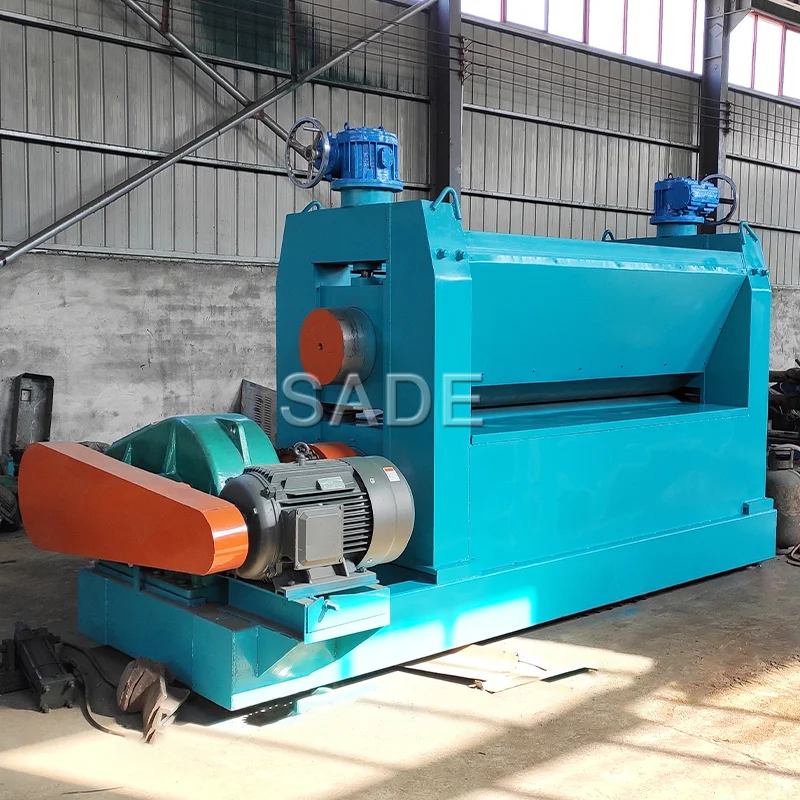
ZPJ Metal Mesh Flatting Machine
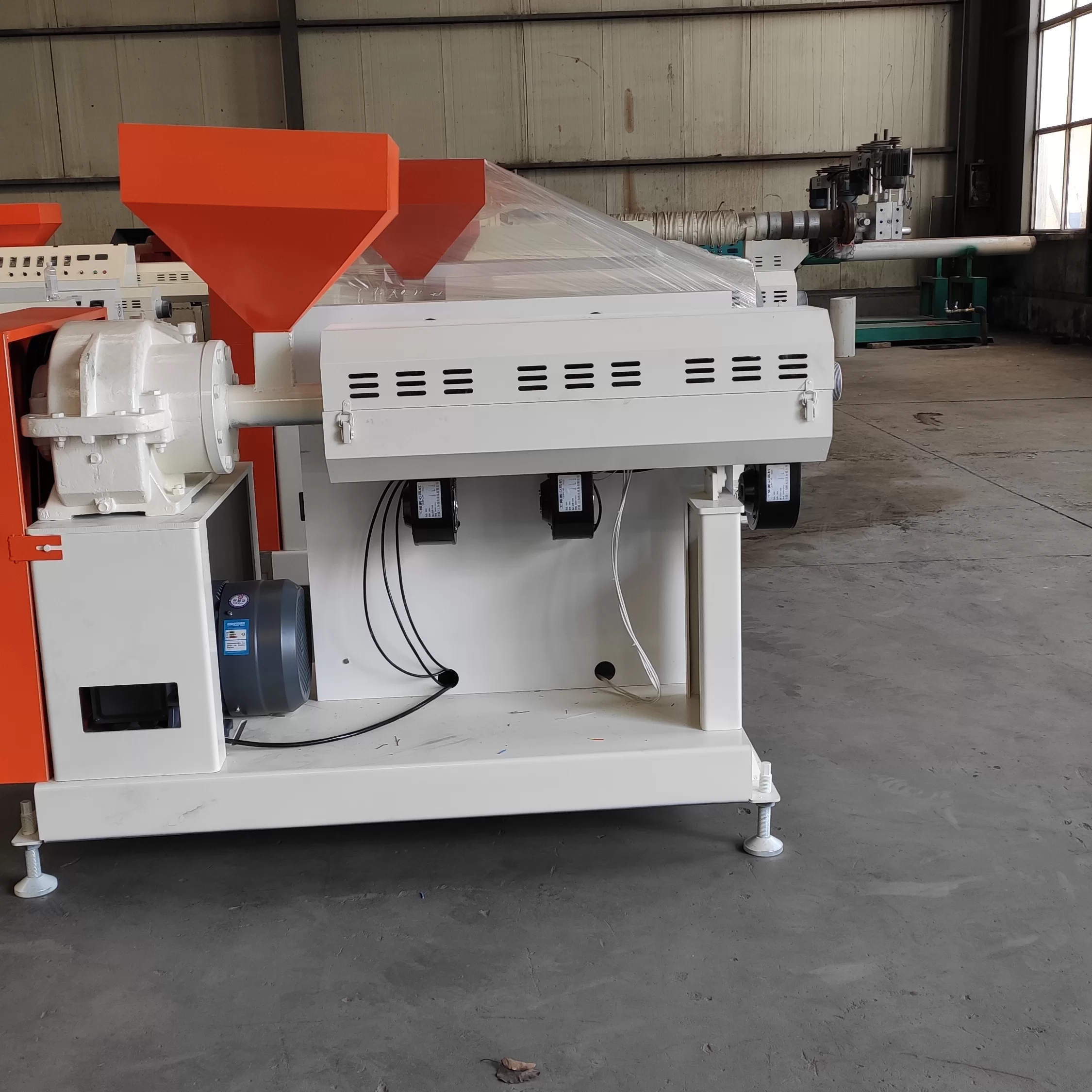
ZPJ metal mesh flatting machine is special designed for expanded metal flatting.It’s a corollary equipment of expanded metal machine. It can make expanded wire-mesh smoothly.And the flattened expanded metal have much more widely different applications.
Apr 24, 2026
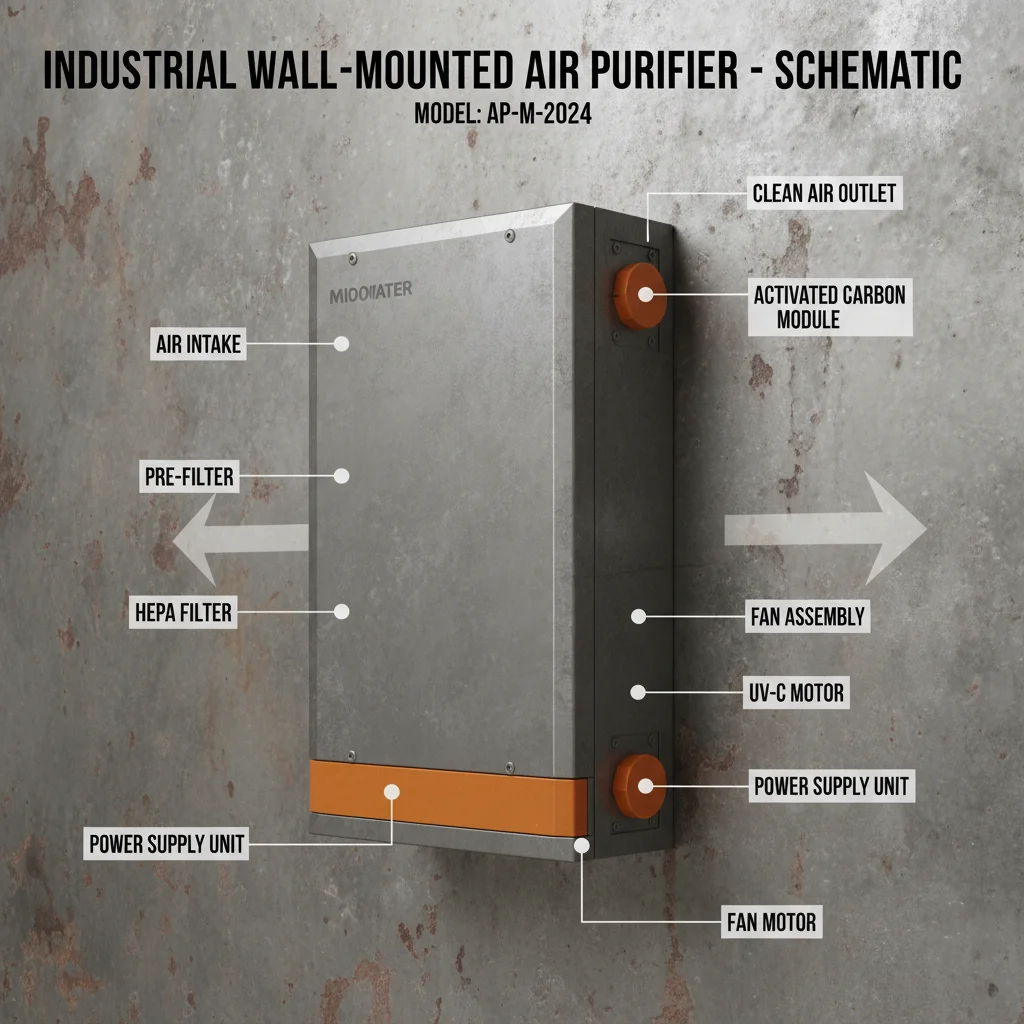
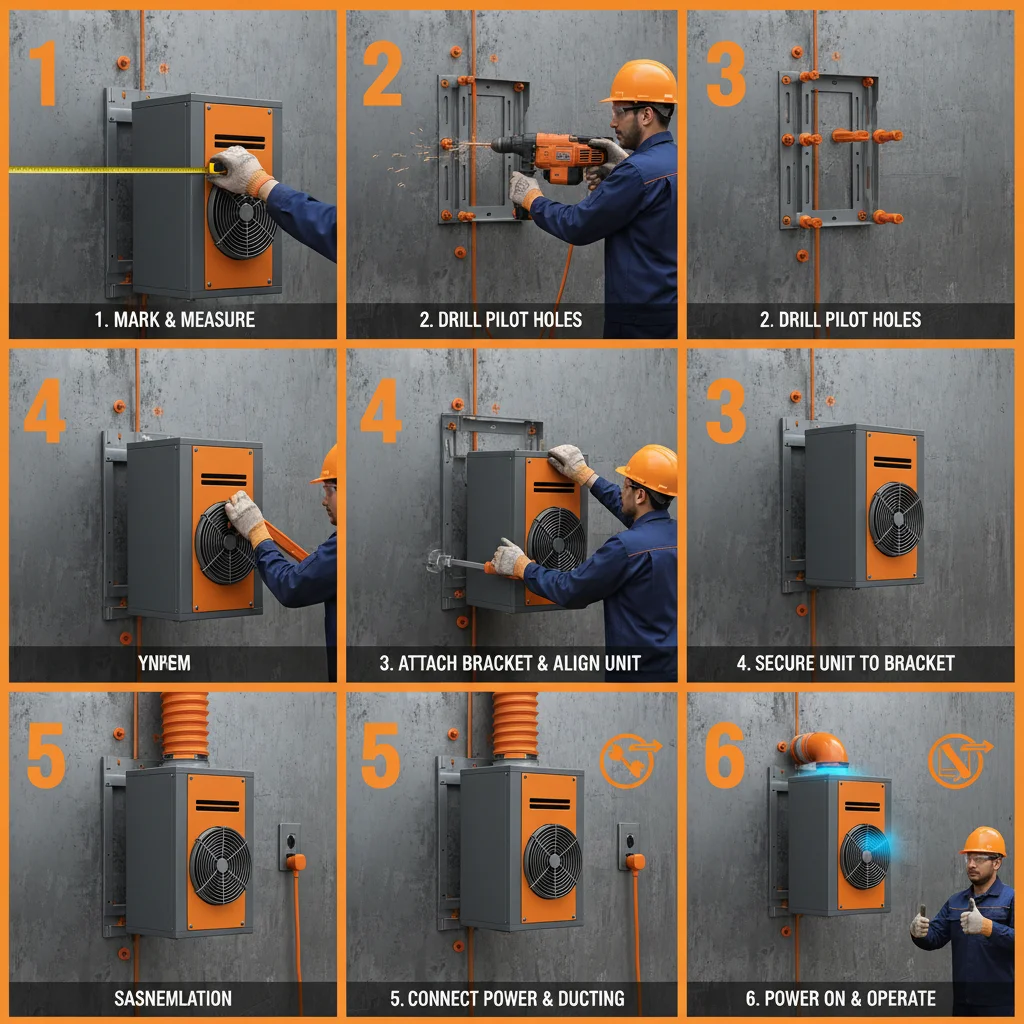
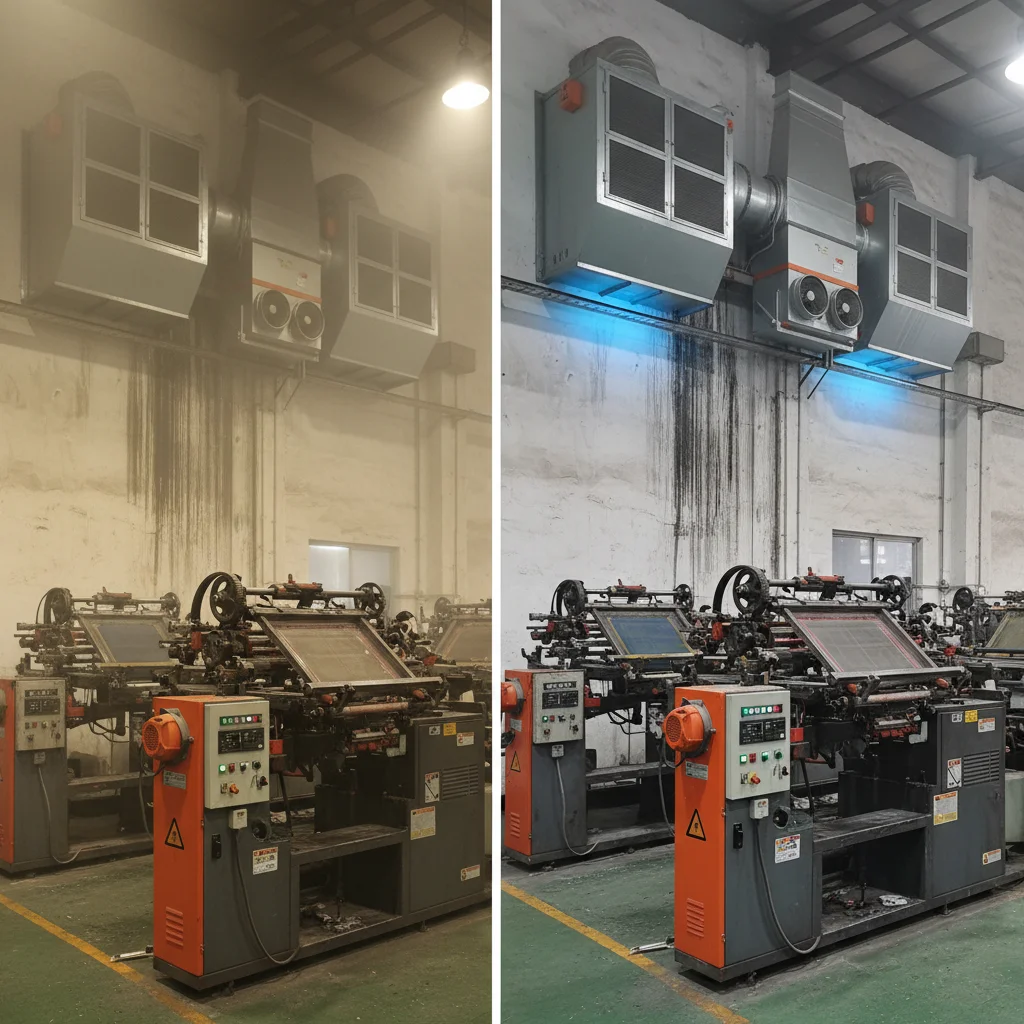
Industrial Wall Mounted Air Filtration for Clean Work Environments