
April 16, 2026
Investing in high-security perimeter fencing requires the right equipment, and understanding the razor wire machine price is the first step for any serious manufacturer. Whether you are starting a new security product line or upgrading your existing facility, the cost of machinery varies significantly based on automation levels, production speed, and material quality. In this guide, we will break down the factors that influence pricing and how to choose a machine that balances initial investment with long-term ROI. Finding the right balance between cost and performance ensures your production remains competitive in the global security market.
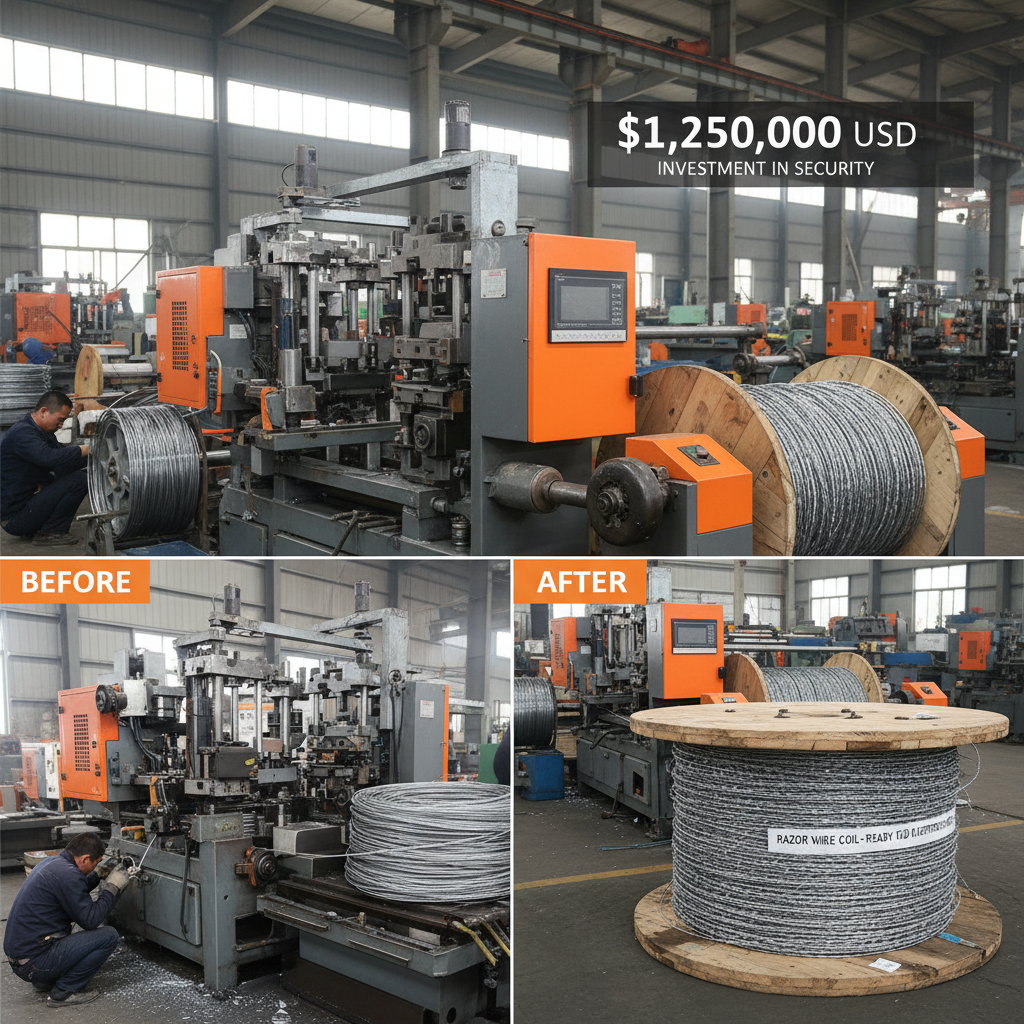
The razor wire machine price is not a fixed number but a reflection of several technical specifications. First, the degree of automation plays a huge role; fully automatic PLC-controlled machines are more expensive than semi-automatic ones but drastically reduce labor costs. Second, the production capacity (meters per hour) determines the scale of the motor and the robustness of the frame. Third, the material of the components—such as high-grade alloy steel for cutting blades—increases the price but ensures a longer lifespan and fewer replacements. Lastly, the inclusion of specialized features, like adjustable clip spacing or variable blade profiles, can add to the final cost.
Pro Tip: When comparing quotes, always ask if the price includes installation, training, and a warranty period, as these "hidden" costs can impact your total budget.
Choosing between a manual and an automatic system is a critical decision that affects your long-term razor wire machine price analysis. While manual machines offer a lower entry cost, they require more operators and are prone to human error, which can lead to material waste. Automatic machines, though requiring a higher upfront payment, provide consistent quality and significantly higher output. For businesses aiming for export-grade security fencing, the precision of an automated system is indispensable for meeting international safety and quality standards.
When evaluating the razor wire machine price, you must look beyond the sticker price and calculate the Return on Investment (ROI). A cheaper machine may seem attractive initially, but if it has a high downtime rate or produces substandard wire, the cost of waste and lost contracts will quickly exceed the savings. High-end machinery from reputable suppliers often pays for itself within the first 12-18 months through increased efficiency and reduced scrap rates. By optimizing the wire-drawing and clipping process, companies can maximize their profit margins per coil produced.
To give you a clearer picture of how technical specs affect the razor wire machine price, we have categorized common machinery configurations. Standard machines are suitable for local markets with low demand, whereas industrial-grade lines are designed for 24/7 operation. Note that custom-engineered machines, designed for specific blade shapes (like BTO or CBT), typically carry a premium price due to the specialized tooling required.
A common mistake buyers make is focusing solely on the purchase razor wire machine price while ignoring the Total Cost of Ownership (TCO). Maintenance costs include the replacement of cutting dies, lubrication of moving parts, and electricity consumption. High-quality machines often use wear-resistant materials that lower the frequency of part replacements. Investing in a machine with a modular design allows for quicker repairs, reducing expensive downtime and ensuring that your production schedule remains on track.
To maximize the value of your razor wire machine price, it is essential to partner with a manufacturer that provides comprehensive after-sales support. This includes technical training for your staff, a steady supply of spare parts, and remote troubleshooting services. Additionally, consider the scalability of the machine. A system that allows for future upgrades or can handle different wire gauges will save you from having to buy an entirely new machine as your business grows. Always request a factory demonstration or video proof of production before finalizing your order.
Deciding on the right razor wire machine price requires a strategic look at your current production needs and future growth goals. While the initial cost varies based on automation and capacity, the true value lies in the machine's reliability, precision, and efficiency. By prioritizing quality components and reputable engineering, you ensure a lower total cost of ownership and a higher quality end-product. Invest wisely in your machinery to build a secure and profitable future in the security fencing industry.
For small businesses, the price typically falls in the entry-level to mid-range category. Semi-automatic machines are often the most cost-effective starting point, as they offer a lower initial investment while still providing professional-grade results. The exact price depends on the wire gauge and the specific type of razor wire (e.g., Concertina or Flat Wrap) you intend to produce. We recommend consulting with a specialist to determine the minimum specs needed to meet your target output without overspending on unnecessary features.
Not necessarily, but usually, a higher price correlates with better materials, higher automation, and better precision. However, it is important to distinguish between "premium branding" and "premium engineering." To ensure you are getting true value, check the technical specifications: look for high-grade alloy steels, PLC control systems from known brands (like Siemens or Delta), and a proven track record of durability. A balanced investment is one where the machine's capabilities align perfectly with your production volume.
The best way to reduce operational costs is through a strict preventive maintenance schedule. Regularly lubricating the gears, checking the tension of the rollers, and sharpening or replacing the cutting blades before they fail prevents costly unplanned downtime. Additionally, training your operators to use the machine correctly reduces material waste and prevents accidental damage to the equipment. Sourcing high-quality raw wire also ensures that the machine operates smoothly, reducing wear and tear on the motor and cutting components.
The most reliable way to get an accurate quote is to contact a specialized manufacturer directly. Because many machines are customized to the client's specific needs—such as voltage requirements, blade sizes, and production speed—standard price lists are often just estimates. By visiting Mesh Machinery, you can provide your specific requirements and receive a tailored quote that reflects the exact configuration of the machine you need, ensuring there are no surprises in your budget.
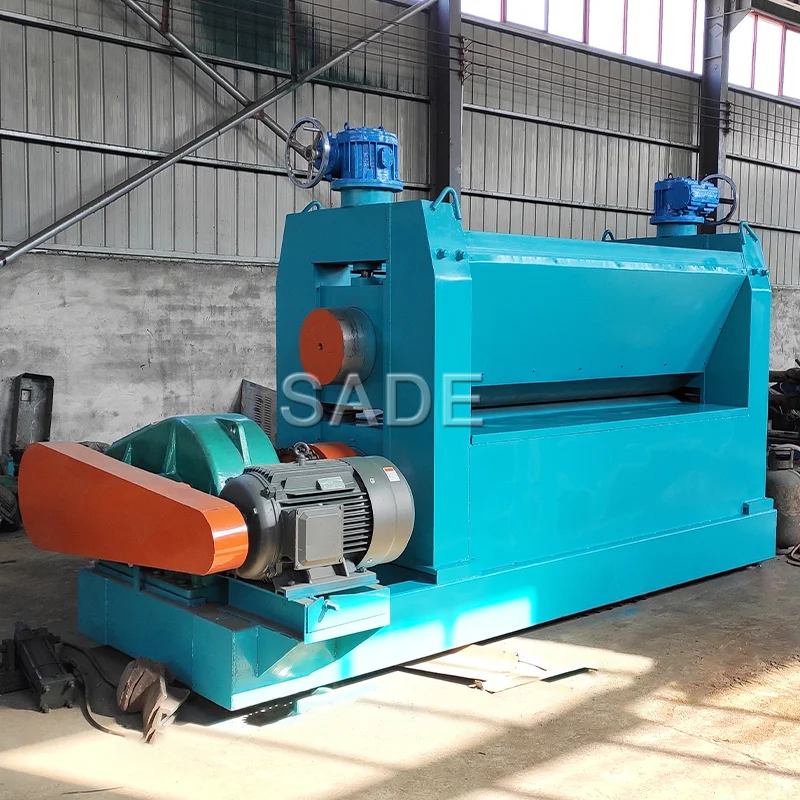
ZPJ Metal Mesh Flatting Machine
ZPJ metal mesh flatting machine is special designed for expanded metal flatting.It’s a corollary equipment of expanded metal machine. It can make expanded wire-mesh smoothly.And the flattened expanded metal have much more widely different applications.
Apr 24, 2026
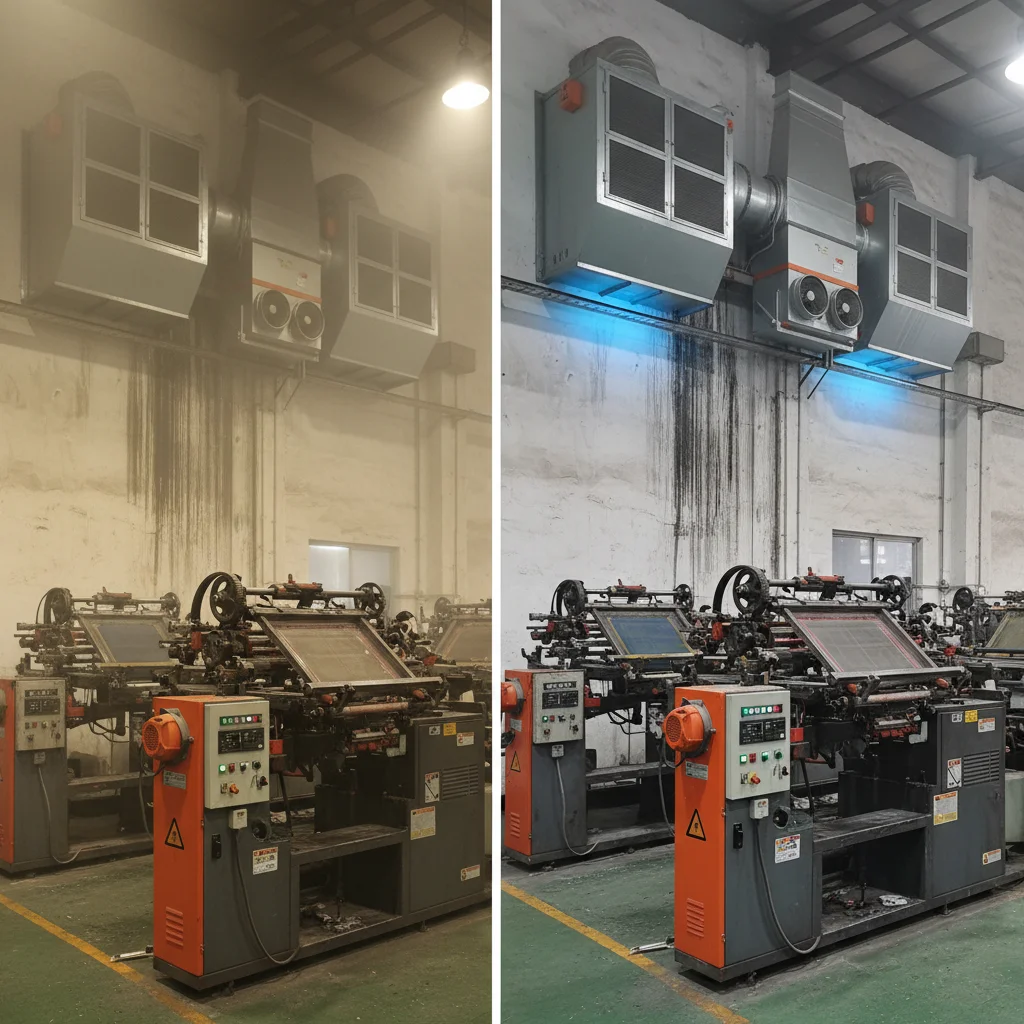
Industrial Wall Mounted Air Filtration for Clean Work Environments