
April 09, 2026
In the competitive landscape of metal processing, precision is everything. For businesses looking to optimize their production of high-quality wires, partnering with a professional straight line wire drawing machine manufacturer is a critical strategic decision. A straight-line drawing system is engineered to reduce wire diameter while improving surface finish and mechanical properties, ensuring that the final product meets stringent industrial standards. Whether you are producing electrical conductors or structural cables, the efficiency of your machinery determines your market competitiveness. In this guide, we will explore the technical nuances and key considerations when selecting your equipment partner.
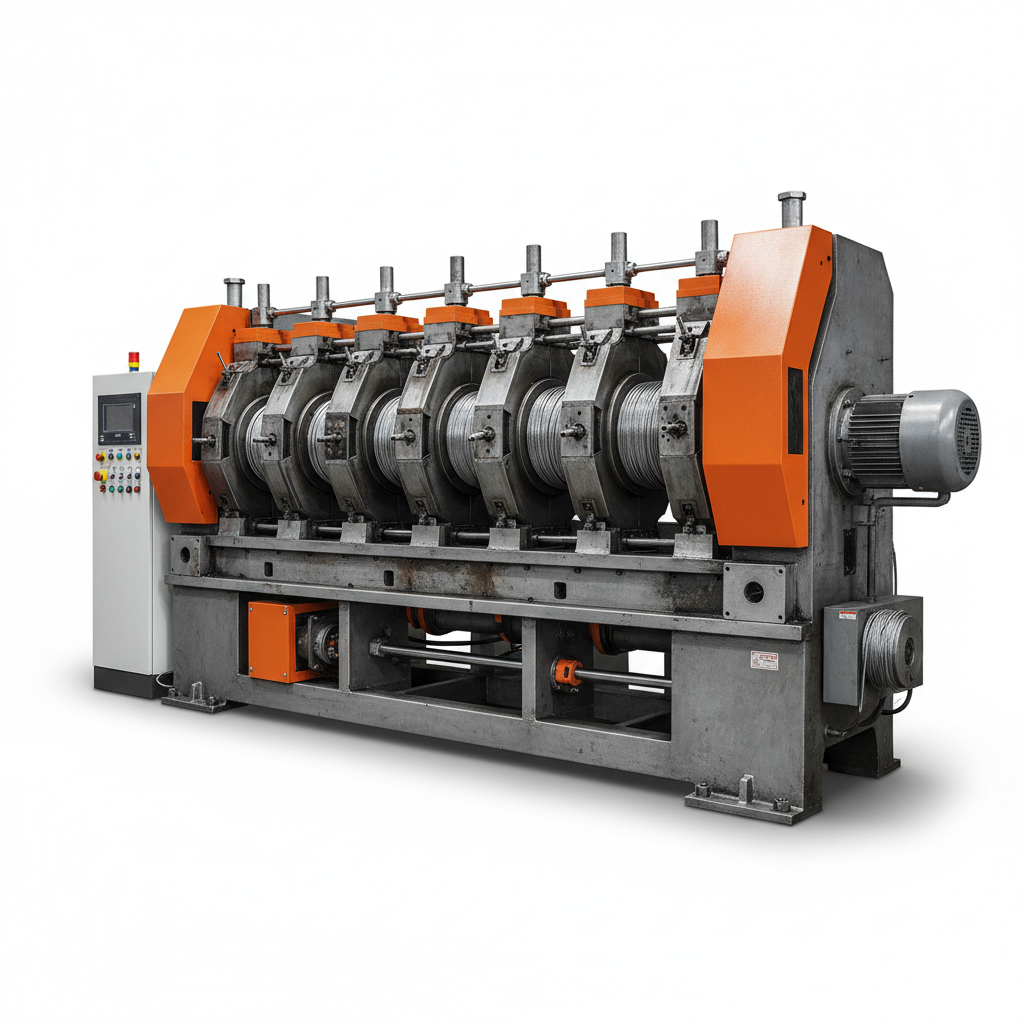
Unlike circular or multi-pass systems, the straight-line configuration is prized for its linear precision and stability. The process involves pulling the wire through a series of dies arranged in a straight line, which minimizes twisting and internal stress. A top-tier straight line wire drawing machine manufacturer integrates advanced lubrication systems and tension control to prevent wire breakage. This ensures a consistent diameter across the entire length of the wire, which is essential for downstream applications such as weaving or precision winding.
Industry Insight: Linear drawing is particularly effective for materials that are sensitive to torsional stress, allowing for higher drawing speeds without compromising the structural integrity of the metal.
Not all manufacturers are created equal. When vetting a straight line wire drawing machine manufacturer, you must look beyond the price tag. Key indicators of quality include the grade of steel used in the machine frame, the precision of the motor drives, and the intuitiveness of the PLC control system. A reputable manufacturer provides comprehensive documentation, rigorous factory testing reports, and a clear warranty policy. Furthermore, the ability to customize the machine to handle different alloys—such as copper, stainless steel, or carbon steel—is a hallmark of an experienced provider.
Understanding the technical differences between machinery tiers helps in making an informed investment. Premium equipment from a leading straight line wire drawing machine manufacturer typically features higher automation levels and better energy efficiency. Below is a detailed comparison of specifications to help you identify the right fit for your production volume.
Once you have selected your straight line wire drawing machine manufacturer, the focus shifts to operational optimization. The secret to high throughput lies in the synchronization of the capstans and the quality of the drawing lubricant. Reducing friction not only extends the life of the dies but also lowers energy consumption. Regular maintenance, including the calibration of the tensioning system, ensures that the machine operates at peak performance without unexpected downtime. Modern machines also incorporate sensors that alert operators to wire breakage instantly, minimizing material waste.
To maximize the ROI of your investment, a rigorous maintenance schedule is non-negotiable. We recommend focusing on three primary areas: lubrication, die inspection, and electrical checks. Ensuring that the lubrication pumps are functioning correctly prevents overheating and surface defects on the wire. Additionally, wearing dies should be replaced promptly to avoid "scoring" the wire. A professional straight line wire drawing machine manufacturer usually provides a maintenance manual that serves as a blueprint for these activities, ensuring the machine remains in "like-new" condition for years.
Daily Maintenance Checklist:
• Check lubricant levels and flow rate
• Inspect dies for signs of wear or cracking
• Verify tension settings and PLC alerts
• Clear debris from the capstan and take-up reels
Investing in the right machinery is the foundation of any successful wire production facility. By choosing a reputable straight line wire drawing machine manufacturer, you ensure that your production line is equipped with precision, durability, and efficiency. From the initial selection of specifications to the implementation of a strict maintenance routine, every step contributes to a superior end product. Focus on quality, embrace automation, and partner with experts to stay ahead in the global trade market.
Choosing the correct die size depends on the initial wire diameter and the desired final diameter. The most critical factor is the "reduction ratio" per pass. If the reduction is too aggressive, it can cause the wire to snap or create internal stresses that lead to brittleness. A professional manufacturer will typically help you calculate a "die sequence" or "reduction schedule" based on the material's ductility. It is always recommended to use high-quality tungsten carbide or diamond dies to ensure a smooth surface and a longer tool lifespan.
The primary advantage is the stability of the drawing process. In straight-line configurations, the wire is subject to less twisting and bending compared to circular or multi-directional layouts. This leads to better dimensional accuracy and a more uniform surface finish. Additionally, straight-line machines are often easier to maintain and upgrade, as the layout is intuitive and the accessibility to dies and capstans is superior. This makes them the ideal choice for high-precision industrial applications where quality consistency is the top priority.
Lubrication is essential for reducing friction between the wire and the die. Without proper lubrication, the heat generated can cause the wire to weld to the die or create "scratches" on the surface. High-quality lubricants also act as a coolant, preventing the metal from overheating and altering its mechanical properties. Depending on the material, manufacturers use oil-based or emulsion-based lubricants. The correct application of lubricant not only improves the surface quality of the wire but also significantly extends the life of the expensive drawing dies.
Yes, but it requires specific configurations. While the basic mechanical principle remains the same, different metals have different yield strengths and ductility. For example, drawing stainless steel requires more powerful motors and specialized dies compared to drawing soft copper. An experienced straight line wire drawing machine manufacturer will customize the motor torque, lubrication system, and die materials to suit the specific alloy you are processing, ensuring the machine can handle the load without failure.
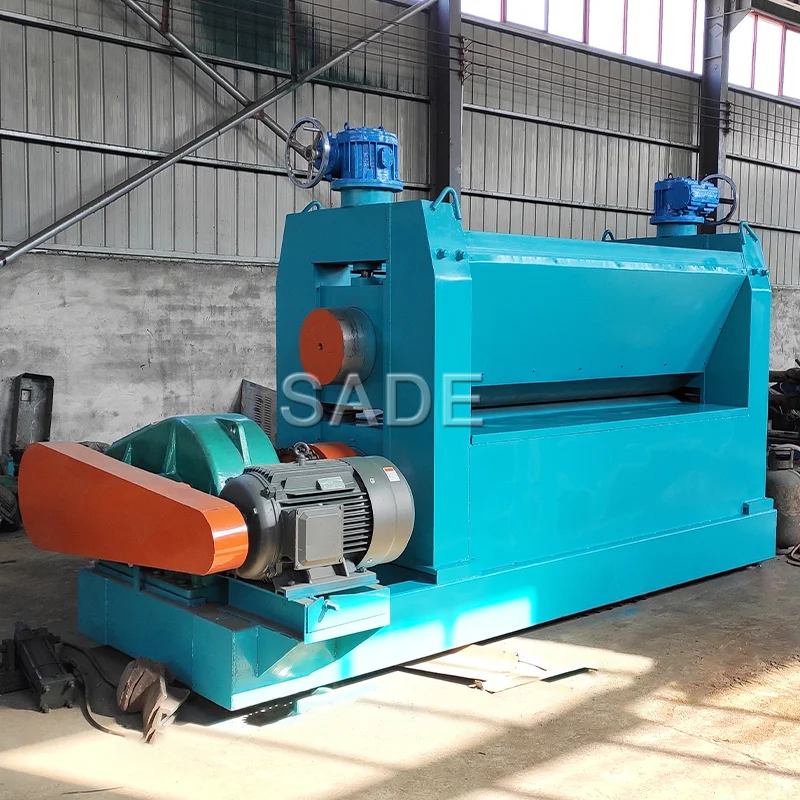
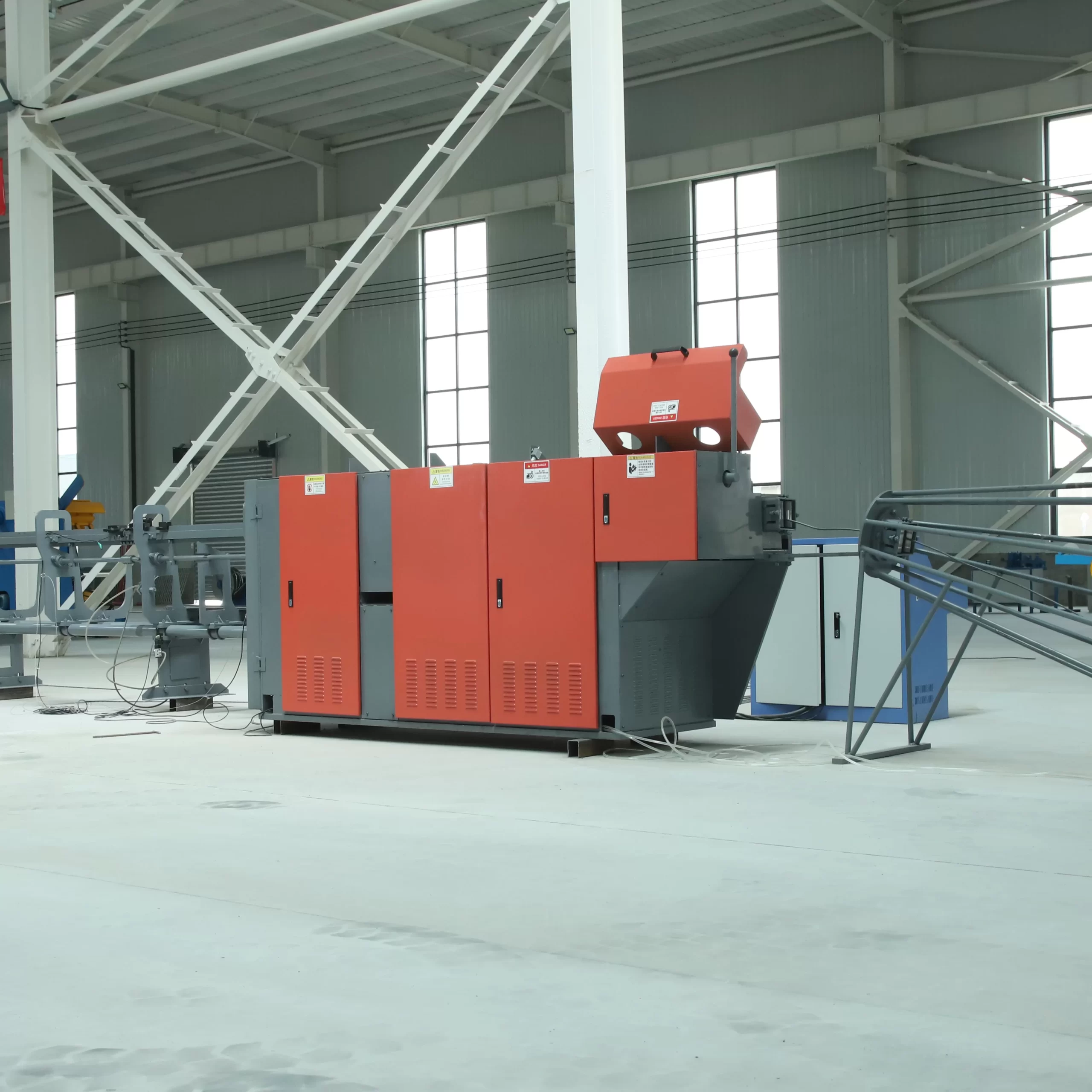
ZPJ Metal Mesh Flatting Machine
ZPJ metal mesh flatting machine is special designed for expanded metal flatting.It’s a corollary equipment of expanded metal machine. It can make expanded wire-mesh smoothly.And the flattened expanded metal have much more widely different applications.
Apr 24, 2026
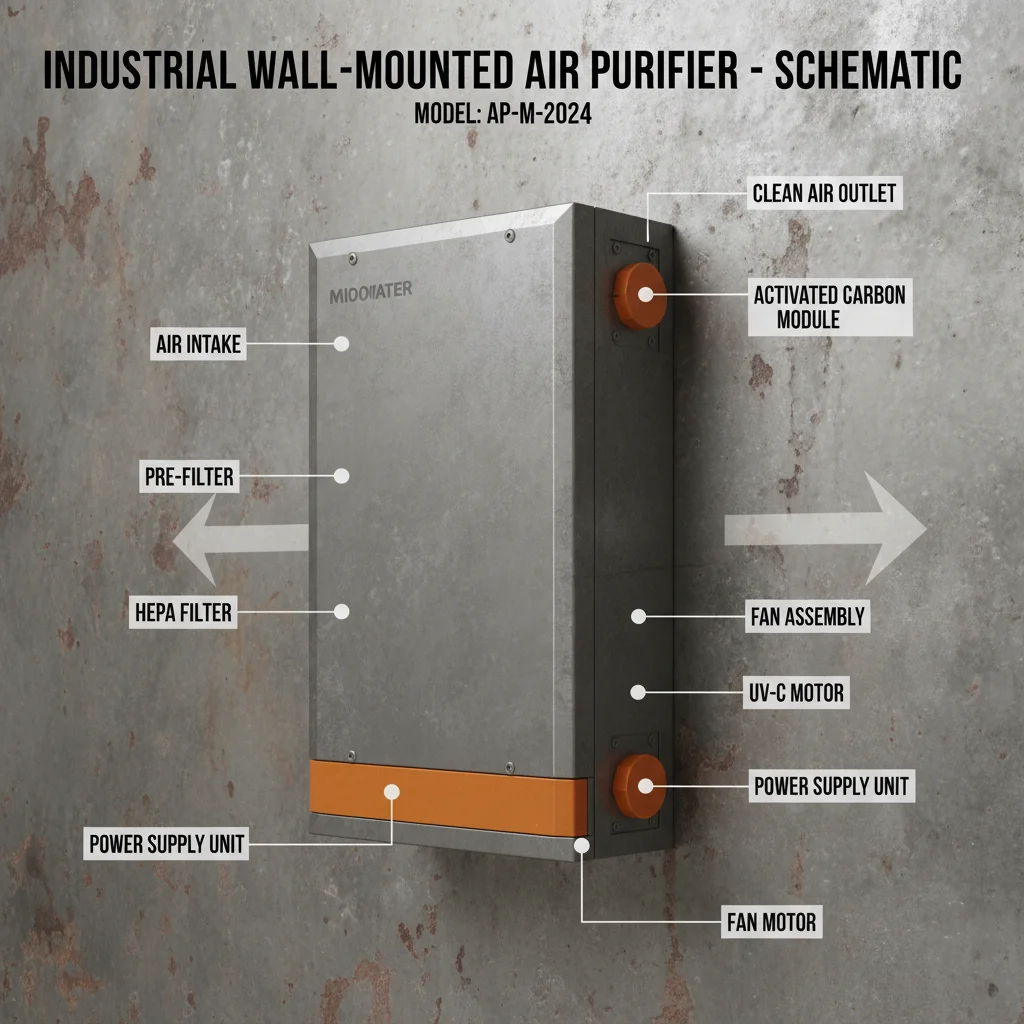
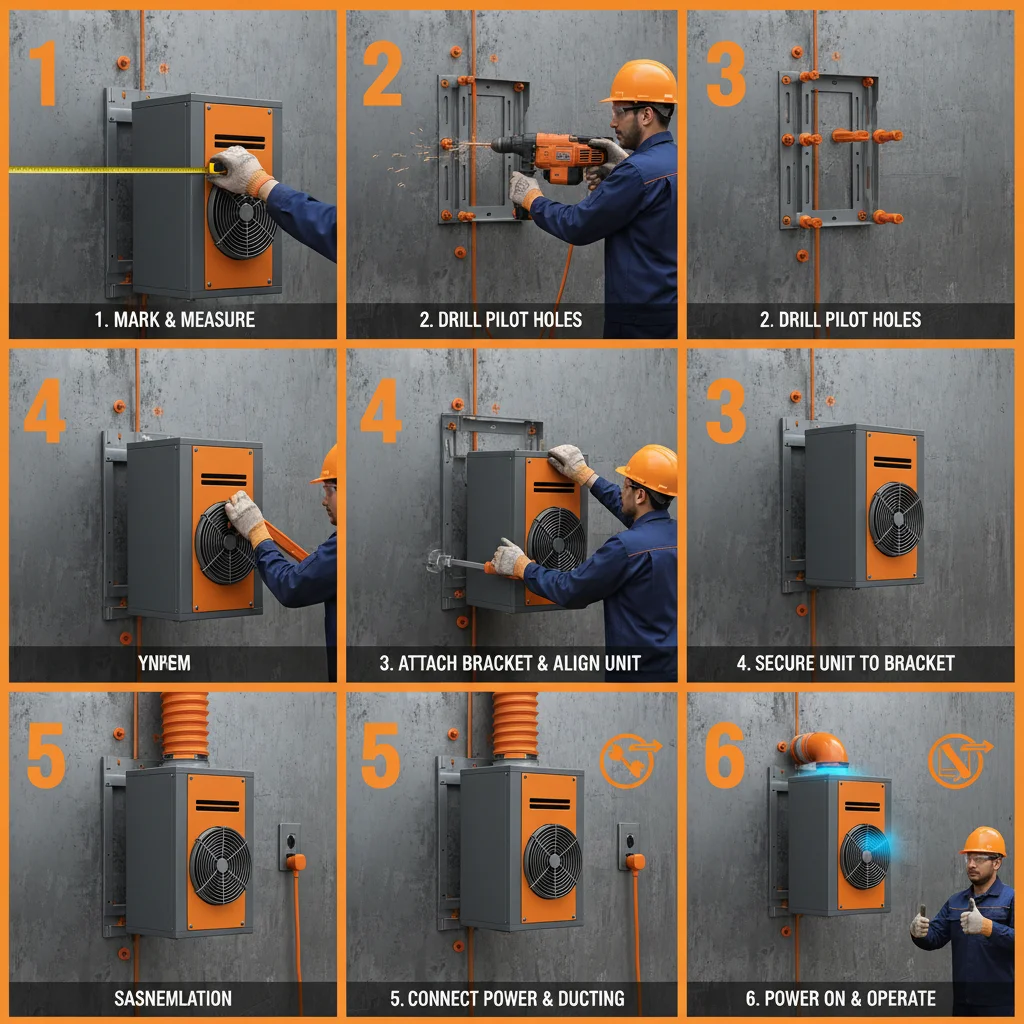
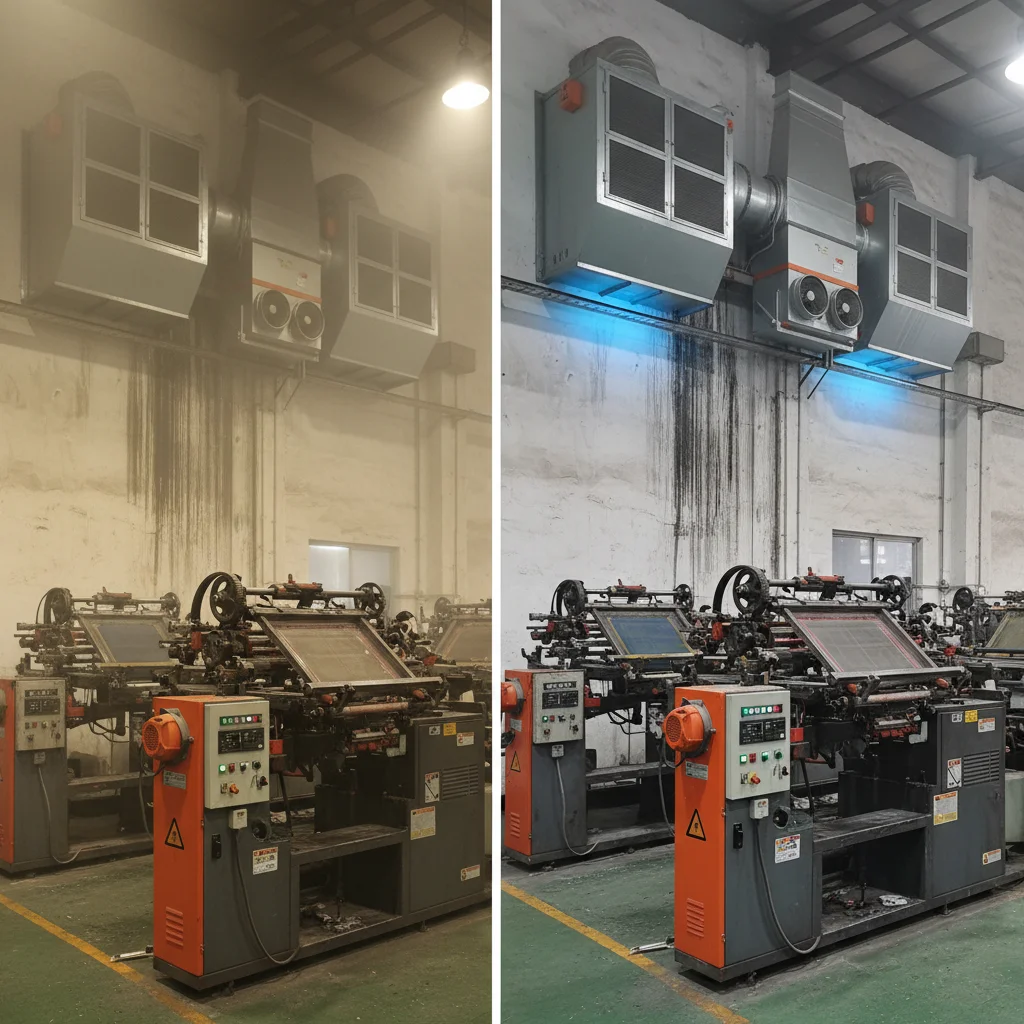
Industrial Wall Mounted Air Filtration for Clean Work Environments