
April 09, 2026
In the modern industrial landscape, the precision and efficiency of mesh production can define the competitiveness of your business. Selecting a professional wire mesh welding machine manufacturer is not just about purchasing equipment; it is about establishing a partnership that ensures long-term productivity and technical reliability. Whether you are producing fencing, gabions, or industrial filters, the quality of the welding equipment directly impacts the structural integrity of your final product. This guide will walk you through the essential factors to consider when choosing a supplier and how to optimize your production line with high-end machinery.
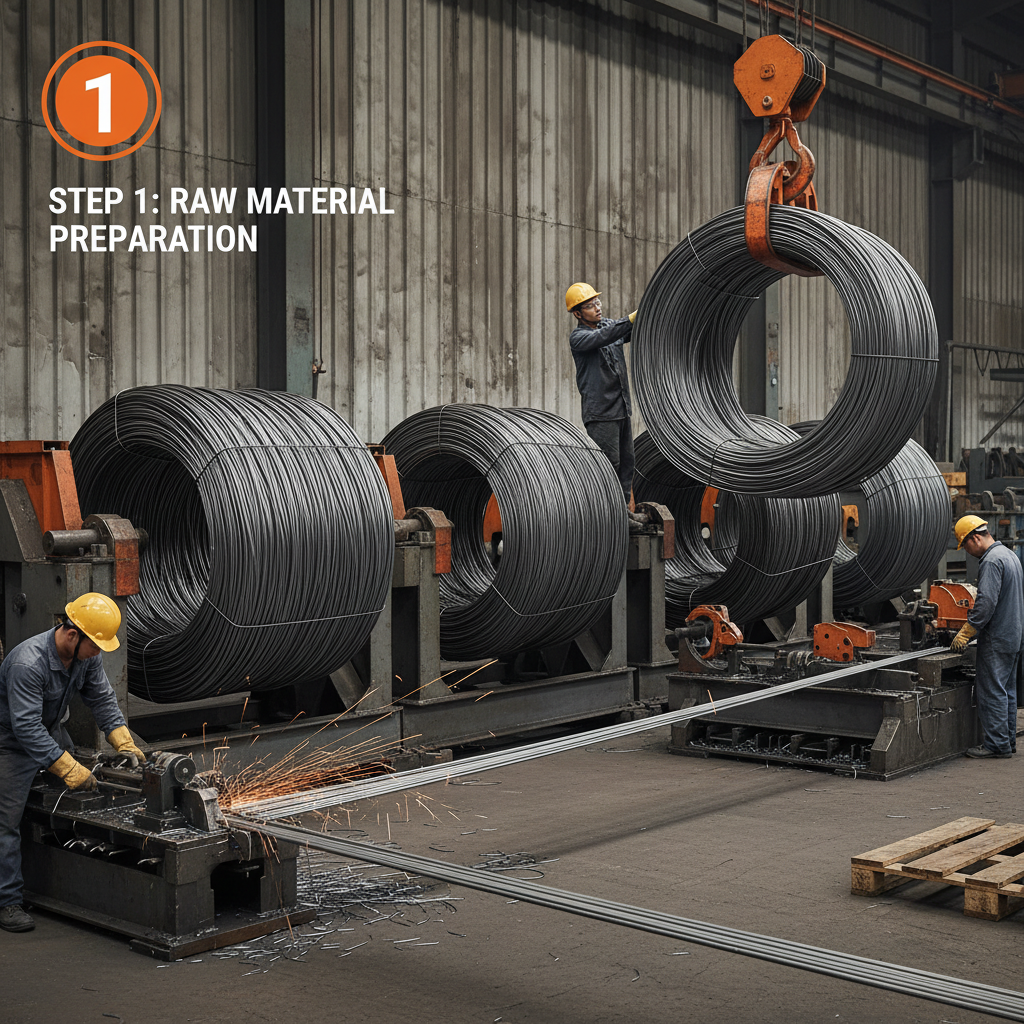
The evolution of welding technology has shifted from manual operations to fully automated systems. A leading wire mesh welding machine manufacturer now integrates PLC control systems and servo motor precision to eliminate human error. Modern machines utilize high-frequency resistance welding, which ensures that the joint is fused deeply without damaging the surrounding wire coating. This level of precision is critical for high-tensile applications where a single weak weld can lead to total structural failure. By adopting these innovations, manufacturers can significantly increase their hourly output while reducing material waste.
Industry Insight: Automated CNC systems can increase production speed by up to 40% compared to semi-automatic models, while maintaining a consistent weld quality across thousands of cycles.
When vetting a wire mesh welding machine manufacturer, it is imperative to look beyond the initial price tag. You must evaluate their engineering capacity, the quality of components used (such as the welding transformers), and their after-sales support infrastructure. A reputable manufacturer will provide comprehensive customization options to match your specific wire diameter and mesh aperture requirements. Furthermore, check for certifications and client testimonials from international markets to ensure the machinery meets global safety and performance standards.
Critical Vetting Checklist:
• Availability of remote technical support and onsite installation
• Quality of raw materials used in the machine frame (stability vs. vibration)
• Ease of sourcing replacement parts (electrodes and sensors)
• Energy efficiency ratings of the power supply units
Deciding between manual and automatic machinery depends on your production volume and budget. While manual machines offer flexibility for small, custom batches, an automatic system from a top-tier wire mesh welding machine manufacturer is essential for scaling. Automatic lines reduce labor costs and eliminate the variability inherent in human operation, ensuring every mesh panel is identical. The following table provides a side-by-side comparison to help you determine the best fit for your facility.
Understanding the technical specifications is the only way to ensure that the machine from your wire mesh welding machine manufacturer can handle your specific materials. From the voltage of the transformer to the pressure of the welding head, every detail matters. For instance, welding stainless steel requires different current settings and timing compared to galvanized iron. High-quality machines offer adjustable parameters that allow for seamless switching between different wire gauges, maximizing the utility of a single machine across multiple product lines.
Once you have secured the equipment from your chosen wire mesh welding machine manufacturer, the focus shifts to operational efficiency. This involves streamlining the feeding of wire coils, the positioning of the mesh, and the subsequent cutting and packing phases. Integrating an automatic cutting system directly into the welding line can eliminate the need for secondary handling, reducing lead times. Moreover, implementing a preventative maintenance schedule—focusing on electrode cleaning and lubrication—ensures that the machine operates at peak performance without unexpected downtime.
Even the most sophisticated machinery cannot compensate for poor-quality raw materials. The consistency of the wire diameter and the purity of the metal are crucial for the wire mesh welding machine manufacturer's equipment to perform optimally. Variations in wire thickness can lead to "cold welds" or over-burning, which compromise the mesh strength. We recommend using high-grade low-carbon steel or certified stainless steel coils. When combined with the precision of a professional welding machine, high-quality materials result in a product that resists deformation and corrosion, providing your customers with superior value.
Investing in the right machinery is the cornerstone of industrial growth. By partnering with a professional wire mesh welding machine manufacturer, you ensure that your production line is equipped with the latest technology, minimal downtime, and maximum precision. From selecting the right automation level to maintaining rigorous material standards, every step contributes to a higher ROI and a more durable end product. Elevate your manufacturing standards today by choosing equipment that blends power with precision.
Choosing the right capacity requires a detailed analysis of your daily production goals and the specific wire gauges you intend to weld. You should calculate the total linear meters of mesh required per day and factor in the desired mesh size. A professional manufacturer will typically ask for your "mesh map" (wire diameter, spacing, and panel size) to recommend a machine with the appropriate transformer power and head count. It is often wise to choose a machine with 20% more capacity than your current needs to allow for future business growth without requiring a total equipment overhaul.
Regular maintenance is key to longevity. The most critical task is the inspection and dressing of the welding electrodes; since they are consumable parts, they must be cleaned or replaced to ensure a consistent electrical arc. Additionally, the mechanical moving parts and servo rails should be lubricated weekly to prevent friction wear. Checking the cooling system for leaks or blockages is also essential, especially for water-cooled models. Most top-tier manufacturers provide a maintenance manual, and following this strictly can double the lifespan of your machinery.
Yes, most modern machines from a professional wire mesh welding machine manufacturer are versatile enough to handle different metals. However, the settings must be adjusted. Stainless steel has higher electrical resistance and a higher melting point, requiring different current and pressure settings compared to galvanized steel. High-end machines with PLC systems allow you to save these settings as "presets," enabling the operator to switch between materials with a single touch on the screen, ensuring efficiency and quality.
The installation process typically takes between 3 to 7 business days once the machine arrives at your facility. This includes the physical assembly, electrical wiring, and the calibration of the welding heads. The "commissioning" phase is the most important part, where the manufacturer's engineers run test batches to fine-tune the weld strength and timing. This period also includes operator training, ensuring your staff knows how to safely operate the PLC and perform basic maintenance. Choosing a manufacturer with a dedicated installation team significantly reduces the risk of early-stage operational errors.
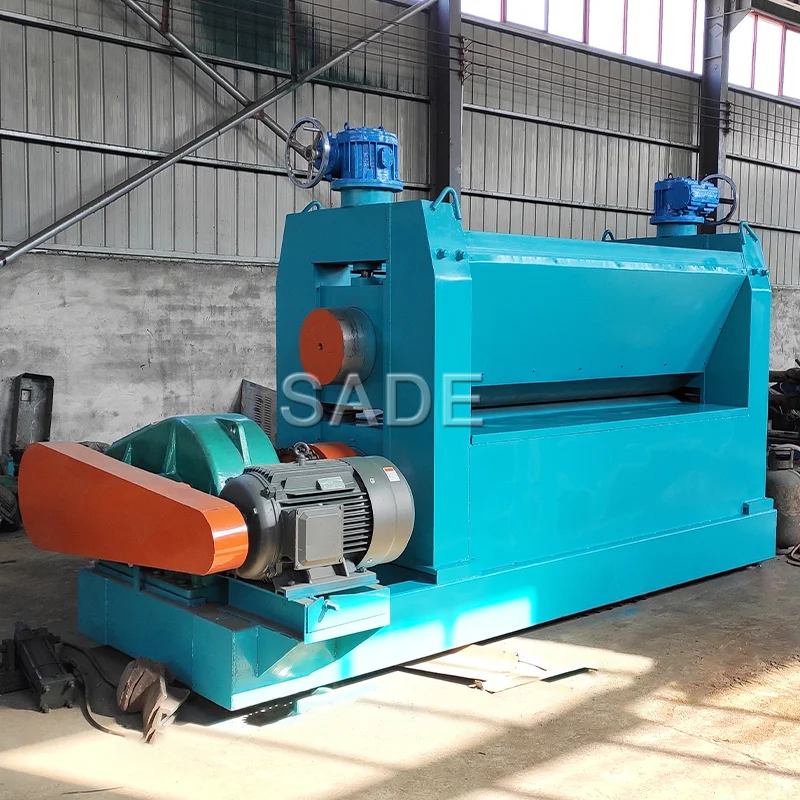
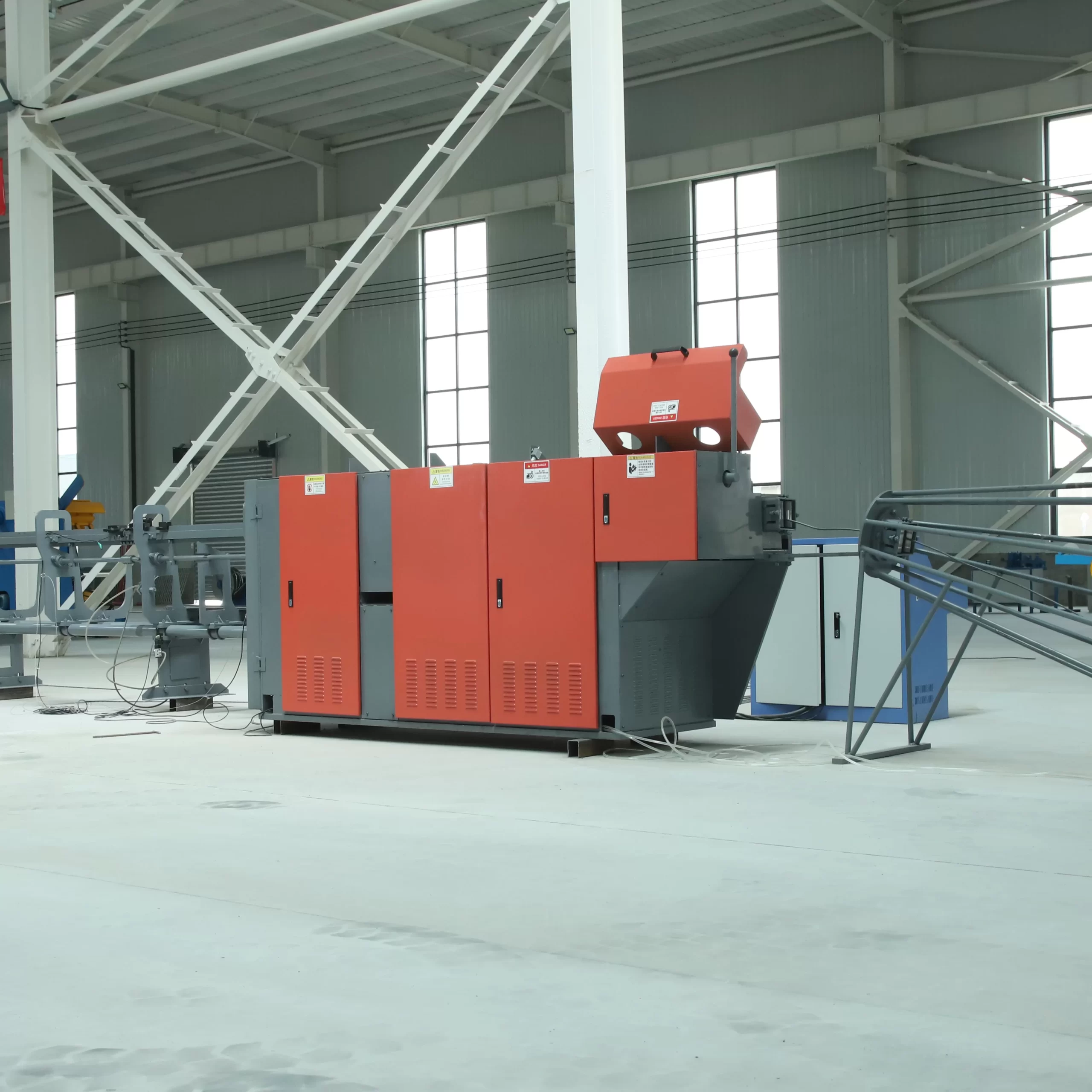
ZPJ Metal Mesh Flatting Machine
ZPJ metal mesh flatting machine is special designed for expanded metal flatting.It’s a corollary equipment of expanded metal machine. It can make expanded wire-mesh smoothly.And the flattened expanded metal have much more widely different applications.
Apr 24, 2026
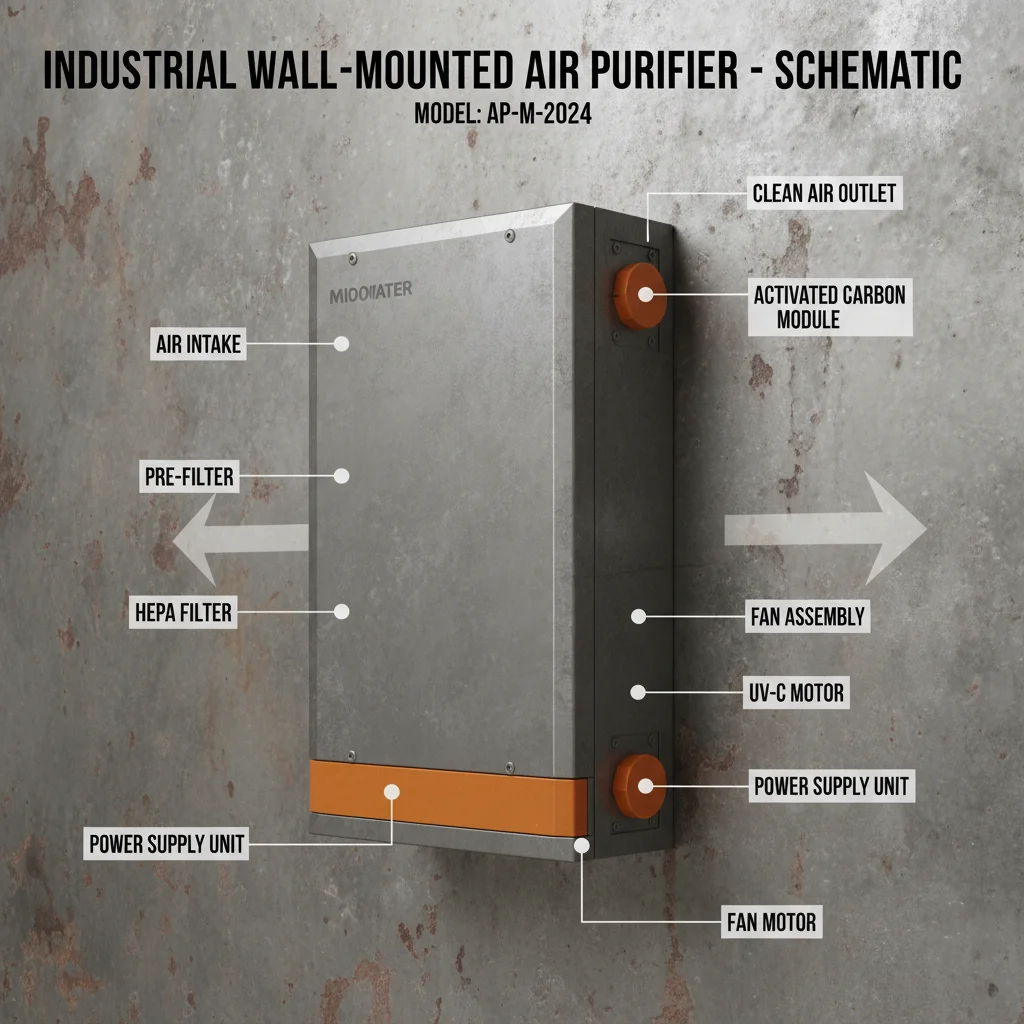
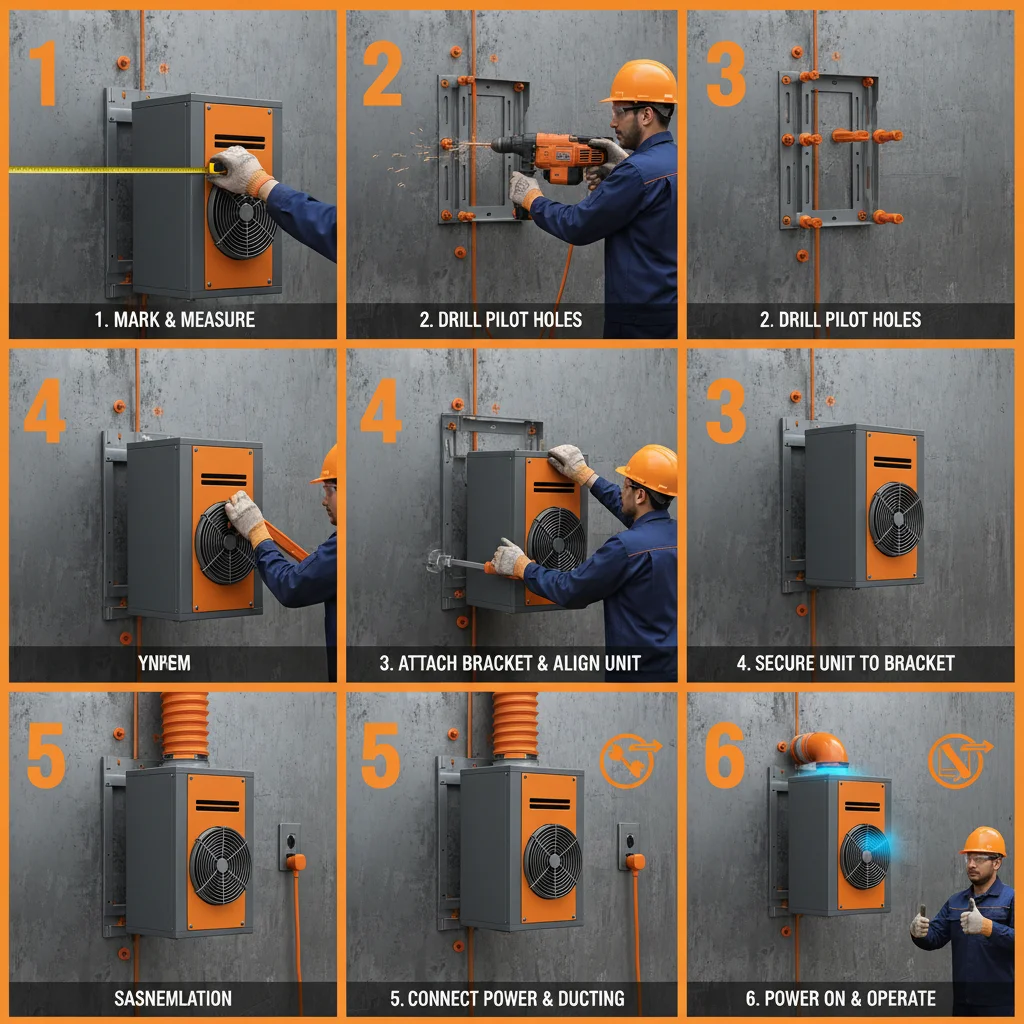
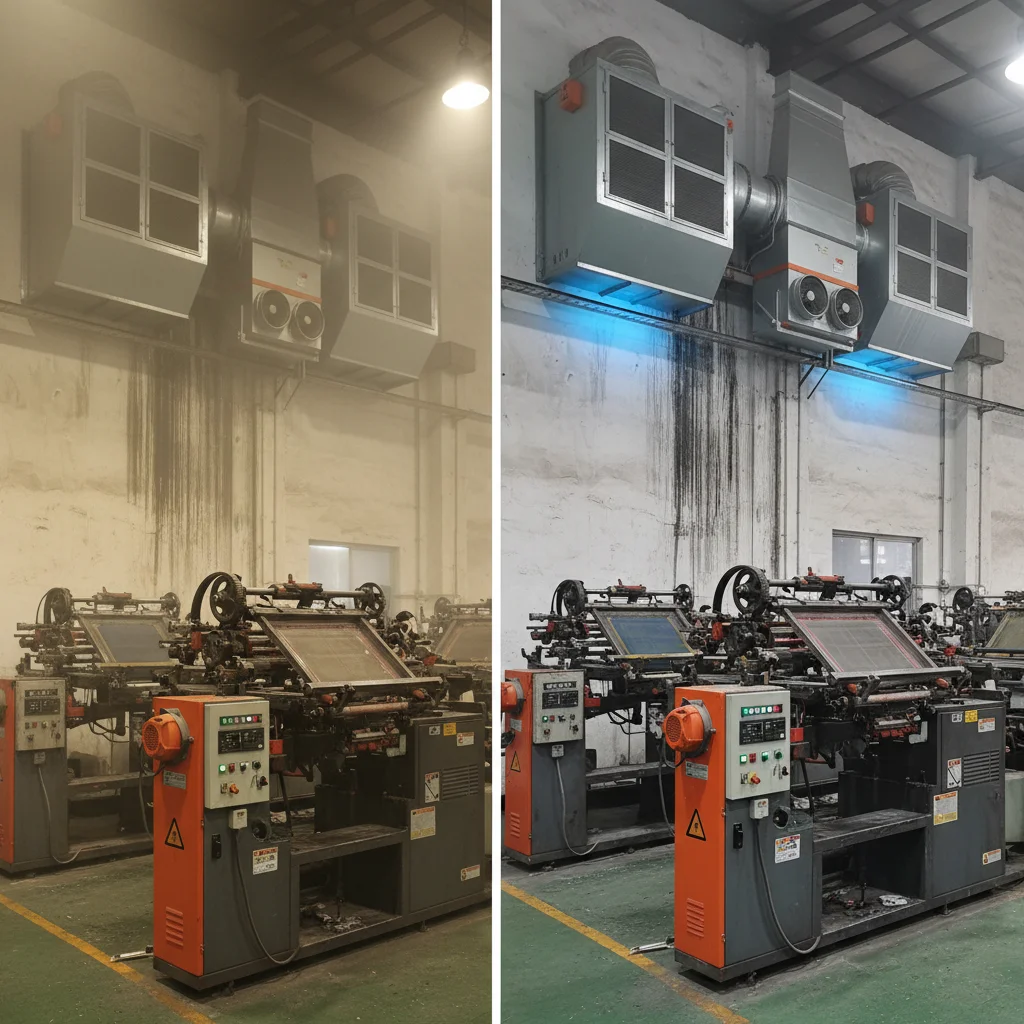
Industrial Wall Mounted Air Filtration for Clean Work Environments