
March 24, 2026
In the world of construction, fencing, and various industrial applications, welded wire mesh is a fundamental material. The efficiency and quality of this mesh are heavily reliant on the machinery used to produce it. A weld mesh making machine is a crucial investment for businesses aiming to streamline production, reduce costs, and maintain consistently high standards. This article will delve into the key features, types, considerations, and benefits of these machines, providing a comprehensive guide for potential buyers. Choosing the right machine is essential for meeting specific production needs and ensuring long-term profitability.
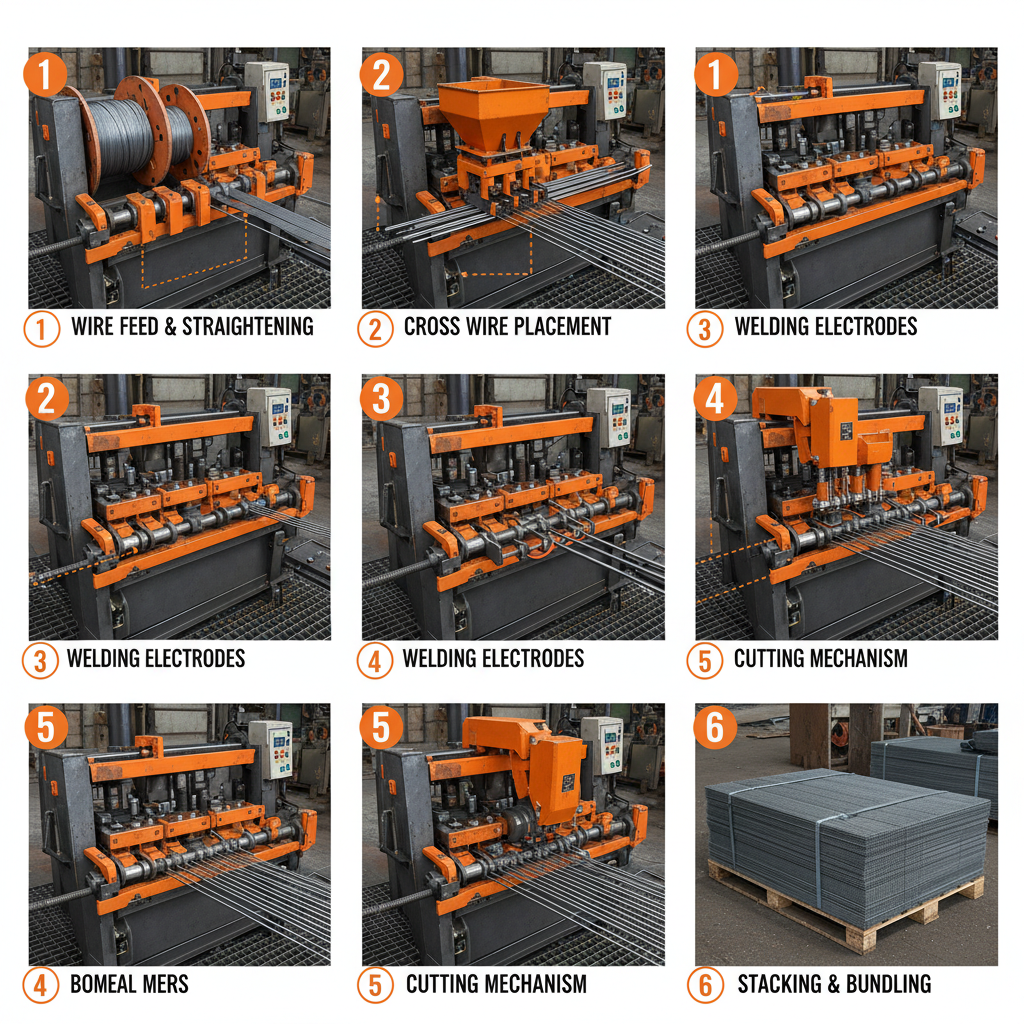
The core principle behind a weld mesh making machine involves feeding wires longitudinally and transversely through a series of rollers. These wires intersect at regular intervals, and an electric current is applied through electrodes to create a strong, permanent weld at each intersection. The process is automated, resulting in a consistently uniform mesh pattern. Modern machines often incorporate sophisticated control systems that allow for precise adjustment of welding parameters, wire spacing, and mesh dimensions. This level of control is critical for producing mesh that meets specific customer requirements. The efficiency of this process significantly reduces labor costs and increases production output.
Key Features: Automated wire feeding, precise welding control, adjustable mesh dimensions, and high production capacity.
Several types of weld mesh making machines are available, each suited to different production needs. These include:
The choice of machine depends on factors like the desired mesh type, production volume, and budget.
Machine Type Considerations:
• Production Volume
• Mesh Type
• Budget Constraints
• Automation Level
When investing in a weld mesh making machine, several features should be carefully considered. These include the machine’s welding speed, wire diameter capacity, mesh width and length capabilities, and the level of automation. A robust and reliable control system is crucial for ensuring consistent weld quality and minimizing downtime. Furthermore, the ease of maintenance and availability of spare parts are important factors to consider. The efficiency of the cooling system is also vital, especially for high-volume production runs. Proper cooling prevents overheating and ensures consistent performance.
Investing in a high-quality weld mesh making machine offers numerous benefits, including increased production efficiency, reduced labor costs, improved product quality, and enhanced profitability. Automation minimizes human error, ensuring consistent weld quality and minimizing waste. The ability to customize mesh dimensions and patterns allows businesses to cater to a wider range of customer requirements. A reliable machine also reduces downtime and maintenance costs, further contributing to overall cost savings. Furthermore, having in-house production capabilities reduces reliance on external suppliers, providing greater control over the supply chain.
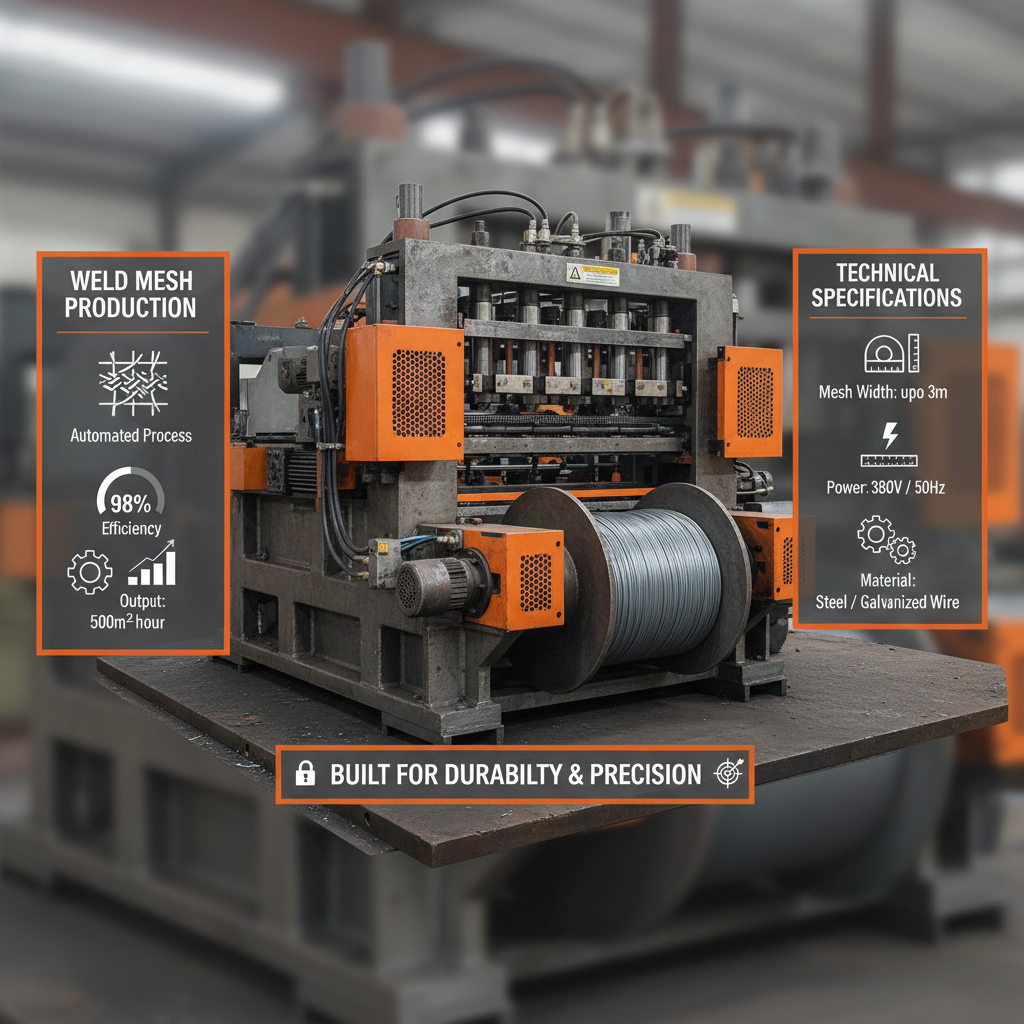
Selecting the right supplier is as important as choosing the right machine. Meshmachinery.com offers a wide range of weld mesh making machines, backed by excellent customer support and after-sales service. They provide tailored solutions to meet specific production requirements and offer competitive pricing. Their expertise and commitment to quality make them a trusted partner for businesses in the welded wire mesh industry. They offer machines with varying levels of automation and customization, along with comprehensive training and technical assistance.
A weld mesh making machine is a strategic investment that can significantly enhance a business’s production capabilities and profitability. By carefully considering the factors discussed in this article and partnering with a reputable supplier like Meshmachinery.com, businesses can ensure they choose the right machine to meet their specific needs and achieve long-term success.
Power consumption varies depending on the machine's size, automation level, and production capacity. Smaller, manual machines may consume around 5-10 kW, while larger, fully automated machines can require 20-50 kW or more. It’s crucial to factor in power requirements when planning the installation and ensure the facility has adequate electrical infrastructure. Consider energy-efficient models to reduce operating costs and minimize environmental impact. Meshmachinery.com provides detailed specifications, including power consumption, for each machine.
Regular maintenance is essential for ensuring the machine’s longevity and performance. This includes lubricating moving parts, cleaning welding electrodes, inspecting wiring and electrical components, and checking the cooling system. Routine maintenance should be performed daily or weekly, depending on usage. More comprehensive servicing, such as replacing worn-out parts, should be carried out annually or as needed. Meshmachinery.com provides detailed maintenance manuals and offers maintenance service packages.
Weld mesh making machines are typically compatible with a wide range of wire materials, including carbon steel, stainless steel, galvanized steel, and other alloys. The specific wire type and diameter capacity will depend on the machine’s design. It's essential to use wire that meets the machine’s specifications to ensure optimal weld quality and prevent damage to the machine. Meshmachinery.com can provide guidance on selecting the appropriate wire for specific applications.
Safety is paramount when operating a weld mesh making machine. Important safety features include emergency stop buttons, overload protection, safety guards around moving parts, and proper grounding. Operators should always wear appropriate personal protective equipment (PPE), such as safety glasses, gloves, and ear protection. Meshmachinery.com prioritizes safety in its machine designs and ensures compliance with relevant safety standards.
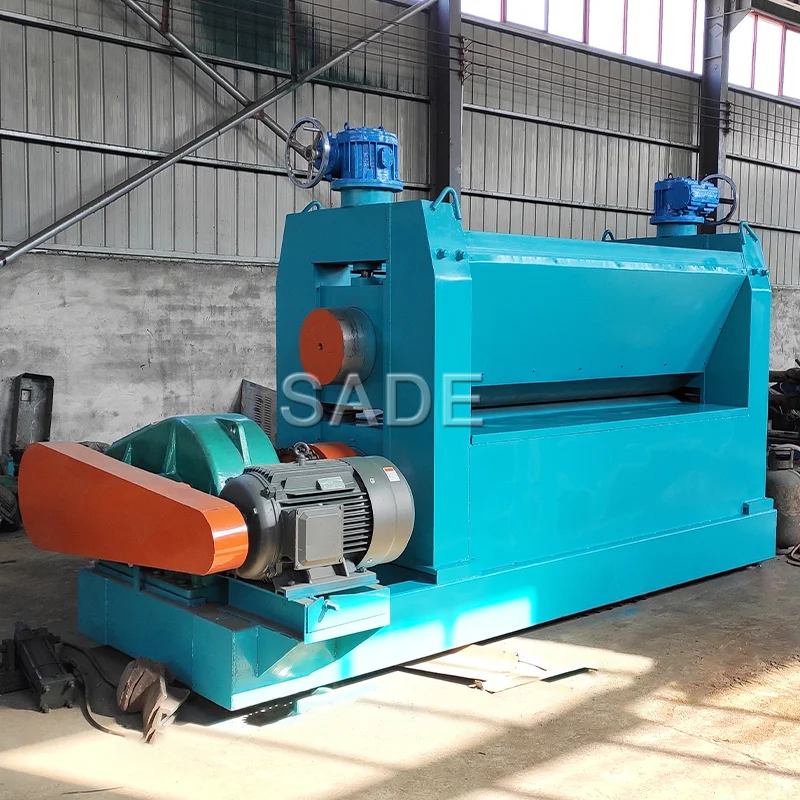
ZPJ Metal Mesh Flatting Machine
ZPJ metal mesh flatting machine is special designed for expanded metal flatting.It’s a corollary equipment of expanded metal machine. It can make expanded wire-mesh smoothly.And the flattened expanded metal have much more widely different applications.
Apr 24, 2026
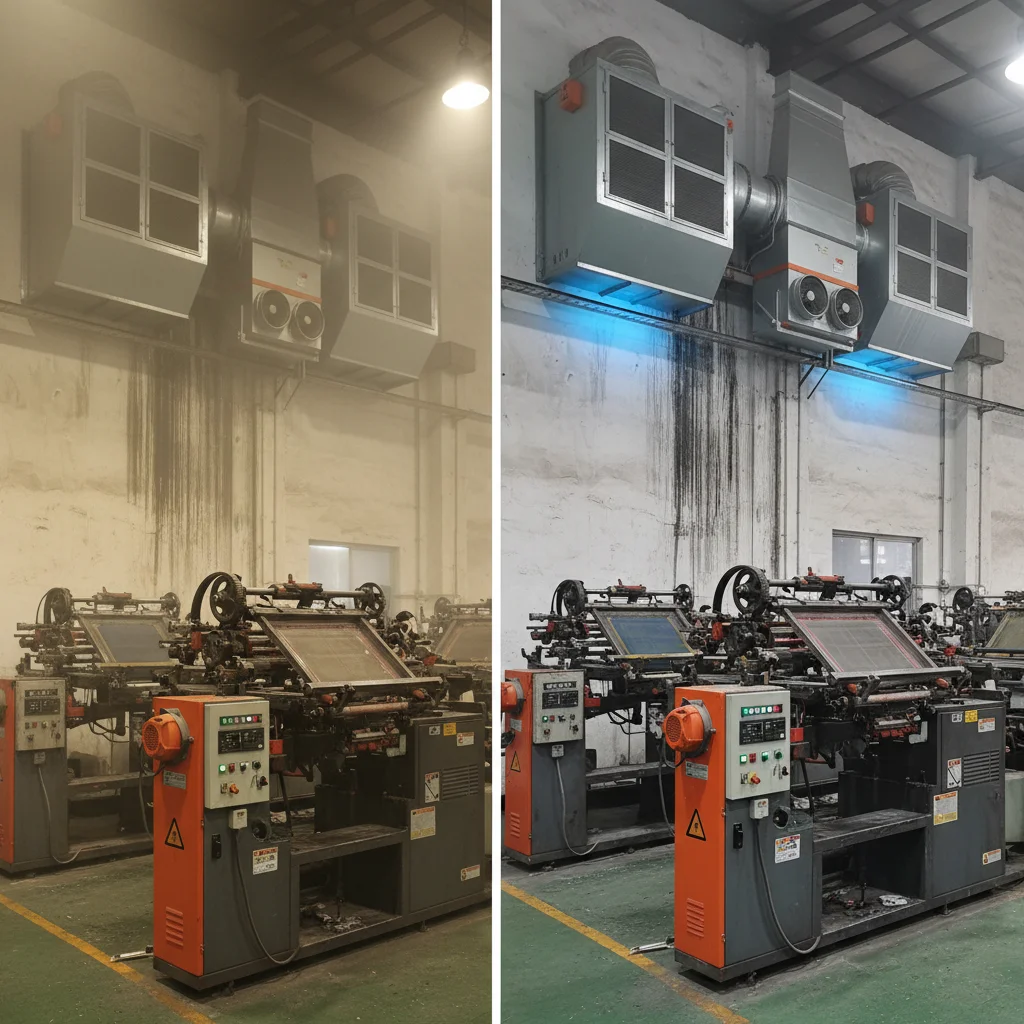
Industrial Wall Mounted Air Filtration for Clean Work Environments