
March 24, 2026
The demand for stainless steel wire mesh is consistently growing across numerous industries, including filtration, security, architecture, and beyond. Meeting this demand efficiently and with high-quality products requires robust and reliable machinery. A stainless steel wire mesh making machine is a crucial investment for manufacturers aiming to capitalize on this expanding market. This article provides an in-depth look at these machines, covering their types, features, applications, and considerations for choosing the right one. We’ll explore how investing in a quality machine can streamline production, reduce costs, and deliver superior mesh products.
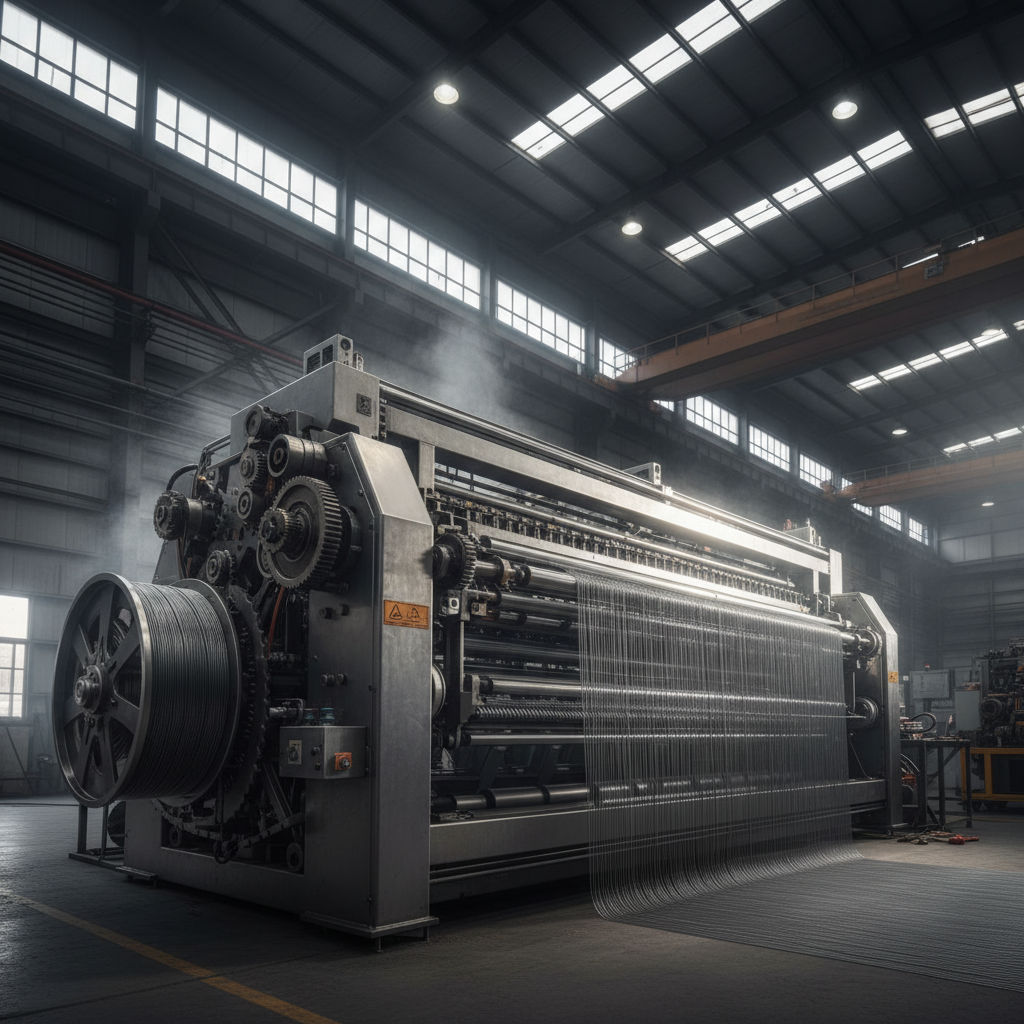
Stainless steel wire mesh is produced using various methods, each requiring a specialized machine. The most common types include weaving machines, welding machines, and knitting machines. Weaving machines interlace wires at right angles to create a mesh, while welding machines fuse wires together using electrical resistance. Knitting machines create a looped mesh structure. The choice of machine depends on the desired mesh characteristics, such as aperture size, wire diameter, and overall structural integrity. Each type offers different advantages in terms of production speed, mesh quality, and cost-effectiveness.
Key Considerations: Choosing the right machine depends on the desired mesh type, production volume, and budget. Consider the versatility of the machine and its ability to handle different wire materials and mesh specifications.
Modern stainless steel wire mesh making machines are equipped with advanced features designed to optimize performance and efficiency. These features typically include automated wire feeding systems, precise tension control mechanisms, and programmable logic controllers (PLCs) for accurate operation. Many machines also incorporate sensors and monitoring systems to detect and prevent errors, ensuring consistent mesh quality. Furthermore, advanced models offer features like automatic mesh coiling and cutting, minimizing manual intervention and increasing throughput. Look for machines with user-friendly interfaces and comprehensive safety features.
Choosing between weaving and welding machines involves carefully evaluating their respective strengths and weaknesses. Weaving generally produces a more flexible and aesthetically pleasing mesh, suitable for applications like filtration and insect screens. Welding, on the other hand, yields a more rigid and durable mesh, ideal for security fencing and architectural applications. The initial investment cost for welding machines can often be lower, but weaving machines may offer greater versatility in terms of mesh patterns and wire materials. Consider the specific requirements of your target market when making this decision.
Several factors should guide your decision when selecting a stainless steel wire mesh making machine. Production capacity is paramount – ensure the machine can meet your current and projected demand. The range of mesh specifications the machine can produce (aperture size, wire diameter, etc.) is also critical. Furthermore, consider the machine's energy efficiency, maintenance requirements, and the availability of spare parts. Finally, a reputable supplier offering comprehensive after-sales support and technical assistance is invaluable.
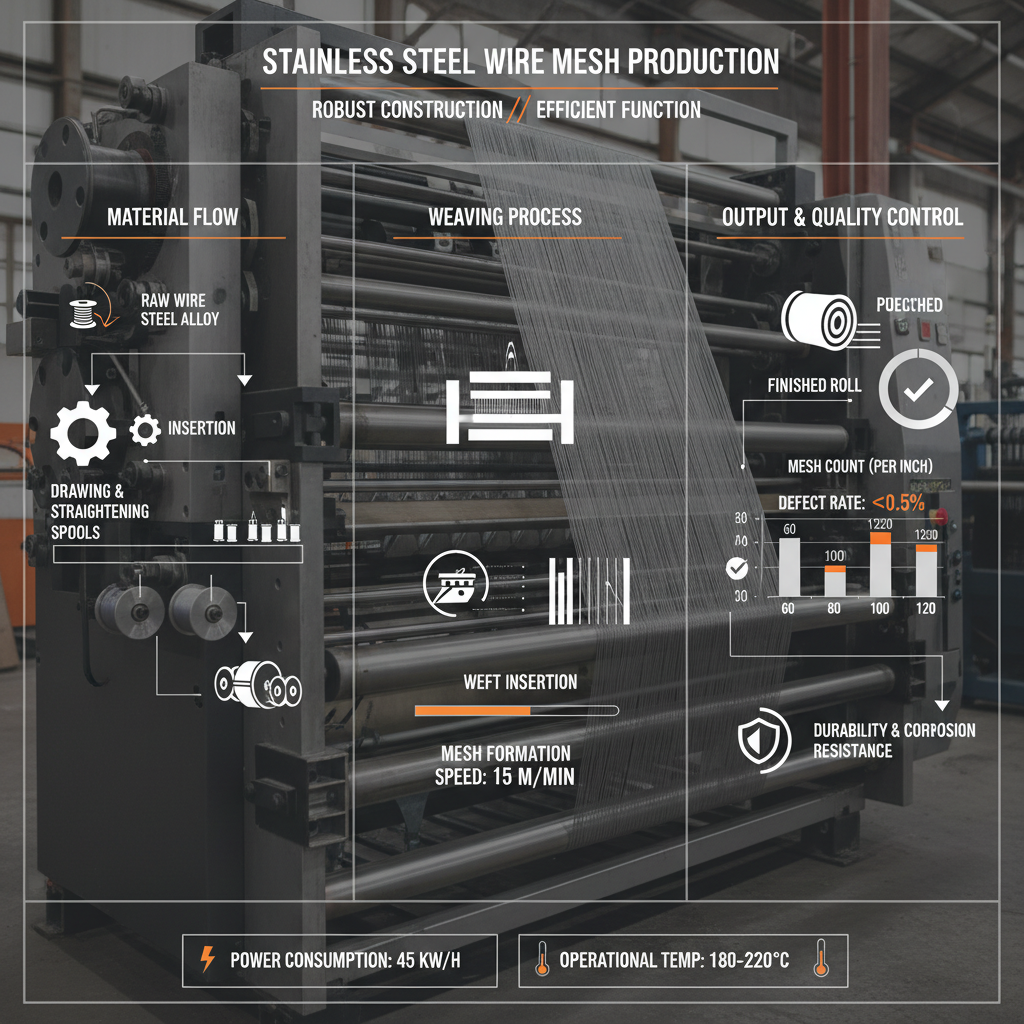
Investing in a high-quality stainless steel wire mesh making machine is a significant decision. To maximize your return on investment (ROI), prioritize machines with robust construction, reliable components, and efficient operation. Regular maintenance, as recommended by the manufacturer, is crucial for extending the machine's lifespan and preventing costly downtime. Consider machines with upgradeable features or modular designs, allowing you to adapt to changing market demands and technological advancements. By selecting a machine that is both durable and adaptable, you can future-proof your investment and maintain a competitive edge.
Selecting the right stainless steel wire mesh making machine requires careful consideration of your specific needs and market demands. By understanding the different types of machines, key features, and crucial factors, you can make an informed decision that will optimize your production process, enhance product quality, and drive long-term success. Don’t hesitate to consult with experts and explore available options to find the perfect solution for your business.
Power consumption varies significantly depending on the machine's size, type, and automation level. Smaller weaving machines might consume around 3-5kW, while larger, fully automated welding machines can require 15kW or more. It's crucial to check the machine's specifications for accurate power requirements and ensure your facility can provide adequate electrical capacity. Energy-efficient models are available and can help reduce operating costs over the long term.
Regular maintenance is essential for ensuring optimal performance and longevity. This typically includes daily lubrication of moving parts, periodic cleaning to remove wire debris, and regular inspection of wear components. Annual professional maintenance by a qualified technician is also recommended to check and adjust critical settings. Following the manufacturer's maintenance schedule is crucial for preventing breakdowns and maximizing uptime.
Safety should be a top priority. Look for machines with features like emergency stop buttons, safety guards around moving parts, and overload protection systems. Automatic shut-off mechanisms in case of wire breakage or other malfunctions are also essential. Proper training for operators on safe operating procedures is equally important. A machine that prioritizes safety will help protect your workforce and minimize the risk of accidents.
Lead times can vary depending on the machine's complexity and the manufacturer's production schedule. Generally, lead times range from 4 to 12 weeks. Custom-built machines or those with specific modifications may require longer lead times. It’s best to inquire with the supplier directly to get an accurate estimate based on your specific requirements. Planning ahead and placing your order well in advance is recommended to ensure timely delivery.
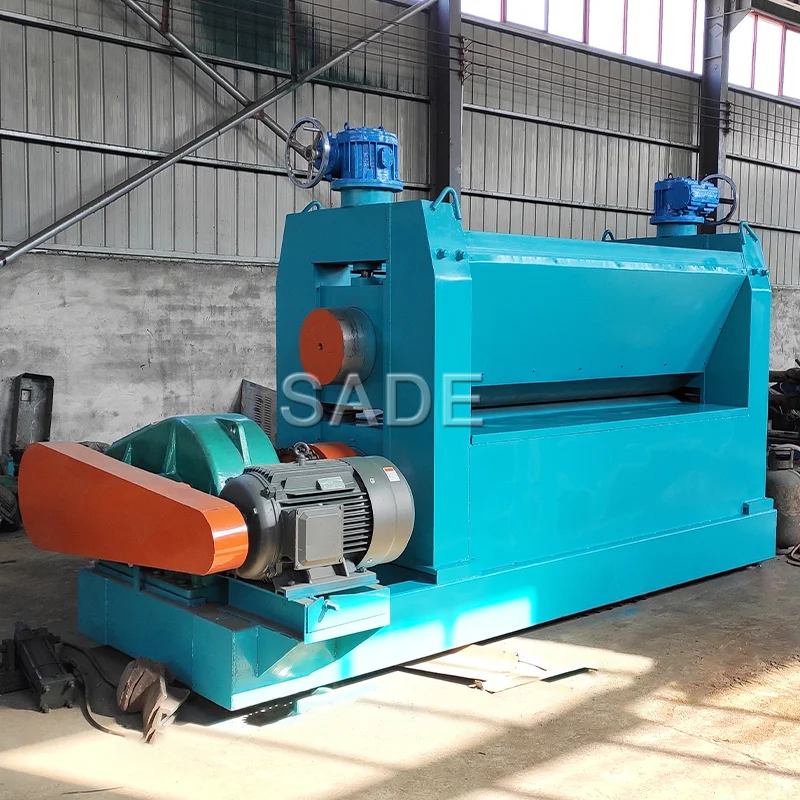
ZPJ Metal Mesh Flatting Machine
ZPJ metal mesh flatting machine is special designed for expanded metal flatting.It’s a corollary equipment of expanded metal machine. It can make expanded wire-mesh smoothly.And the flattened expanded metal have much more widely different applications.
Apr 24, 2026
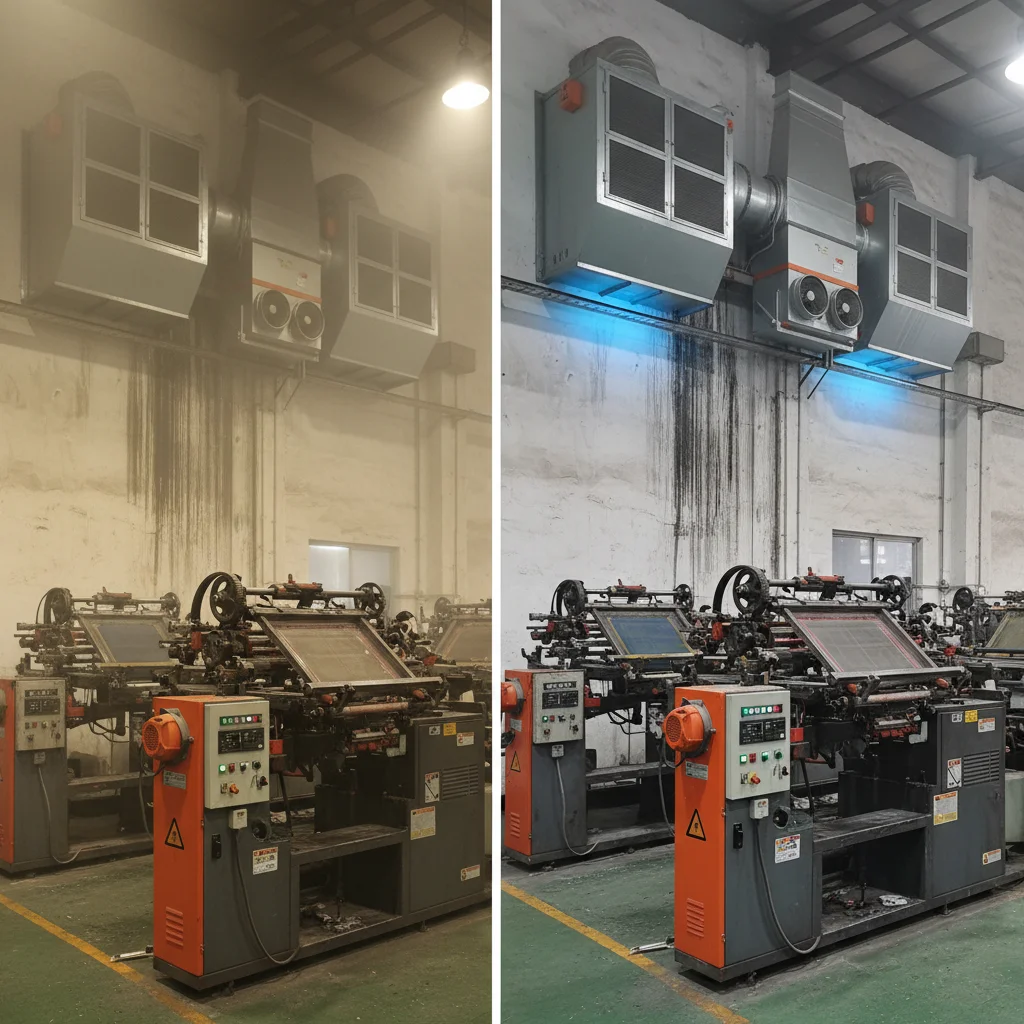
Industrial Wall Mounted Air Filtration for Clean Work Environments