
March 19, 2026
The demand for chicken wire mesh is consistently high across various sectors like agriculture, construction, and security. Efficient and reliable production is key to meeting this demand. A chicken wire mesh making machine is a vital investment for manufacturers seeking to streamline their operations and produce high-quality mesh. This article provides a comprehensive overview of these machines, exploring their features, types, considerations for purchase, and the benefits they offer. We’ll delve into how choosing the right machine can boost your production capabilities and overall profitability.
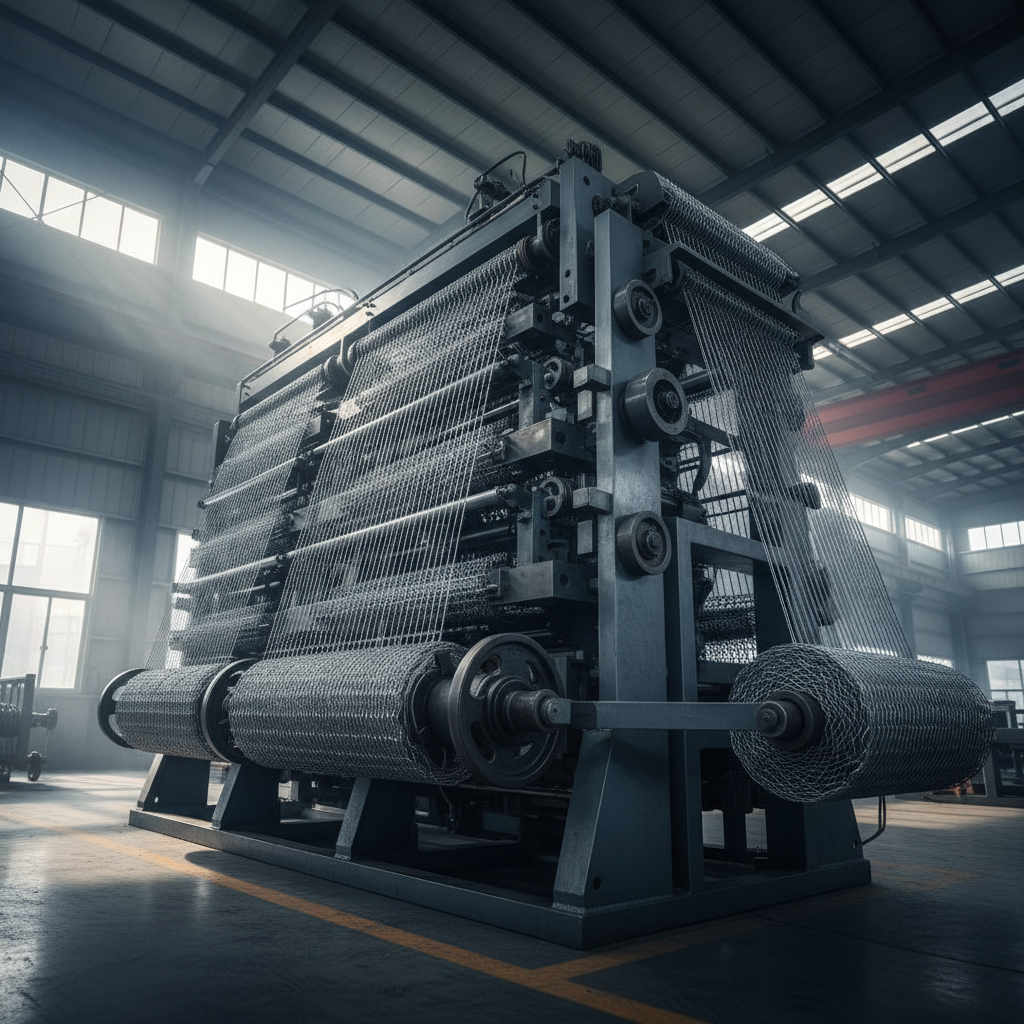
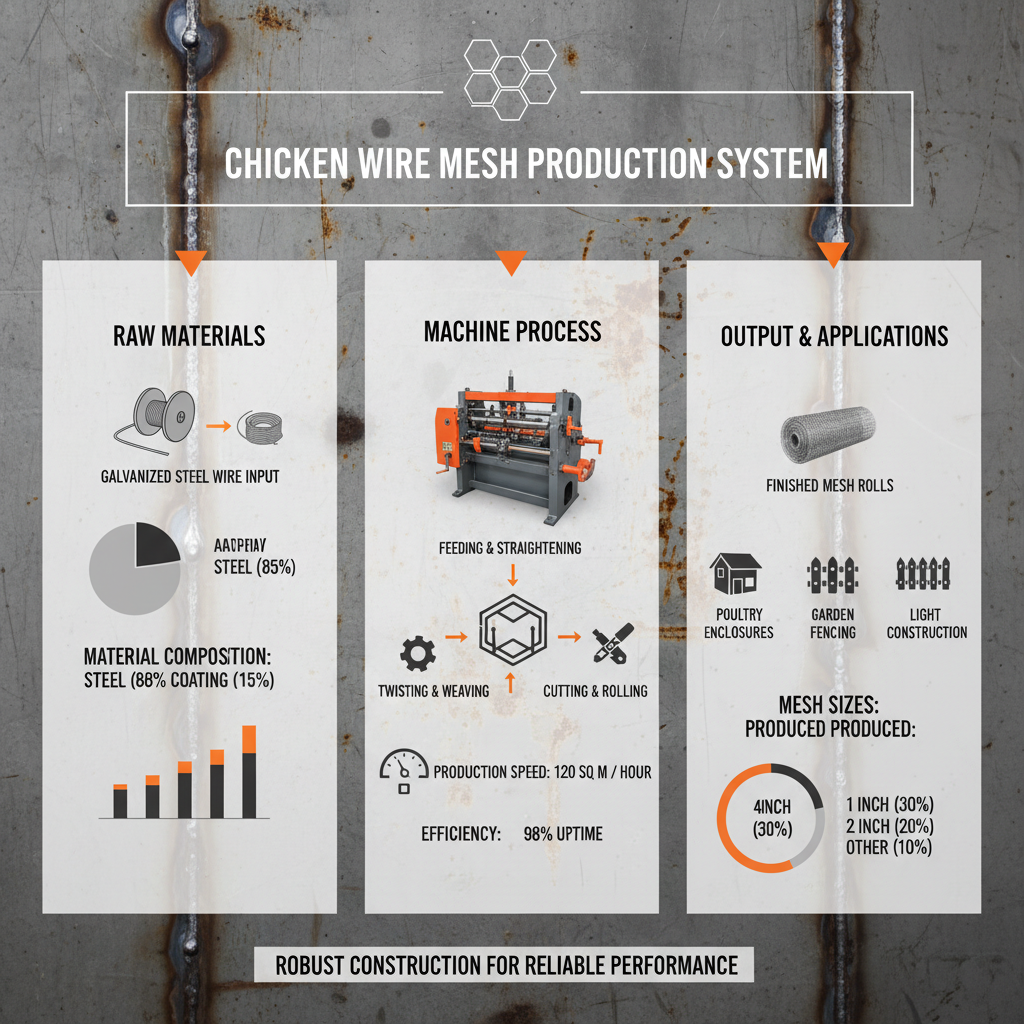
At its core, a chicken wire mesh making machine automates the process of interweaving wires to create a hexagonal pattern. The machine typically consists of a wire feeding system, a twisting mechanism, and a winding system. The process begins with feeding galvanized iron wire, or other suitable materials, into the machine. The wire is then twisted around pre-formed rods, creating the characteristic hexagonal openings. Finally, the completed mesh is wound onto a reel for easy handling and transportation. Modern machines often incorporate computer controls for precise adjustments to mesh size, wire diameter, and production speed. The efficiency of these machines significantly reduces labor costs and increases production output compared to manual methods.
Key Benefits: Reduced labor costs, increased production speed, consistent mesh quality, and precise control over mesh specifications.
Chicken wire mesh making machines come in various configurations, each suited for different production scales and requirements. The primary types include:
The choice of machine depends on your production volume, budget, and desired level of automation.
Key Considerations When Choosing a Machine:
• Production Capacity: Determine the required output to match your business needs.
• Wire Diameter Range: Ensure the machine can accommodate the wire thickness you intend to use.
• Mesh Size: Verify the machine can produce the desired mesh opening sizes.
• Automation Level: Select a machine that aligns with your budget and labor resources.
Understanding the specifications of different machines is vital for making an informed decision. Here’s a comparison table highlighting key specifications for different types of machines:
Investing in a reputable chicken wire mesh making machine from a trusted supplier, like Mesh Machinery, offers numerous advantages. These include increased production efficiency, reduced labor costs, consistent product quality, and the ability to meet growing market demands. Furthermore, durable and well-maintained machines contribute to long-term cost savings and a stronger competitive position in the market. Regular maintenance and the use of genuine spare parts are crucial for maximizing the lifespan and performance of your investment.
Selecting the right supplier is as important as choosing the right machine. Mesh Machinery is a leading provider of high-quality chicken wire mesh making machines, offering a wide range of models to suit diverse needs. We pride ourselves on providing excellent customer support, competitive pricing, and reliable after-sales service. Our experienced team can assist you in selecting the optimal machine for your specific requirements and provide comprehensive training and technical support.
Investing in a quality chicken wire mesh making machine is a strategic move for any manufacturer looking to enhance efficiency, reduce costs, and improve product quality. Partnering with a reputable supplier like Mesh Machinery ensures you receive the best possible equipment and support for your long-term success.
Regular maintenance is crucial for ensuring the longevity and optimal performance of your machine. This includes daily lubrication of moving parts, regular cleaning to remove wire debris, and periodic inspection of belts, gears, and electrical components. Checking and tightening bolts and screws is also essential. Following the manufacturer's recommended maintenance schedule and using genuine spare parts will help prevent breakdowns and minimize downtime. Mesh Machinery provides comprehensive maintenance guides and support.
Most chicken wire mesh making machines are designed to work with galvanized iron wire, but some can also accommodate stainless steel wire, PVC-coated wire, and other materials. The wire diameter range is a critical specification to consider. Ensure the machine you choose is compatible with the type and thickness of wire you intend to use. Using incompatible wire can damage the machine and void the warranty.
The payback period for a fully automatic chicken wire mesh making machine varies depending on production volume, labor costs, and market demand. However, due to significantly reduced labor costs and increased production capacity, the payback period typically ranges from 1 to 3 years. A detailed cost-benefit analysis should be conducted to determine the specific payback period for your business. Mesh Machinery can assist with this analysis.
Yes, Mesh Machinery provides comprehensive installation and training services. Our experienced technicians will install the machine at your facility and provide thorough training to your operators. We also offer ongoing technical support and maintenance services to ensure your machine continues to operate efficiently and reliably.
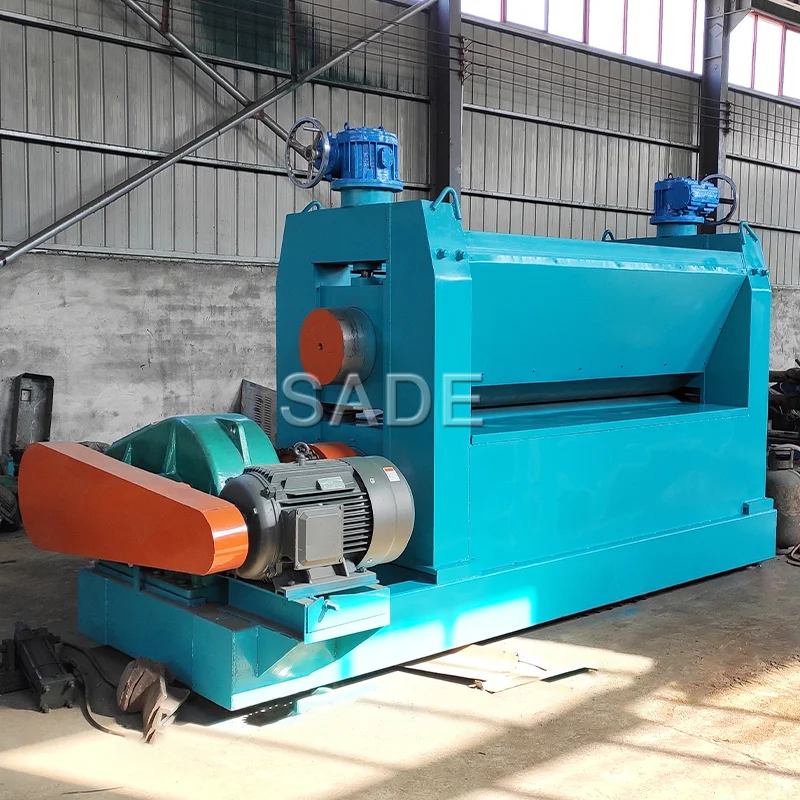
ZPJ Metal Mesh Flatting Machine
ZPJ metal mesh flatting machine is special designed for expanded metal flatting.It’s a corollary equipment of expanded metal machine. It can make expanded wire-mesh smoothly.And the flattened expanded metal have much more widely different applications.
Apr 24, 2026
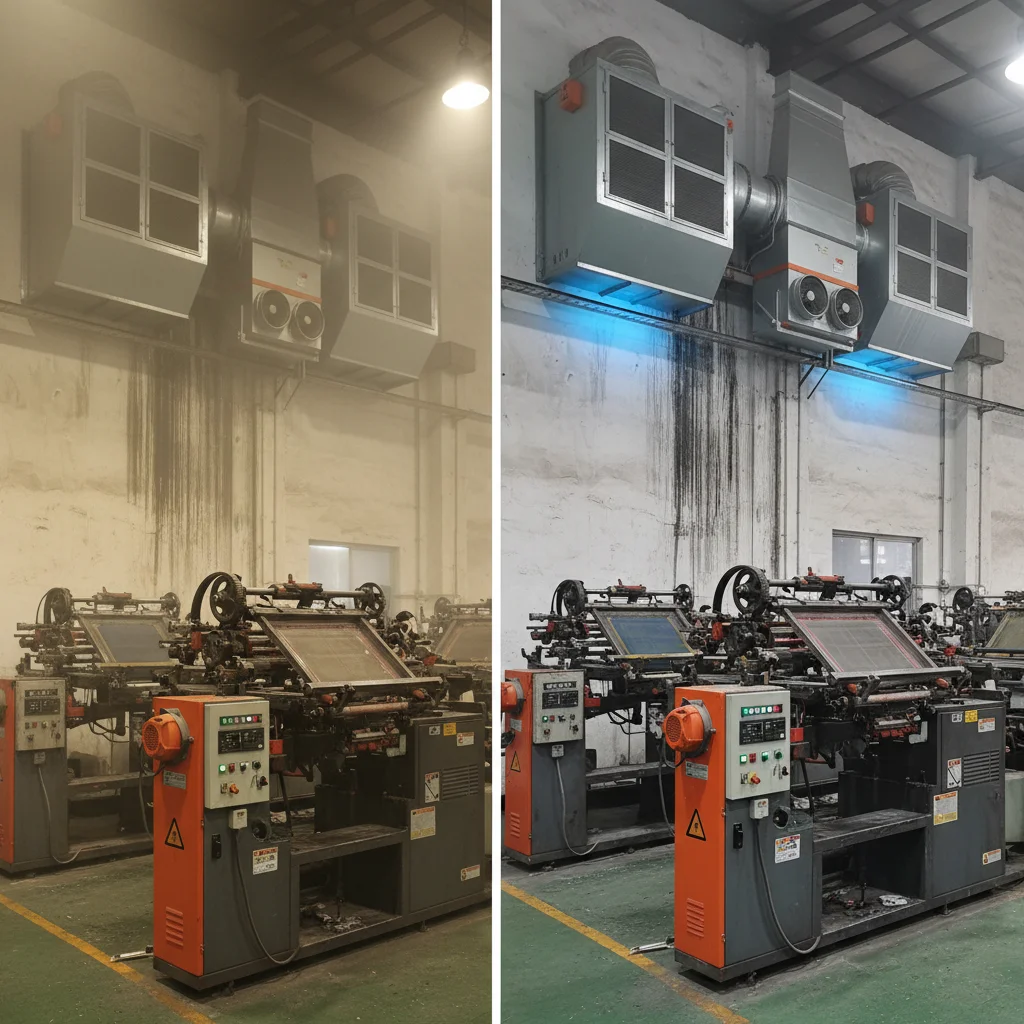
Industrial Wall Mounted Air Filtration for Clean Work Environments