
March 19, 2026
The demand for diamond mesh is steadily increasing across various industries, including filtration, security, and architectural design. A diamond mesh making machine is a crucial investment for businesses looking to capitalize on this growing market. This article provides a detailed overview of these machines, their applications, key features, and what to consider when choosing the right one for your needs. Understanding the intricacies of these machines will empower you to make an informed decision and optimize your production process.
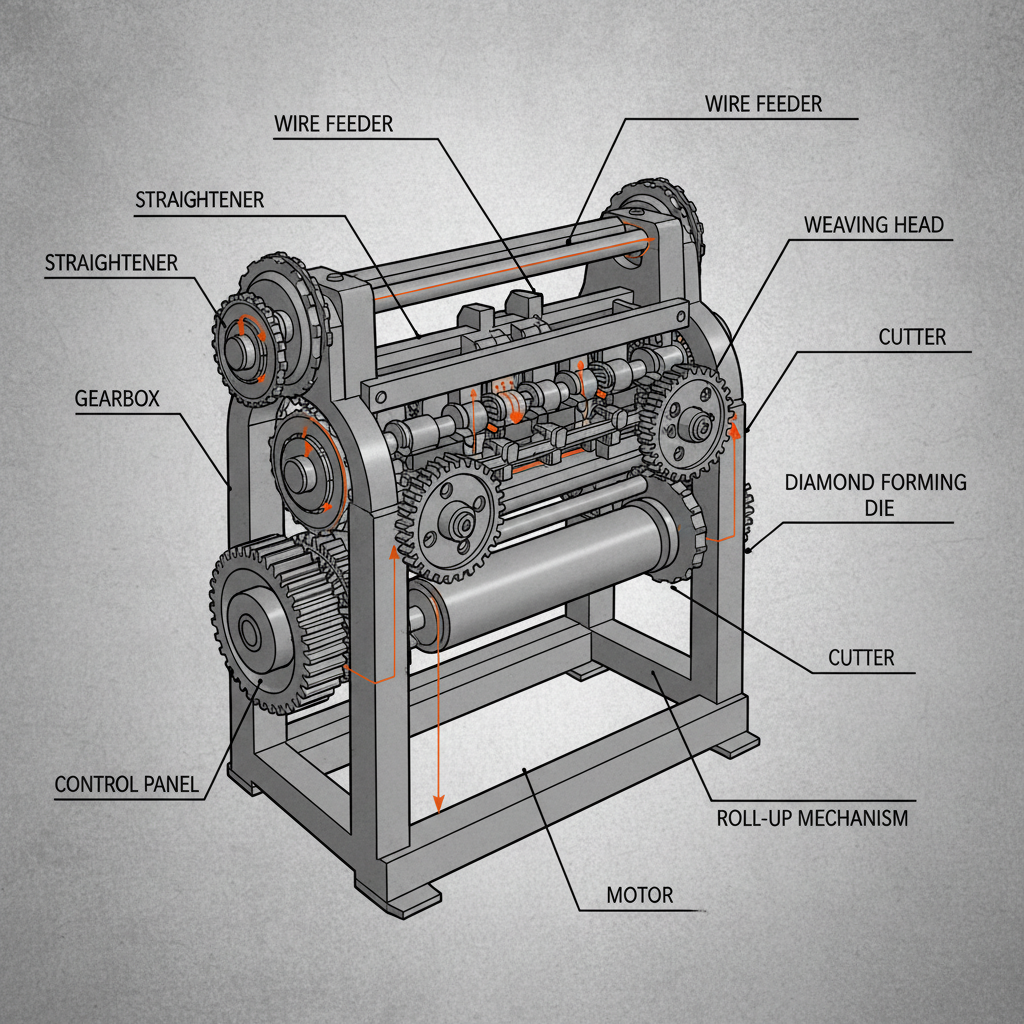
Diamond mesh, also known as rhombic mesh, is characterized by its unique diamond-shaped openings. This distinct pattern offers several advantages, including enhanced strength, efficient filtration, and aesthetic appeal. Applications are diverse: from creating robust filters for industrial processes to providing secure fencing solutions and adding unique architectural elements. The growing need for high-performance filtration systems in sectors like water treatment and chemical processing is a primary driver of diamond mesh demand. Security applications benefit from its difficult-to-climb structure.
Modern diamond mesh making machines boast advanced features that ensure efficiency and precision. These include: automated wire feeding systems, computer numerical control (CNC) technology for accurate cutting and weaving, adjustable parameters to control mesh size and diamond shape, and robust construction for long-term durability. Look for machines with user-friendly interfaces and safety features like emergency stop buttons. Many also integrate quality control systems to detect and reject defective mesh segments.
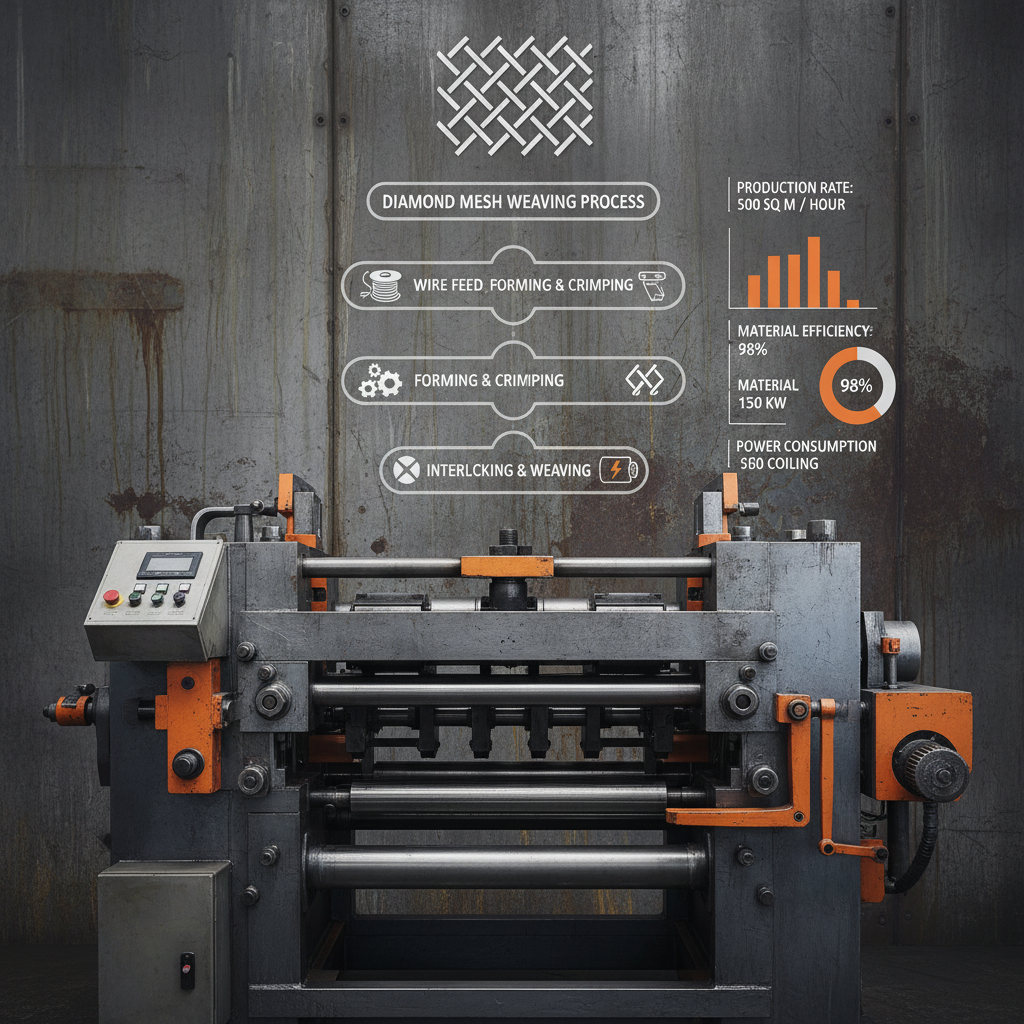
Several types of machines cater to different production needs and budgets. These can be broadly classified as: Fully Automatic Machines - these machines require minimal human intervention and are ideal for large-scale production. Semi-Automatic Machines – offering a balance between automation and manual control, they are suitable for medium-sized operations. Manual Machines – These are less expensive but require significant manual labor and are best for small-batch production or prototyping. Choosing the right type depends on your production volume, budget, and skill level of your workforce.
Key Considerations: Machine type, production capacity, material compatibility (stainless steel, aluminum, etc.), automation level, and budget.
When evaluating different machines, carefully compare their specifications. Here’s a comparison table highlighting key differences between common models:
Selecting a reputable supplier is paramount. Look for companies with a proven track record, positive customer reviews, and comprehensive after-sales support. Mesh Machinery offers a wide range of diamond mesh making machines, backed by expert engineering and dedicated customer service. Inquire about warranties, training programs, and availability of spare parts to ensure a smooth and efficient operation. A reliable supplier will provide ongoing support to maximize your investment.
Investing in a quality diamond mesh making machine is a strategic move for businesses seeking to capitalize on the growing demand for this versatile material. By carefully considering your production needs, budget, and supplier reputation, you can ensure a successful and profitable venture.
Most diamond mesh making machines are designed to handle a variety of materials, including stainless steel (304, 316), galvanized steel, aluminum, and even specialized alloys. The choice of material depends on the intended application of the mesh. For example, stainless steel is preferred for applications requiring corrosion resistance, while aluminum is often used for lighter-weight applications. Always confirm material compatibility with the machine manufacturer before operation.
Regular maintenance is crucial for ensuring the longevity and optimal performance of your machine. A typical maintenance schedule includes daily lubrication of moving parts, weekly inspection of belts and gears, monthly cleaning of the machine's interior, and annual professional servicing. It’s essential to follow the manufacturer’s recommendations for specific maintenance procedures and intervals. Proper maintenance can prevent costly breakdowns and extend the machine's lifespan.
Safety is paramount when operating any industrial machinery. Always wear appropriate personal protective equipment (PPE), including safety glasses, gloves, and ear protection. Ensure the machine's safety guards are in place and functioning correctly. Never operate the machine without proper training and understanding of its operating procedures. Regularly inspect the machine for any signs of damage or malfunction and report any issues immediately. Always follow lockout/tagout procedures during maintenance and repairs.
Delivery times can vary depending on the machine model, customization requirements, and the supplier's location. Generally, standard machines are delivered within 4-8 weeks after order confirmation. Customized machines may require a longer lead time, typically 8-12 weeks. Mesh Machinery provides accurate delivery estimates during the quoting process and keeps customers informed throughout the production and shipping stages.
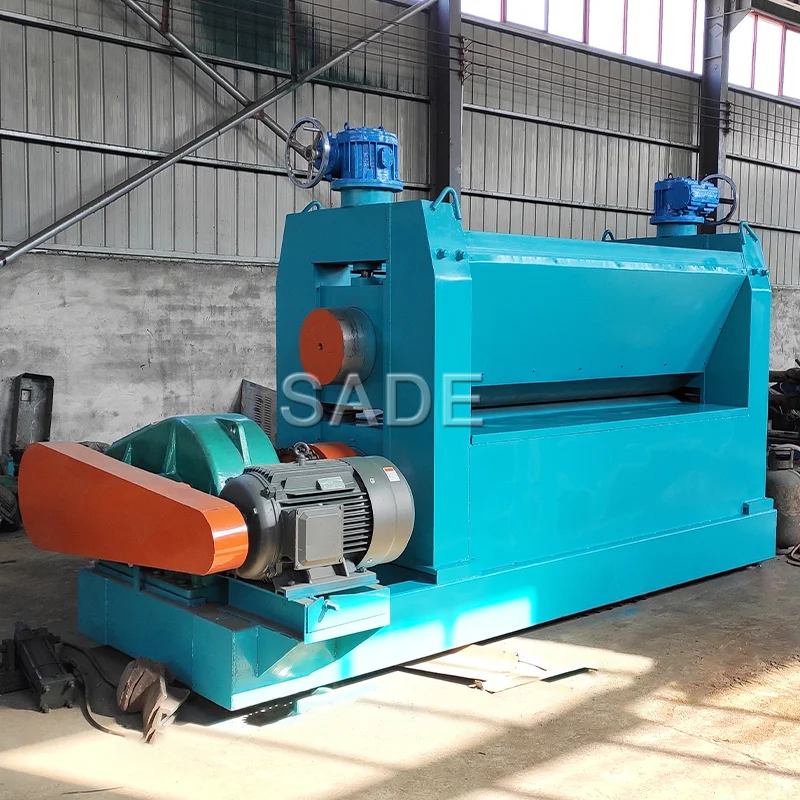
ZPJ Metal Mesh Flatting Machine
ZPJ metal mesh flatting machine is special designed for expanded metal flatting.It’s a corollary equipment of expanded metal machine. It can make expanded wire-mesh smoothly.And the flattened expanded metal have much more widely different applications.
Apr 24, 2026
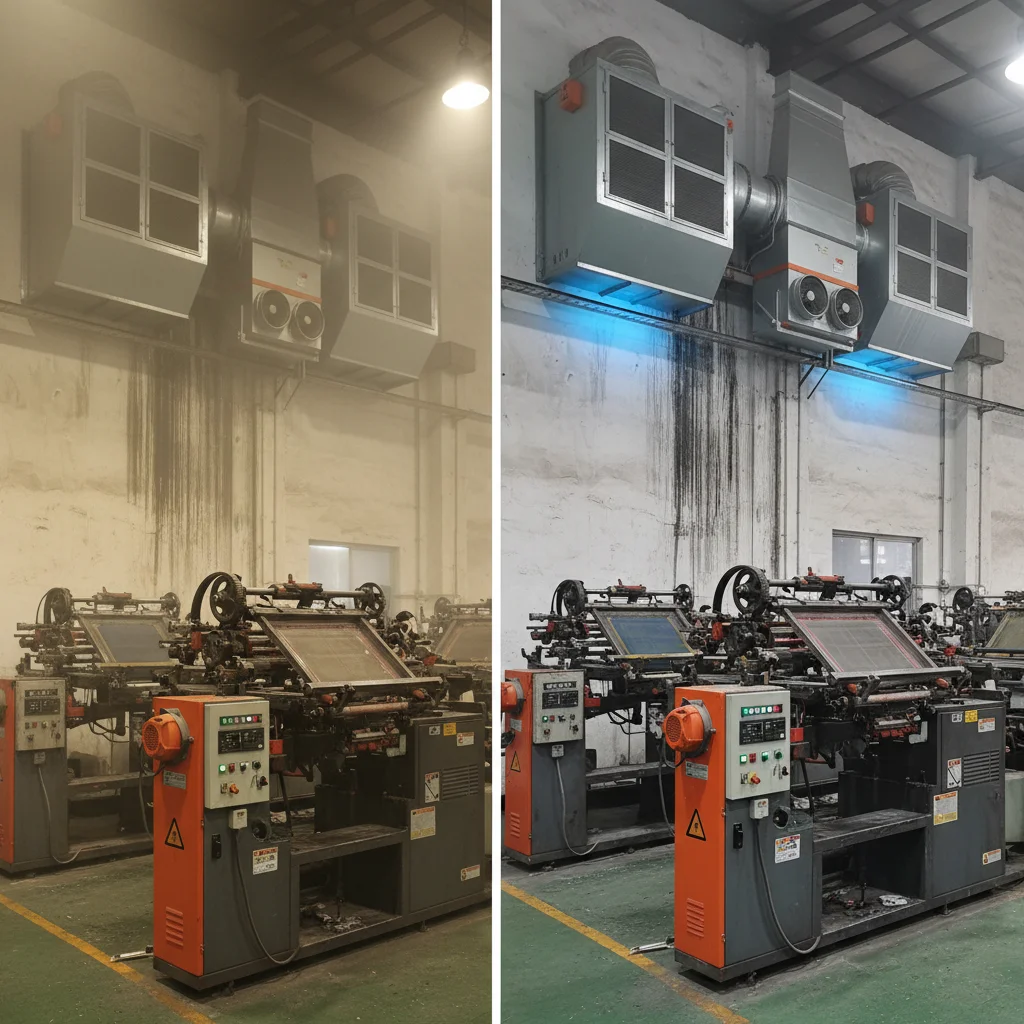
Industrial Wall Mounted Air Filtration for Clean Work Environments