
March 10, 2026
The demand for high-quality fencing solutions is constantly growing across various sectors including agriculture, security, and infrastructure. A diamond mesh fence making machine is a crucial investment for businesses looking to efficiently and effectively produce this widely used product. This article will provide a thorough overview of these machines, covering their features, types, applications, and key considerations when making a purchase. Understanding the nuances of these machines is vital to maximizing production efficiency and product quality.
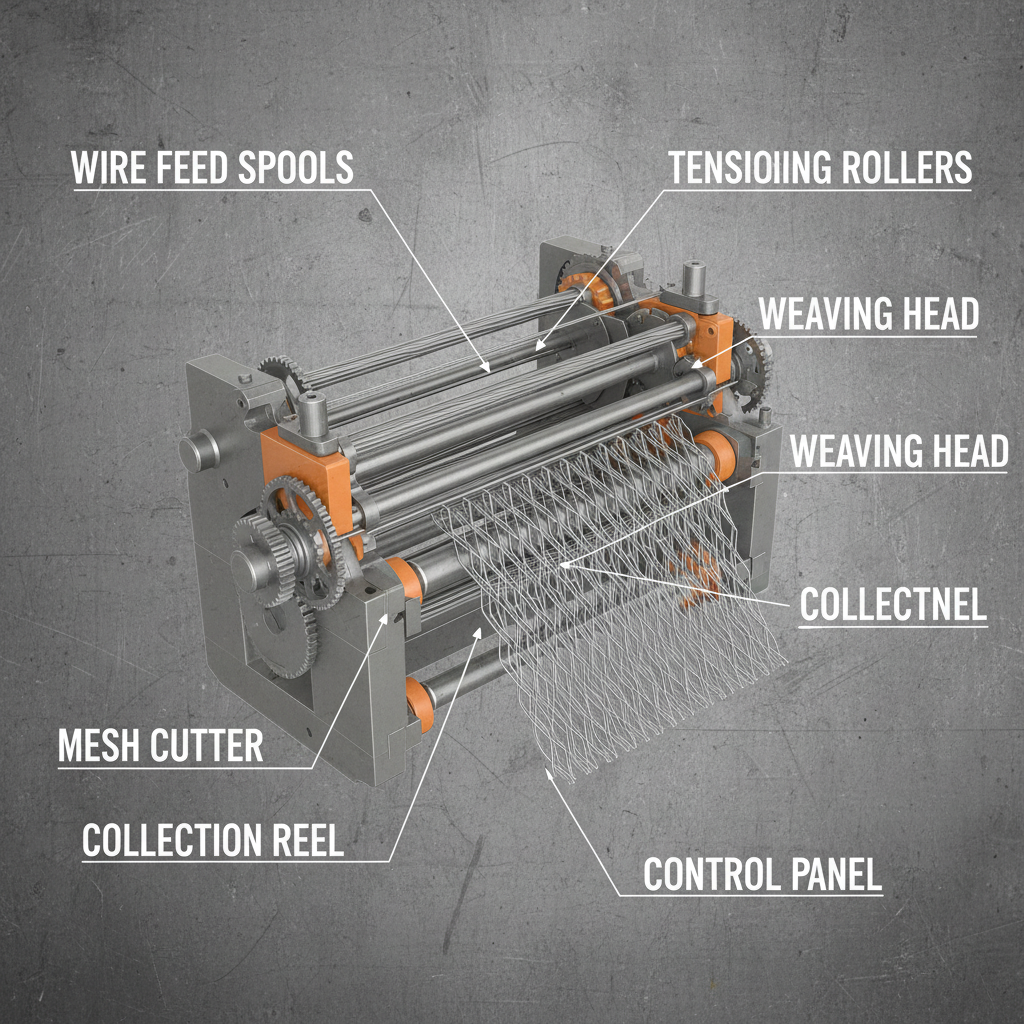
Diamond mesh fence making machines, also known as chain link fence machines, are automated systems designed to weave metal wire into a durable, interlocking diamond-shaped pattern. These machines are essential for producing chain link fencing used for a wide range of applications. The core components typically include a wire feeding system, a mold, a weaving mechanism, and a coiling or cutting system. Modern machines offer precise control over mesh size, wire diameter, and production speed, ensuring consistent quality and reducing material waste. Selecting the right machine depends on the specific fencing requirements and desired production volume.
Key Highlights: These machines automate the weaving process, ensuring consistent mesh size, reducing labor costs, and increasing production capacity.
There are several types of diamond mesh fence making machines available, each with its own advantages and disadvantages. The most common types include:
The choice between these types depends on factors like production volume, budget, and available labor. Fully automatic machines are ideal for large-scale operations, while semi-automatic machines provide a good balance between automation and cost-effectiveness.
Machine Type Comparison:
• Manual: Low cost, high labor, low output.
• Semi-Automatic: Moderate cost, reduced labor, moderate output.
• Fully Automatic: High cost, minimal labor, high output.
When selecting a diamond mesh fence making machine, several key features should be considered. These include the machine's production capacity, the range of wire diameters it can handle, the mesh size adjustment capabilities, and the level of automation. Reliability, ease of maintenance, and the availability of spare parts are also crucial factors.
Diamond mesh fencing is utilized in a diverse range of applications. These include agricultural fencing for livestock containment, security fencing for perimeter protection, industrial fencing for site enclosure, and residential fencing for privacy and aesthetics. The durability and cost-effectiveness of diamond mesh fencing make it a popular choice across various industries. Specific applications can dictate the required machine features and output capacity.
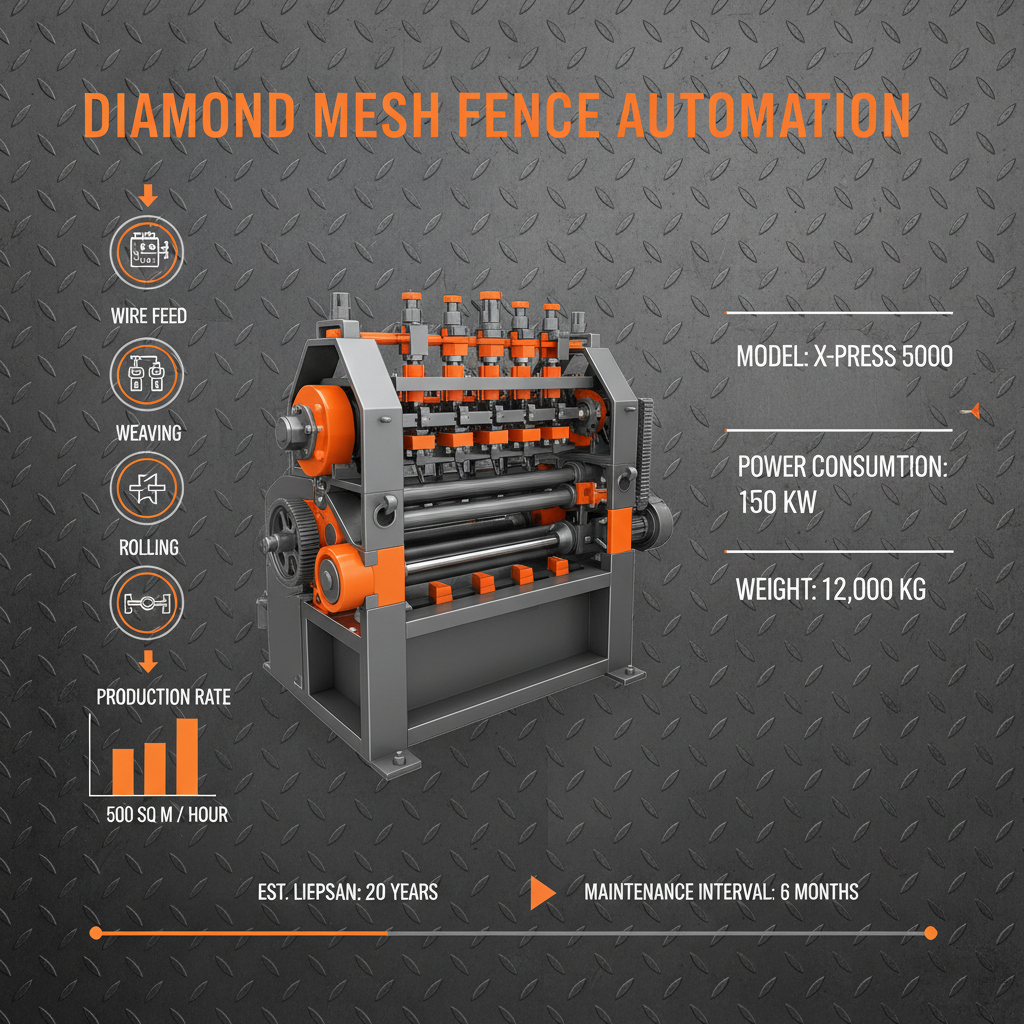
Selecting a reputable supplier is paramount when investing in a diamond mesh fence making machine. Look for suppliers with a proven track record, positive customer reviews, and comprehensive after-sales support. Meshmachinery.com offers a wide range of high-quality machines and dedicated support, ensuring a smooth and efficient production process. Don’t hesitate to request detailed specifications, ask about warranty options, and inquire about available training programs.
Investing in a reliable diamond mesh fence making machine is a strategic decision for businesses aiming to streamline production, enhance quality, and meet growing market demands. Careful consideration of factors such as machine type, features, and supplier reputation will ensure a successful investment.
Power consumption varies depending on the machine's size and level of automation. Manual machines typically require minimal power, while fully automatic machines can consume significantly more. Generally, a semi-automatic machine might consume around 3-5 kW, while a fully automatic machine could require 8-15 kW or more. It’s crucial to ensure your facility has sufficient electrical capacity to support the chosen machine and to factor power consumption into operational costs. Consult the machine's specifications for precise power requirements.
Regular maintenance is vital for ensuring optimal performance and longevity. This includes lubricating moving parts, inspecting and replacing worn components (such as dies and gears), cleaning the machine to remove debris, and checking the electrical connections. Following the manufacturer’s recommended maintenance schedule is crucial. Preventative maintenance can significantly reduce downtime and prevent costly repairs.
Diamond mesh fence making machines can typically handle a variety of wire types, including galvanized steel wire, stainless steel wire, and PVC-coated wire. The machine’s capabilities will dictate the maximum wire diameter and tensile strength it can process. It’s essential to use wire that meets the machine's specifications to avoid damage and ensure consistent product quality. Using the wrong type of wire can also void the warranty.
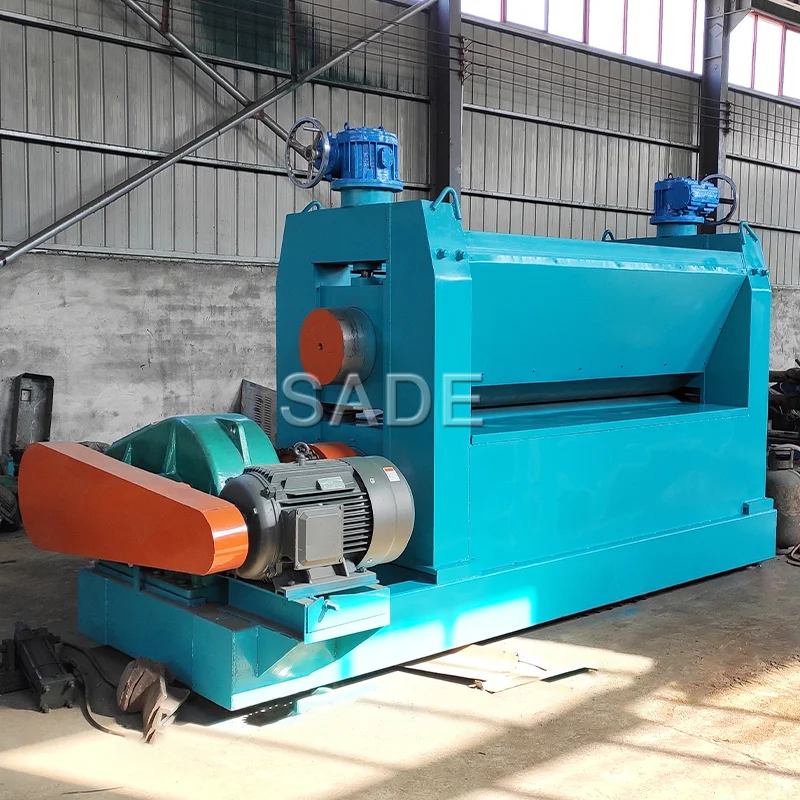
ZPJ Metal Mesh Flatting Machine
ZPJ metal mesh flatting machine is special designed for expanded metal flatting.It’s a corollary equipment of expanded metal machine. It can make expanded wire-mesh smoothly.And the flattened expanded metal have much more widely different applications.
Apr 24, 2026
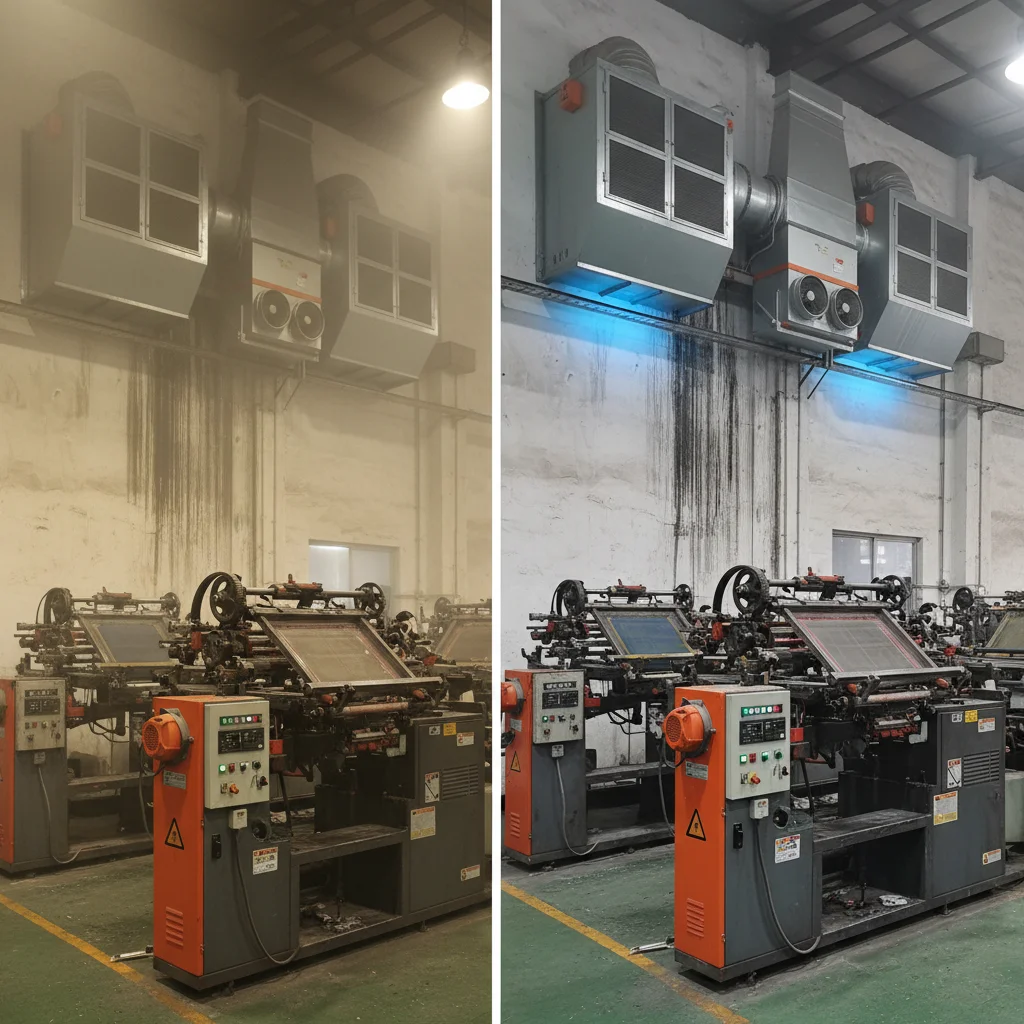
Industrial Wall Mounted Air Filtration for Clean Work Environments