
March 04, 2026
In today’s competitive manufacturing landscape, efficiency, cost-effectiveness, and quality are paramount. An automatic powder coating line offers a significant upgrade from manual methods, providing a streamlined process for applying a durable and attractive finish to metal products. This article delves into the advantages, components, applications, and factors to consider when investing in an automatic powder coating system. Whether you're looking to enhance production capacity or improve coating quality, understanding these aspects is crucial for making an informed decision. Mesh Machinery specializes in tailored solutions for powder coating needs.
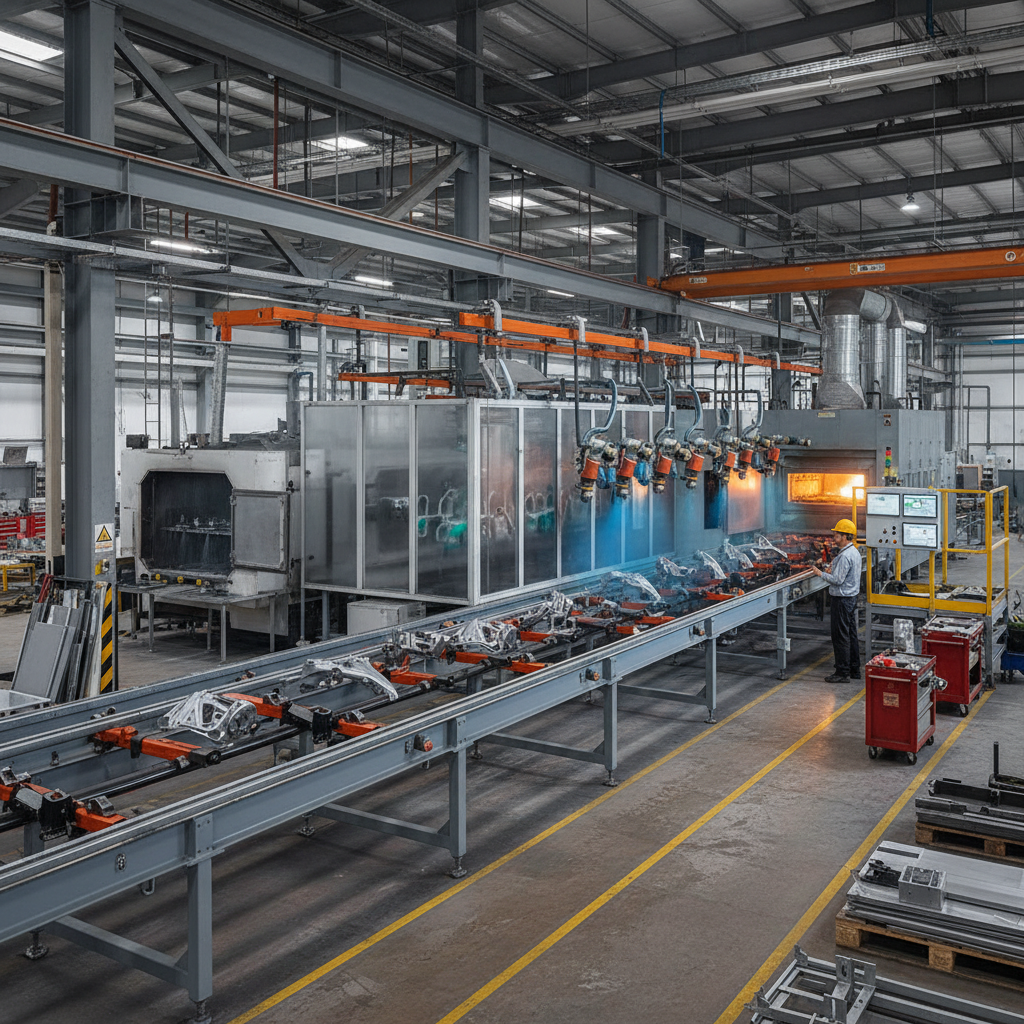
Switching to an automatic powder coating line yields numerous benefits. First and foremost is increased production speed and capacity. Automated systems drastically reduce cycle times compared to manual spraying, allowing you to process a higher volume of parts. Secondly, the consistency of the coating thickness is vastly improved, leading to better corrosion resistance, improved aesthetics, and reduced material waste. Moreover, automation minimizes operator fatigue and exposure to powder coating materials, enhancing worker safety and reducing health risks. Finally, the precise control offered by automated systems translates to significant cost savings in the long run, despite the initial investment.
Key Highlights: Increased production speed, consistent coating thickness, enhanced worker safety, reduced material waste, and long-term cost savings.
A complete automatic powder coating line comprises several key components working in harmony. These typically include a pre-treatment system for cleaning and preparing the metal surface, a powder spray booth equipped with electrostatic spray guns, a curing oven for melting and fusing the powder coating, and a conveyor system to move parts through each stage. Additional components might include a parts washing station, a booth recovery system to reclaim unused powder, and quality control inspection points. The integration of these components is crucial for a seamless and efficient operation. Mesh Machinery can assist in designing a line customized to your specific needs.
Key Components:
• Pre-treatment System
• Powder Spray Booth with Electrostatic Guns
• Curing Oven
• Conveyor System
The difference between automatic and manual powder coating is stark. While manual spraying relies on the skill and consistency of an operator, automatic lines offer precision and repeatability. This results in fewer defects, reduced rework, and a more uniform finish. Furthermore, automatic systems minimize powder waste through efficient spray patterns and recovery systems, leading to cost savings. The initial investment in automation is higher, but the long-term benefits in terms of productivity, quality, and cost-effectiveness generally outweigh the upfront expense. Explore our solutions to see how automation can transform your finishing process.
Automatic powder coating lines are employed in a diverse range of industries. The automotive sector utilizes it for coating car parts, providing corrosion protection and aesthetic appeal. Appliance manufacturers rely on it for durable and visually appealing finishes on refrigerators, washing machines, and other appliances. The furniture industry employs it for coating metal frames and components. Architectural applications include coating aluminum extrusions for windows, doors, and facades. Essentially, any metal product that requires a durable, aesthetically pleasing, and protective finish can benefit from an automatic powder coating line.
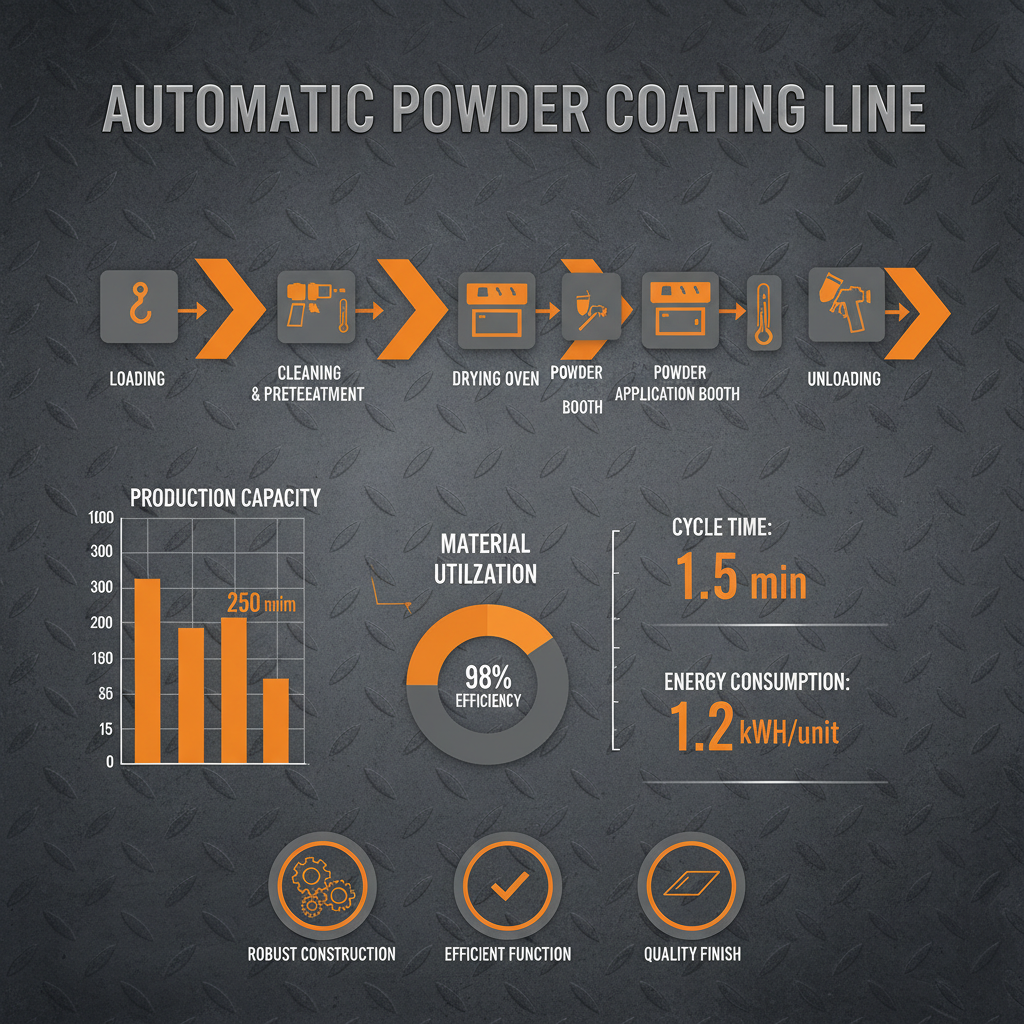
Choosing the right automatic powder coating line requires careful consideration of several factors. Your production volume and part size will dictate the size and capacity of the line. The type of metal you're coating will influence the pre-treatment process and powder selection. Budget constraints and available floor space are also important considerations. Partnering with a reputable supplier like Mesh Machinery ensures you receive expert guidance and a customized solution tailored to your specific needs.
Investing in an automatic powder coating line represents a strategic move towards enhanced efficiency, quality, and cost-effectiveness. By carefully evaluating your needs and partnering with a trusted provider, you can unlock significant benefits and elevate your manufacturing capabilities. Don’t hesitate to contact Mesh Machinery to discuss your project and receive a tailored quote.
The necessary pre-treatment depends on the metal substrate and the desired coating performance. Common pre-treatment methods include degreasing, chemical etching, and phosphate coating. Degreasing removes oils and contaminants. Etching creates a rough surface for better adhesion. Phosphate coating provides corrosion resistance. The goal is to create a clean, oxide-free surface that promotes strong bonding between the metal and the powder coating.
Electrostatic spray guns charge the powder particles as they are sprayed onto the grounded metal part. This creates an electrostatic attraction, causing the powder to wrap around the part more uniformly and efficiently, even reaching recessed areas. This results in higher transfer rates, reduced powder waste, and a more consistent coating thickness.
A wide variety of powder coatings can be used, including epoxy, polyester, polyurethane, and hybrid formulations. The choice depends on the application requirements, such as corrosion resistance, UV stability, and desired aesthetic properties. Different powder types have varying curing temperatures and characteristics, which need to be considered when setting up the line.
Regular maintenance is crucial for optimal performance. This includes cleaning the spray booth and recovery system, inspecting and replacing air filters, calibrating the spray guns, and ensuring the conveyor system is functioning smoothly. Preventive maintenance schedules should be established to minimize downtime and extend the lifespan of the equipment.
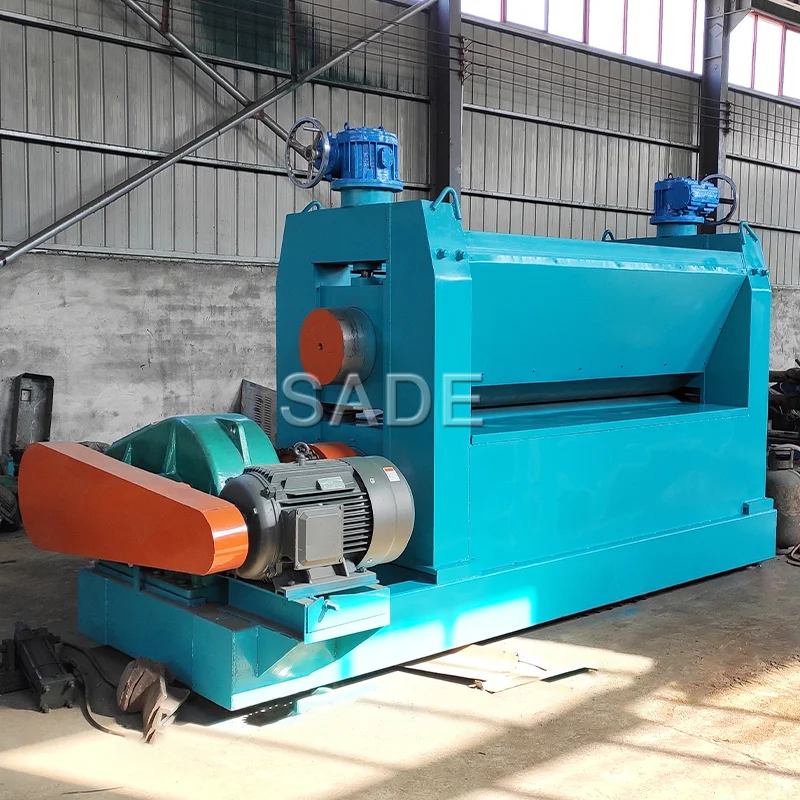
ZPJ Metal Mesh Flatting Machine
ZPJ metal mesh flatting machine is special designed for expanded metal flatting.It’s a corollary equipment of expanded metal machine. It can make expanded wire-mesh smoothly.And the flattened expanded metal have much more widely different applications.
Apr 24, 2026
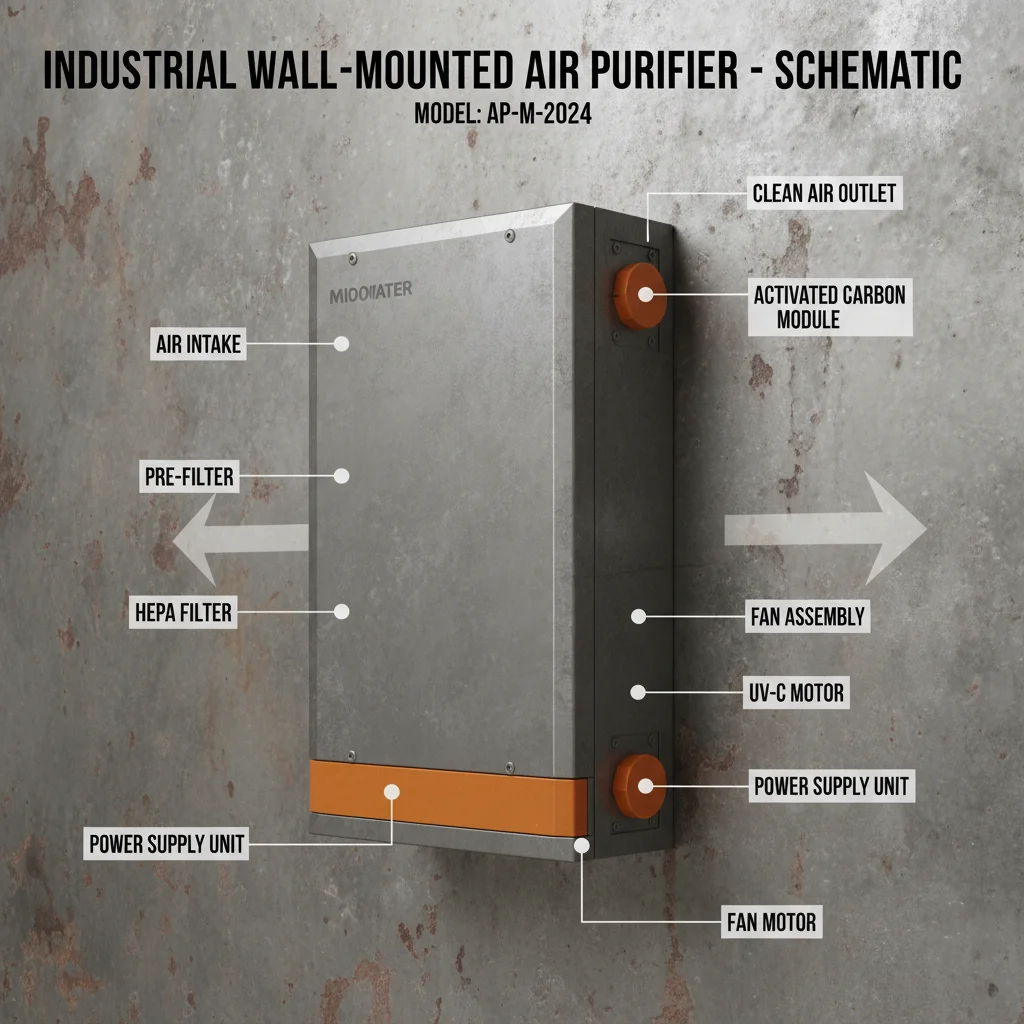
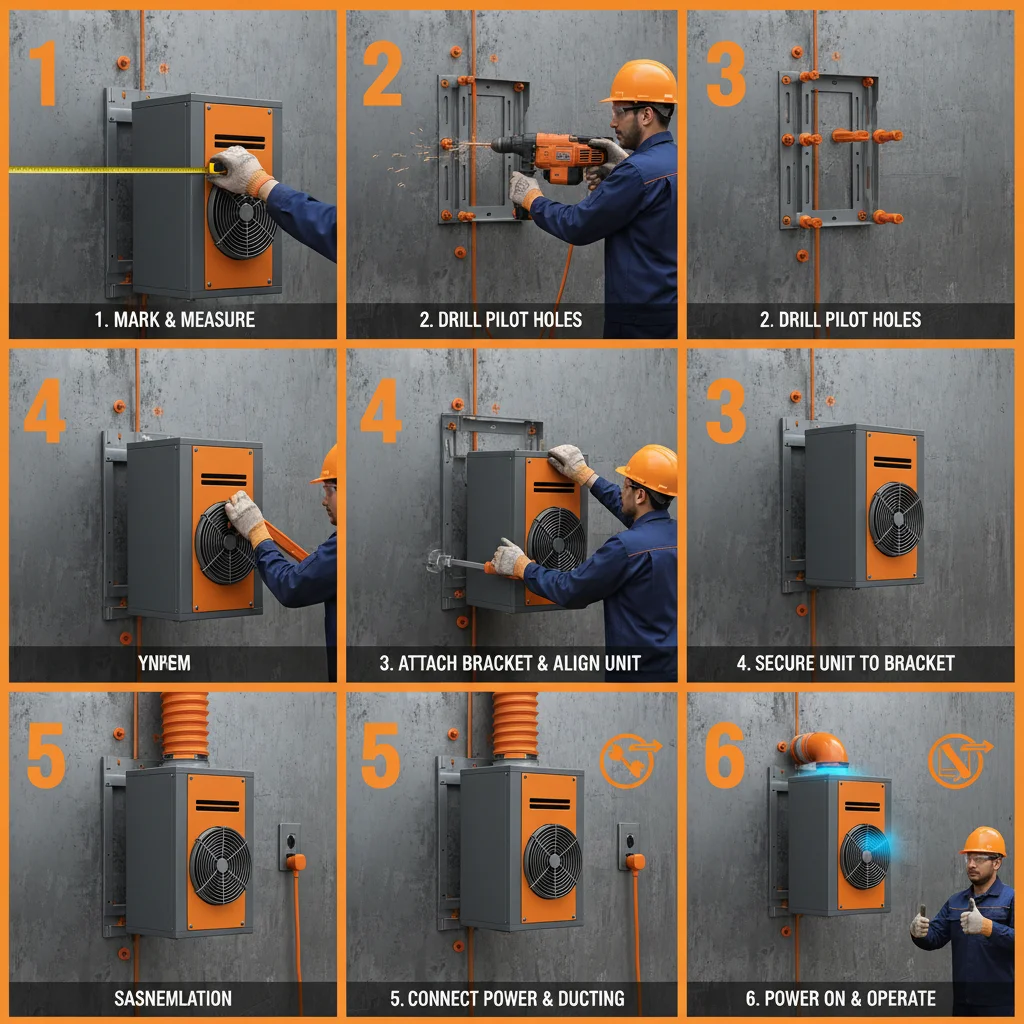
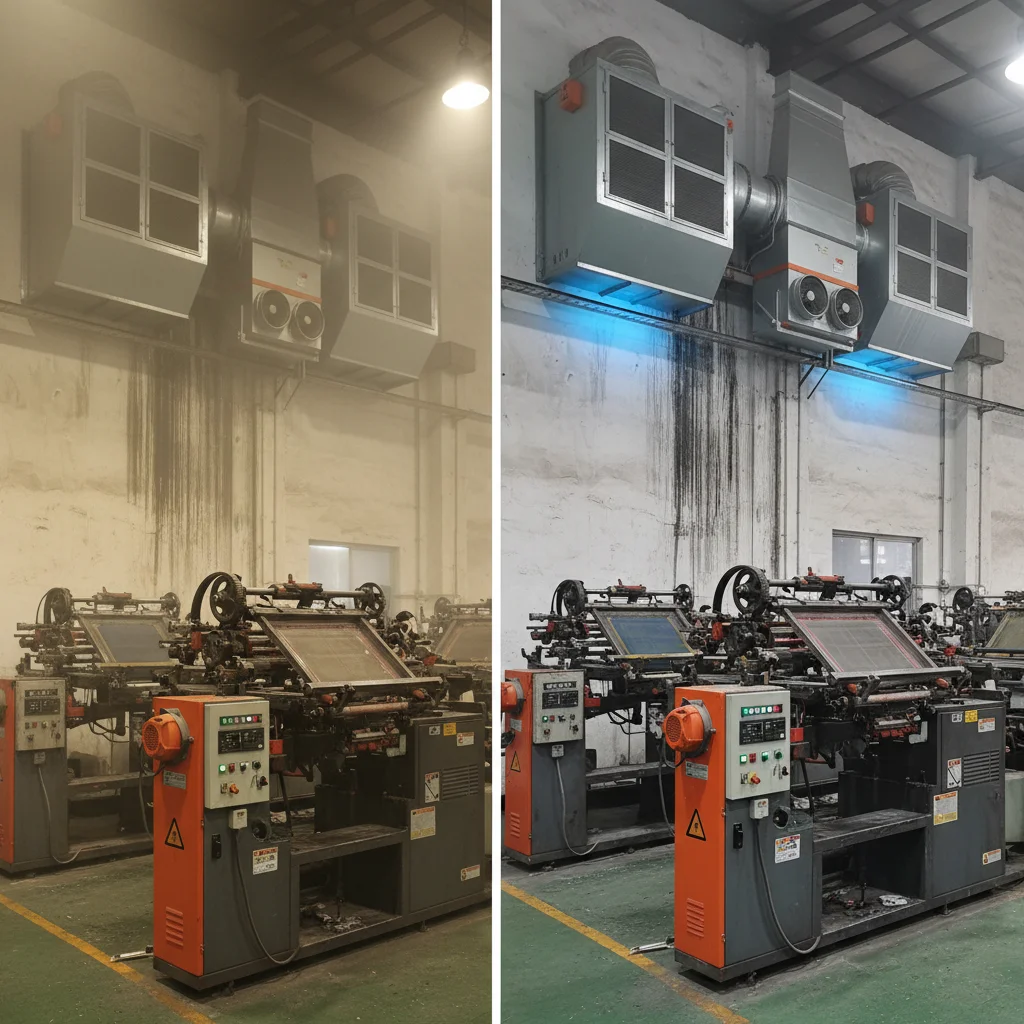
Industrial Wall Mounted Air Filtration for Clean Work Environments