
February 28, 2026
In the construction industry, efficient and precise rebar fabrication is paramount. A spiral rebar bending machine is a critical piece of equipment that streamlines this process. This article provides an in-depth look at these machines, their applications, benefits, and what to consider when choosing the right one. From small-scale projects to large infrastructure developments, a reliable rebar bending machine significantly improves productivity and reduces labor costs. We will explore the technology behind these machines and how they contribute to stronger, more durable concrete structures.
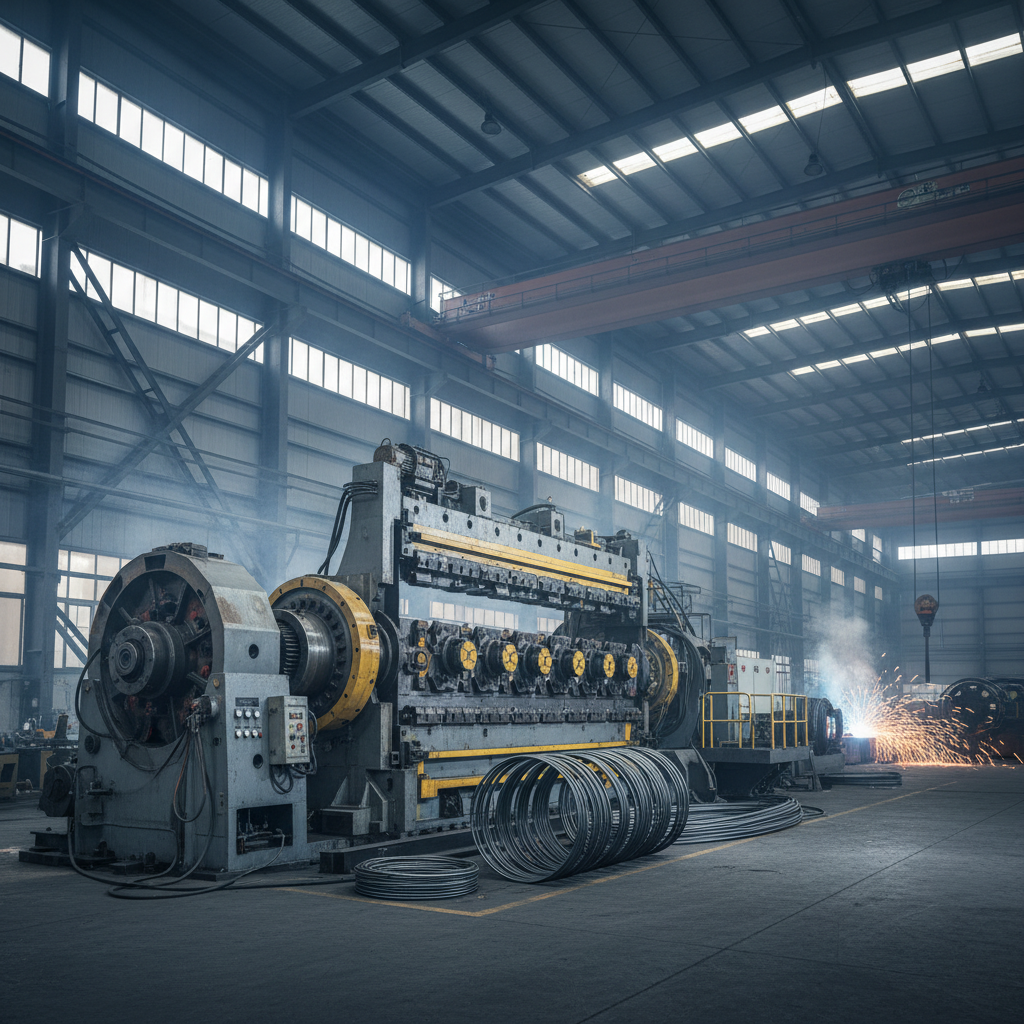
A spiral rebar bending machine operates on the principle of controlled deformation of steel reinforcement bars (rebar). These machines utilize a series of rollers and dies that accurately bend the rebar into pre-programmed shapes, including spirals, hoops, and saddles. The process typically involves feeding the rebar into the machine, selecting the desired bending parameters (diameter, bending angle, spiral diameter), and then initiating the bending cycle. Modern machines often incorporate PLC (Programmable Logic Controller) systems for precise control and automation. This automation not only increases speed but also ensures consistent quality and reduces the risk of human error. Mesh Machinery offers a wide range of solutions to meet various construction requirements.
Key Benefits: Increased productivity, reduced labor costs, consistent bending accuracy, improved rebar quality, and enhanced project efficiency.
Several types of spiral rebar bending machines are available, each suited to different project needs and production volumes. These include:
Choosing the Right Machine:
• Project size and complexity
• Production volume
• Budget constraints
• Level of automation required
Selecting the optimal machine demands careful consideration of several key features. Here’s a comparative overview:
These machines find widespread use in various construction projects:
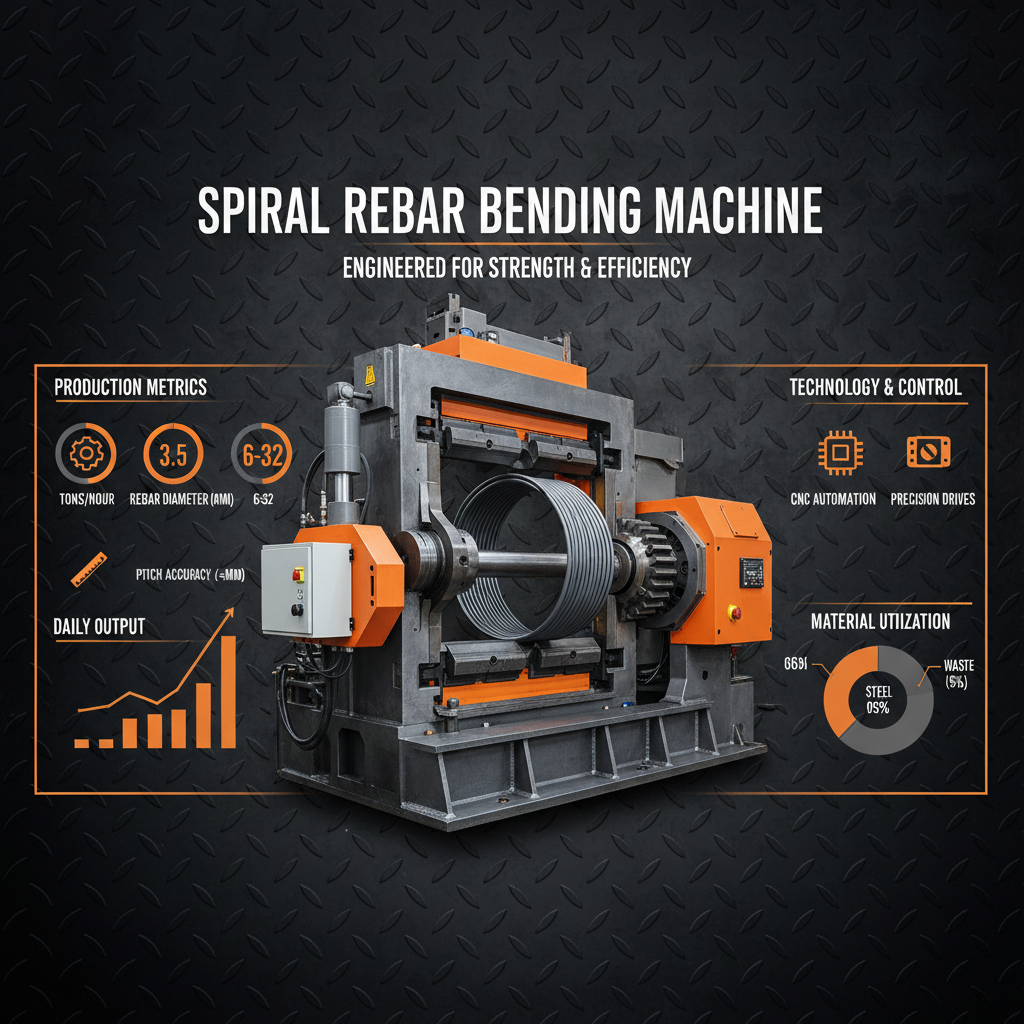
Regular maintenance is vital for ensuring the longevity and optimal performance of your rebar bending machine. This includes lubricating moving parts, inspecting rollers and dies for wear, and cleaning the machine regularly. Following the manufacturer's recommendations for maintenance schedules is crucial. Furthermore, proper training for operators is essential for safe and efficient operation. Mesh Machinery provides comprehensive support and maintenance services to help you maximize the value of your investment.
Investing in a spiral rebar bending machine is a strategic move for any construction company seeking to improve efficiency, reduce costs, and enhance the quality of their projects. By carefully evaluating your needs and selecting the right machine, you can unlock significant benefits and streamline your rebar fabrication process.
Safety is paramount. Always wear appropriate personal protective equipment (PPE), including safety glasses, gloves, and steel-toe boots. Ensure the machine is properly grounded and that all safety guards are in place. Never operate the machine without proper training. Keep hands and body parts clear of the bending area during operation. Regularly inspect the machine for any signs of damage or malfunction. Following these precautions will minimize the risk of accidents and ensure a safe working environment.
The lifespan of a rebar bending machine depends on several factors, including the quality of the machine, the frequency of use, and the level of maintenance. With proper maintenance and care, a well-built machine can last for 10-15 years or even longer. Regular lubrication, inspection of wear parts, and adherence to the manufacturer's guidelines are essential for maximizing the machine's lifespan. Consider purchasing from a reputable manufacturer known for quality and durability.
Yes, most spiral rebar bending machines can bend a variety of rebar grades and sizes. However, it’s crucial to check the machine’s specifications to ensure it can accommodate the specific diameter and strength of the rebar you’ll be using. Machines are typically rated for a maximum rebar diameter and yield strength. Exceeding these limits can damage the machine and compromise the quality of the bend. Mesh Machinery can help you select a machine suitable for your rebar requirements.
The power requirements vary depending on the size and type of the machine. Smaller, manual machines may require minimal power, while larger, automated CNC machines can require significant three-phase electrical power. It’s crucial to verify the machine’s voltage and amperage requirements before installation to ensure compatibility with your facility’s electrical system. Consult the machine’s specifications or contact the manufacturer for detailed power requirements.
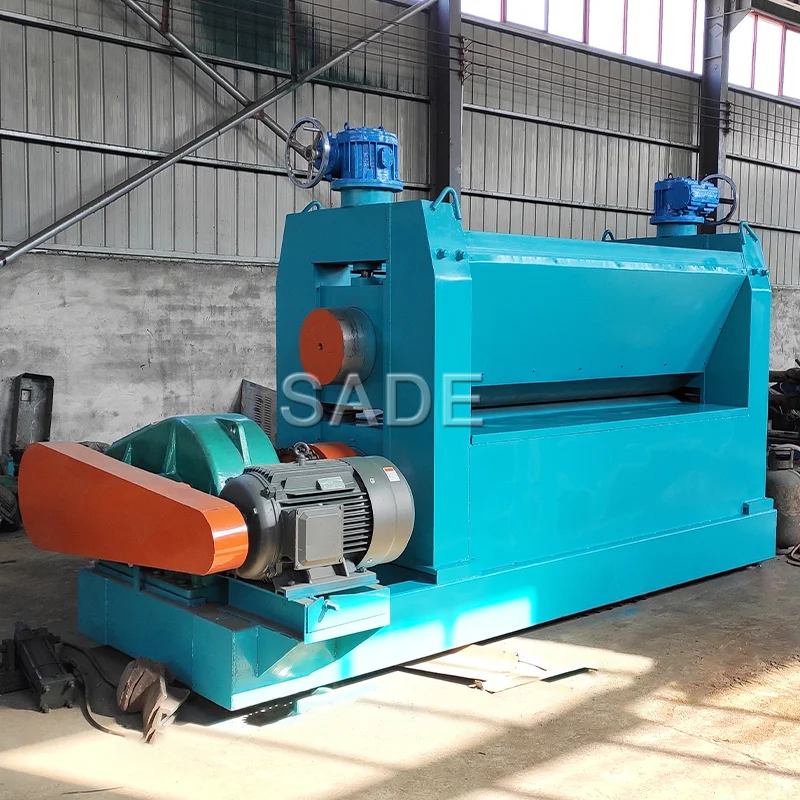
ZPJ Metal Mesh Flatting Machine
ZPJ metal mesh flatting machine is special designed for expanded metal flatting.It’s a corollary equipment of expanded metal machine. It can make expanded wire-mesh smoothly.And the flattened expanded metal have much more widely different applications.
Apr 24, 2026
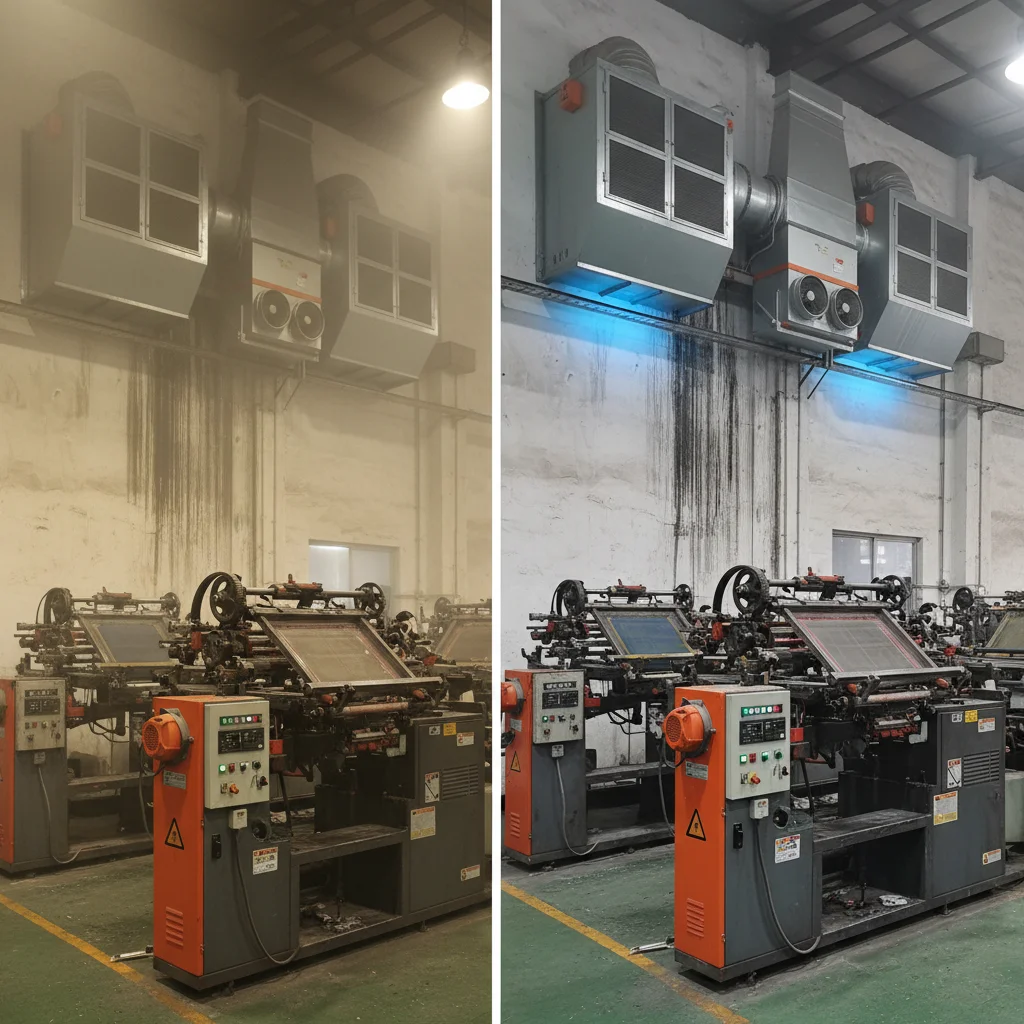
Industrial Wall Mounted Air Filtration for Clean Work Environments