
February 28, 2026
Steel rebar bending machines are essential equipment in the construction industry, facilitating the precise and efficient shaping of reinforcing bars (rebar) used in concrete structures. These machines are crucial for ensuring structural integrity and meeting project specifications. At Mesh Machinery, we specialize in providing high-quality, reliable rebar bending solutions for various construction needs. Investing in the right rebar bending machine can dramatically improve project efficiency, reduce labor costs, and enhance the overall quality of construction work. Let’s dive into the details of these machines and what makes them so important.
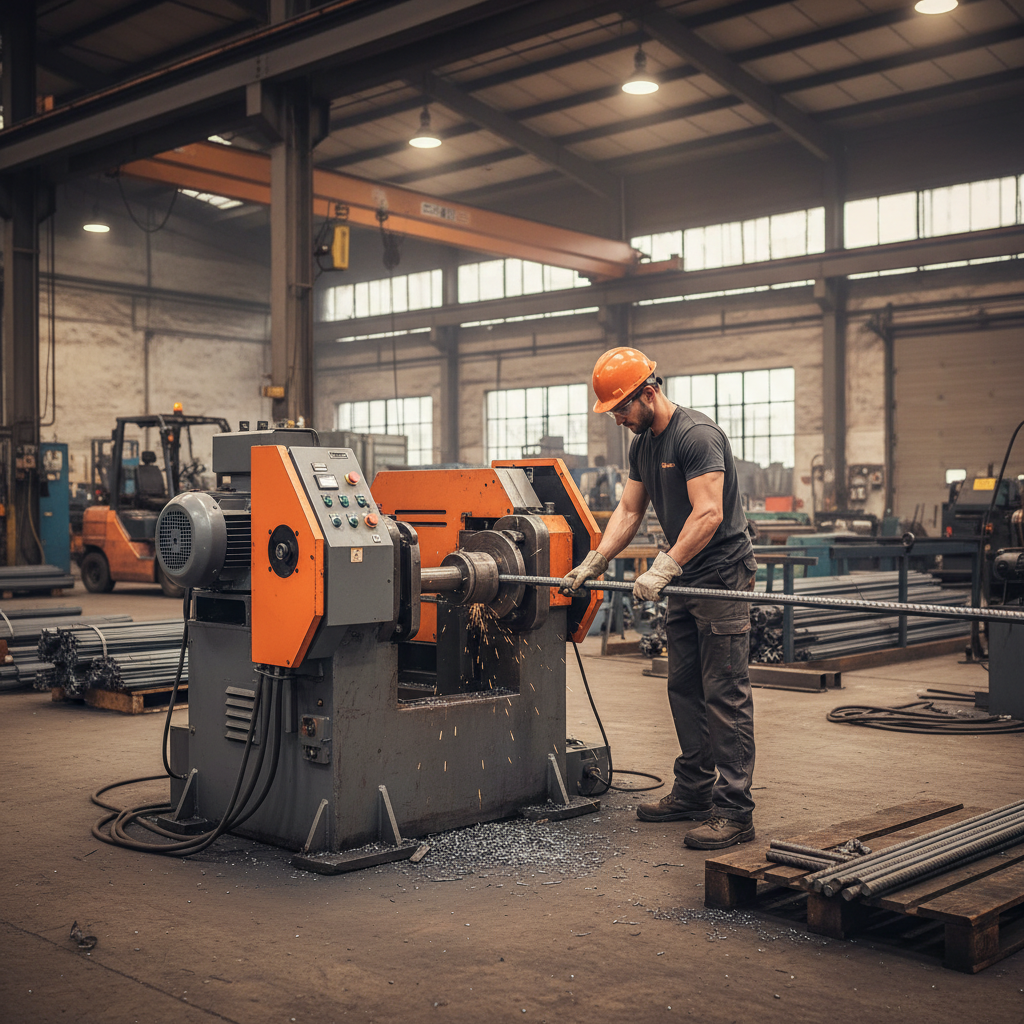
A steel rebar bending machine, also known as a rebar bender, is a specialized piece of equipment designed to bend steel rebar to specific angles and shapes. These machines come in various forms, ranging from manual, mechanically assisted, to fully automated hydraulic or electric models. The primary function is to create the necessary bends and hooks in rebar, which are then integrated into concrete structures to provide tensile strength and prevent cracking. The precise bending capabilities are critical for meeting engineering designs and ensuring the durability of the construction. A quality rebar bending machine from Mesh Machinery is built to withstand the demands of rigorous construction environments.
Key Benefit: Increased efficiency and accuracy in rebar shaping, reducing labor costs and project timelines.
The market offers a range of rebar bending machines tailored to different project scales and budgets. Manual bending machines are the simplest and most affordable, relying on physical effort to bend the rebar. Mechanically assisted machines offer leverage and ease of use, reducing strain on the operator. Hydraulic and electric rebar bending machines provide the highest level of automation and precision, capable of handling large volumes of rebar with minimal manual intervention. Each type has its own advantages and disadvantages, depending on the application.
Rebar Bender Type Benefits:
• Manual: Cost-effective, portable, ideal for small projects.
• Mechanical: Improved leverage, reduced operator fatigue.
• Hydraulic/Electric: High automation, precision, and capacity for large-scale projects.
Choosing the right rebar bending machine involves careful consideration of your project requirements, budget, and the volume of work. Here’s a comparative look at the most common types:
Steel rebar bending machines are utilized in a wide range of construction projects, including building foundations, bridges, tunnels, and roadways. They are essential for creating the reinforcing cages that provide strength and stability to concrete structures. Different projects require different bending capabilities, so selecting the appropriate machine is crucial. At Mesh Machinery, we offer solutions tailored to diverse construction applications.
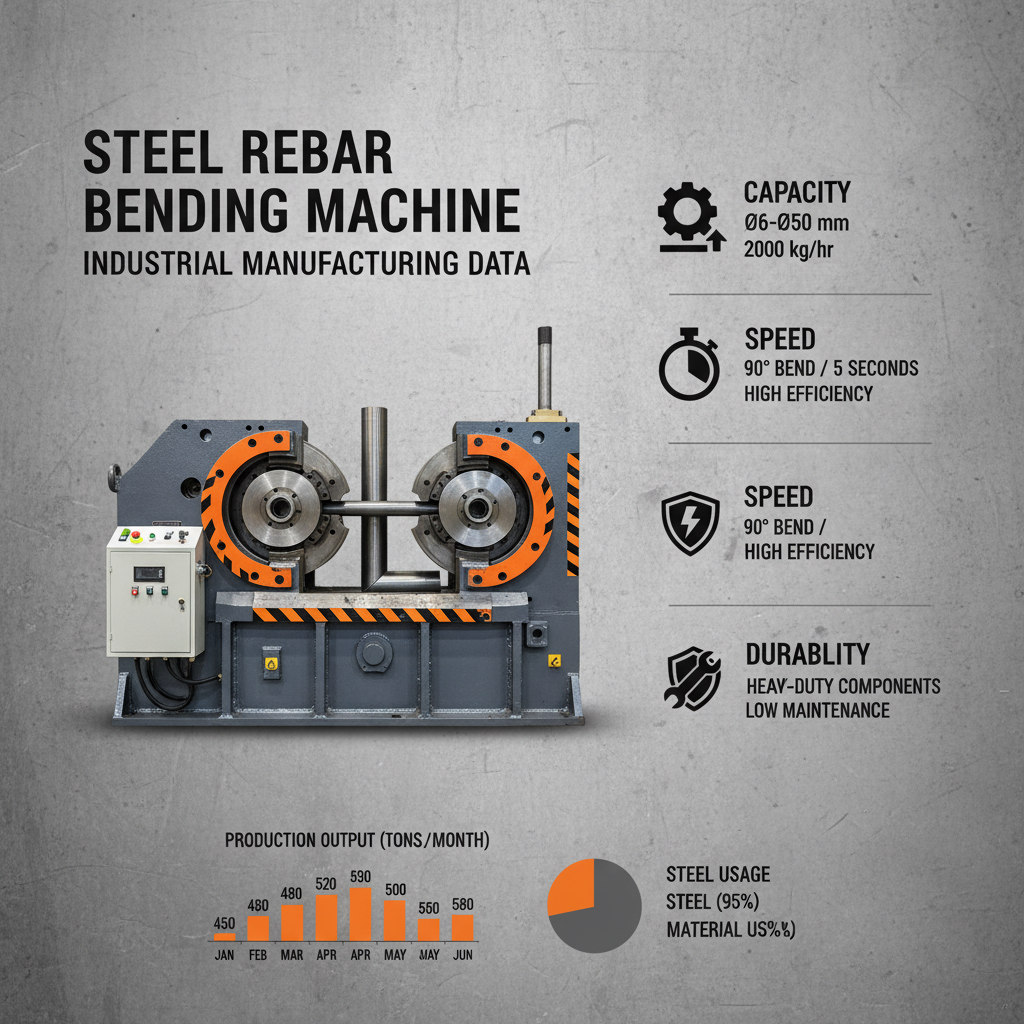
Selecting the ideal steel rebar bending machine requires careful evaluation of several factors. First, consider the diameter of the rebar you'll be bending, as this dictates the required capacity of the machine. Next, assess the volume of work to determine whether a manual, hydraulic, or electric model is most suitable. Also, think about portability, power requirements, and safety features. Investing in a machine from a reputable supplier like Mesh Machinery ensures quality, reliability, and after-sales support.
Investing in a high-quality steel rebar bending machine is crucial for optimizing construction processes, ensuring structural integrity, and reducing costs. Mesh Machinery provides a diverse range of machines to suit various project needs and budgets. Choose wisely to enhance your construction operations.
Safety is paramount when operating any machinery. Always wear appropriate personal protective equipment (PPE), including safety glasses, gloves, and steel-toe boots. Ensure the machine is properly grounded and that all safety guards are in place. Never operate the machine with wet hands or in a damp environment. Familiarize yourself with the machine's operating manual and follow all safety instructions diligently. Proper training is also essential for safe operation. Regularly inspect the machine for any signs of damage or malfunction.
Regular maintenance is vital to ensure the longevity and optimal performance of your rebar bending machine. This includes lubricating moving parts, checking hydraulic fluid levels (for hydraulic models), inspecting electrical connections, and cleaning the machine regularly. Promptly address any signs of wear and tear, such as loose bolts or damaged components. Following the manufacturer’s recommended maintenance schedule is crucial. Proper maintenance prevents breakdowns and extends the life of the machine.
Most rebar bending machines are designed to handle various grades and types of steel rebar, but it's essential to check the machine’s specifications to ensure compatibility. Different rebar types have different yield strengths and tensile strengths, which can affect the bending process. Always adhere to the machine’s recommended capacity and material limitations. Using a machine with a rebar it is not rated for can cause damage to the machine or produce unsafe bends.
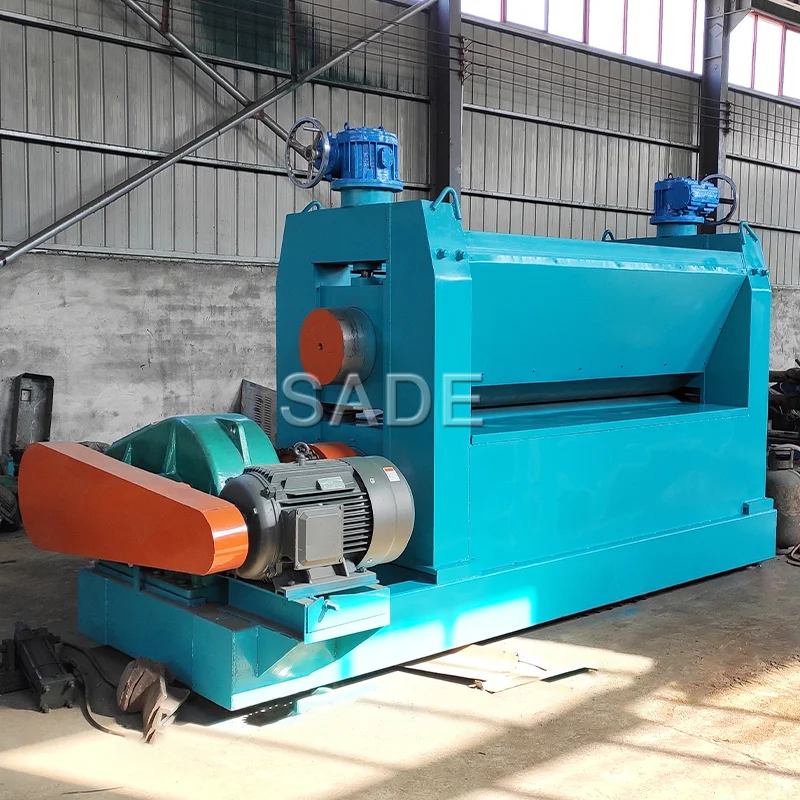
ZPJ Metal Mesh Flatting Machine
ZPJ metal mesh flatting machine is special designed for expanded metal flatting.It’s a corollary equipment of expanded metal machine. It can make expanded wire-mesh smoothly.And the flattened expanded metal have much more widely different applications.
Apr 24, 2026
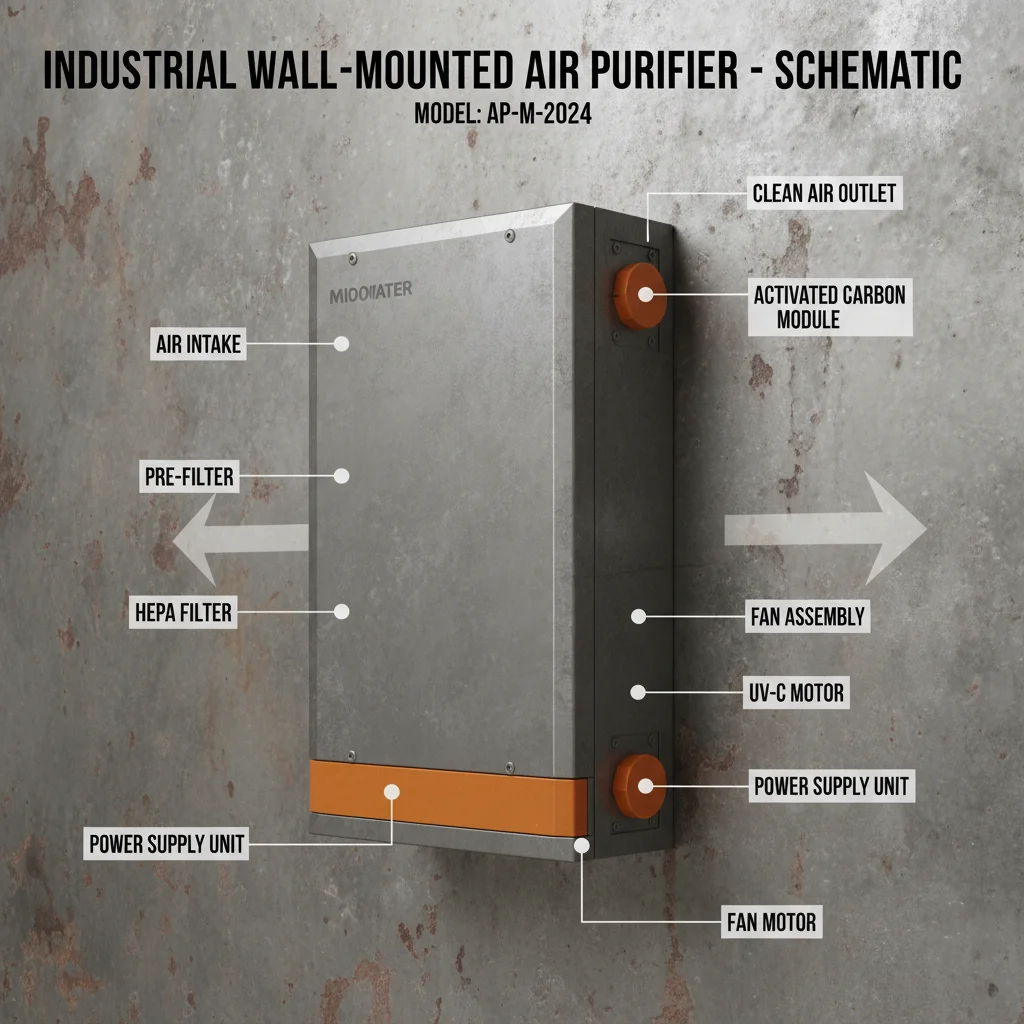
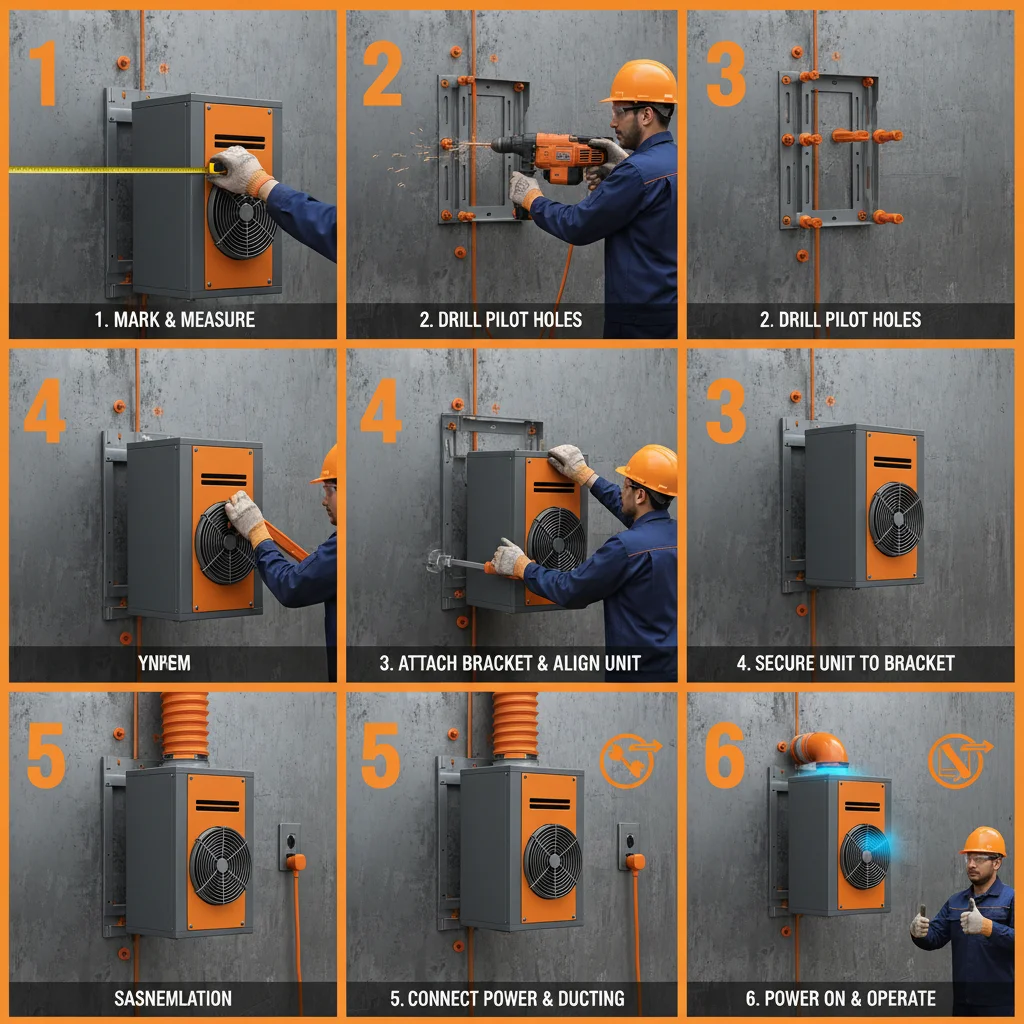
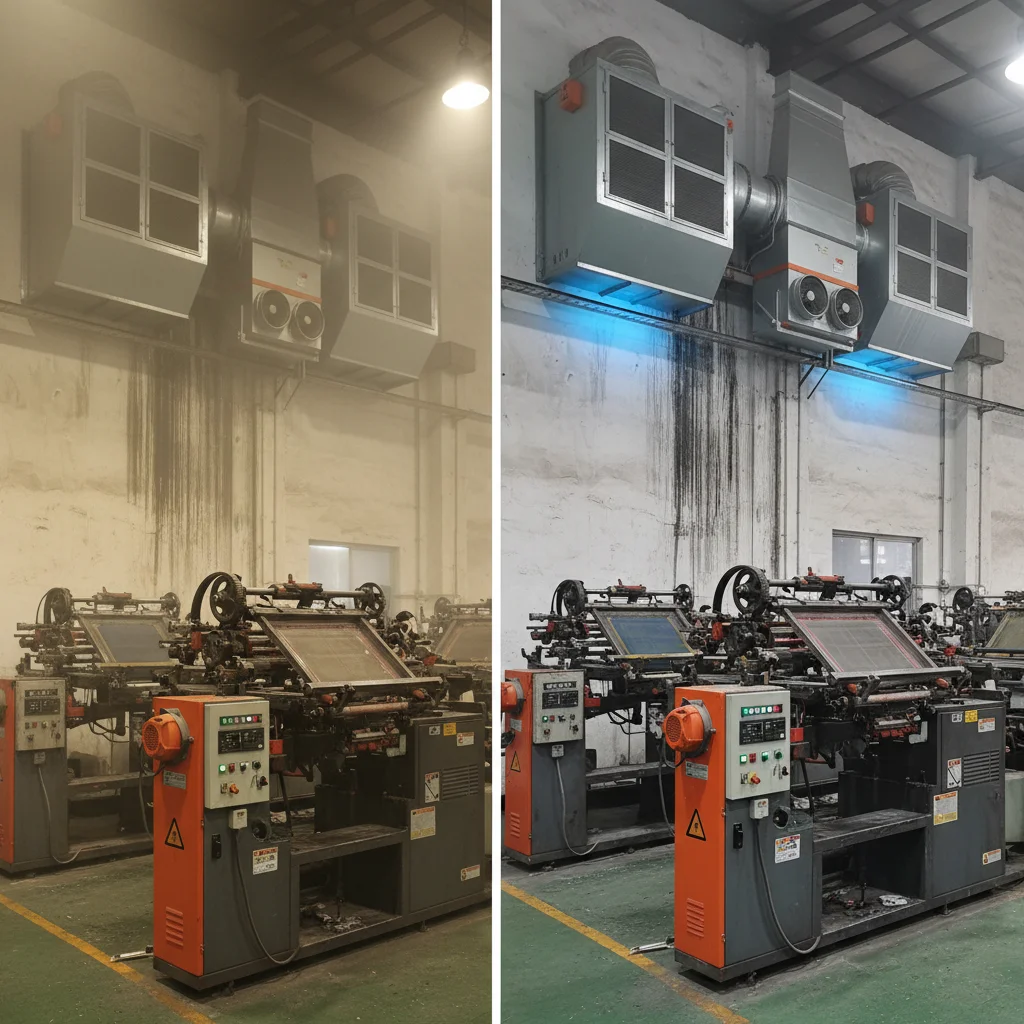
Industrial Wall Mounted Air Filtration for Clean Work Environments