
February 27, 2026
In the construction industry, efficiency and precision are paramount. A CNC rebar bending machine is a vital tool for automating the process of shaping reinforcing steel, significantly improving productivity and accuracy. This article will explore the benefits, features, applications, and key considerations when selecting a CNC rebar bending machine. Understanding these aspects can empower you to make an informed decision and optimize your construction projects.
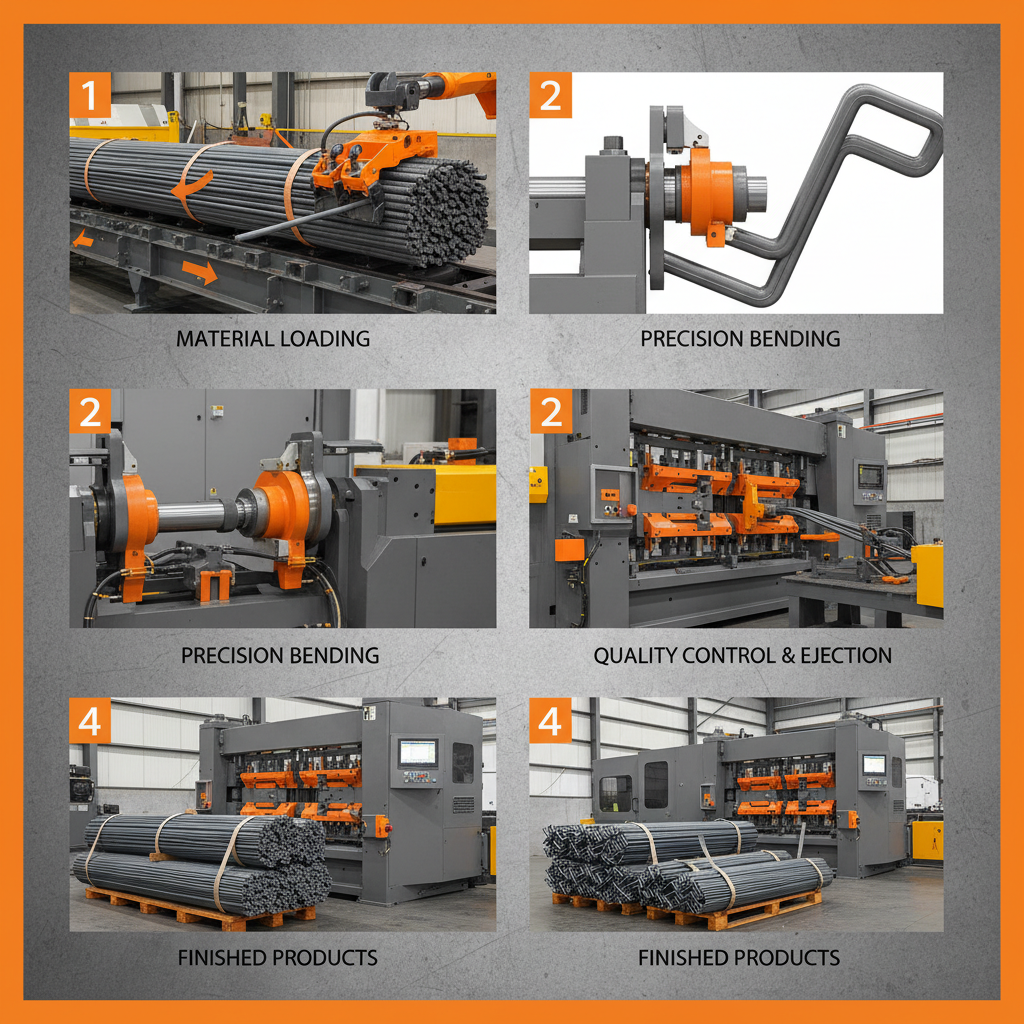
CNC (Computer Numerical Control) rebar bending machines utilize computer-controlled systems to precisely bend steel reinforcement bars (rebar) to specified shapes and sizes. Unlike manual bending, which is labor-intensive and prone to errors, CNC machines offer consistent accuracy, reduced material waste, and faster production speeds. These machines are programmed with the desired bending schedules, eliminating the need for manual measurements and adjustments. This results in higher quality reinforcement and streamlined workflow. Mesh Machinery provides cutting-edge solutions in this area.
Key Benefits: Increased productivity, improved accuracy, reduced labor costs, minimized material waste, and enhanced safety.
When choosing a CNC rebar bending machine, consider several key features. The machine's capacity, measured by the maximum diameter and yield strength of the rebar it can bend, is crucial. Automated feeding systems and straightening mechanisms contribute to efficiency. User-friendly software and intuitive controls are essential for ease of operation. The precision of the bending process, often measured in millimeters, directly impacts the quality of the finished product. Also, look for features like multi-bending capabilities and the ability to create complex shapes.
Important Features:
• Maximum Rebar Diameter
• Bending Speed
• Control System (Software)
• Straightening Capacity
The shift from manual rebar bending to CNC technology offers significant advantages. Manual bending is labor-intensive, time-consuming, and often results in inconsistencies. CNC machines, however, provide unparalleled accuracy, speed, and repeatability. While the initial investment in a CNC machine is higher, the long-term cost savings from reduced labor, material waste, and improved quality outweigh the upfront expenses. The comparison below highlights the key differences.
CNC rebar bending machines are used extensively in various construction projects, including: bridges, tunnels, high-rise buildings, roads, and precast concrete structures. They are particularly valuable for projects requiring complex rebar shapes and large quantities of bent reinforcement. These machines ensure that rebar conforms precisely to engineering specifications, contributing to the structural integrity and safety of the finished construction.
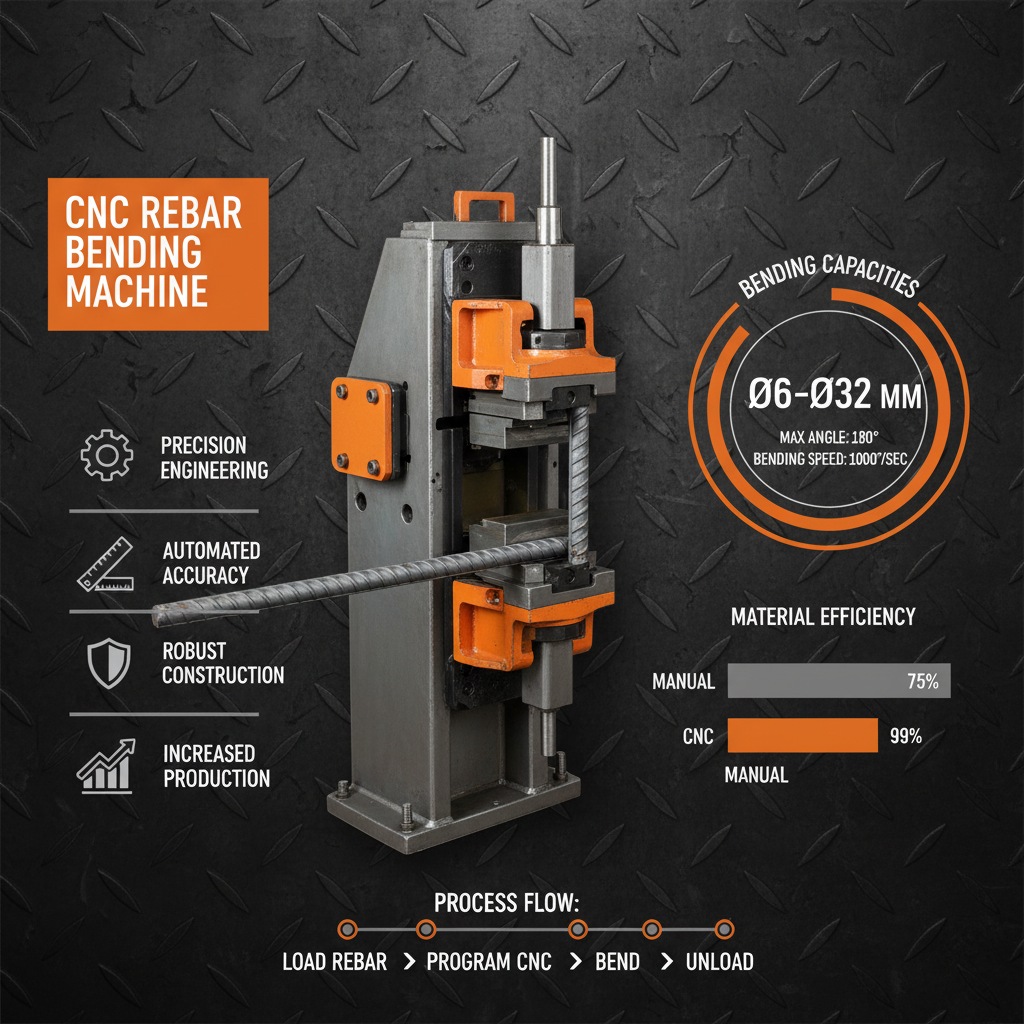
Choosing the right CNC rebar bending machine requires careful evaluation of your specific needs. Consider the size and type of projects you typically handle, the diameter and yield strength of the rebar you use, and your production volume. Also, assess the available space in your facility and the power requirements of the machine. Mesh Machinery offers a variety of models to suit different applications and budgets.
Investing in a CNC rebar bending machine is a strategic move for any construction company seeking to improve efficiency, accuracy, and profitability. By automating the rebar bending process, you can reduce labor costs, minimize material waste, and ensure consistent quality. Choose a machine that meets your specific needs and partner with a reputable supplier like Mesh Machinery to ensure long-term reliability and support.
Most CNC rebar bending machines can handle a wide range of rebar grades and sizes, typically from #3 (9.5mm) to #8 (25mm) in diameter. The maximum capacity will depend on the specific model and its hydraulic power. Machines are designed to bend both mild steel and high-yield strength rebar. Always check the manufacturer's specifications to ensure compatibility with the rebar types you use. Some machines also handle stainless steel rebar with appropriate tooling.
While modern CNC rebar bending machines are user-friendly, some training is essential. Operators need to understand the machine's controls, software interface, safety procedures, and basic maintenance tasks. Mesh Machinery typically provides comprehensive training programs to ensure operators can effectively and safely utilize the machine. The training covers programming bending schedules, troubleshooting common issues, and performing routine maintenance.
Regular maintenance is crucial for ensuring the longevity and optimal performance of a CNC rebar bending machine. The typical maintenance schedule includes daily lubrication of moving parts, monthly inspection of hydraulic hoses and fittings, and annual professional servicing. Replacing worn components, such as bending dies and straightening rollers, is also important. Refer to the manufacturer's manual for specific maintenance recommendations.
CNC rebar bending machines significantly enhance safety by reducing the risk of manual handling injuries associated with traditional bending methods. Operators are shielded from the physical strain and potential hazards involved in bending heavy rebar by hand. The automated process also ensures consistent bending accuracy, minimizing the risk of structural failures due to improperly bent reinforcement. Safety features like emergency stop buttons and protective guards further contribute to a safer working environment.
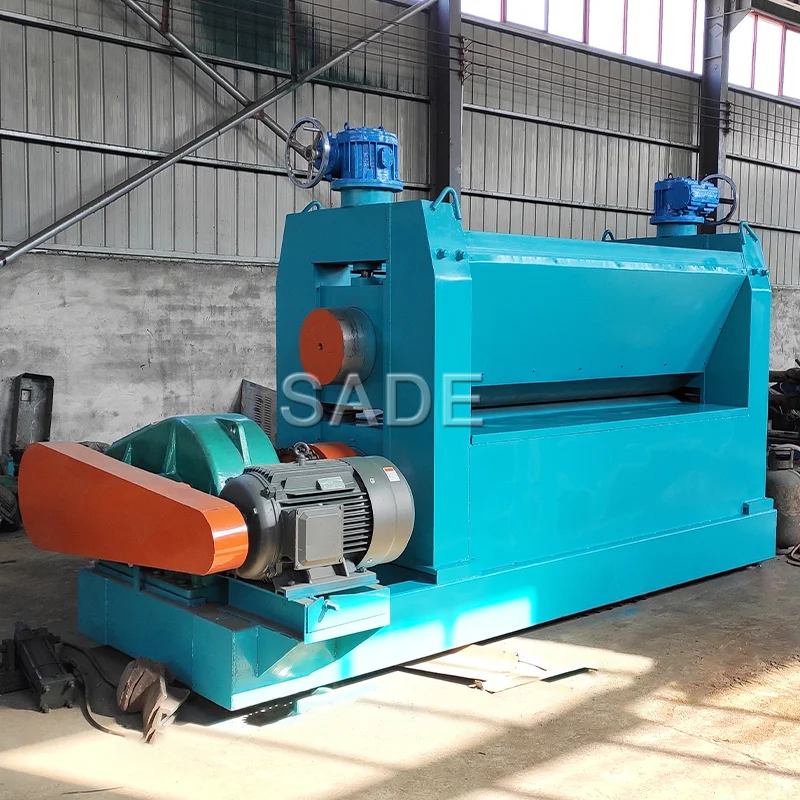
ZPJ Metal Mesh Flatting Machine
ZPJ metal mesh flatting machine is special designed for expanded metal flatting.It’s a corollary equipment of expanded metal machine. It can make expanded wire-mesh smoothly.And the flattened expanded metal have much more widely different applications.
Apr 24, 2026
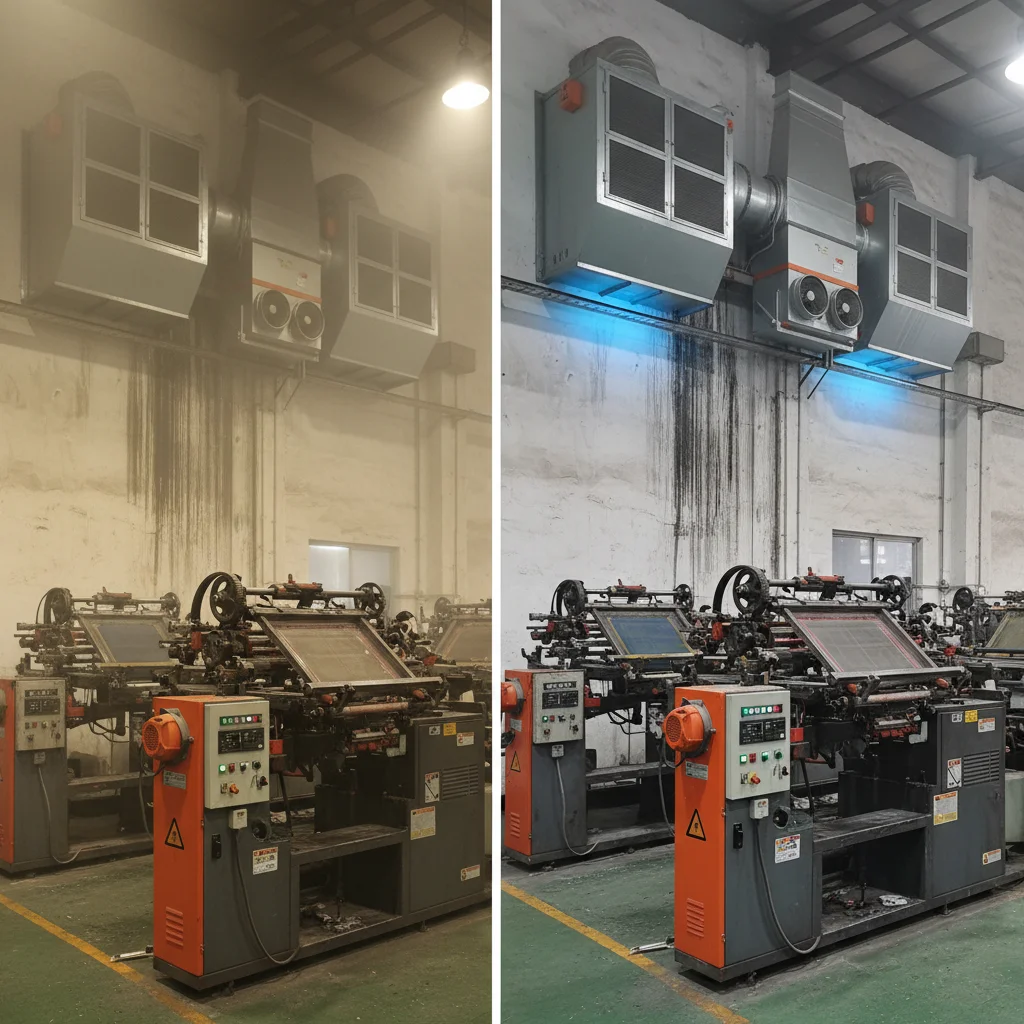
Industrial Wall Mounted Air Filtration for Clean Work Environments