
February 27, 2026
In the dynamic world of construction, efficiency and precision are paramount. The automatic rebar bending machine has emerged as a critical tool for modern construction projects, drastically improving speed, accuracy, and reducing labor costs. This article will delve into the benefits, applications, and key considerations when selecting an automatic rebar bender. Understanding these machines is vital for contractors seeking to optimize their operations and enhance project outcomes. We'll explore how this technology can revolutionize your rebar processing workflow.
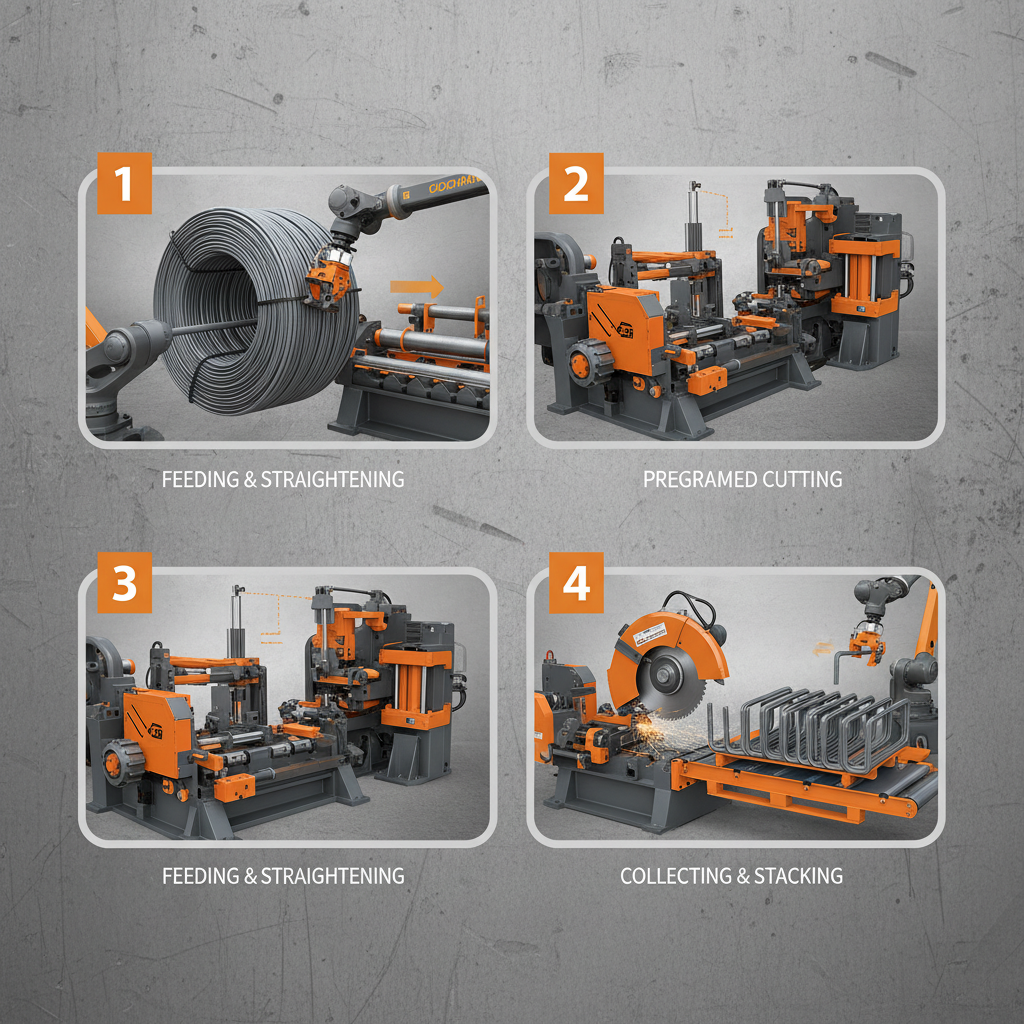
The adoption of automatic rebar bending machines provides a multitude of advantages over traditional manual bending methods. First and foremost, they significantly increase production speed. What once took a team of workers hours can now be accomplished in a fraction of the time. This enhanced speed translates directly into reduced project timelines and labor expenses. Furthermore, these machines deliver unparalleled accuracy, ensuring consistent bends and minimizing material waste. The consistent quality of bends also contributes to the structural integrity of the final construction. Beyond these core benefits, automatic bending machines improve workplace safety by reducing the physical strain and repetitive motions associated with manual bending.
Key Highlights: Increased production speed, enhanced accuracy, reduced labor costs, improved workplace safety, and minimized material waste.
Automatic rebar bending machines are indispensable across a diverse range of construction projects. They are essential for infrastructure projects such as bridges, tunnels, and highways, where large quantities of rebar need to be precisely bent. Residential construction benefits from the increased efficiency in building foundations, walls, and concrete slabs. Commercial construction, including high-rise buildings and shopping malls, also relies heavily on these machines to meet demanding project timelines. Precast concrete manufacturers utilize them to create a consistent supply of bent rebar for various structural components. The versatility of the rebar bending machine makes it a vital investment for any construction-related business.
Versatile Applications:
• Infrastructure projects (bridges, tunnels)
• Residential construction (foundations, walls)
• Commercial construction (high-rise buildings)
• Precast concrete manufacturing
Modern automatic rebar bending machines boast a range of advanced features designed to optimize performance. Programmable logic controllers (PLCs) allow for precise control over bending angles and shapes. Hydraulic systems provide the power needed to bend even the thickest rebar. Automatic straightening functions ensure that the rebar is perfectly straight before bending, contributing to accuracy. Safety features, such as emergency stop buttons and protective guards, are crucial for operator safety. Here’s a comparison of key specifications in different machine models:
A direct comparison highlights the substantial benefits of automated rebar bending. Manual bending is labor-intensive, requiring significant physical effort and time. It is also prone to inconsistencies, leading to potential structural weaknesses. Automatic bending eliminates these drawbacks, providing a faster, more accurate, and safer process. While the initial investment in an automatic rebar bender is higher, the long-term cost savings from reduced labor, material waste, and improved efficiency far outweigh the initial expense.
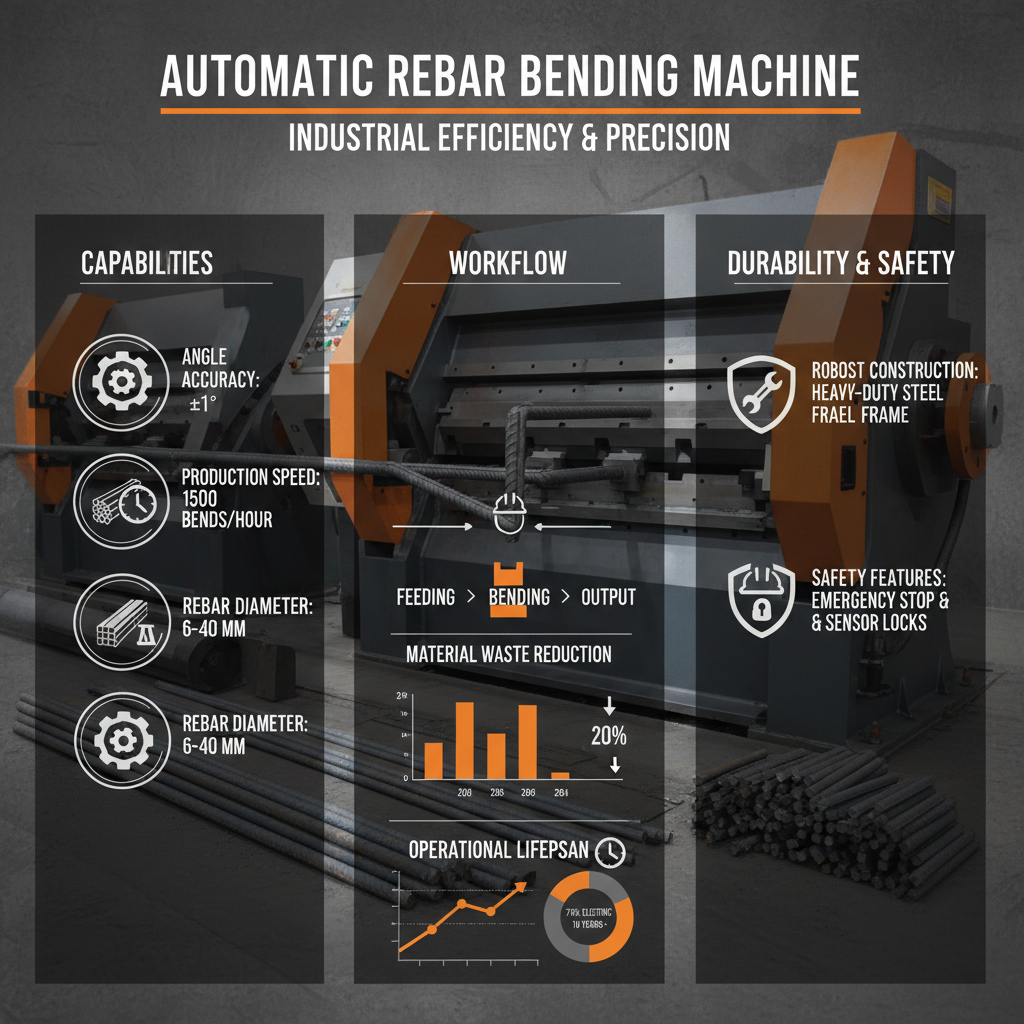
Selecting the appropriate machine requires careful consideration of project needs and budget. Factors to consider include the maximum rebar diameter, bending angle requirements, production volume, and available power supply. Mesh Machinery offers a variety of models to suit different applications. It’s essential to choose a reputable supplier who provides comprehensive support, including installation, training, and maintenance. Regular maintenance is crucial to ensure the machine operates efficiently and reliably over its lifespan.
Investing in an automatic rebar bending machine is a strategic decision that can significantly enhance construction efficiency, reduce costs, and improve safety. By understanding the benefits, applications, and key features of these machines, contractors can make informed choices that drive project success. Don't fall behind – embrace the future of rebar processing.
Most automatic rebar bending machines can handle a wide range of rebar grades and sizes, typically up to 25mm in diameter, depending on the model. They are compatible with Grade 40, Grade 60, and other common rebar types. It is crucial to check the machine’s specifications to ensure it can accommodate the specific rebar requirements of your projects. Different models have varying capabilities regarding bending radius and complex shapes, so selecting the right machine for your needs is essential. Mesh Machinery can provide detailed specifications for each model.
The power requirement varies depending on the machine's size and capacity. Smaller models may require a 220V single-phase power supply, while larger, more powerful machines typically require a 380V three-phase power supply. It is important to verify the specific power requirements of the machine before installation to ensure compatibility with your electrical system. Incorrect voltage can damage the machine and create safety hazards.
Regular maintenance is essential for optimal performance and longevity. This includes lubricating moving parts, checking hydraulic fluid levels, inspecting electrical connections, and cleaning the machine. Mesh Machinery provides detailed maintenance manuals and offers preventative maintenance services. Following a regular maintenance schedule will minimize downtime and extend the life of the machine.
Safety is a paramount concern. Automatic rebar bending machines typically include several safety features such as emergency stop buttons, protective guards, and safety interlocks. These features are designed to prevent accidents and protect operators from injury. It's crucial to ensure all safety features are functioning correctly and that operators are properly trained on their use. Following all safety guidelines is essential for a safe working environment.
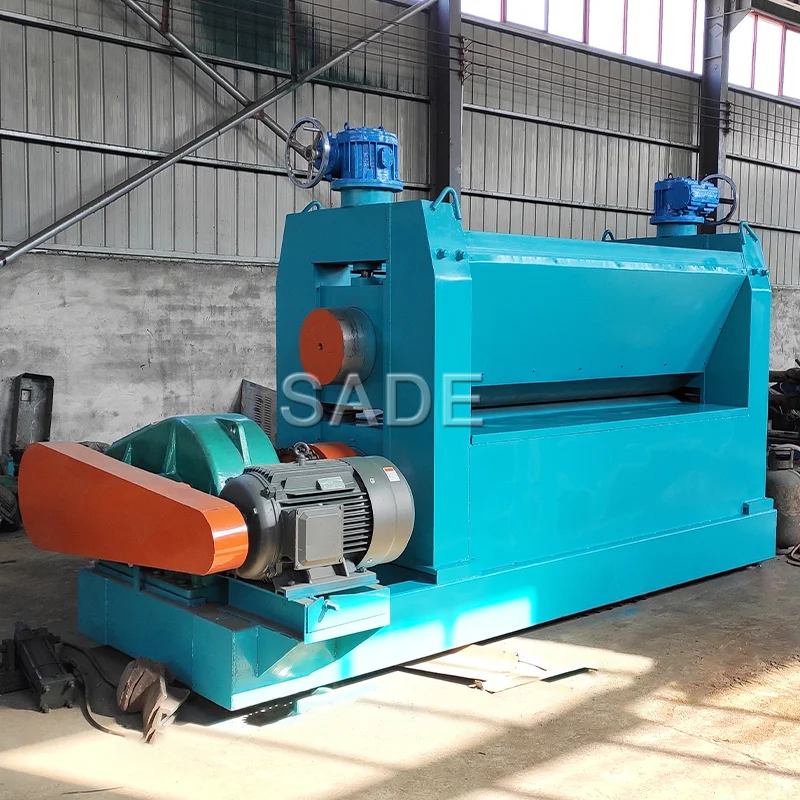
ZPJ Metal Mesh Flatting Machine
ZPJ metal mesh flatting machine is special designed for expanded metal flatting.It’s a corollary equipment of expanded metal machine. It can make expanded wire-mesh smoothly.And the flattened expanded metal have much more widely different applications.
Apr 24, 2026
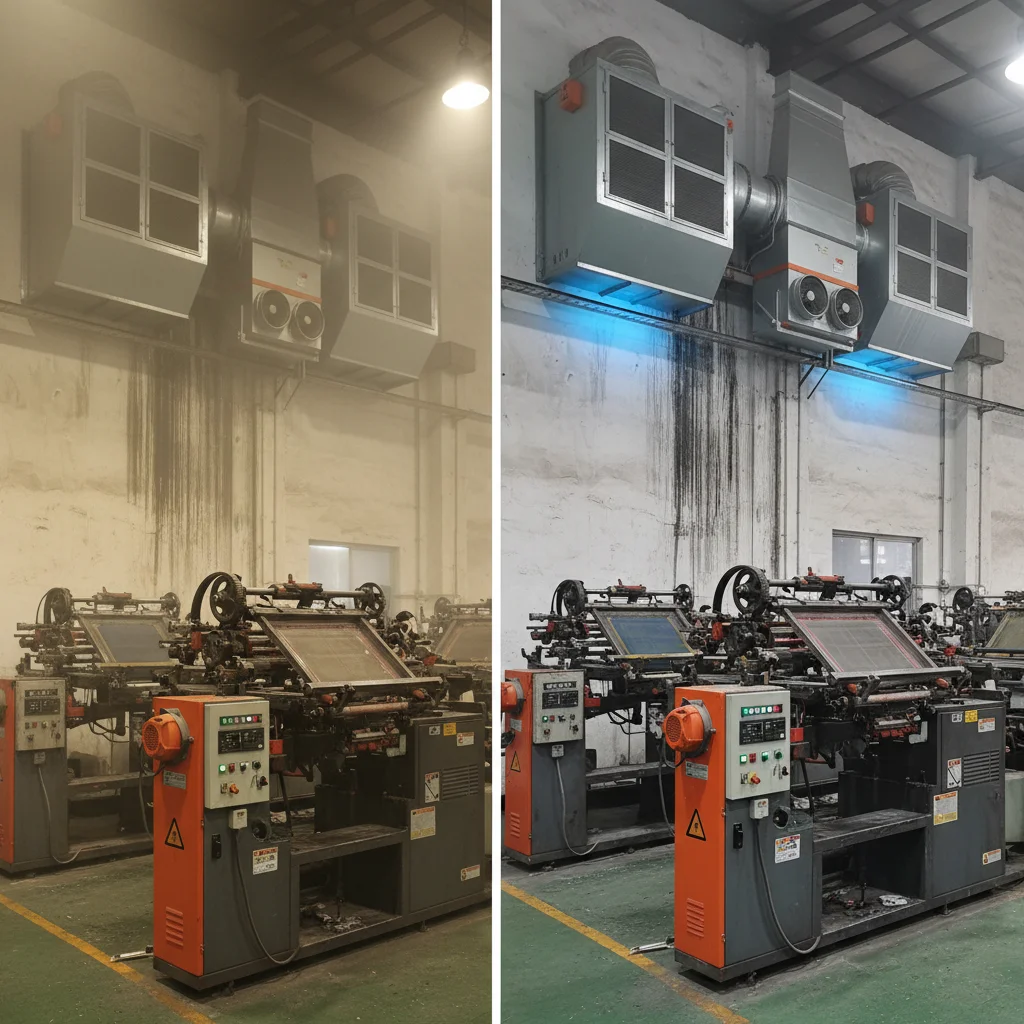
Industrial Wall Mounted Air Filtration for Clean Work Environments