Medical air cleaners are becoming increasingly vital in maintaining safe and healthy environments across a multitude of settings. From hospitals and laboratories to industrial facilities and even homes, the demand for effective air purification systems is escalating due to growing concerns about airborne pathogens, pollutants, and particulate matter. Understanding the nuances of a medical air cleaner – its functionalities, technologies, and applications – is crucial for protecting public health and ensuring optimal operational efficiency.
Globally, the awareness of indoor air quality and its impact on human wellbeing has risen significantly. According to the World Health Organization, 99% of the global population breathes air that exceeds WHO air quality guidelines. This drives the need for advanced air purification solutions like medical air cleaners. Furthermore, increasing industrialization and urbanization, particularly in developing nations, contribute to heightened levels of air pollution, necessitating widespread adoption of air quality control measures.
The proliferation of infectious diseases, like influenza and COVID-19, has further underscored the importance of air purification technologies. Effective medical air cleaners offer a proactive approach to mitigating the spread of airborne viruses and bacteria, contributing to a safer environment for patients, staff, and the general public. This underscores the critical role these systems play in modern healthcare and beyond.
Introduction to Medical Air Cleaners
A medical air cleaner isn’t merely a filtration device; it's a critical component of infection control and environmental safety. These systems are designed to remove a wide range of airborne contaminants, including bacteria, viruses, dust particles, allergens, and volatile organic compounds (VOCs). The precision engineering and rigorous standards adhered to in the production of these units differentiate them from standard air purifiers.
Effective medical air cleaning goes beyond symptom management; it directly contributes to the prevention of healthcare-associated infections (HAIs) and the creation of healthier indoor environments. Understanding the different technologies available, such as HEPA filtration, UV-C sterilization, and activated carbon adsorption, is essential for selecting the right system for a specific application. The efficacy of a medical air cleaner directly impacts the wellbeing of individuals in sensitive environments.
Defining Medical Air Cleaners
A medical air cleaner is an engineered system specifically designed to remove airborne contaminants from a defined space. Unlike general-purpose air purifiers, medical air cleaners are often subject to stricter regulatory requirements and are designed to meet the stringent needs of healthcare and pharmaceutical environments. They're built with materials and features that prevent the spread of contaminants and maintain air quality to a level necessary for critical applications.
This definition extends beyond simple filtration. Medical air cleaners often incorporate multiple stages of purification, targeting different types of pollutants with specialized technologies. The system’s overall performance is measured by factors like Minimum Efficiency Reporting Value (MERV) and Clean Air Delivery Rate (CADR), indicating its ability to capture and remove particles of various sizes.
The connection to modern industry and humanitarian needs is paramount. Medical air cleaners are essential in hospitals, cleanrooms, pharmaceutical manufacturing facilities, and research laboratories. In emergency situations, portable medical air cleaners can be rapidly deployed to create safe zones in disaster areas or temporary healthcare facilities, offering a crucial safeguard for vulnerable populations.
Core Components of Medical Air Cleaners
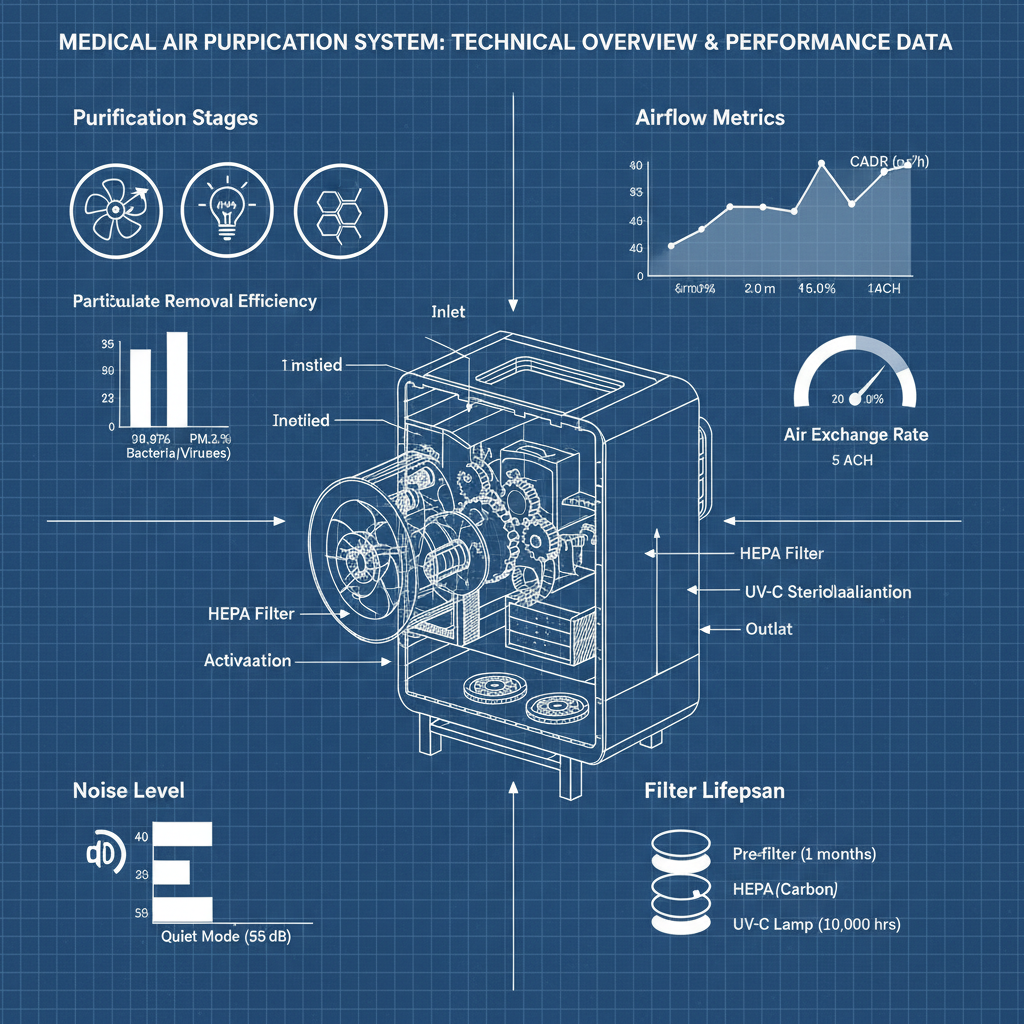
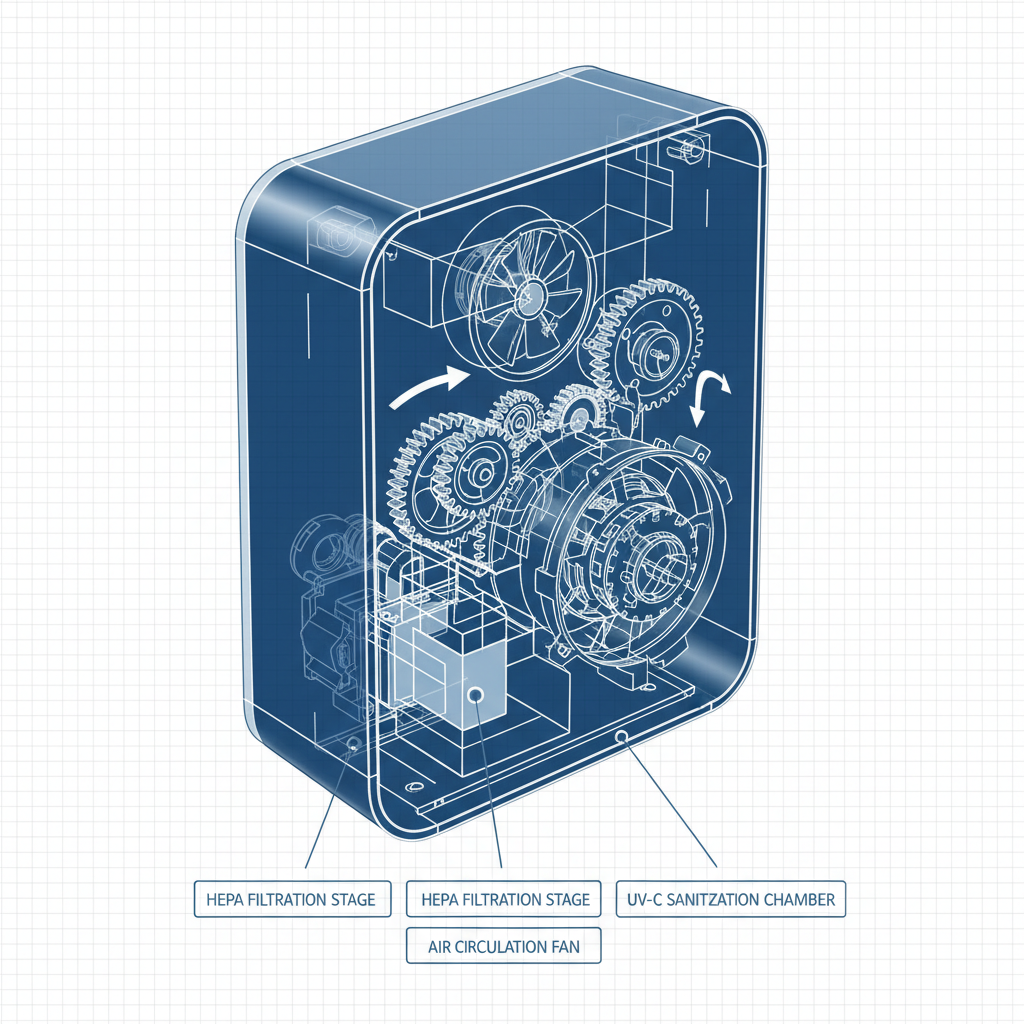
Medical air cleaners rely on a combination of key components to achieve optimal air purification. The most fundamental is the filtration system, typically utilizing High-Efficiency Particulate Air (HEPA) filters. These filters are capable of removing at least 99.97% of particles 0.3 microns in diameter, which includes most bacteria, viruses, and dust particles.
Beyond HEPA filters, many medical air cleaners incorporate pre-filters to capture larger particles and extend the life of the HEPA filter. Activated carbon filters are also common, used to absorb odors, gases, and volatile organic compounds (VOCs). Some advanced systems even employ Ultraviolet Germicidal Irradiation (UVGI) technology, utilizing UV-C light to kill or inactivate microorganisms.
The system's fan and airflow design are equally critical. A well-engineered fan ensures efficient air circulation and maximizes the number of air changes per hour (ACH), a key metric for assessing air quality. The housing materials, often antimicrobial, prevent the growth of mold and bacteria within the unit itself, ensuring the system doesn't become a source of contamination.
Key Performance Factors
Evaluating the performance of a medical air cleaner involves considering several key factors. HEPA filter efficiency, measured by MERV ratings, is a primary indicator, with higher ratings signifying greater filtration capability. The CADR, or Clean Air Delivery Rate, quantifies the volume of purified air delivered by the unit per hour – higher CADR values denote faster purification.
Air Changes per Hour (ACH) is another crucial metric, indicating how many times the air in a room is completely filtered each hour. Hospitals and cleanrooms typically require higher ACH rates than general office spaces. Energy efficiency is also becoming increasingly important, as operating costs can be significant over the lifespan of the unit.
Medical Air Cleaner Performance Comparison
Global Applications and Use Cases
Medical air cleaners find applications in a diverse range of settings globally. Hospitals and healthcare facilities are the most prominent users, employing these systems in operating rooms, intensive care units, and patient rooms to minimize the risk of airborne infections. Pharmaceutical manufacturing plants rely on medical air cleaners to maintain sterile environments during drug production.
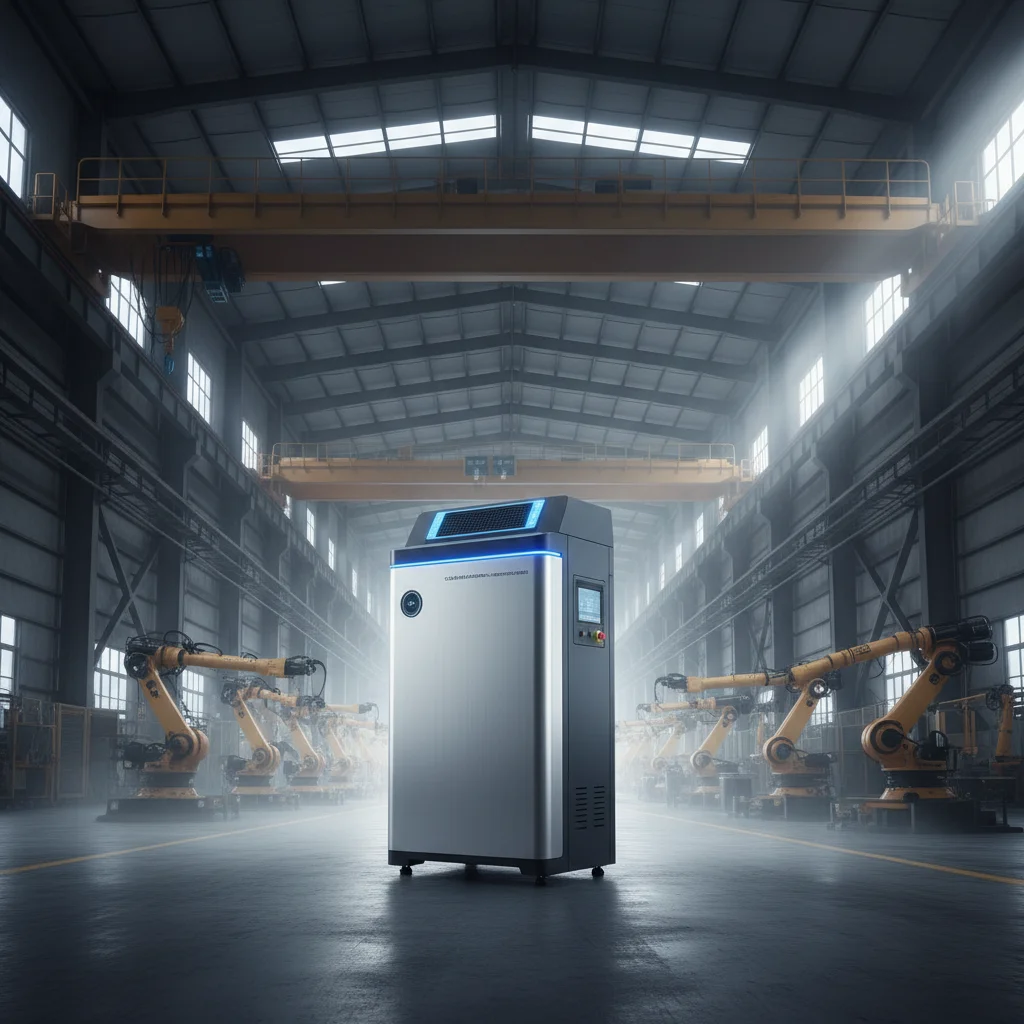
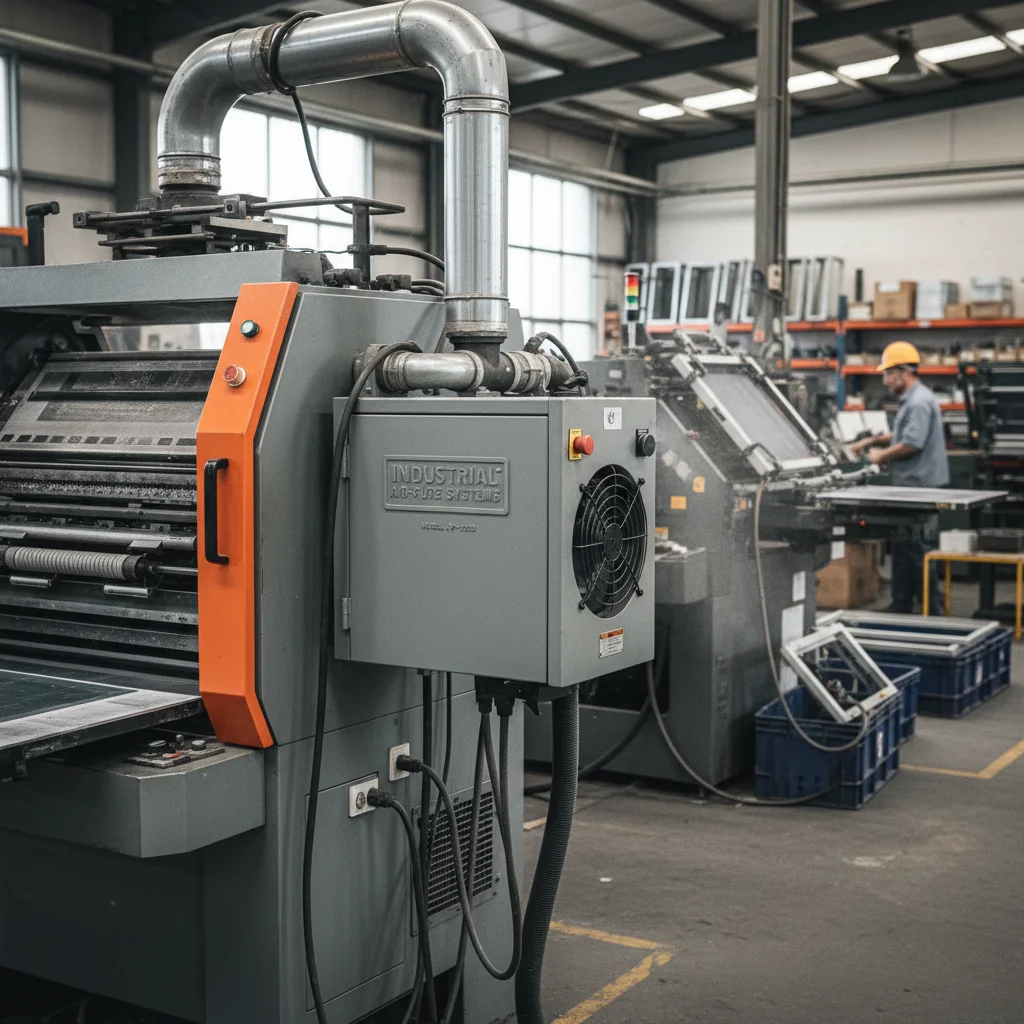
In post-disaster relief operations, portable medical air cleaners provide vital air purification in temporary shelters and medical facilities. In remote industrial zones, where air quality may be compromised, these systems can create safer working environments. Even in commercial buildings, where employee health and wellbeing are prioritized, medical air cleaners are increasingly being deployed to improve indoor air quality.
Advantages and Long-Term Value
The advantages of investing in a quality medical air cleaner extend far beyond simply improving air quality. From a cost perspective, reducing healthcare-associated infections translates into significant savings for hospitals. Sustainable designs minimize energy consumption and reduce the need for frequent filter replacements.
The social impact is profound: healthier environments contribute to improved patient outcomes, increased worker productivity, and a greater sense of wellbeing. Reliability is another key benefit; well-maintained medical air cleaners offer consistent performance over an extended lifespan, providing peace of mind and long-term value.
The trust that comes with knowing the air is clean is invaluable, creating an environment where people can feel safe and confident.
Future Trends and Innovations
The future of medical air cleaning is poised for significant innovation. Integration with smart building technologies, including IoT sensors and AI-powered analytics, will enable real-time monitoring and automated adjustments to optimize performance. Development of advanced filtration materials, such as nanomaterials, promises even greater efficiency in removing ultrafine particles.
A growing focus on sustainability will drive demand for energy-efficient designs and eco-friendly filter materials. Furthermore, advancements in UVGI technology, including the use of far-UV-C light, offer the potential for safer and more effective disinfection. Digital transformation plays a role in remote monitoring and preventative maintenance, enhancing system reliability.
The convergence of these trends will lead to more sophisticated, efficient, and sustainable medical air cleaning solutions, ultimately contributing to healthier and safer environments for all.
FAQS
Medical air cleaners are designed and tested to meet stricter standards for filtration efficiency and safety, often incorporating multiple stages of purification and antimicrobial materials. They are specifically engineered for use in healthcare and pharmaceutical environments where air quality is critical, whereas standard air purifiers are designed for general home or office use and may not offer the same level of protection.
Filter replacement frequency depends on usage and the level of contamination in the air. Pre-filters typically need to be replaced every 1-3 months, while HEPA filters and activated carbon filters may last 6-12 months or longer. Regular monitoring of filter condition and following the manufacturer's recommendations are essential for maintaining optimal performance.
The ACH rating indicates how many times per hour the air in a room is completely filtered by the air cleaner. Higher ACH values mean faster and more thorough air purification. Healthcare settings generally require higher ACH rates (e.g., 6-12 ACH) than general office spaces (e.g., 4-6 ACH) to minimize the risk of airborne infections.
Traditional UVGI systems utilizing UV-C light can pose safety risks if not properly shielded, as exposure to UV-C radiation can be harmful to skin and eyes. However, newer systems employing far-UV-C light are considered safer for use in occupied spaces, as far-UV-C wavelengths are less harmful to biological tissues. It’s crucial to select a system with appropriate safety features and follow manufacturer's guidelines.
MERV (Minimum Efficiency Reporting Value) is a rating system used to indicate the effectiveness of air filters. Higher MERV ratings signify greater filtration efficiency, meaning the filter captures a larger percentage of airborne particles. Medical air cleaners typically utilize filters with MERV ratings of 13 or higher to capture bacteria, viruses, and other microscopic contaminants.
Yes, medical air cleaners equipped with activated carbon filters can effectively remove odors and volatile organic compounds (VOCs) from the air. Activated carbon works by adsorbing these gaseous pollutants, trapping them within its porous structure. The effectiveness depends on the amount and quality of the activated carbon used in the filter.
Conclusion
In conclusion, medical air cleaners represent a critical investment in public health and safety. From their core components—HEPA filters, UVGI systems, and activated carbon—to their widespread applications in healthcare, industry, and disaster relief, these systems play a vital role in protecting individuals from airborne contaminants. The benefits extend beyond mere air purification, encompassing cost savings, sustainability, and enhanced wellbeing.
Looking ahead, ongoing innovation in materials, technology, and integration with smart building systems will continue to improve the performance and accessibility of medical air cleaners. Prioritizing air quality is no longer a luxury but a necessity, and investing in effective air purification solutions like medical air cleaner is a proactive step towards a healthier and more secure future.