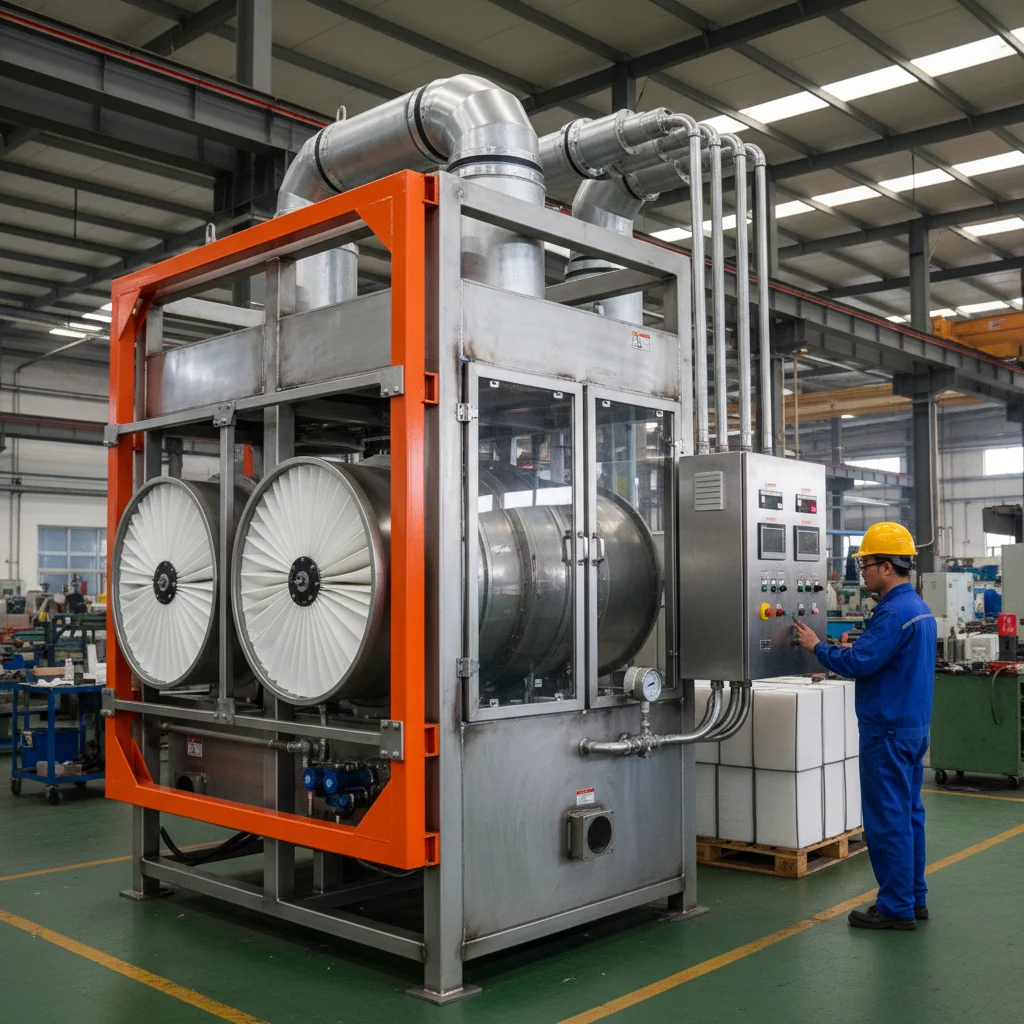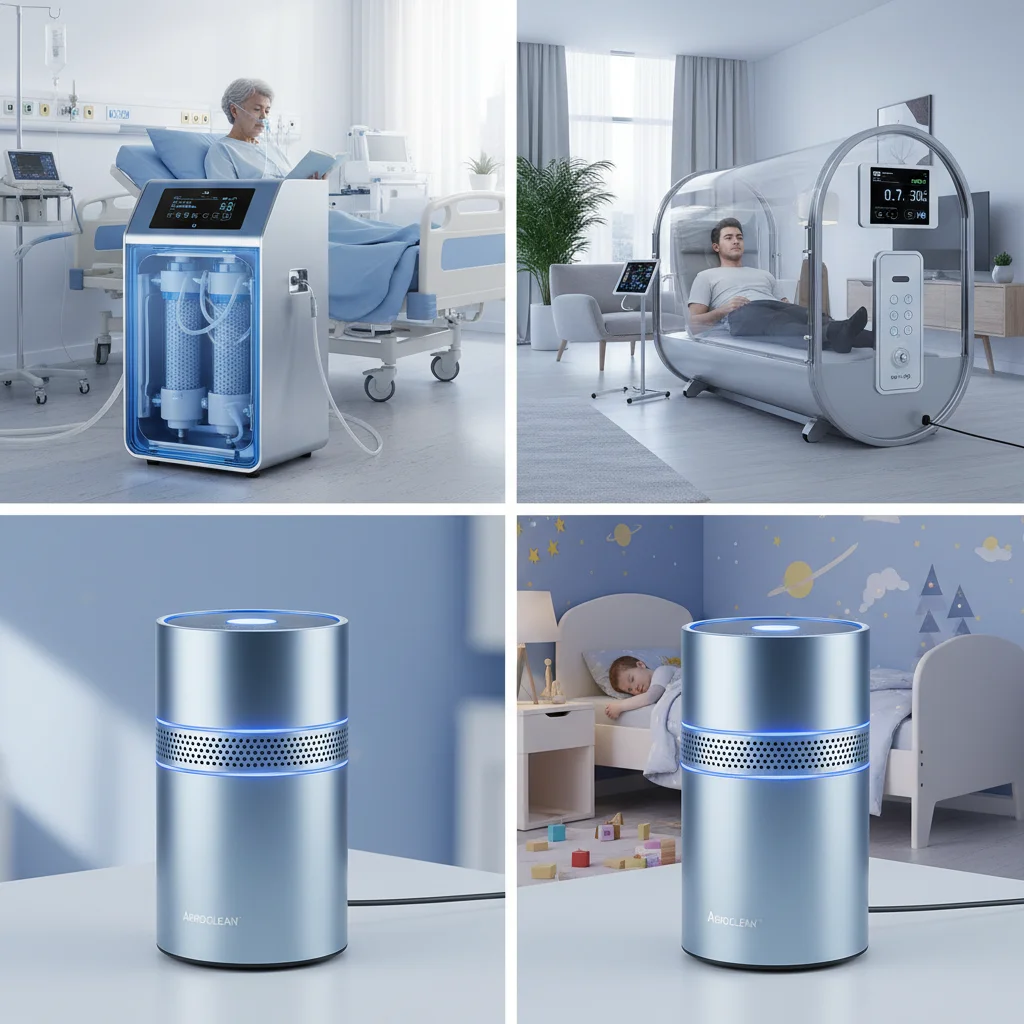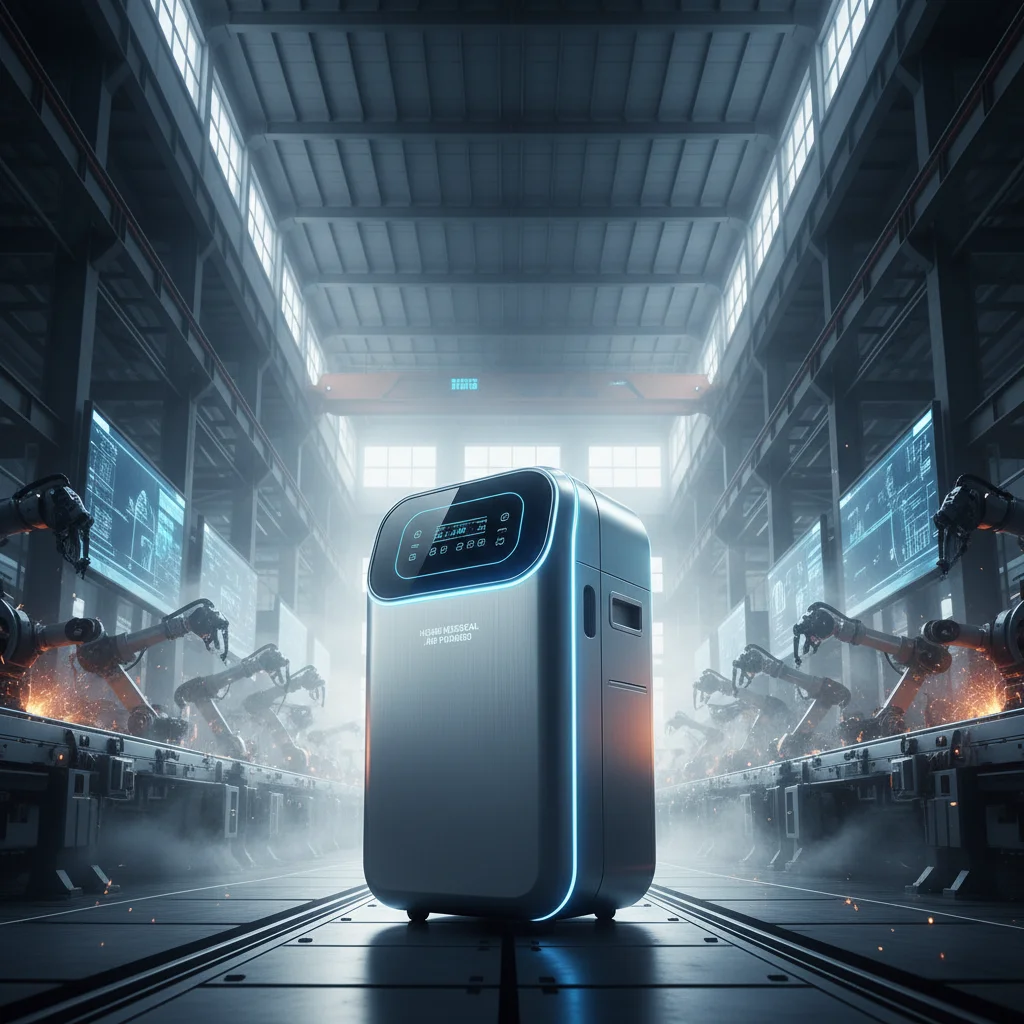

Clinical air purifiers are becoming increasingly vital in maintaining healthy indoor environments globally. From hospitals and healthcare facilities striving for sterile conditions to schools aiming to improve student focus and reduce illness, the demand for effective air purification solutions is surging. These aren’t simply about removing dust; they’re about mitigating the spread of airborne pathogens, allergens, and volatile organic compounds (VOCs), directly impacting public health and well-being. The growing awareness of indoor air quality and its connection to respiratory health and overall cognitive function drives the adoption of clinical air purifier technologies.
The escalating rates of respiratory illnesses, coupled with increasing urbanization and pollution levels, underscore the critical need for advanced air purification. According to the World Health Organization (WHO), 99% of the global population breathes air that exceeds WHO guideline limits, highlighting the pervasive nature of air pollution. This creates a substantial market for clinical-grade air purification systems capable of addressing these challenges effectively. The COVID-19 pandemic further accelerated this trend, emphasizing the importance of airborne infection control and prompting widespread investment in air quality solutions.
Understanding the nuances of clinical air purifier technology—from HEPA filtration to UV-C sterilization and activated carbon absorption—is crucial for selecting the right system for specific needs. The benefits extend beyond immediate health improvements, contributing to increased productivity, reduced absenteeism, and improved overall quality of life. Investing in superior air quality is an investment in a healthier future.
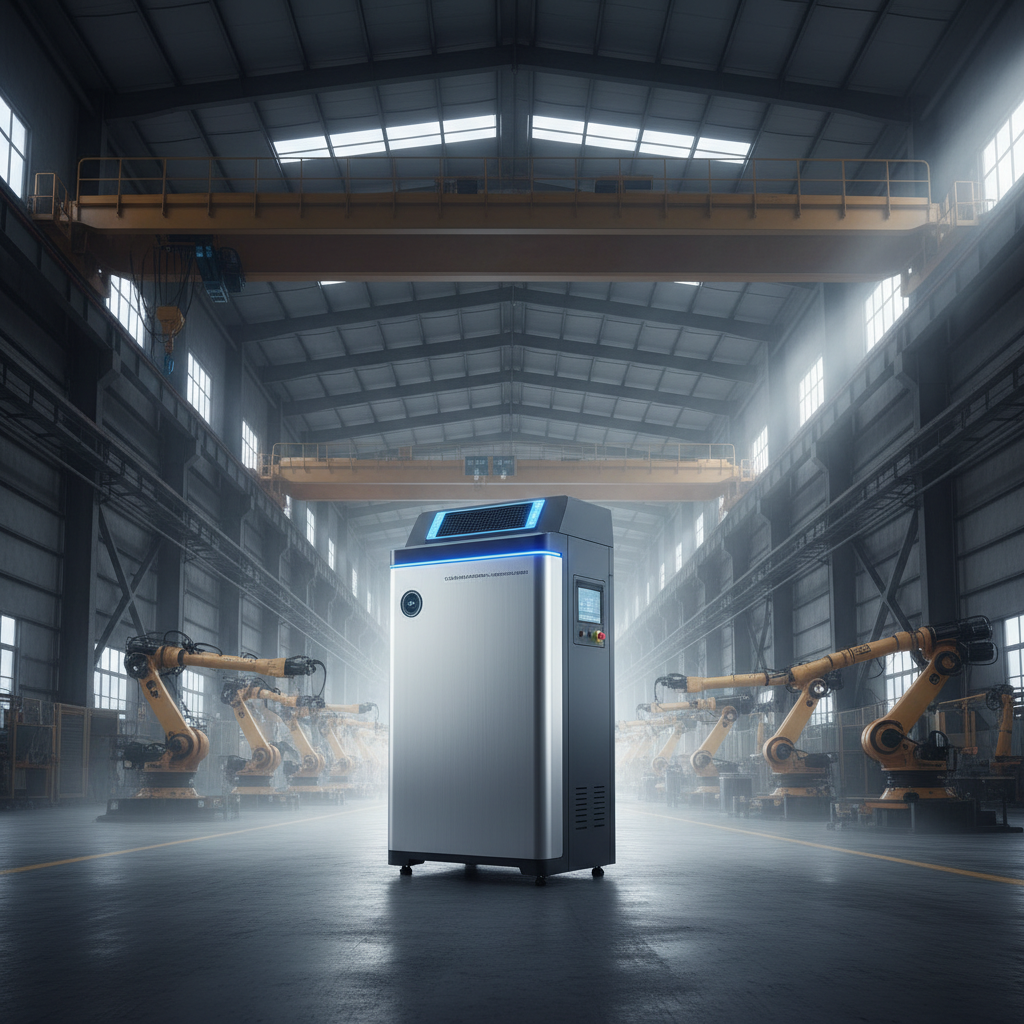
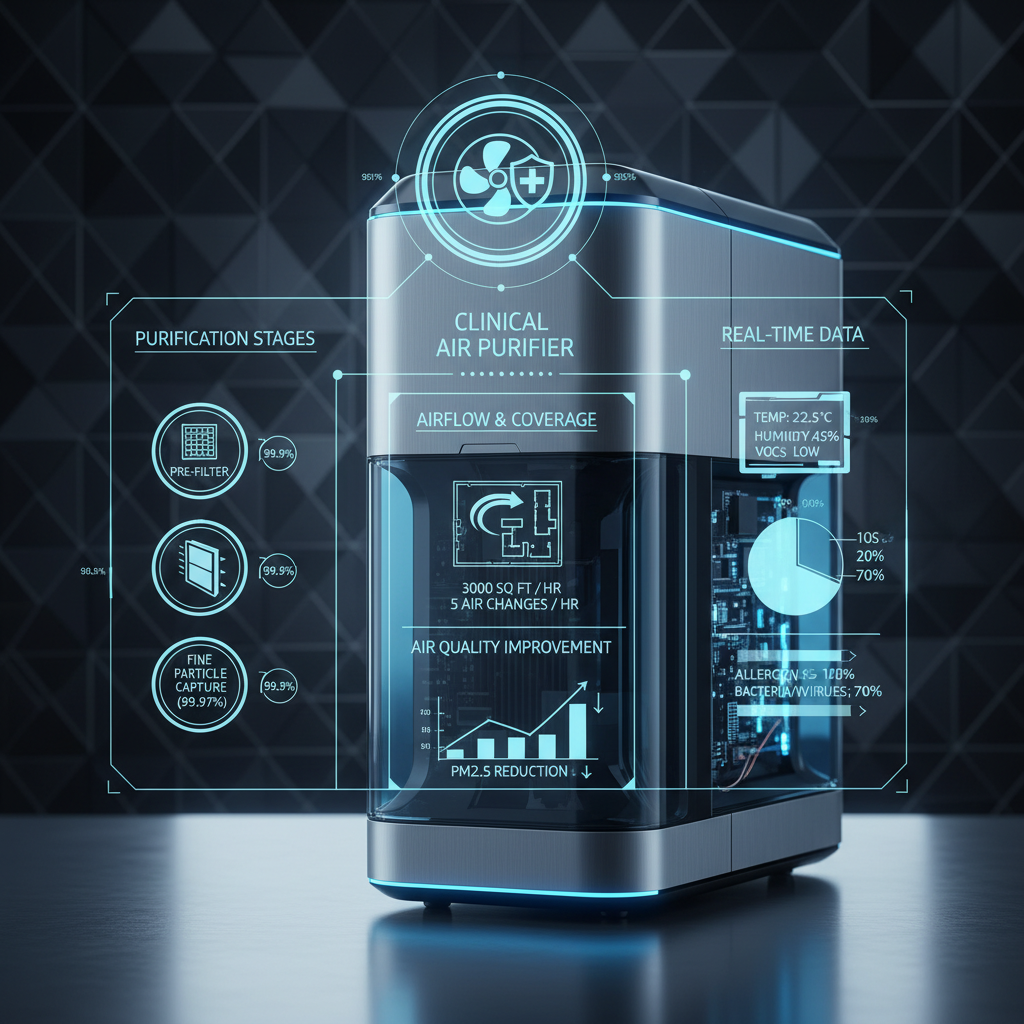
The global clinical air purifier market is experiencing substantial growth, driven by heightened awareness of indoor air quality and the increasing prevalence of respiratory illnesses. According to a recent report by Grand View Research, the global air purifier market size was valued at USD 12.87 billion in 2022 and is projected to reach USD 21.76 billion by 2030, growing at a CAGR of 6.8% from 2023 to 2030. This growth is fueled by stringent government regulations, advancements in technology, and a rising disposable income in developing countries.
The healthcare sector remains a primary driver for clinical air purifier adoption, with hospitals and clinics prioritizing infection control. Beyond healthcare, industries such as pharmaceuticals, biotechnology, and microelectronics require ultra-clean environments, further boosting market demand. The ISO 14644-1 standard, governing cleanroom classifications, underscores the importance of controlled air quality in these sectors.
A significant challenge facing the industry is the lack of standardized testing and certification for air purifier performance. Consumers often struggle to differentiate between products with varying levels of effectiveness. The emergence of more robust certification programs, coupled with increased transparency in product specifications, is essential to building trust and driving market growth.
While both HEPA filters aim to capture 99.97% of particles at 0.3 microns, “True HEPA” filters must meet a specific standard defined by EN 1822. This certification ensures the filter has been independently tested and verified to meet the required performance criteria. A standard “HEPA-type” filter might not undergo such rigorous testing and may not deliver the same level of filtration efficiency. For clinical air purifier, opting for a True HEPA filter is generally recommended.
Filter replacement frequency depends on usage and the level of air contamination. Pre-filters should be replaced every 1-3 months, HEPA filters every 6-12 months, and activated carbon filters every 3-6 months. Some clinical air purifier models have filter life indicators that provide guidance on when to replace filters. Regular maintenance is critical for maintaining optimal performance and preventing the recirculation of contaminants.
While air purifiers can’t eliminate viruses completely, those equipped with True HEPA filters can effectively capture airborne virus particles. Combining HEPA filtration with UV-C sterilization can further reduce the viral load in the air. It’s important to remember that air purification is just one component of a comprehensive infection control strategy, which should also include social distancing, masking, and vaccination.
CADR, or Clean Air Delivery Rate, indicates the speed at which an air purifier cleans a room. It's measured in cubic feet per minute (CFM) for smoke, dust, and pollen. A higher CADR means the purifier can clean a larger room more quickly. When choosing a clinical air purifier, select a model with a CADR appropriate for the size of the space you intend to purify.
While UV-C technology can effectively kill airborne pathogens, it’s crucial that it’s properly shielded within the purifier. Exposure to UV-C radiation can be harmful to skin and eyes. Furthermore, UV-C effectiveness relies on sufficient exposure time, so the airflow rate must be carefully engineered to ensure adequate contact between the UV-C light and the air.
Determining the correct size involves considering the room's square footage and ceiling height. Air purifier manufacturers typically provide guidelines on the room size their models are suitable for. You should also factor in the CADR (Clean Air Delivery Rate) and the air changes per hour (ACH) you desire. A higher ACH indicates more frequent air cleaning. For clinical settings, a higher ACH is generally recommended.
Clinical air purifiers represent a vital investment in public health, safety, and productivity. Their ability to remove airborne contaminants, coupled with advancements in filtration technology and smart control systems, makes them an increasingly indispensable component of modern healthcare facilities, industrial environments, and even homes. By prioritizing air quality, we can create healthier, more sustainable, and more comfortable spaces for all.
Looking ahead, continued innovation in materials science, sensor technology, and artificial intelligence will further enhance the performance and efficiency of clinical air purifiers. Adopting these advancements and embracing proactive air quality management strategies will be crucial for mitigating the growing risks associated with indoor air pollution and infectious disease transmission. For more information and to explore our range of clinical air purifier solutions, visit our website today!