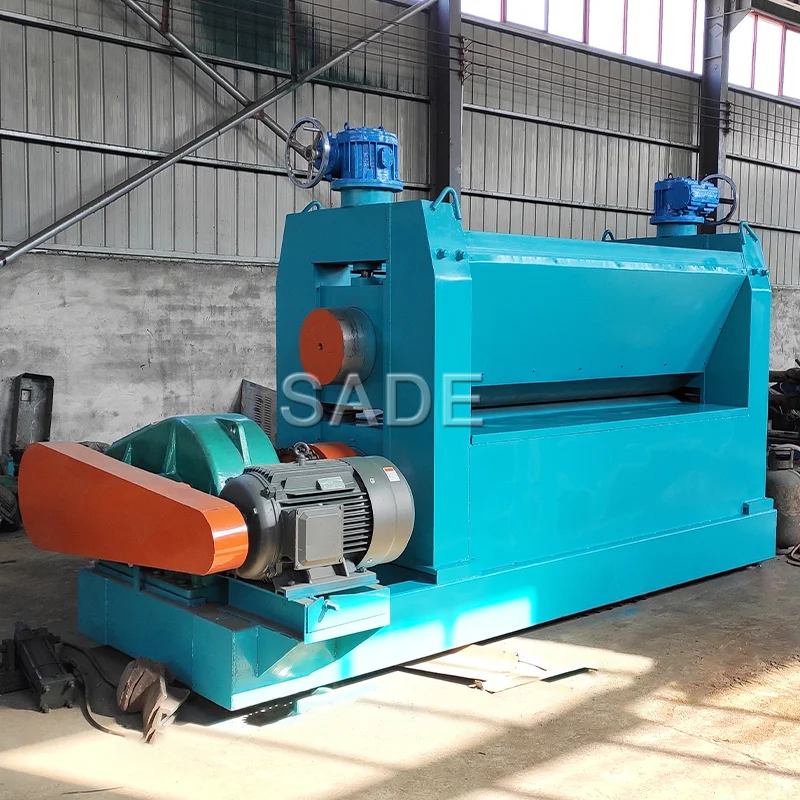
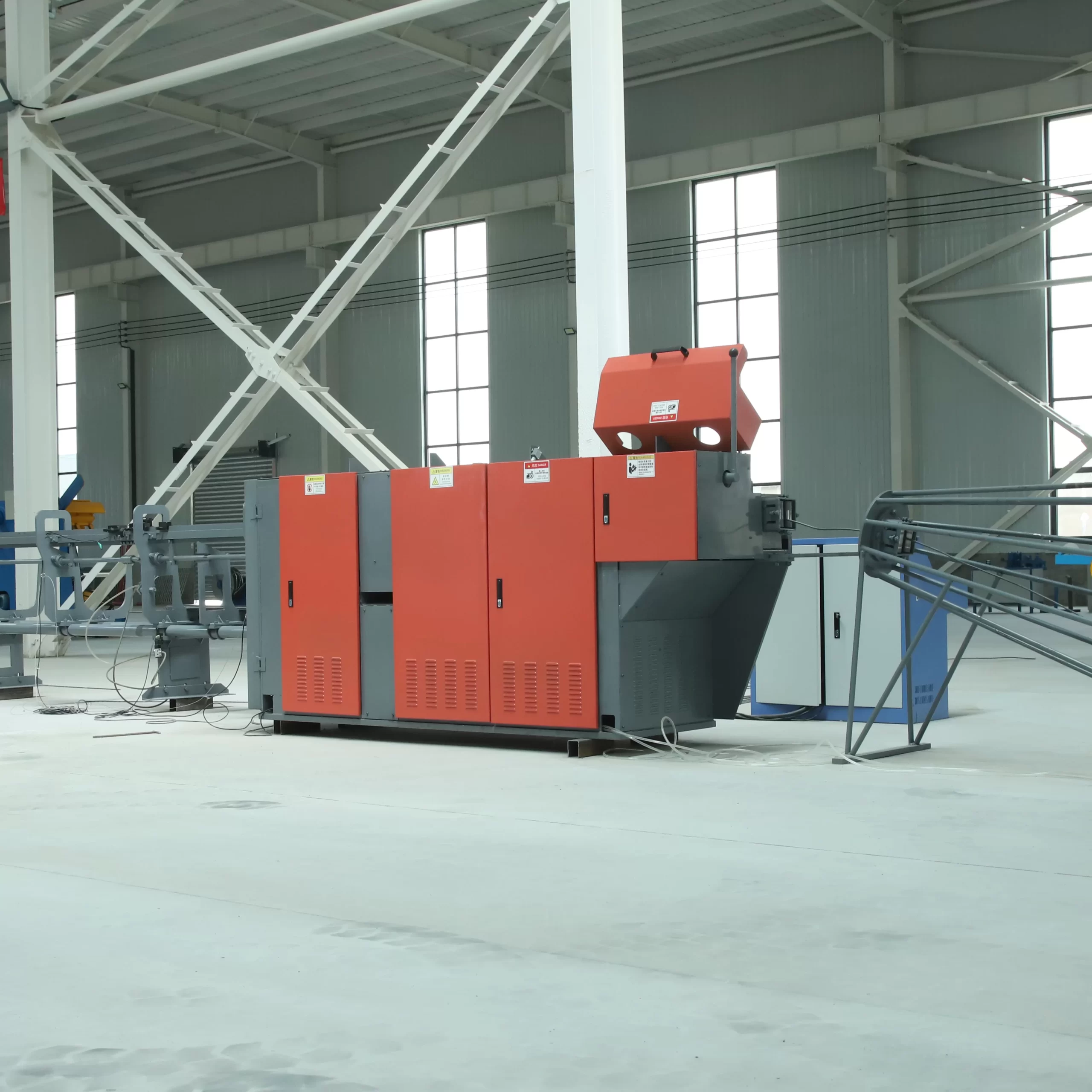
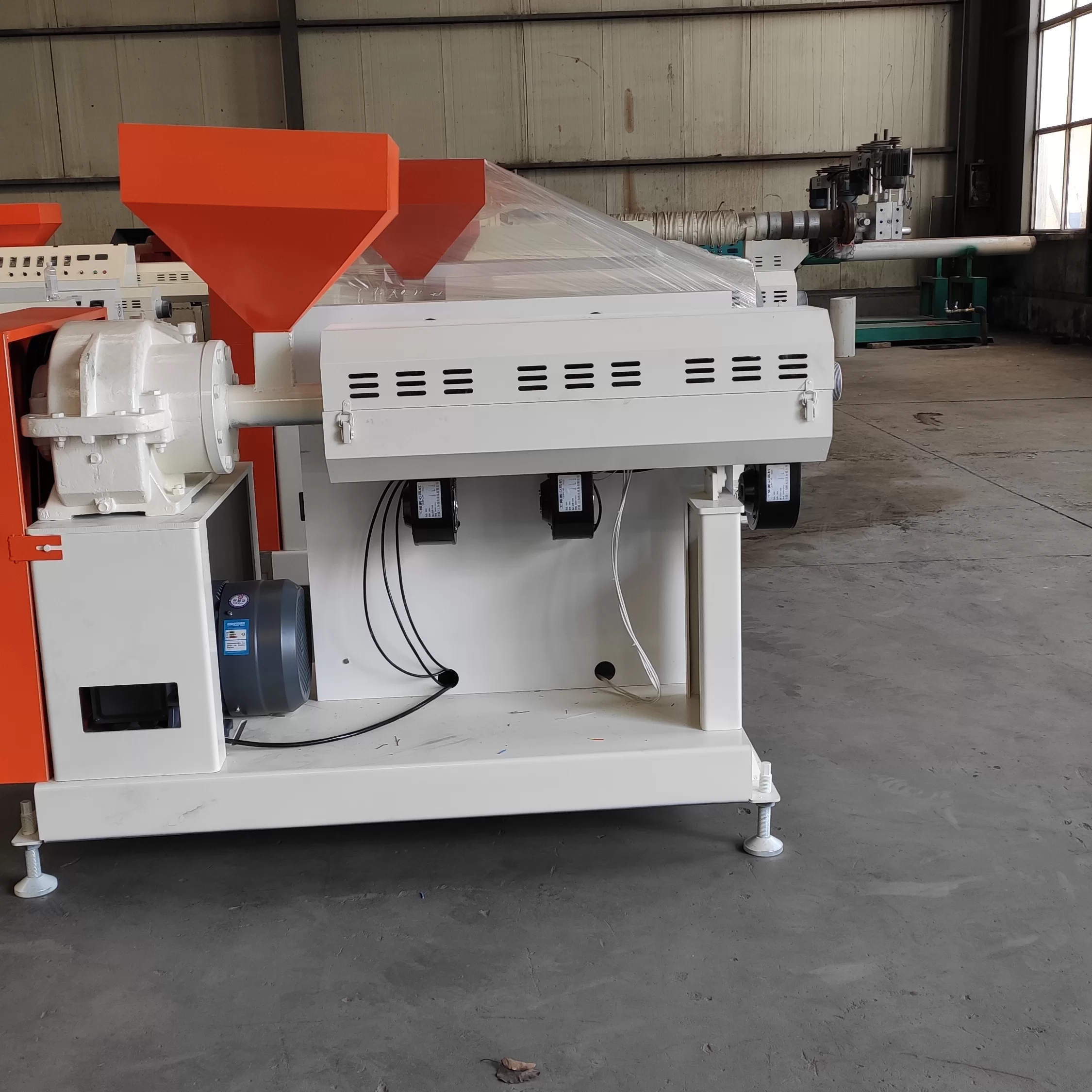
As construction projects continue to grow in complexity and scale, the demand for efficient, automated, and precise reinforcement bar (rebar) processing equipment has never been higher. Contractors and builders worldwide are seeking reliable solutions to improve worksite productivity, reduce labor intensity, and enhance structural quality. Among the most essential tools in today’s steel processing industry is the rebar cutting and bending machine, available in various models designed to meet different operational needs. Whether you require advanced factory-grade bending power or a compact field-ready solution, understanding the features, performance, and advantages of these machines will help you choose the right one for your project.
In this comprehensive guide, we explore the different types of rebar processing machines—including the industrial rebar bending machine, portable rebar bending machine, electric rebar bending machine, and hydraulic rebar bending machine—and discuss how they contribute to efficient steel reinforcement handling.
Key Types of Rebar Cutting and Bending Machines
Modern construction sites require equipment capable of handling high workload demands with superior accuracy. Below are the main types of machines used for cutting and bending reinforcement bars.
1. Industrial Rebar Bending Machine
For large-scale commercial projects, the industrial rebar bending machine is the backbone of reinforcement processing. Designed for high-output operations, this machine delivers exceptional torque and precision, enabling bending of thick steel bars according to complex designs. Industrial models typically feature:
1. High bending capacity ranging from 4mm to 40mm or more
2. Programmable bending angles for repetitive tasks
3. Durable, heavy-duty steel frames for extended service life
4. Automated feeding mechanisms for large production lines
These machines are ideal for manufacturing plants, steel processing workshops, and infrastructure projects where time and productivity are critical.
2. Portable Rebar Bending Machine
On remote or small construction sites, mobility and ease of use become top priorities. The portable rebar bending machine stands out for its compact size, lightweight body, and practical functionality. While smaller than the industrial version, it is still capable of bending standard rebar sizes with ease. Key advantages include:
1. Lightweight design for easy transportation
2. Quick bending performance for on-site corrections
3. Lower electricity consumption
4. Suitable for small contractors and repair tasks
Portable machines are particularly useful when workers must process rebar quickly without transporting materials back to a central facility.
3. Electric Rebar Bending Machine
Among the most widely used solutions in the industry, the electric rebar bending machine delivers stable, energy-efficient operation. These machines are powered by electric motors that drive the bending mechanism with consistent speed and precision. Benefits often include:
1. Easy operation with simple control panels
2. Low noise and minimal vibration
3. Efficient power usage
4. Ability to integrate with cutting tools or combined cutting-and-bending systems
Electric models are multifunctional and suitable for both workshop and field use, making them a popular choice for general construction companies.
4. Hydraulic Rebar Bending Machine
Where heavy-duty performance is required, the hydraulic rebar bending machine becomes indispensable. Its hydraulic system generates high pressure, enabling it to bend large-diameter rebar with minimal manual effort. Features typically include:
1. High-pressure bending for thick and hardened steel
2. Strong durability and long service life
3. Smooth, stable bending motion
4. Increased safety due to hydraulic locking mechanisms
This machine type is especially favored in infrastructure construction—bridges, tunnels, and high-rise buildings—where stronger reinforcement bars are commonly used.
How Rebar Cutting and Bending Machines Improve Efficiency
Investing in a professional rebar cutting and bending machine can dramatically enhance workflow efficiency across construction projects. These machines offer:
Higher Precision and Consistency
Manual bending is not only labor-intensive but also prone to inaccuracy. Automated bending machines ensure consistent angles and dimensions, resulting in better structural integrity.
Reduced Labor Cost and Physical Workload
Heavy steel processing requires significant manpower. Machines automate much of the process, allowing workers to focus on installation and inspection instead of strenuous physical tasks.
Faster Construction Progress
Automated cutting and bending operations accelerate production cycles. Work that once took hours can now be completed in minutes, allowing projects to meet tight deadlines.
Enhanced Safety
Modern electric and hydraulic systems ensure safer operation with advanced controls, emergency stops, and protective covers.
Choosing the right reinforcement processing equipment can significantly impact the speed, accuracy, and safety of any construction project. Whether you need a high-performance industrial rebar bending machine, a convenient portable rebar bending machine, or a powerful hydraulic rebar bending machine, the key is understanding your workload requirements and selecting a model that truly enhances productivity. A reliable rebar cutting and bending machine not only boosts efficiency but also contributes to long-term cost savings, higher structural precision, and smoother construction operations.
FAQ
1. What is a rebar cutting and bending machine used for?
A rebar cutting and bending machine is used to shape and size reinforcement bars for construction. It ensures accurate cuts and bends according to building design requirements.
2. Is an industrial rebar bending machine suitable for small projects?
An industrial rebar bending machine is best for large-scale projects due to its high capacity. For smaller jobs, a portable rebar bending machine is more practical.
3. What are the advantages of an electric rebar bending machine?
An electric rebar bending machine offers stable performance, low noise, and efficient energy use. It’s ideal for both workshops and field operations.
4. How does a hydraulic rebar bending machine differ from an electric one?
A hydraulic rebar bending machine uses hydraulic pressure for heavy-duty bending, while electric models rely on motor-driven mechanisms. Hydraulic types handle thicker bars more efficiently.
5. Can portable rebar bending machines handle thick steel bars?
A portable rebar bending machine can bend standard rebar sizes but may not be suitable for extremely thick or hardened bars, which are better handled by industrial or hydraulic machines.