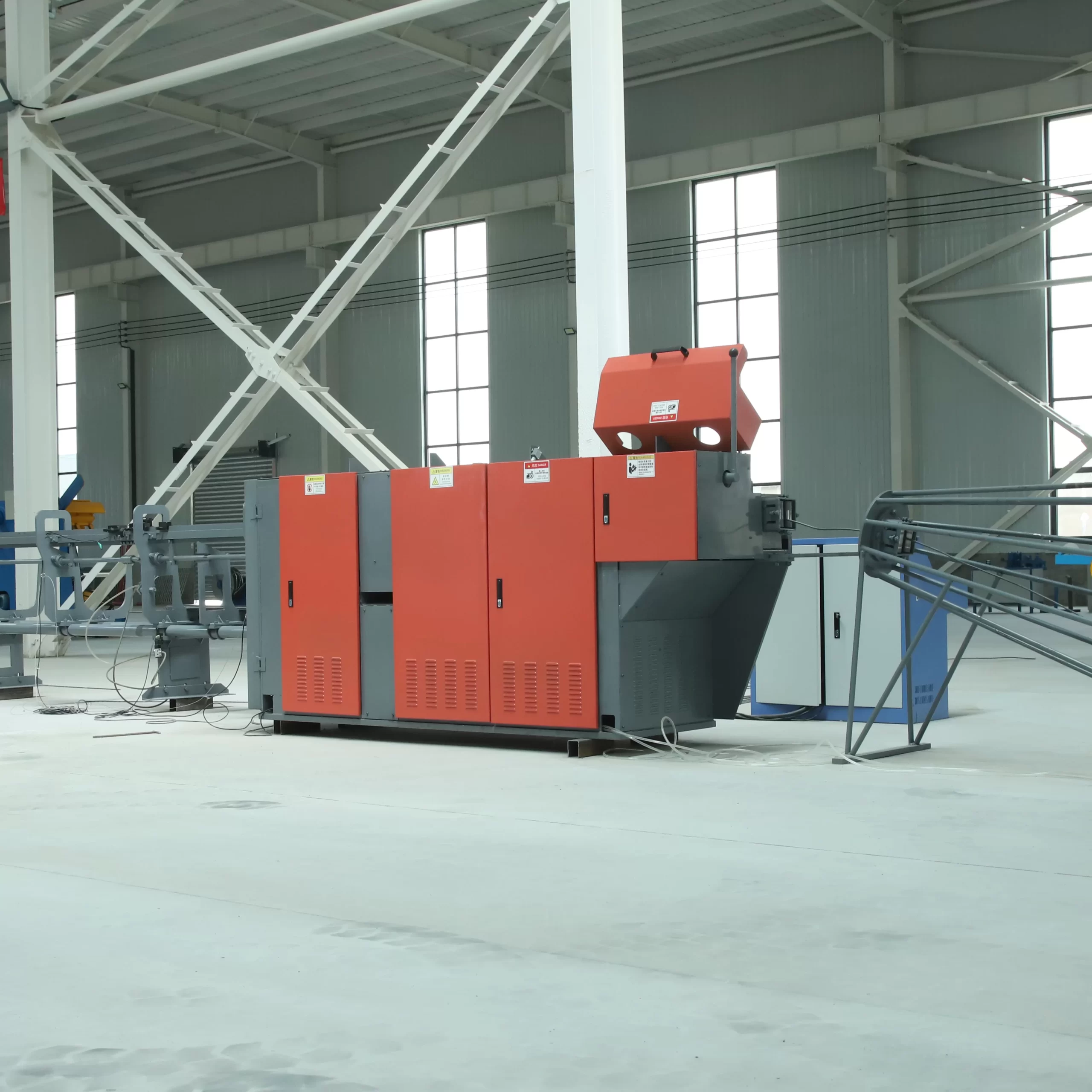
In modern manufacturing and construction industries, efficiency, precision, and productivity are paramount. One essential piece of equipment that has revolutionized wire processing is the wire straightening and cutting machine. Whether you are a small-scale workshop or a large industrial facility, investing in a wire straightening and cutting machine for sale can dramatically improve your workflow and ensure consistent, high-quality output.
These machines are designed to automate the labor-intensive process of straightening coiled wire and cutting it to precise lengths. Traditionally, workers would manually straighten wire—a time-consuming and often inconsistent task. Today, advanced automatic wire straightening and cutting machines deliver speed, accuracy, and reliability, making them indispensable tools for industries ranging from construction and fencing to manufacturing and hardware production.
Key Features and Benefits of a Wire Straightening and Cutting Machine
A modern straight and cut wire machine offers several features that set it apart from manual or older wire processing methods. Understanding these advantages can help businesses choose the right model for their specific needs.
1. High Efficiency and Productivity
One of the most significant benefits of a wire straightening and cutting machine is its ability to process large volumes of wire rapidly. Automatic models can straighten and cut hundreds or even thousands of wires per hour, drastically reducing labor costs and production time. This efficiency ensures that your operations stay competitive and meet tight project deadlines.
2. Precision and Accuracy
Accuracy is critical when dealing with wire used in structural, electrical, or industrial applications. Wire rod straightening machines utilize advanced rollers and sensors to ensure each wire is straightened and cut to the exact length specified. This precision minimizes waste, reduces material costs, and ensures uniform quality across all processed wires.
3. Versatility
Many wire straightening and cutting machines for sale are designed to handle a wide range of wire diameters and materials, including stainless steel, carbon steel, copper, and aluminum. This versatility allows manufacturers to use a single machine for multiple applications, from fencing wire to reinforcement bars in construction projects.
4. Ease of Operation
Modern machines are equipped with user-friendly control panels, touch screens, and programmable settings. Operators can quickly adjust wire length, speed, and processing parameters without extensive training. An automatic wire straightening and cutting machine not only improves output but also reduces the likelihood of human error.
5. Durability and Low Maintenance
A high-quality straight and cut wire machine is built to withstand heavy industrial use. Many models feature robust steel frames, hardened rollers, and durable motors that require minimal maintenance. Investing in a reliable machine ensures long-term performance and reduces downtime due to repairs or replacements.
How to Choose the Right Wire Straightening and Cutting Machine
Selecting the right machine requires careful consideration of several factors to ensure it meets your production needs and budget.
1. Production Capacity
Before purchasing a wire straightening and cutting machine, evaluate your daily production requirements. Machines vary in processing speed, with some capable of handling a few hundred wires per hour, while industrial-grade models can process thousands. Matching the machine's capacity to your workflow prevents underutilization or bottlenecks.
2. Wire Diameter Range
Different projects require wires of various thicknesses. Ensure the wire rod straightening machine you choose supports the diameter range you need. Some machines offer adjustable rollers and guides, enabling flexibility for multiple wire sizes.
3. Automation Level
Decide whether you need a fully automatic machine or a semi-automatic model. Automatic wire straightening and cutting machines provide maximum efficiency and minimal operator intervention, whereas semi-automatic machines may require more manual input but could come at a lower cost.
4. Quality and Brand Reputation
Investing in a machine from a reputable manufacturer ensures durability, consistent performance, and access to after-sales support. Reading customer reviews and consulting industry experts can help identify reliable wire straightening and cutting machines for sale with proven track records.
5. Additional Features
Consider features such as programmable cutting lengths, digital displays, multiple wire feeding systems, and safety mechanisms. These enhancements can improve workflow, protect operators, and add long-term value to your investment.
A wire straightening and cutting machine is more than just a piece of equipment; it’s an essential investment for modern manufacturing and construction operations. From improving efficiency and precision to reducing labor costs and material waste, the benefits of using a straight and cut wire machine are clear. Whether you are searching for a wire straightening and cutting machine for sale for a small workshop or a fully automated solution for large-scale production, understanding your operational needs and selecting the right machine can significantly impact your productivity and profitability.
By choosing the right automatic wire straightening and cutting machine or wire rod straightening machine, you ensure consistent, high-quality results, enhanced workflow, and a competitive edge in your industry.
Frequently Asked Questions (FAQs)
1. What is a wire straightening and cutting machine used for?
A wire straightening and cutting machine is used to straighten coiled wire and cut it into precise lengths, streamlining the wire processing workflow in construction, manufacturing, and industrial applications.
2. Can this machine handle different wire materials?
Yes, most modern wire straightening and cutting machines for sale can process various materials, including carbon steel, stainless steel, copper, and aluminum.
3. What is the difference between an automatic and a manual wire straightening machine?
An automatic wire straightening and cutting machine performs the entire process with minimal human intervention, offering high efficiency and consistency. Manual machines require more labor and are slower.
4. How do I choose the right wire diameter for my machine?
Check the machine specifications for supported wire diameters. Many wire rod straightening machines offer adjustable rollers to accommodate multiple wire sizes.
5. Is maintenance difficult for these machines?
High-quality straight and cut wire machines are designed for durability and require minimal maintenance. Regular cleaning, lubrication, and inspection of rollers and motors are usually sufficient to keep them running smoothly.