
December 09, 2025
In an era demanding robust and sustainable infrastructure, the often-overlooked yet critically essential gabion mesh machine stands as a cornerstone of modern construction and environmental engineering. This specialized equipment is the bedrock of producing gabion baskets – versatile, wire-mesh containers filled with natural stones, pivotal for erosion control, retaining walls, and architectural landscaping. The global demand for gabion structures is experiencing a significant surge, driven by increasing climate volatility and the imperative for resilient infrastructure projects. Industry analyses project the gabion market to grow at a Compound Annual Growth Rate (CAGR) exceeding 6% from 2023 to 2030, with market valuation expected to surpass $1.2 billion by the end of the decade. This exponential growth translates directly into a heightened need for efficient, reliable, and high-capacity gabion mesh production. Investing in a state-of-the-art gabion mesh machine is no longer merely an operational expense; it is a strategic imperative for manufacturers aiming to capture a substantial share of this burgeoning market. From safeguarding coastlines to stabilizing critical road networks, the quality and consistency of gabion mesh produced by these machines directly impact the long-term integrity and safety of countless projects worldwide. Understanding the profound impact and advanced capabilities of these machines is the first step towards transforming raw materials into durable, life-saving solutions.
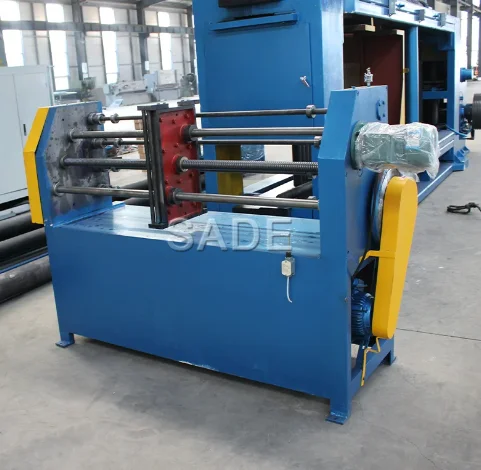
Modern gabion mesh machines are a testament to engineering prowess, evolving far beyond their rudimentary predecessors. The core of their technical superiority lies in their ability to achieve unparalleled efficiency, precision, and material economy. Contemporary designs integrate sophisticated automation, dramatically reducing labor costs and human error while simultaneously boosting output. Take, for instance, the implementation of advanced PLC (Programmable Logic Controller) systems, which offer precise control over every aspect of the weaving process, from wire feeding tension to mesh pitch and roll length. This level of control ensures uniformity and structural integrity across every square meter of mesh produced. Furthermore, significant innovations have been made in wire handling and feeding mechanisms. Automatic wire pay-off systems, often coupled with electronic tension control, prevent tangling and ensure a smooth, continuous feed, which is crucial when dealing with heavy-gauge galvanized or PVC-coated wires. This not only minimizes downtime but also extends the lifespan of the machine's components by reducing stress. The efficiency gains are truly transformative; a high-capacity machine can now produce hundreds of square meters of double-twisted hexagonal mesh per hour, a task that would have required scores of laborers just a few decades ago. These technical advancements collectively empower manufacturers to meet escalating demand with superior products, all while optimizing operational costs and upholding rigorous quality standards essential for critical infrastructure applications.
Delving deeper into the mechanics, the performance of a gabion mesh machine is contingent upon a suite of meticulously engineered features. At its heart lies the double-twisting mechanism, a design marvel that creates a robust, flexible, and non-raveling mesh. This unique twist ensures that even if a wire breaks, the mesh retains its structural integrity, a critical safety feature for gabion applications. High-speed spindle units, precisely synchronized, execute these twists with remarkable consistency and speed. Another indispensable feature is the automatic stop device, which immediately halts operation upon wire breakage or depletion, preventing damage to the machine and minimizing material waste. Lubrication systems, often centralized and automatic, ensure that all moving parts are consistently maintained, significantly extending the machine's operational life and reducing wear-and-tear. Moreover, the robust construction of the frame, typically fabricated from heavy-duty steel, provides the necessary stability to withstand continuous, high-intensity operation. Safety is also paramount, with comprehensive guarding, emergency stop buttons, and interlocks preventing access to moving parts during operation. Control interfaces have become increasingly user-friendly, featuring intuitive touchscreens that allow operators to monitor production, adjust parameters, and diagnose issues with unprecedented ease. This convergence of mechanical robustness, electronic precision, and ergonomic design defines the modern gabion mesh machine, enabling consistent, high-quality output that meets stringent international standards for mesh size, wire diameter, and tensile strength, crucial for demanding civil engineering projects.
Choosing the right gabion mesh machine is a critical investment decision, and a thorough comparison of manufacturers is essential. The market offers a spectrum of options, each with distinct advantages in terms of technology, after-sales support, and pricing. Key differentiators often include the level of automation, maximum mesh width, compatible wire gauges, and the machine's overall durability and energy efficiency. Reputable manufacturers distinguish themselves not just by initial price but by their commitment to innovation, reliability, and comprehensive service packages. Here's a comparative overview based on typical market offerings:
Feature/Attribute | Manufacturer A (High-End European) | Manufacturer B (Established Asian) | Manufacturer C (Emerging Market) |
Automation Level | Full PLC, Auto lubrication, Remote diagnostics | Semi-automatic with PLC, Manual lubrication | Manual/Basic PLC, Manual lubrication |
Max. Mesh Width | 4500mm (Highly versatile) | 4000mm (Standard industrial) | 3000mm (Entry-level/Specific projects) |
Compatible Wire Gauge (mm) | 2.0 - 4.5mm (Wide range) | 2.2 - 4.0mm (Good range) | 2.5 - 3.5mm (Limited range) |
Production Speed (m²/hr) | ~180-220 (Exceptional) | ~120-160 (Very good) | ~80-100 (Moderate) |
Energy Efficiency | Optimized servo motors, Low consumption | Standard AC motors, Moderate consumption | Basic motors, Higher consumption |
Precision & Consistency | Excellent, minimal variation | Very Good, minor variation | Good, noticeable variation |
Durability & Lifespan | Heavy-duty components, 20+ years | Robust build, 10-15 years | Standard build, 5-10 years |
After-Sales Support | Global network, On-site training, Spare parts readily available | Regional support, Online assistance, Parts availability varies | Limited support, Localized parts sourcing often required |
Price Point | Premium | Mid-range | Budget-friendly |
While Manufacturer A offers top-tier performance and longevity, it comes at a higher initial investment. Manufacturer B presents a balanced choice for many operations, delivering good performance at a competitive price. Manufacturer C might suit smaller operations or specific, less demanding projects where cost is the primary driver. The best choice ultimately aligns with specific production needs, budget constraints, and long-term strategic goals.
The beauty of modern gabion mesh machines lies in their inherent flexibility and the extensive customization options available, allowing manufacturers to cater to a myriad of project specifications. No two construction projects are identical, and thus, the ability to produce gabion mesh with varying parameters is crucial. Manufacturers can specify machines capable of handling different wire materials, including galvanized steel, Galfan-coated wire for superior corrosion resistance, or PVC-coated wire for aesthetically sensitive or highly corrosive environments. This adaptability extends to mesh opening sizes, ranging from standard 60x80mm or 80x100mm patterns to larger or smaller openings required for specific hydraulic or architectural applications. Furthermore, the machine can be configured for different mesh widths and lengths, directly impacting the size of the gabion baskets produced. For instance, a client requiring exceptionally large gabions for a major riverbank stabilization project might need a machine capable of producing mesh rolls up to 4.5 meters wide, while another focused on smaller landscape features might prioritize a machine optimized for narrower rolls. Automation levels can also be customized; some clients may opt for fully integrated systems with automatic cutting and winding, while others might prefer semi-automatic setups for greater hands-on control. Even the integration with upstream and downstream equipment, such as de-coilers, tensioners, and automatic mesh cutting devices, can be tailored. This bespoke approach ensures that each investment in a gabion mesh machine precisely aligns with the specific production volume, product portfolio, and quality benchmarks required by diverse market demands, maximizing ROI and operational efficiency.
The versatility and efficacy of gabion structures mean their applications span an impressive array of sectors, demonstrating their critical role in both safeguarding and enhancing environments globally. In civil engineering, gabions are indispensable for retaining walls, providing a flexible, permeable, and robust solution for stabilizing embankments, highway verges, and railway lines. Their ability to deform without losing integrity makes them ideal in areas prone to seismic activity or ground movement. For hydraulic engineering, gabions are a frontline defense against erosion. They are widely used for river training works, canal lining, weir construction, and scour protection along riverbanks and coastlines. Their permeable nature allows water to pass through, dissipating energy and preventing hydrostatic pressure buildup behind the structure. Environmentally, gabions integrate seamlessly into natural landscapes. When filled with locally sourced stone, they blend aesthetically and create habitats for flora and fauna. Large-scale applications include noise barriers along busy highways, visually appealing facade cladding for buildings, and even unique architectural features in urban design. Consider a significant project like the reconstruction of coastal defenses in a region impacted by rising sea levels; here, hundreds of thousands of square meters of gabion mesh are transformed into massive protective barriers, absorbing wave energy and preventing further land loss. Or envision a remote mountain road, continually threatened by landslides, where a series of tiered gabion retaining walls provides essential stability, safeguarding commuters and trade routes. These tangible, real-world examples underscore the fundamental importance of reliable gabion mesh production, directly stemming from the efficiency and quality output of advanced gabion mesh machines, which are instrumental in building a more resilient and sustainable future.
In summation, the decision to invest in a modern gabion mesh machine is far more than an equipment purchase; it is a strategic commitment to operational excellence, market responsiveness, and long-term profitability. The accelerating demand for robust infrastructure, driven by environmental challenges and urban development, positions gabion structures as an indispensable solution, ensuring a consistent and growing market for gabion mesh products. By leveraging the advanced technical capabilities of today's machines – from automated precision and energy efficiency to unparalleled production speed – manufacturers can significantly enhance their competitive edge. The ability to customize output across various wire gauges, mesh sizes, and coating types ensures adaptability to diverse project specifications, securing a broader client base and fostering innovation within the industry. Moreover, choosing a reputable manufacturer with robust after-sales support guarantees operational continuity and maximizes the lifespan of the investment. As the world continues to grapple with the impacts of climate change and the need for durable, sustainable construction solutions, the role of high-quality gabion mesh will only intensify. For manufacturers poised to meet this demand, a state-of-the-art gabion mesh machine is not merely a tool for production but a powerful engine for growth, resilience, and a lasting impact on global infrastructure development. It represents an investment in the future, providing the foundation for structures that protect, stabilize, and endure for generations.
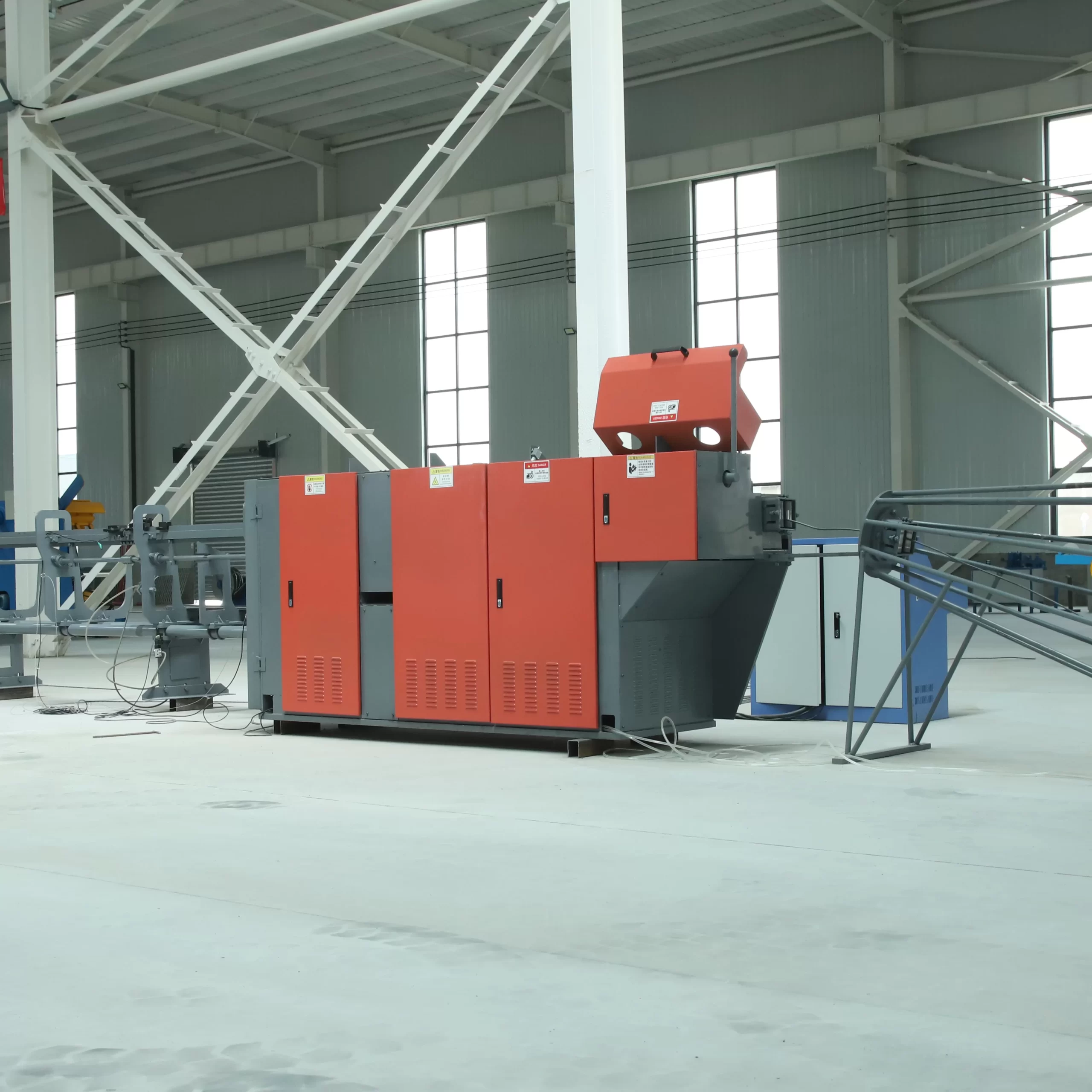
A gabion mesh machine is specialized industrial equipment designed to automatically produce double-twisted hexagonal wire mesh, which is the primary material used to construct gabion baskets. These machines interweave galvanized, Galfan-coated, or PVC-coated steel wires to create durable, non-raveling mesh rolls in various sizes and specifications.
Modern gabion mesh machines are highly versatile and can produce various types of double-twisted hexagonal mesh, including standard gabion mesh (e.g., 80x100mm, 60x80mm openings), reno mattress mesh, and sometimes even smaller or larger opening sizes for specific architectural or hydraulic engineering applications.
Key features include high automation levels (PLC control), robust double-twisting mechanism, automatic stop devices for wire breakage, efficient lubrication systems, compatibility with various wire materials and gauges, user-friendly control interfaces, and a sturdy, vibration-resistant machine frame.
Gabion mesh machines typically process heavy-gauge steel wire, ranging from 2.0mm to 4.5mm in diameter. The wire is usually galvanized (zinc-coated) for corrosion resistance, Galfan-coated (zinc-aluminum alloy) for superior corrosion protection, or PVC-coated over galvanized wire for enhanced durability and aesthetic appeal in specific environments.
Automation in gabion mesh machines significantly boosts production efficiency and precision, reduces labor costs, minimizes human error, ensures consistent mesh quality, and allows for continuous operation. Features like automatic wire feeding, tension control, and cutting mechanisms are standard in advanced models.
Gabion mesh is used for a wide range of applications, including retaining walls, erosion control barriers, river and canal bank protection (river training works), slope stabilization, weir construction, culvert headwalls, architectural cladding, and sound barriers in civil engineering, hydraulic engineering, and landscaping projects.
Power requirements vary depending on the machine's size and production capacity, typically ranging from 20 kW to 50 kW or more for larger, high-speed models. Modern machines, especially those with servo motors, are designed for optimized energy efficiency, which is a significant operational cost consideration. Manufacturers often provide detailed specifications on power consumption for their specific models.
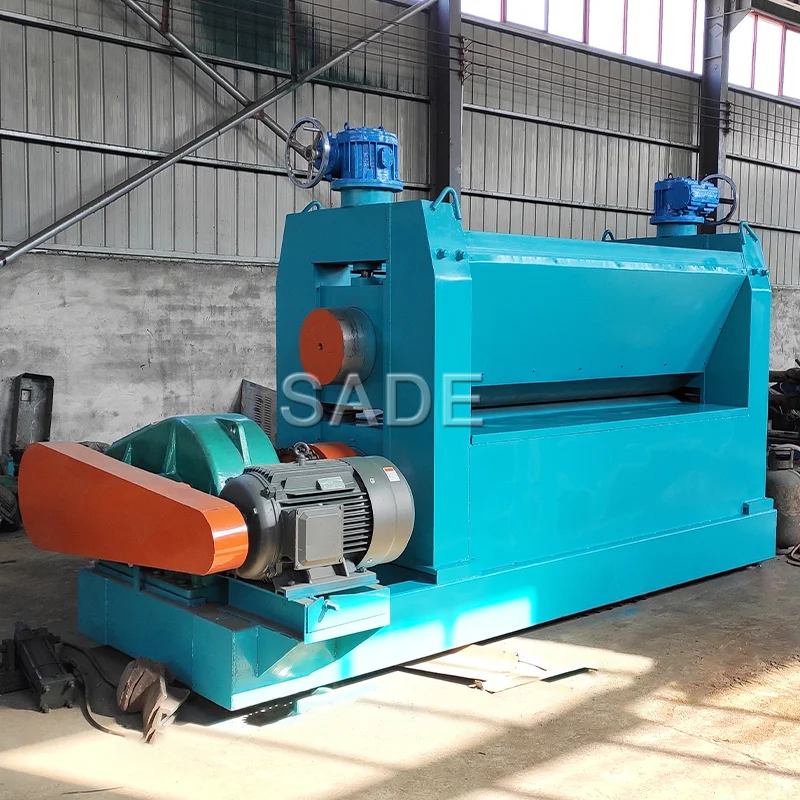
ZPJ Metal Mesh Flatting Machine
ZPJ metal mesh flatting machine is special designed for expanded metal flatting.It’s a corollary equipment of expanded metal machine. It can make expanded wire-mesh smoothly.And the flattened expanded metal have much more widely different applications.
Apr 24, 2026
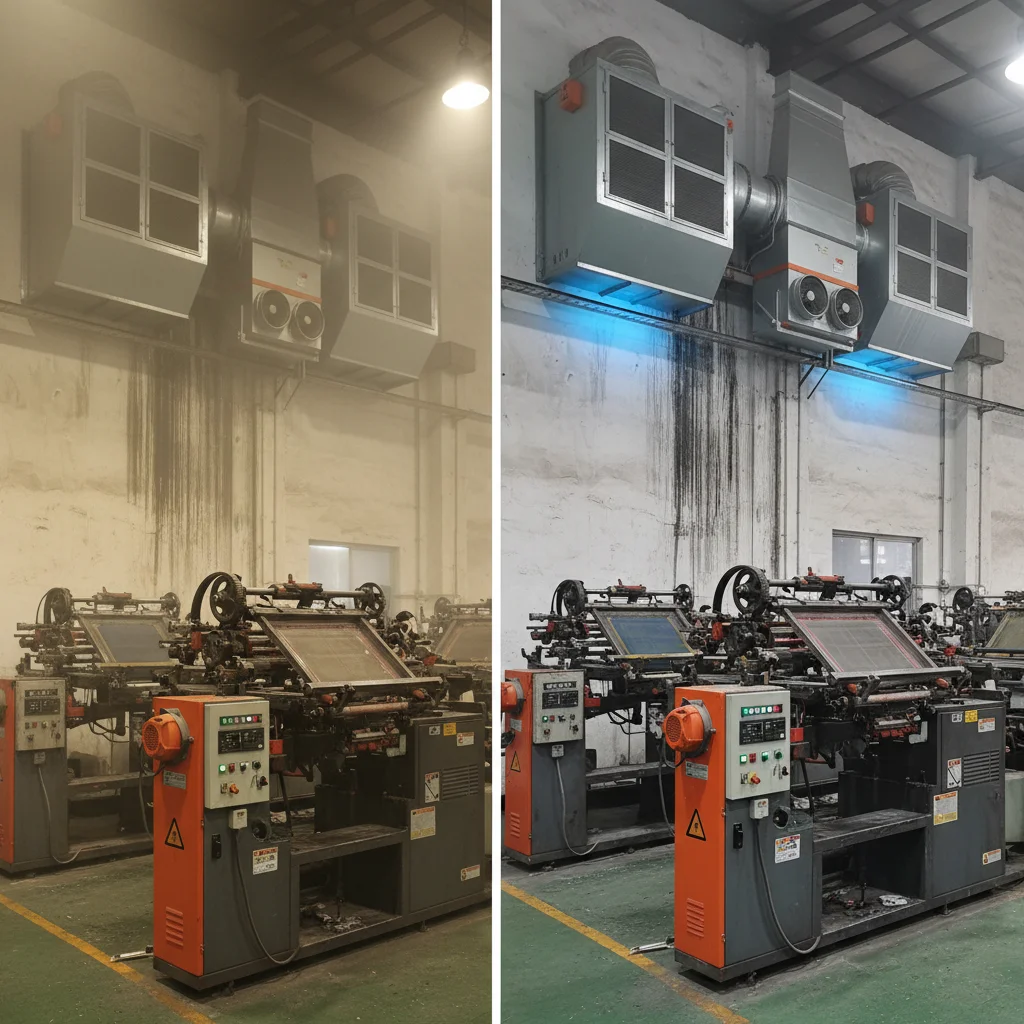
Industrial Wall Mounted Air Filtration for Clean Work Environments